Mums the Word: Why Chrysanthemums Are the Ultimate Autumn Flower
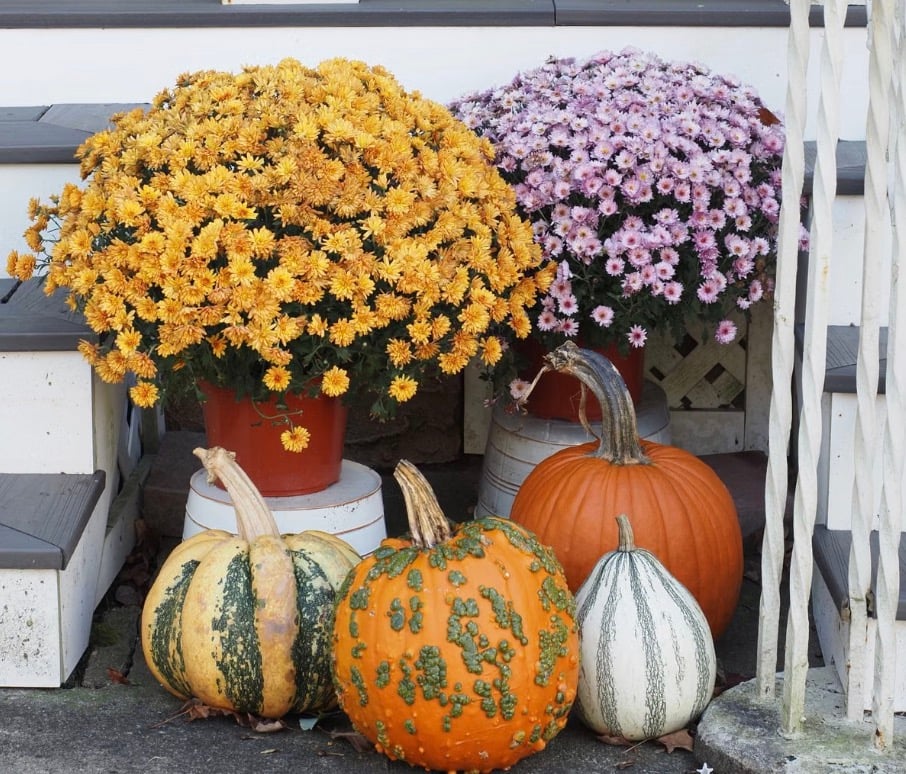
This autumn, when you're out securing your pumpkins and hay bales for the porch, don't forget to get some mums as well.
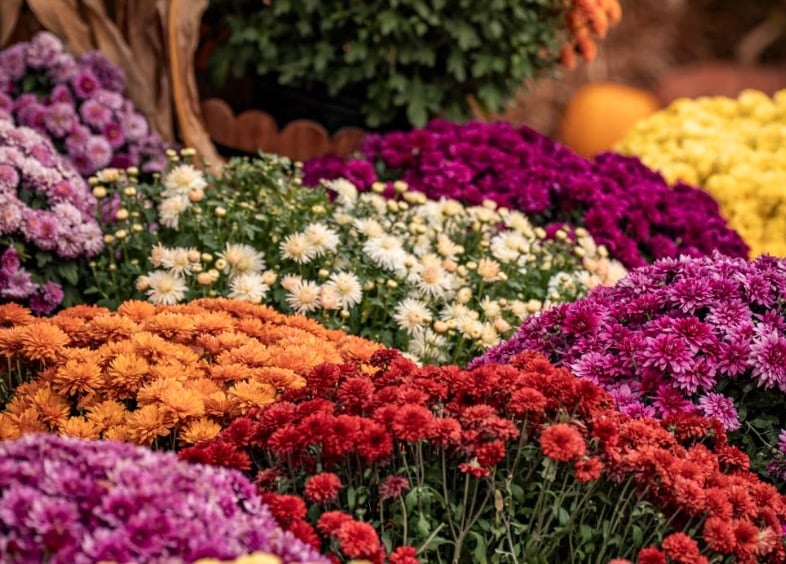
There’s a moment every September when the air has that first hint of crispness and suddenly every garden center in town is overflowing with cushiony domes of orange, burgundy, and gold. That’s mum season — and it might just be the most reliable sign that fall has officially begun.
Chrysanthemums, affectionately shortened to “mums” have earned their spot as the reigning flower of autumn. Here’s exploration into why deserve their status as the go to fall flower, how to keep them thriving, where to find the best ones and some surprising history behind this ancient bloom.
Why Mums Are Perfect for Fall
Most flowers are winding down by the time the leaves start turning, but mums are just getting started. They bloom in response to shortening daylight hours, which means they hit their peak exactly when everything else in the garden is fading. That timing alone makes them invaluable for extending color into October and even November.
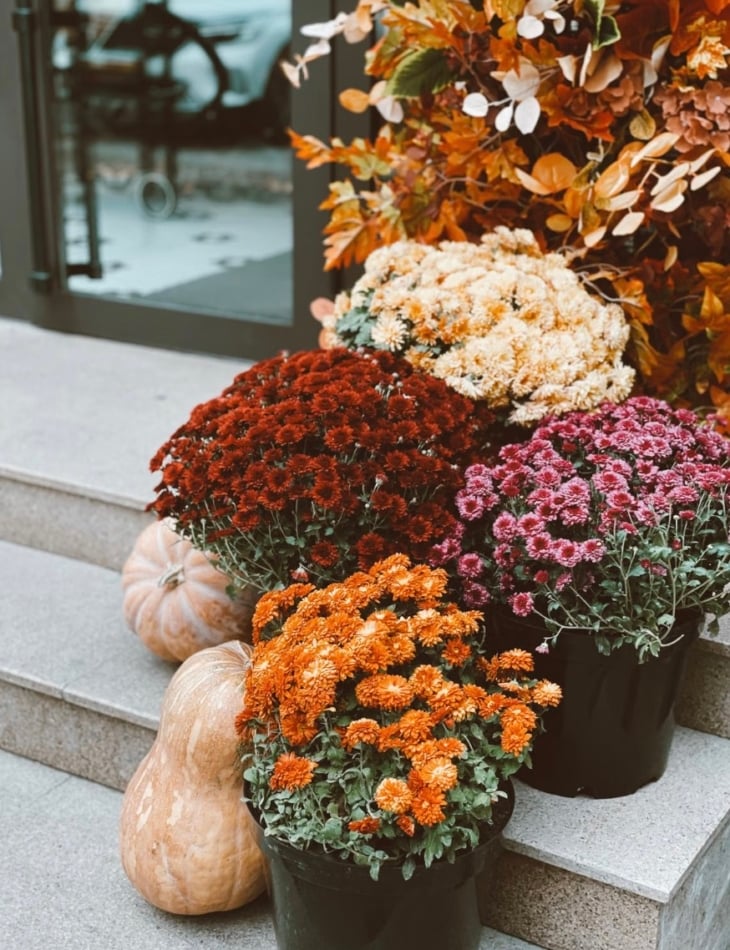
Their palette doesn’t hurt either. Mums come in nearly every shade of the autumn spectrum — deep rust, burnt orange, warm gold, wine red, and soft lavender — so they pair naturally with hay bales, pumpkins, and gourds on any porch display. They’re also tough. Garden mums can easily handle a light frost, giving them staying power well past the point when summer annuals have called it quits. And because they’re compact, full, and low-maintenance, they work equally well in garden beds, tucked into containers, or set out in a simple pot by the front door.
A Flower With a 2,500-Year Backstory
Mums aren’t a modern invention dreamed up for fall décor, they’re one of the oldest cultivated flowers in the world. Their story begins in China around the 15th century BCE, where small, daisy-like yellow blooms were grown both as an herb and as a key ingredient in a calming tea. In Chinese culture, the chrysanthemum became one of the revered “Four Junzi” or Four Noble Flowers, symbolizing nobility, integrity, and the quiet strength to endure hardship with grace.
The flower made its way to Japan in the 8th century, where it took on even greater significance. The Japanese imperial family adopted the chrysanthemum as its official seal, a tradition that continues today, and the country’s highest honor for individual merit is still called the Order of the Chrysanthemum. Japan even holds a National Chrysanthemum Day, one of five sacred festivals, celebrating the flower as a symbol of autumn, harvest, and long life.
Chrysanthemums didn’t reach Europe until the 17th century, and America followed in the 18th. Once here, they picked up new meanings sympbolizing friendship, optimism, and abundance. Eventually mums became the official birth flower of November. The name itself comes from the Greek words for “golden flower” a nod to those original sunny blooms that started it all.
Where to Buy Mums
Mums are about as easy to track down in fall as pumpkins. Garden centers and local nurseries typically carry the widest selection and the healthiest plants, since they’re grown specifically for the season. Farmers markets and roadside farm stands are another great option, especially if you’re hoping to support a local grower. Big box hardware and grocery stores stock them too, which is convenient, but the plants there tend to move fast and can dry out on the shelf, so give them a close look before buying.
Whichever route you take, choose plants with plenty of unopened buds rather than ones already in full bloom, you’ll get weeks more color out of them. Look for rich, deep-green foliage with no yellowing or wilting, and check that the soil is moist, not bone-dry or soggy.
How to Care for Your Mums
Once you’ve got your mums home, a little attention goes a long way:
Sunlight: Mums need at least six hours of direct sun a day to bloom their best. Shade will leave them leggy and sparse.
Watering: Water thoroughly, aiming at the soil rather than the flowers themselves, and let the top of the soil dry slightly between waterings. Potted mums dry out fast, so check them daily — they wilt quickly when thirsty but hate sitting in soggy soil just as much.
Deadheading: Snip off spent blooms as they fade. It keeps the plant looking tidy and encourages it to keep producing new flowers.
Planting in the ground: If you’re adding mums to a garden bed rather than keeping them potted, space them 18 inches apart for good air circulation, plant them at the same depth they were growing in their pot, and top with a few inches of mulch.
Overwintering: This is where hardy garden mums earn their keep. If you want yours to return next year, leave the dead foliage in place through winter (it insulates the roots) and hold off on pruning until new growth appears in late spring. In especially cold climates, a thick layer of mulch (four to six inches) helps ensure they survive to bloom again.
A Few Fun Facts to Impress Your Neighbors
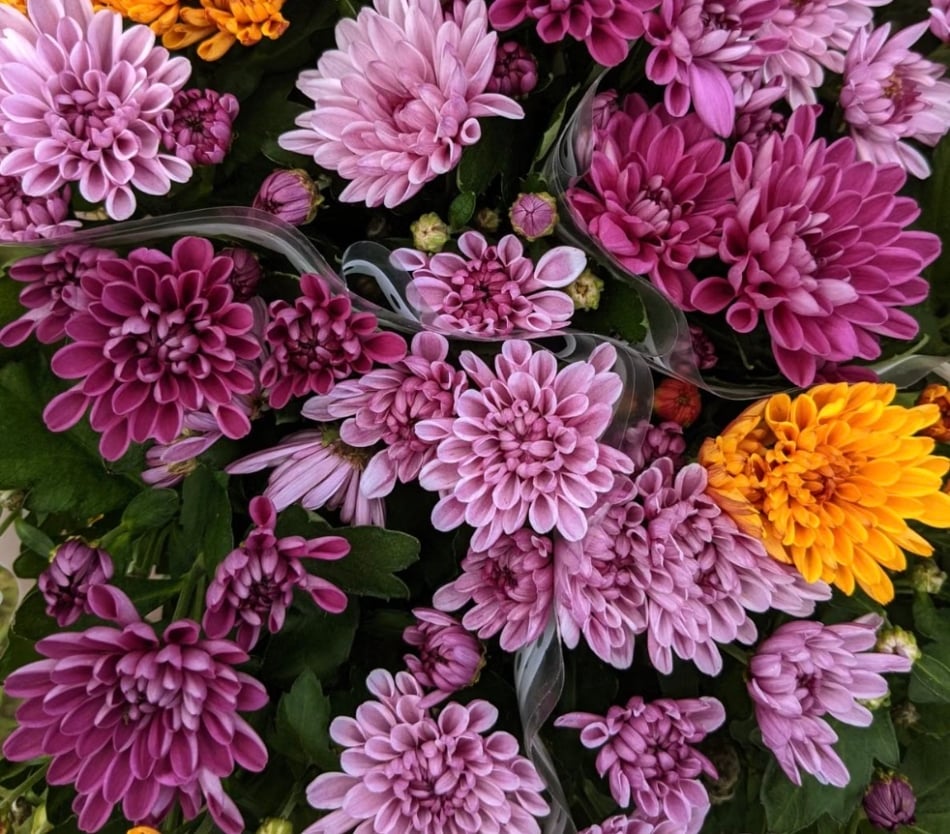
Mums aren’t just easy on the eyes, they’re historically and botanically fascinating. There are more than 40 species and thousands of cultivated varieties, ranging from classic daisy-shaped blooms to spidery, pompon, and quill-petaled forms. Chrysanthemum tea remains a popular beverage across Asia, prized for its light floral flavor and its traditional use in soothing digestion and inflammation. And if you’ve ever wondered how mums earned a reputation as air purifiers, they were among the plants highlighted in NASA’s research into houseplants that help filter indoor air.
So this autumn, when you’re out securing your pumpkins and hay bales for the porch, don’t forget to get some mums as well. Few flowers carry this much history, resilience, and color into the last warm days of the year.


- Farmers' Almanac Staff

- Farmers' Almanac Staff
- Farmers' Almanac Staff
- Farmers' Almanac Staff