Shhhhh, Here’s A Few Banana Bread Secret Ingredients That Will Make You Next Loaf Your Best Loaf

When it comes to easy to bake crowd pleasing recipes that utilize languishing produce there is none better than banana bread. For many young bakers, banana bread was their first success story, pulling a freshly baked loaf from the oven and delighting in cutting it up warm and presenting it with pride to their mothers and fathers. Moist, rich and easy, banana bread reigns supreme when it comes to homemade comfort baked goods and there a few ingredients that you may not be including in your recipe that can take it from solidly yummy to resplendently tasty.
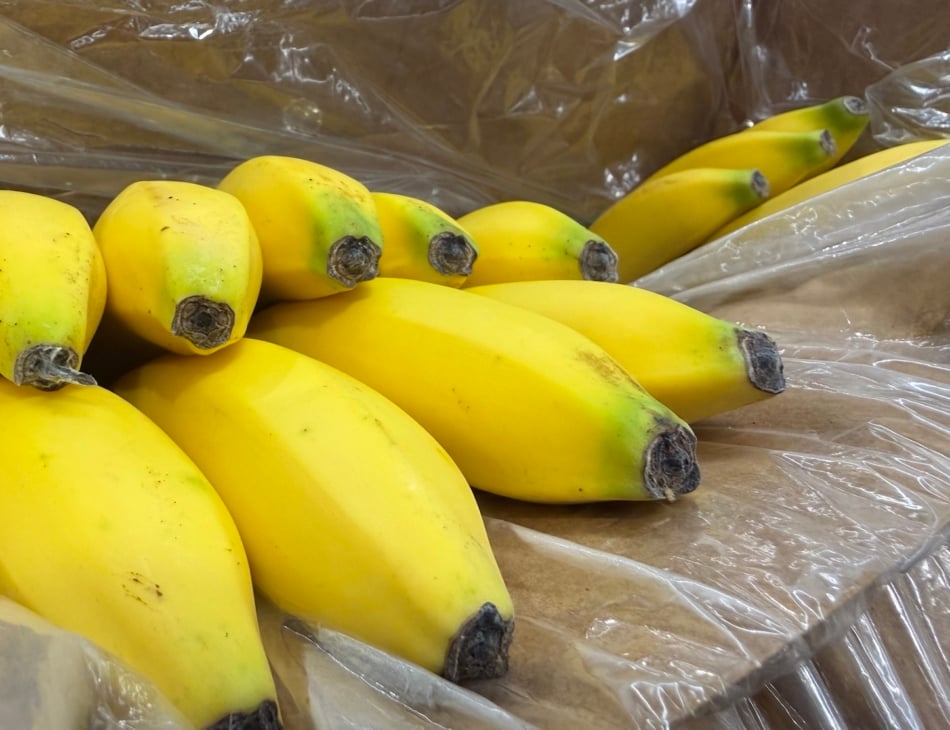
Bananas are a staple in today’s grocery aisles, but their ubiquity is a surprisingly modern phenomenon. For most of the 1800s, bananas were a rare luxury in America, available only in small quantities and at high prices. The challenge lay in the fruit’s biology: bananas ripen and rot extremely quickly once picked. Ship captains struggled to solve the logistical puzzle of transporting such a perishable cargo across long ocean voyages and it wasn’t until advances in steamship speed, improved shipping routes, and the development of early cold-chain techniques in the late 19th century that bananas began arriving in American ports in larger, more reliable shipments. This turnaround set the stage for the banana’s rise from an exotic curiosity to a normal household fruit, eventually becoming one of the most consumed fruits in the country.
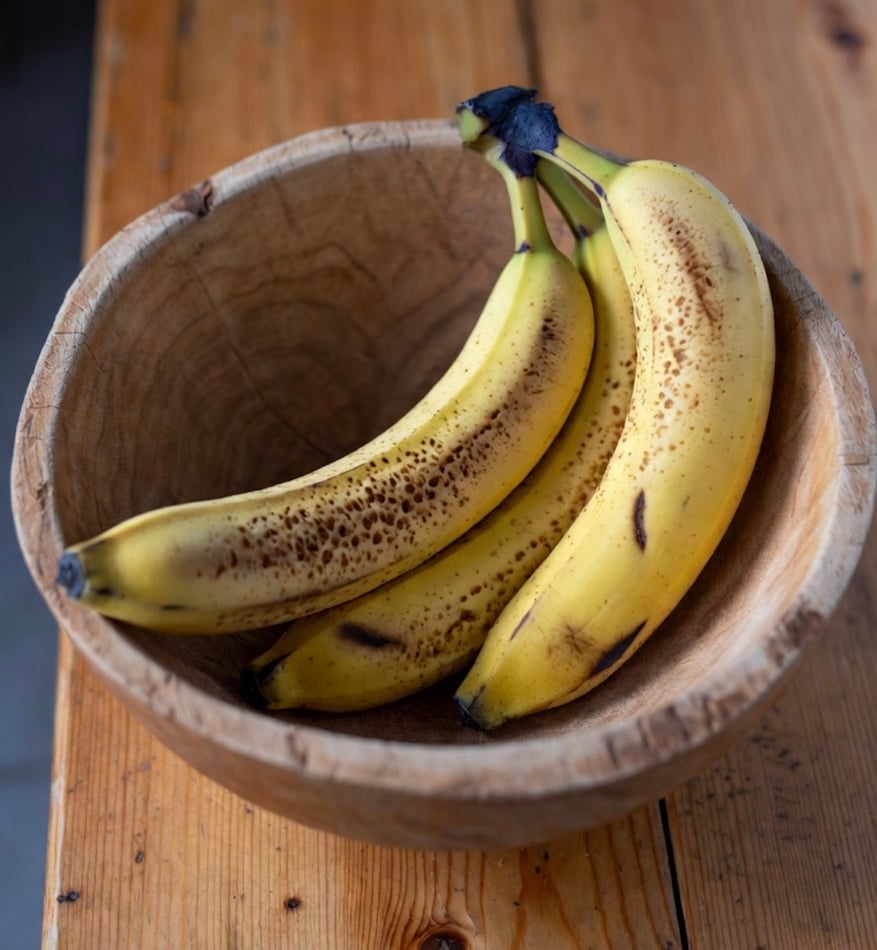
Banana bread’s rise to household staple status tracks closely with two 1930s trends: the Great Depression’s push to avoid food waste, and the mass availability of chemical leaveners like baking powder and baking soda. As bananas became more common in American homes, so did the problem of overripe fruit. Rather than tossing blackened bananas, resourceful cooks mashed them into batters, using their natural sweetness and soft texture to stretch ingredients and reduce waste.
At the same time, companies began mass-producing baking powder and baking soda, making these reliable leavening agents widely accessible for the first time. This technological shift enabled a wave of “quick bread” recipes, loaves leavened without yeast, that were fast, forgiving, and ideal for home bakers.
Cookbook authors and food companies quickly capitalized on the trend, releasing banana bread recipes that cast mashed bananas as the central ingredient. By the early 1930s, these recipes were appearing in influential cookbooks, including one issued by the American milling giant Pillsbury. Though modest in sugar and fat, reflecting the economic constraints of the Depression years, they established the essential template for the moist, sweet loaf that would become an enduring American classic.
Today’s banana bread recipes run the gamut but mainly rely on these timeless ingredients: overripe bananas, flour, sugar, eggs, butter or oil, and a leavener such as baking soda or baking powder. Once you have your basic ingredients covered you may want to experiment with a few additional secret additions that will have folks surreptitiously pulling you aside and whispering….“what the heck did you put in this, it’s the best I’ve ever had.”
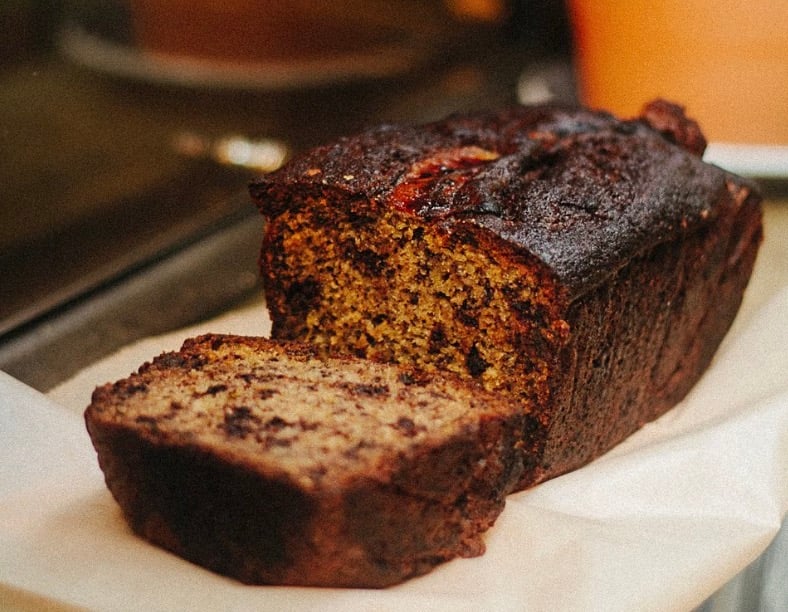
Many bakers swear by secret ingredients, often pantry staples you’d never think to add, that transforms ordinary banana bread into something out of this world. Here a few of our personal favorites:
Moisture and Texture Enhancers:
- Sour cream or Greek yogurt: Adds rich fat and tanginess while keeping the crumb soft and tender.
- Buttermilk: Reacts with baking soda to give the loaf a higher, lighter rise.
- Mayonnaise: Acts as a hidden baker’s trick; the oil and vinegar content creates an exceptionally moist texture without altering the flavor.
- Instant vanilla pudding mix: Used by some bakers to yield a dense, bakery-style softness.
Flavor Boosters
- Super overripe/blackened bananas: The single most important element; the blacker the peel, the higher the natural sugar and intense banana aroma.
- Brown butter: Replaces standard melted butter to introduce a deep, nutty caramel flavor.
- A splash of bourbon or rum: Enhances the underlying sweetness and adds warmth to the spice profile.
- Cardamom or ground nutmeg: Complements the natural eugenol compounds in ripe bananas to amplify the fruit flavor.
How To Quickly Ripen Bananas For Banana Bread


- Farmers' Almanac Staff

- Farmers' Almanac Staff

- Farmers' Almanac Staff
- Farmers' Almanac Staff