August Fog and Winter Snow: The Old Folklore Behind “Beans in a Jar”
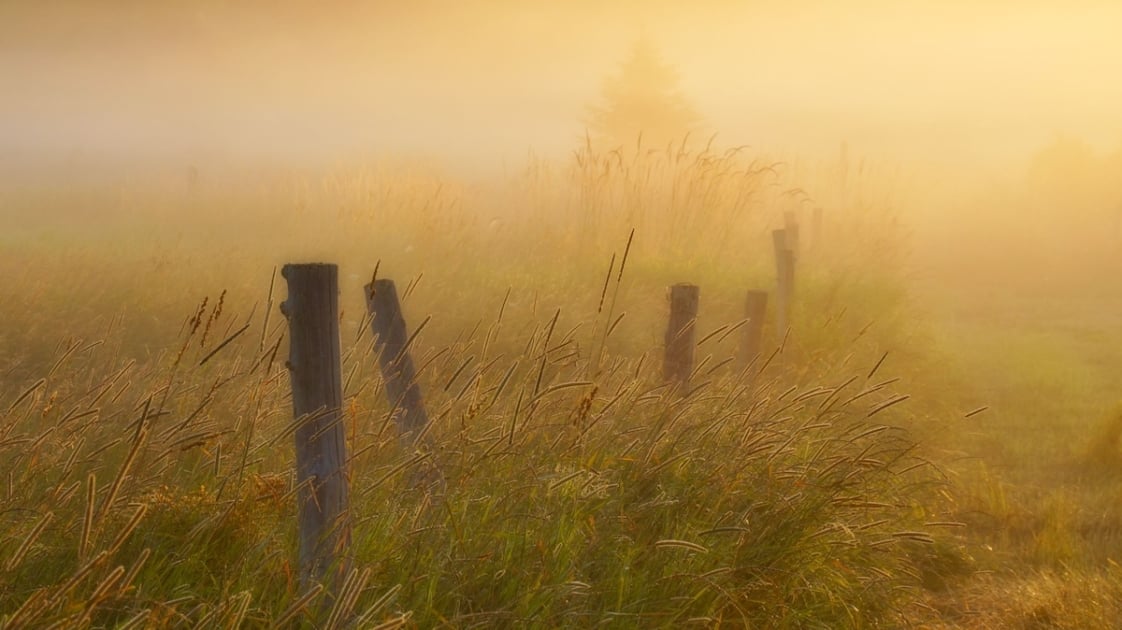
According to an old weather saying, every foggy morning in August foretells a snowfall during the coming winter. Here is the history behind this beloved tradition—and how to keep your own August fog count.
Before weather satellites, radar, and forecasts delivered directly to our phones, people watched the natural world for signs of the seasons ahead.
They observed the height of hornets’ nests, the thickness of corn husks, the behavior of squirrels, the abundance of acorns, and even the stripes on woolly bear caterpillars. Nearly everything in nature was thought to carry a message for those patient enough to notice.
One of the most enduring pieces of late-summer weather folklore involves the misty mornings of August:
“For every fog in August, there will be a snowfall the following winter.”
In parts of Appalachia, the custom became known as “Beans in a Jar.”
What Is the August Fog Tradition?
The basic rule is wonderfully simple: Look outside each morning during August and count every fog.
For each foggy morning, place one bean in a jar. When August ends, count the beans. According to the old tradition, the number of beans in the jar represents the number of snowfalls that can be expected during the coming winter.
Twelve foggy mornings would mean 12 snows. Twenty foggy mornings would foretell 20.
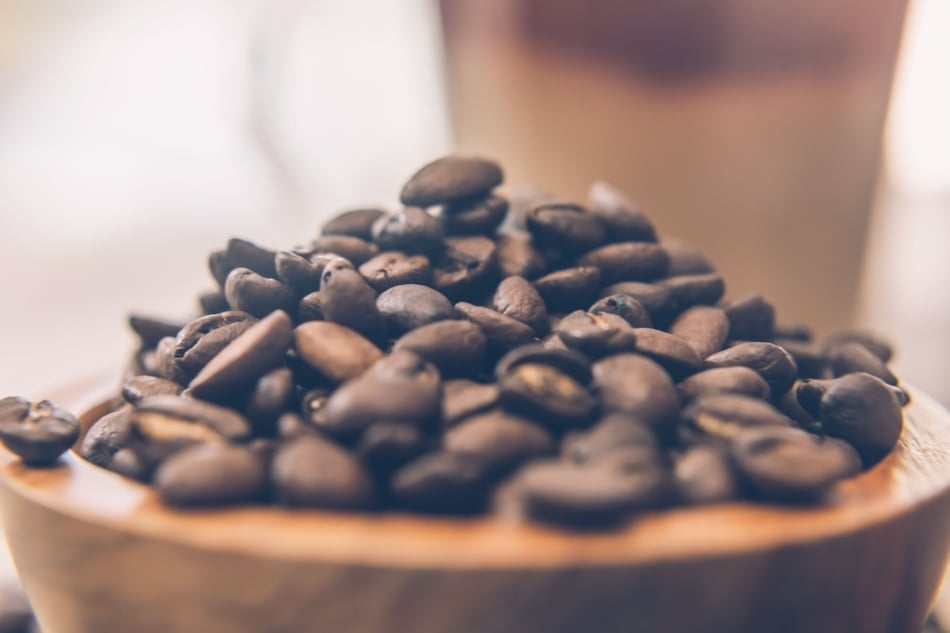
Some families simply made a mark on the calendar or cut a notch into a piece of wood. Others used kernels of corn, buttons, pebbles, coins, or dried beans—whatever happened to be close at hand.
In the Appalachian version, the size of the bean could carry an additional meaning:
- A small bean represented a light fog and predicted a light snow.
- A large bean represented a thick fog and predicted a heavier snowfall.
Some people used pennies for light fogs and quarters for heavy fogs. When winter arrived, they removed a bean or coin from the jar after each snowfall. A light snow used up a small bean, while a deep snow removed a large one.
Where Did the Saying Come From?
Like many old weather sayings, the exact birthplace of the August fog tradition is difficult to identify.
Weather lore was usually passed from parent to child, neighbor to neighbor, and farmer to farmer. The sayings changed slightly as they traveled, taking on the language and customs of each community.
Richard Inwards, a fellow of the Royal Meteorological Societyweather, described this process in his historic collection Weather Lore. He wrote that many weather rules remained unregistered for generations, passing “from mouth to mouth” and changing according to local speech while keeping the same general meaning.
The connection between autumn fog and winter snow appears in older European weather lore. One traditional Yorkshire saying declared:
“Much fog in autumn, much snow in winter.”
That version was recorded in Inwards’ collection alongside weather sayings from England, Scotland, continental Europe, and the United States.
The American version became more closely tied to August. In the 1893 edition of Weather Lore, which included sayings collected in the United States, two familiar rules appeared:
“So many August fogs, so many winter mists.”
And:
“A fog in August indicates a severe winter and plenty of snow.”
Weather Lore was first published in 1869. Its expanded 1893 edition included additional American sayings collected through the United States Signal Service, an early predecessor of the modern National Weather Service.
These written examples show that the association between August fog and winter weather was already well established in the 19th century. The belief was probably older still, having circulated orally long before anyone thought to preserve it in a book.
How the Tradition Took Root in Appalachia
The August fog count became especially popular throughout the Appalachian Mountains, including western North Carolina, eastern Tennessee, Virginia, West Virginia, Kentucky, and neighboring mountain communities.
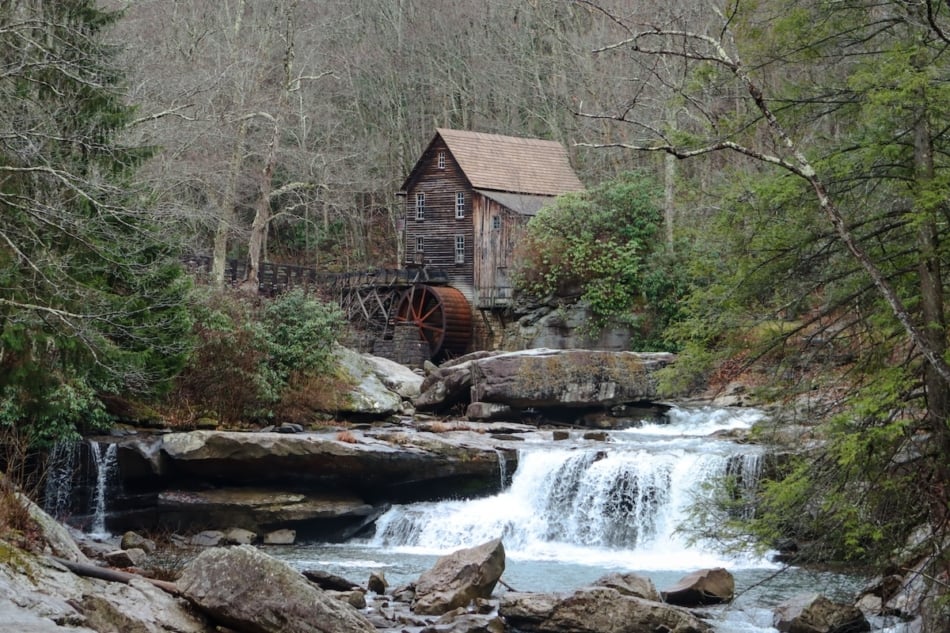
The landscape was well suited to the tradition. On late-summer mornings, fog often settles into mountain hollows and river valleys, wrapping barns, fields, and wooded slopes in a pale gray blanket.
Families living in the same hollow for generations became familiar with the appearance of their local fog. They knew the difference between a faint mist along the creek and a heavy fog that swallowed the mountaintops.
In western North Carolina’s High Country, some families still call August “Beans in a Jar Month.” The count is traditionally made at approximately the same time and from the same location every morning. The resulting prediction applies to that particular farm, hollow, or valley—not necessarily to the entire county or region.
Some Appalachian families say the practice carries traces of Native American seasonal observation combined with the customs of European settlers and generations of mountain farmers. As with much oral folklore, these different streams of knowledge became intertwined over time, making it difficult to separate one single point of origin.
What remains is a distinctly American mountain tradition built around careful observation, family memory, and preparation for winter.
Why Farmers Watched for Signs of Winter
For earlier generations, predicting winter was more than an entertaining pastime.
A snowy winter affected how much firewood needed to be cut, how much hay should be stored, when livestock might need shelter, and how difficult it would be to travel between farms and villages.
A farmer expecting frequent snow might fill the woodshed higher, preserve more food, repair the barn roof, or set aside additional feed for the animals.
Weather lore gave rural families a way to organize the signs they saw around them. No single sign stood alone. The August fog count might be considered alongside the height of ant hills, the location of hornets’ nests, the abundance of nuts, and the early behavior of birds and animals.
The natural world became a kind of living almanac.
Variations of the August Fog Rule
The tradition changes depending on the family and location.
Some versions say that every August fog represents one snowfall. Others count only heavy morning fogs. A few distinguish between snow showers, measurable snowfalls, and major storms.
Another version says the date of an August fog offers a clue about the timing of winter weather. A fog on August 10, for example, might be remembered as a sign of snow around the 10th day of a winter month.
An older American rule recorded in the 19th century instructed people to note the date of August’s first heavy fog and expect a hard frost on that same date in October.
Other traditional August sayings include:
“If the first week in August is unusually warm, the winter will be white and long.”
“As August, so the next February.”
“A cold August after a hot July foretells a winter hard and dry.”
Together, these sayings reflect the old belief that late summer quietly reveals what winter has in store.
Start Your Own Beans-in-a-Jar Tradition
To keep your own August fog count, place a jar near a window where you will see it each morning.
Beginning August 1:
- Check the same outdoor view at approximately the same time each morning.
- Add one bean whenever fog is present.
- Use different-sized beans for light and heavy fogs, if desired.
- Write the date of each fog in a notebook or on a calendar.
- Count the beans on August 31.
- During winter, remove one bean after each corresponding snowfall.
You may also want to photograph the fog or record how thick it appeared. Over time, the notebook can become a family weather journal filled with local observations, winter memories, and stories to pass down.
A Jar Filled With More Than Beans
The beans-in-a-jar tradition is about more than counting fog or anticipating snow.
It invites us to step outside early in the morning, look across the yard, notice the air, and pay attention to the slow turning of the seasons.
That was the heart of traditional weather wisdom. People did not merely glance at the sky. They studied the same fields, streams, trees, and hillsides throughout their lives. Their observations became sayings, and the sayings became traditions.
So keep a jar handy this August.
Every time the morning fog settles over the land, drop in another bean—and imagine the snowflakes that old weather lore says may follow.
How many foggy mornings have you counted this August? Tell us in the comments—and remember your final number when the first snow begins to fall.


- Farmers' Almanac Staff

- Farmers' Almanac Staff

- Farmers' Almanac Staff
- Farmers' Almanac Staff