

The Next Lunar Eclipse: When the Red Moon Returns
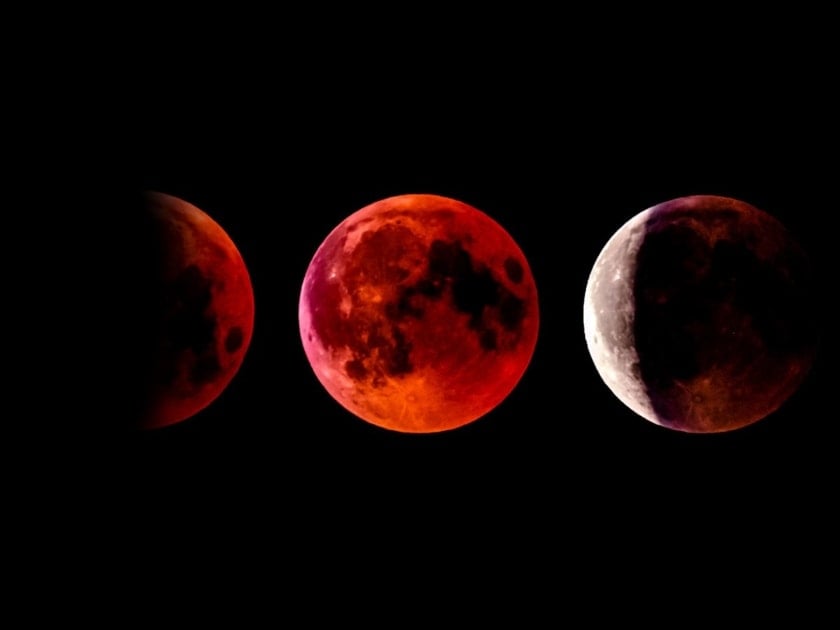
Quick Reference: Lunar Eclipses
- Frequency: 2-3 lunar eclipses per year. Total eclipses (red moon) about once per year.
- Why red: sunlight refracts through Earth’s atmosphere and bends red light onto the moon.
- Visibility: the entire night side of Earth at the moment of eclipse.
- Duration: totality lasts 1-2 hours; the whole event 3-5 hours.
- 2026 total lunar eclipses: March 3, 2026 (Pacific and Americas) and August 28, 2026 (Asia, Australia).
A total lunar eclipse, also called a blood moon, happens when Earth passes between the sun and the moon and casts a deep red shadow on the full moon. Unlike solar eclipses, which require you to be in a narrow path of totality, lunar eclipses are visible to everyone on the night side of Earth at the time of the event. Here is when the next total lunar eclipses happen and what causes the red color.
What Causes the Red Color
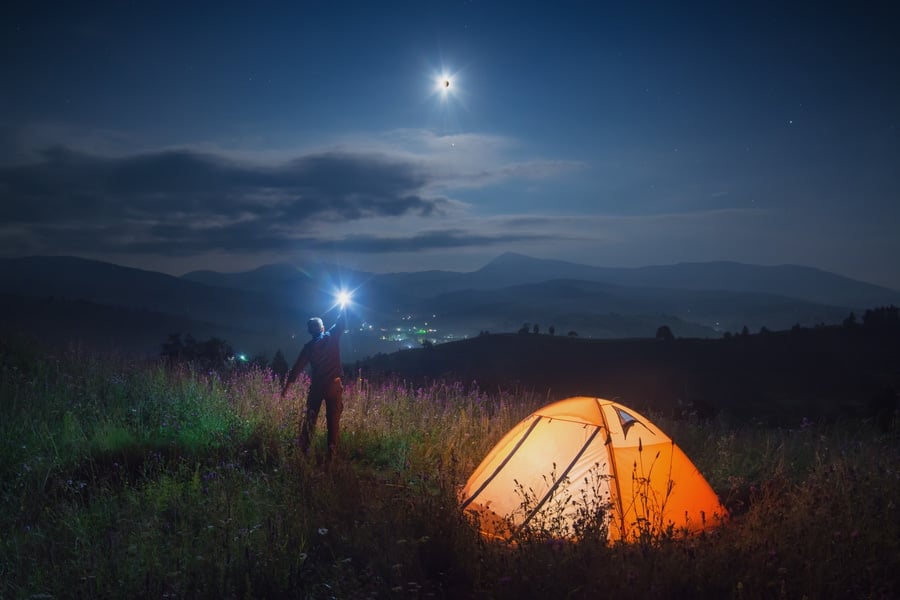
During a total lunar eclipse, the moon enters Earth’s shadow (the umbra). The shadow itself isn’t black, because Earth’s atmosphere refracts sunlight and bends red wavelengths into the shadow zone, illuminating the eclipsed moon in deep red and copper colors. The phenomenon is essentially every sunrise and sunset on Earth, projected simultaneously onto the moon.
The exact shade of red depends on conditions in Earth’s atmosphere. Volcanic activity, dust, and clouds can make some eclipses much redder than others. The Almanac’s archives include eclipse-color reports back to the 1800s, when volcanic eclipses were especially dramatic.
The 2026 Schedule
2026 has two total lunar eclipses.
- March 3, 2026: total lunar eclipse visible across the Pacific Ocean, the Americas, and western Europe. Best viewing in the US is the early morning of March 3 (overnight from March 2).
- August 28, 2026: total lunar eclipse visible across Asia, Australia, and the western Pacific. Not visible from the Americas.
How to See It
Unlike a solar eclipse, no eye protection is needed for a lunar eclipse. The moon at totality is dim enough that you can stare at it indefinitely.
Binoculars enhance the color richness; a telescope shows fine detail on the lunar surface. The naked eye is enough to see the full red color and the broader ‘blood moon’ effect.

Frequently Asked Questions
Is a lunar eclipse safe to look at?
Yes, totally safe with the naked eye. The eclipsed moon is much dimmer than a full moon. Binoculars and telescopes are also safe.
How often do total lunar eclipses happen?
About once per year on average. Partial and penumbral lunar eclipses happen 2-3 times per year.
What’s the difference between a partial and total lunar eclipse?
Total: the entire moon enters Earth’s shadow and turns red. Partial: only part of the moon enters the shadow.
When is the next total lunar eclipse in the US?
March 3, 2026, visible from the Americas in the early morning hours.



Joe Rao
Joe Rao is an esteemed astronomer who writes for Space.com, Sky & Telescope, and Natural History Magazine. Mr. Rao is a regular contributor to the Farmers' Almanac and serves as an associate lecturer for the Hayden Planetarium in New York City.

This article was published by the Staff at FarmersAlmanac.com. Any questions? Contact us at [email protected].
-
Farmers' Almanac Staff

-
Farmers' Almanac Staff

-
Farmers' Almanac Staff

-
Farmers' Almanac Staff



I’m excited March 14th is my birthday so I will be up watching this I have already set my alarm and going to be a great way to bring in my birthday!
Happy Full Moon Birthday!
um would have been cool if I had received this notice before june 4th at 7:08 pm
today is the 24th of May 2022,i just received this email today so I missed it by 9 days. need to get your emails sent out a lot earlier.
So strange, I received it on June 3rd.?
This is soooo super cool!!!! Thanks so much for sharing this with those of us that find this so fascinating. Our God is an awesome God and his creations are so magnificent. We should be focusing on beautiful & positive things like this and work daily to make our majestic earth the absolute best place it can be. Let’s all work on that.
lets ALL join together to clean up our cities, countryside, our state & National Parks. Our oceans are becoming SO polluted, we MUST ALL protect them for the beautiful mammals, fish, coral for our natural reefs, etc. Our generation MUST act quickly to save our precious resources for future generations!!!