Tire-Pressure Light Came On This Morning? The Cold May Be Why

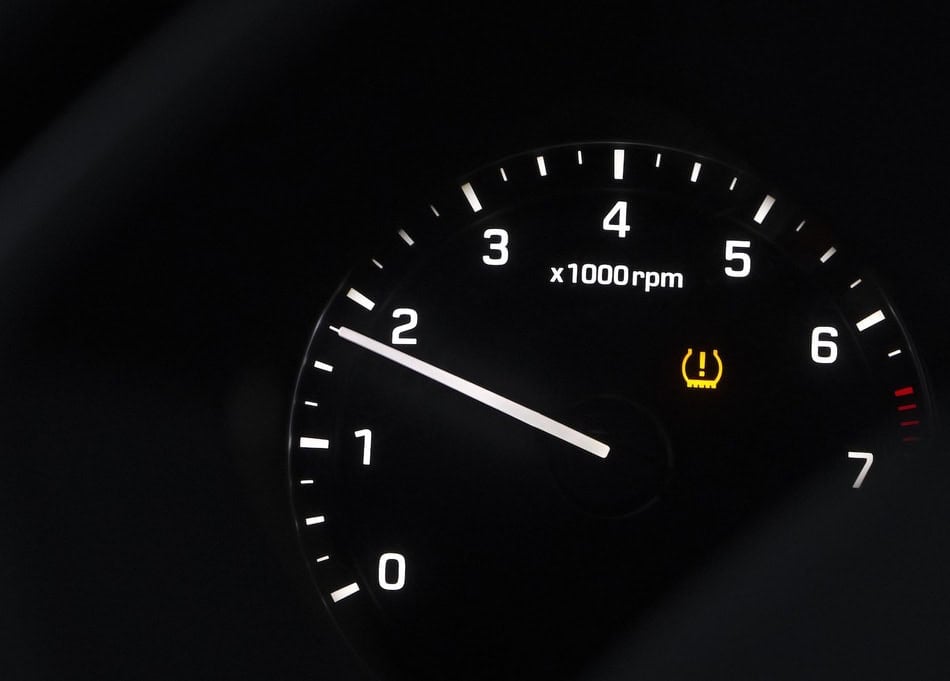
The first genuinely cold morning of fall can bring an unwelcome surprise before you even leave the driveway: the tire-pressure warning light is suddenly glowing on the dashboard.
Nothing seemed wrong yesterday. You haven’t run over anything. And after ten or fifteen minutes on the road, the light may disappear as mysteriously as it arrived.
That doesn’t necessarily mean the sensor is malfunctioning. Cold air can lower the pressure inside your tires enough to trigger the Tire Pressure Monitoring System, or TPMS. As the tires warm while you drive, the pressure rises again and the warning may switch off. NHTSA tire-safety guidance says this cold-morning pattern can happen when a tire is already marginally low and drops below the warning threshold overnight.
The important part is what happens next: even if the light goes away, check the tires.
Why the First Cold Morning Can Trigger the Light
Tire pressure changes with air temperature. According to AAA’s guide to temperature and tire pressure, a useful rule of thumb is that pressure falls about 1 PSI for every 10°F drop in temperature. So a warm 70-degree afternoon followed by a 40-degree morning could mean a tire reads roughly 3 PSI lower before you’ve driven anywhere.
That may not matter much if the tire started out at exactly the right pressure. But if it was already a few pounds low, that first sharp cold snap can be enough to push it across the warning threshold.
Driving reverses some of the effect. Tires flex and warm on the road, the air inside warms with them, and the pressure rises. That’s why the light can be on when you leave home and off by the time you get to work.
The warmer reading doesn’t erase the low one you had that morning. It just hides it temporarily.
What You Should Do When the Light Comes On
Check the pressure when the tires are cold, preferably before driving. NHTSA considers a tire cold when the vehicle hasn’t been driven for at least three hours. Use a gauge on all four tires rather than relying on how they look; a tire can be significantly underinflated without appearing obviously flat.
Don’t inflate the tire to the number molded into its sidewall. That is not the vehicle manufacturer’s recommended everyday pressure. Intead, find the recommended pressure on the tire-information label inside the driver’s door or doorjamb. That is the number to use.
If the tire is low, bring it back to the recommended cold pressure. And don’t add several extra pounds simply because winter is coming. As temperatures fall again, check the tires again.
One other common mistake: checking immediately after a drive, seeing a number above the door-jamb recommendation, and letting air out. Warm tires naturally read higher. If possible, make your final adjustment when the tires are cold.
Low Tire Pressure Can Cost You at the Gas Pump
This fall, there’s another reason to pay attention to a few missing pounds of air.
Underinflated tires create more rolling resistance, which means the engine has to use more energy to keep the car moving. The UU.S. Department of Energy fuel-saving guidance says keeping tires properly inflated can improve gas mileage by about 0.6% on average and as much as 3% in some cases. Proper inflation also helps tires last longer.
Normally, that might sound like a fairly modest savings. With gasoline expensive this fall, it’s a little harder to shrug off.
In early October, regular gasoline averaged about $4.35 per gallon nationwide, according to the U.S. Energy Information Administration. That was roughly $1.23 more per gallon than a year earlier.
Proper tire pressure isn’t going to transform your fuel bill. But if cold weather has already told you the tires need attention, there’s little reason to spend extra at the pump because they’re underinflated too.
It’s one of those rare bits of car maintenance that takes only a few minutes and can help with safety, tire wear, and fuel economy at the same time.
What If the Light Keeps Coming Back?
A cold snap can explain why several marginally low tires suddenly trigger the system. It shouldn’t become an excuse for a tire that repeatedly loses air.
If you inflate the tires correctly and one is noticeably low again a few days later, have it checked. A nail, leaking valve stem, damaged wheel, or another slow leak may be the real problem.
Pay particular attention if one tire consistently loses more pressure than the others. Temperature affects all of your tires, so one tire repeatedly falling behind is a clue that something else may be going on.
The same applies if you see a bulge, cut, embedded object, or tire that is visibly very low. At that point, don’t assume the weather is responsible.
If the Light Flashes, That Means Something Different
There’s one dashboard behavior worth distinguishing from an ordinary low-pressure warning.
If the TPMS light flashes for about 60 to 90 seconds when you start the vehicle and then remains on, NHTSA says that can indicate a malfunction in the monitoring system itself. The agency recommends having the system inspected.
A solid light that appears after a chilly night is different. Start by checking the actual tire pressures.
Consider It Your Car’s First Cold-Weather Reminder
The first cold morning of the season exposes all sorts of things we haven’t thought about since spring. The heavier coat comes out. The windshield needs scraping. And suddenly that little yellow tire symbol is staring back at you.
It may simply be the temperature doing what colder temperatures do. But that doesn’t make the warning meaningless.
Check the tires while they’re cold, bring any low ones back to the pressure listed on the doorjamb, and keep an eye on any tire that continues losing air. With winter approaching and gasoline costing considerably more than it did last fall, it’s a small job worth doing.

- Maggie Konrad

- Maggie Konrad
- Maggie Konrad
- Maggie Konrad