

13 Times Weather Changed History: Battles, Plagues, and Famous Moments
The Salem Witch Trials, Bubonic Plague, Mary Shelley's Frankenstein. See how the weather influenced these and other important historical events!
Quick Reference
- What this is: 13 moments in history where weather decided the outcome. Battles, plagues, songs, novels, and inventions all turned on a freeze, a wind, a fog, or a clear sky.
- Oldest example: The 6th-century Justinian Plague, set up by an African drought in 541.
- Most recent example: Hurricane Erin sitting off the New Jersey coast on the morning of September 11, 2001.
- Two recurring weapons: A surprise winter (Washington at the Delaware, Napoleon in Russia) and an uncooperative wind at sea (the Spanish Armada, Kublai Khan’s kamikaze).
- One literary side effect: The 1816 “Year Without a Summer” gave the world both Mary Shelley’s Frankenstein and the chill that inspired it.
Many important historical events have been shaped, and sometimes outright caused, by the weather. Sudden freezes, hurricanes, high winds, snowstorms, and clear skies have resurfaced roads at exactly the wrong moment, redefined attitudes, reformed sinners, and redirected military maneuvers. In short, weather has rearranged history. Here are thirteen of the most striking examples.

The Bubonic Plague
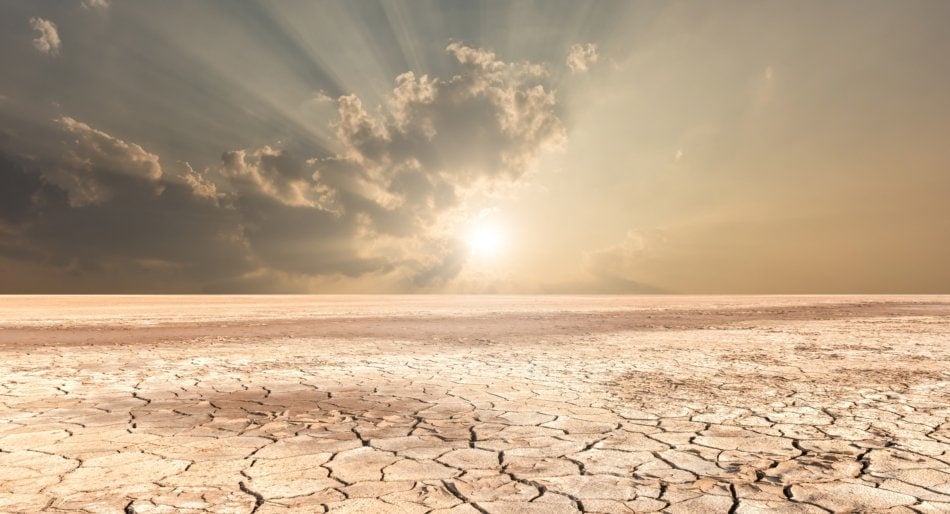
Said to have begun in the year 541, the first bubonic plague swept through the Roman Empire. Precipitated by a weather-related phenomenon eleven years earlier, the sun’s heat had been mitigated for some time, resulting in a drought in Africa that killed crops and upset the ecosystem. Small food-chain predators died without grain, and still larger ones perished without the smaller ones. A flooding period of rain eventually followed, reviving the small rodent population, but there were no larger predators to keep them in check. Africa was inundated with mice and gerbils carrying the plague, which they transported to Europe aboard merchant ships.
Washington’s Delaware Crossing
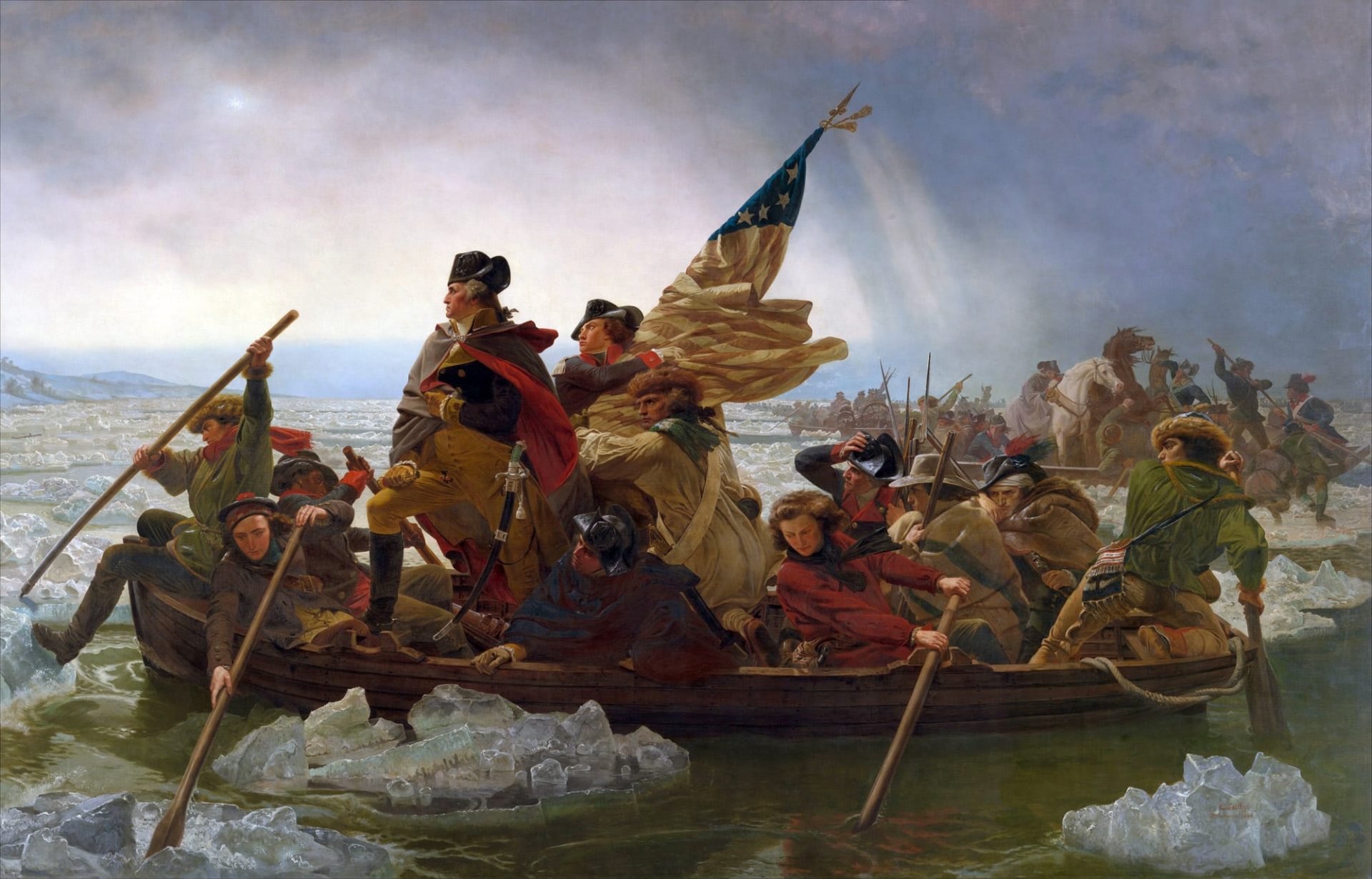
During the American Revolution, a bitter nor’easter turned Washington’s 300-yard crossing of the Delaware into a nine-hour feat with two men freezing to death in the process. Because of the storm’s frigid temperatures, the typically muddy roads on the other side had frozen solid, which let the Continental army move guns at speed. The ensuing nighttime attack on German mercenaries hired by the British, fast asleep following a reported lavish holiday dinner with ample drink, resulted in 1,000 prisoners who unwittingly exchanged warm blankets for cold bayonets. Had Washington arrived hours later, the results would not have been the same.
The Spanish Armada
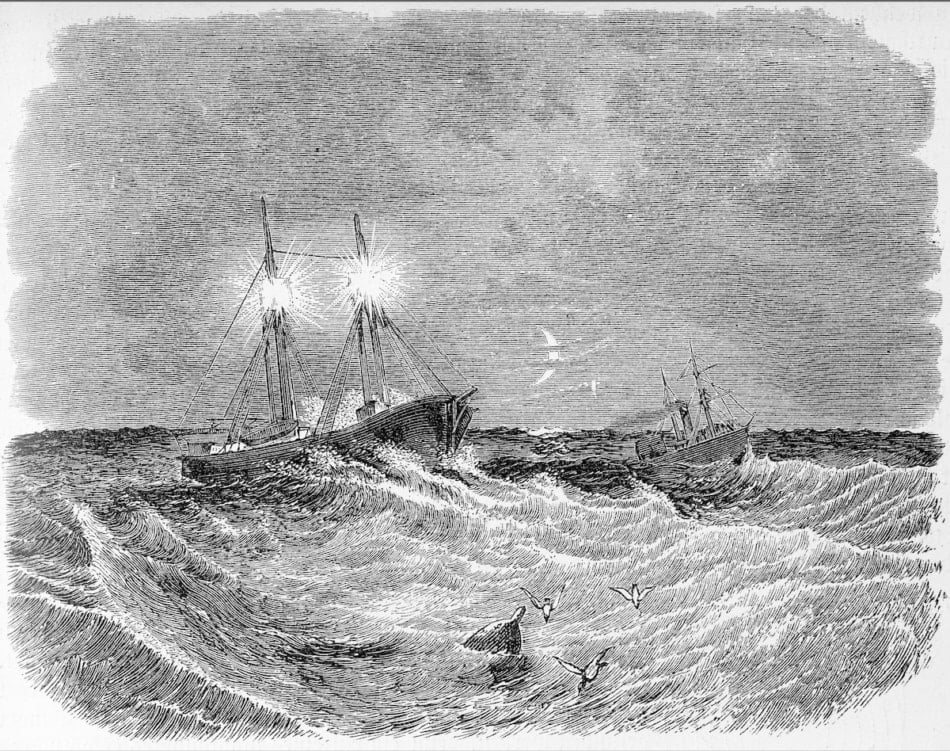
In 1588, the defeat of the Spanish Armada, called “one of the most decisive battles in Western history,” was attributed to uncooperative winds at sea. The Royal Navy under Drake harried the Spanish fleet, but it was the storm system known as the “Protestant Wind” that scattered the Armada off the coast of Ireland and Scotland and broke its return to home port. Spain’s bid to invade England never recovered.
The Salem Witch Trials
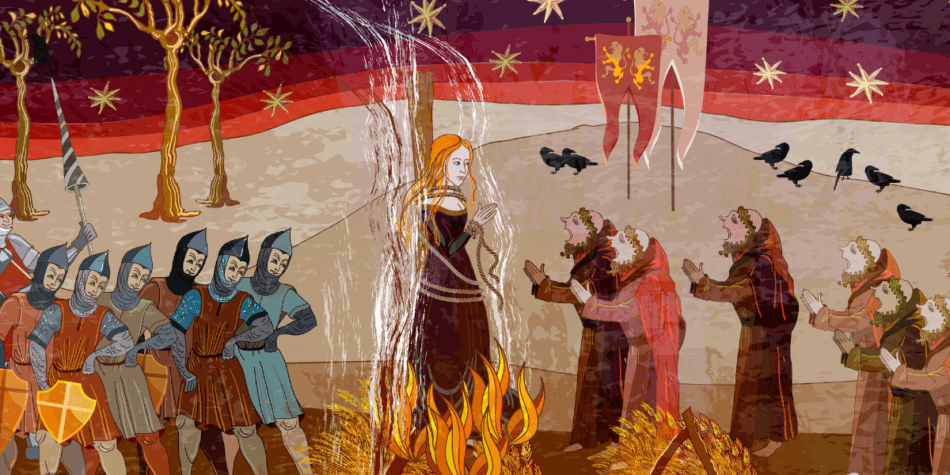
Historians studying European and Salem witch trials have found a correlation between peaks of prosecution and sequences of colder weather between 1560-74, 1583-89, 1623-30, and 1678-98, known as The Little Ice Age. According to records, the climate became more temperate and forgiving from 1730 onward, and so did attitudes. Cold-and-blame is one of the more persistent patterns in early modern European history, and the data on grain failures, witch executions, and population stress lines up surprisingly well.
Song: Amazing Grace
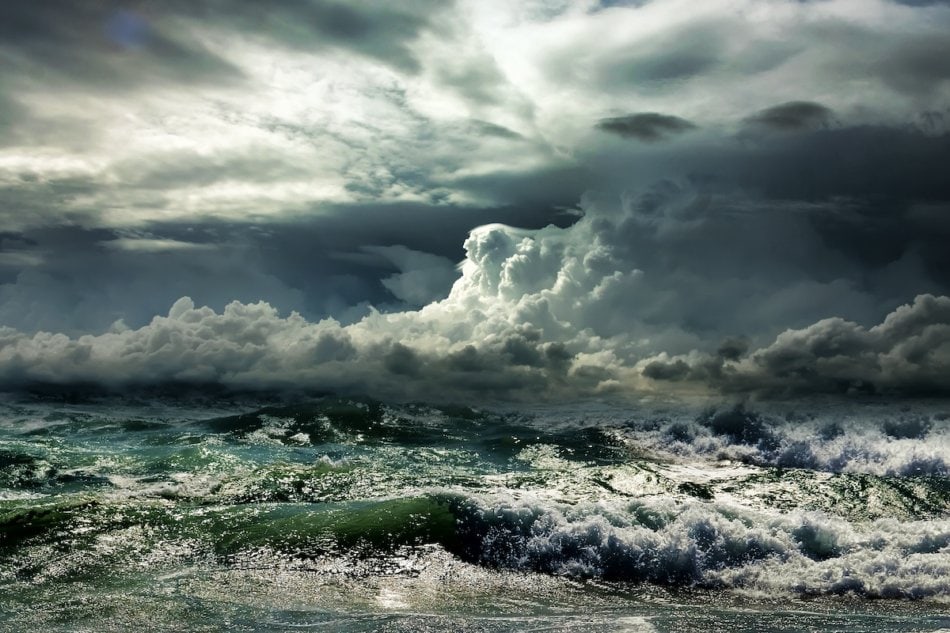
Celebrated for composing the lyrics to Amazing Grace, British slave-trade facilitator John Newton met his match in a violent storm at sea. Bargaining for his life, Newton promised to devote himself to service if he survived. He came through, and through years of study and persistent application eventually became a priest in the Church of England. While renouncing the slave trade took time, when he finally did Newton became an abolitionist, aiding his friend William Wilberforce, leader of the Parliamentary campaign to abolish slavery.
Napoleon’s Raid on Russia
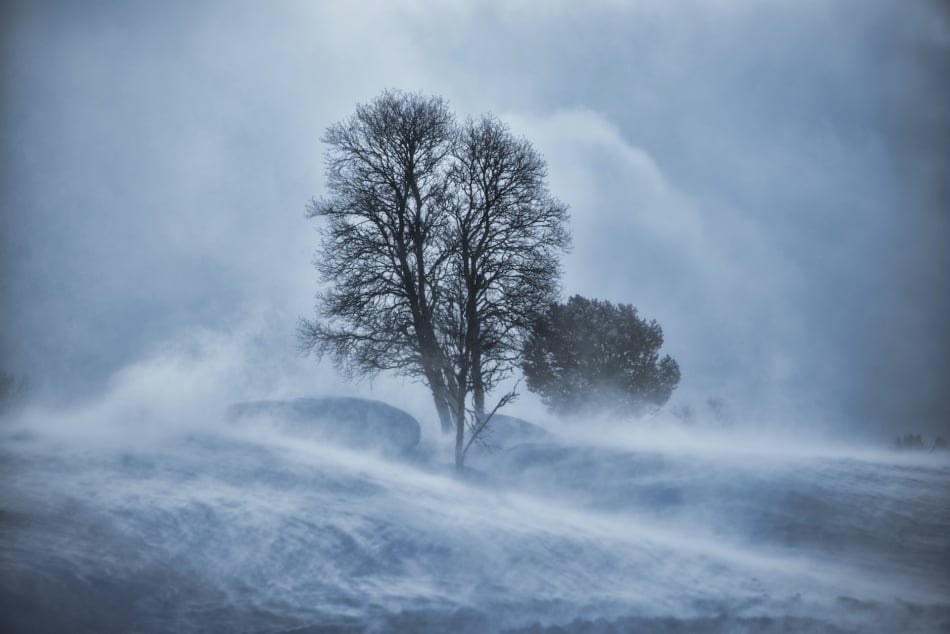
In 1812, Napoleon’s 600,000-strong army marched into Russia, capturing Moscow. Loaded with jewels, furs, and other spoils of war for their wives, they left during a typical Russian winter as the temperature plunged to below zero. In one 24-hour period, 50,000 horses were said to freeze to death, and soldiers succumbed to frostbite and starvation. This was the beginning of the end of Napoleon’s forces. Only 150,000 made it home.
The Hindenburg
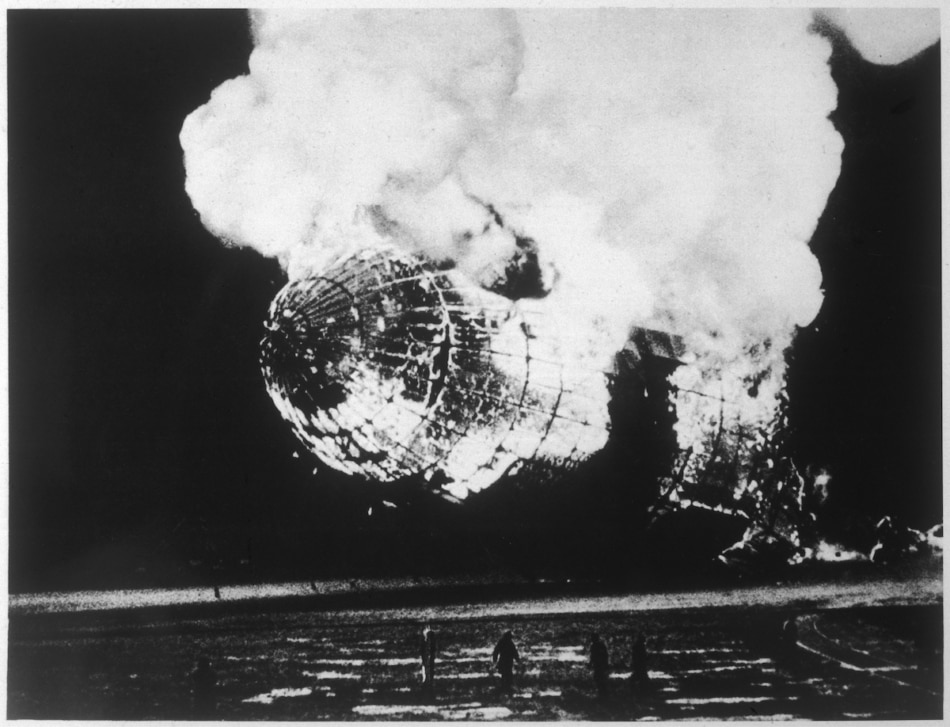
The 1937 crash of the Hindenburg at New Jersey’s Lakehurst Naval Air Station, originally attributed to a hydrogen explosion, has in more recent years been linked to severe weather in the area, including thunderstorms. A skin made of iron oxide coated with cellulose acetate was designed to protect the structure from moisture. Analysis has said the highly flammable material was tantamount to rocket fuel. The paint that covered the acetate was stiffened with combustible powdered aluminum. Circling for an hour due to the weather, the Hindenburg passed through rain clouds, negatively charging it. When the crew dropped the wet lines to dock, the lines acted as a ground. When the metal frame of the ship earthed its charge, the skin heated up and the flammable coating ignited. Within ten seconds most of the ship was ablaze, and within thirty-four seconds the Hindenburg was a burning mass. Its spectacular demise brought an end to a strong projected future for airships, which had also been used as bombers in World War I.
Mary Shelley’s Frankenstein
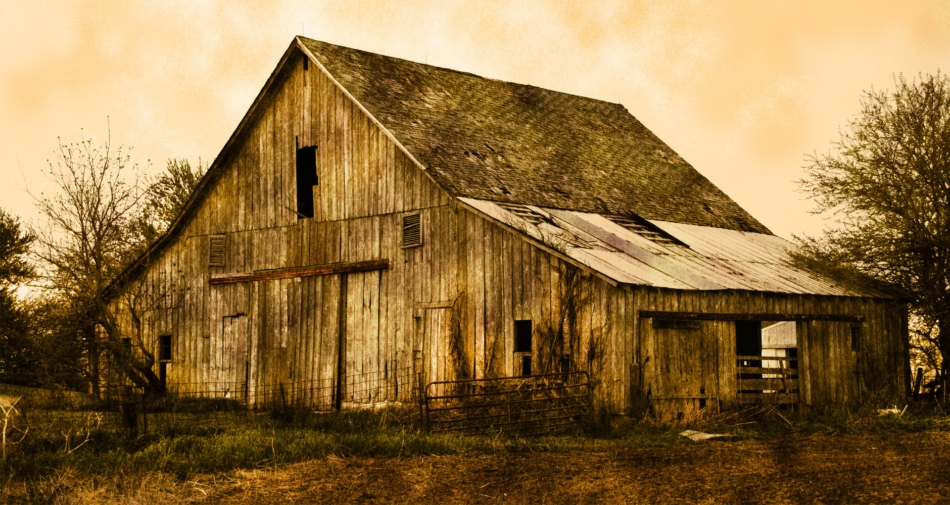
In June of 1816, eighteen-year-old Mary Godwin, soon to be Shelley, along with a group of friends, was visiting a villa in Switzerland. The friends spent three straight days indoors, thanks to the weather conditions of the “Year Without A Summer.” The eruption of Mount Tambora in Indonesia had filled the atmosphere with ash, causing subzero temperatures and massive food shortages all over the frighteningly cold northern hemisphere.
Switzerland was cold and foggy. The literary friends wanted to be entertained. It was Percy Shelley who suggested the friends have a contest to see who could write the best ghost story. Out of that challenge, young Mary Godwin wrote one of the most influential works in the history of literature, Frankenstein.
D-Day
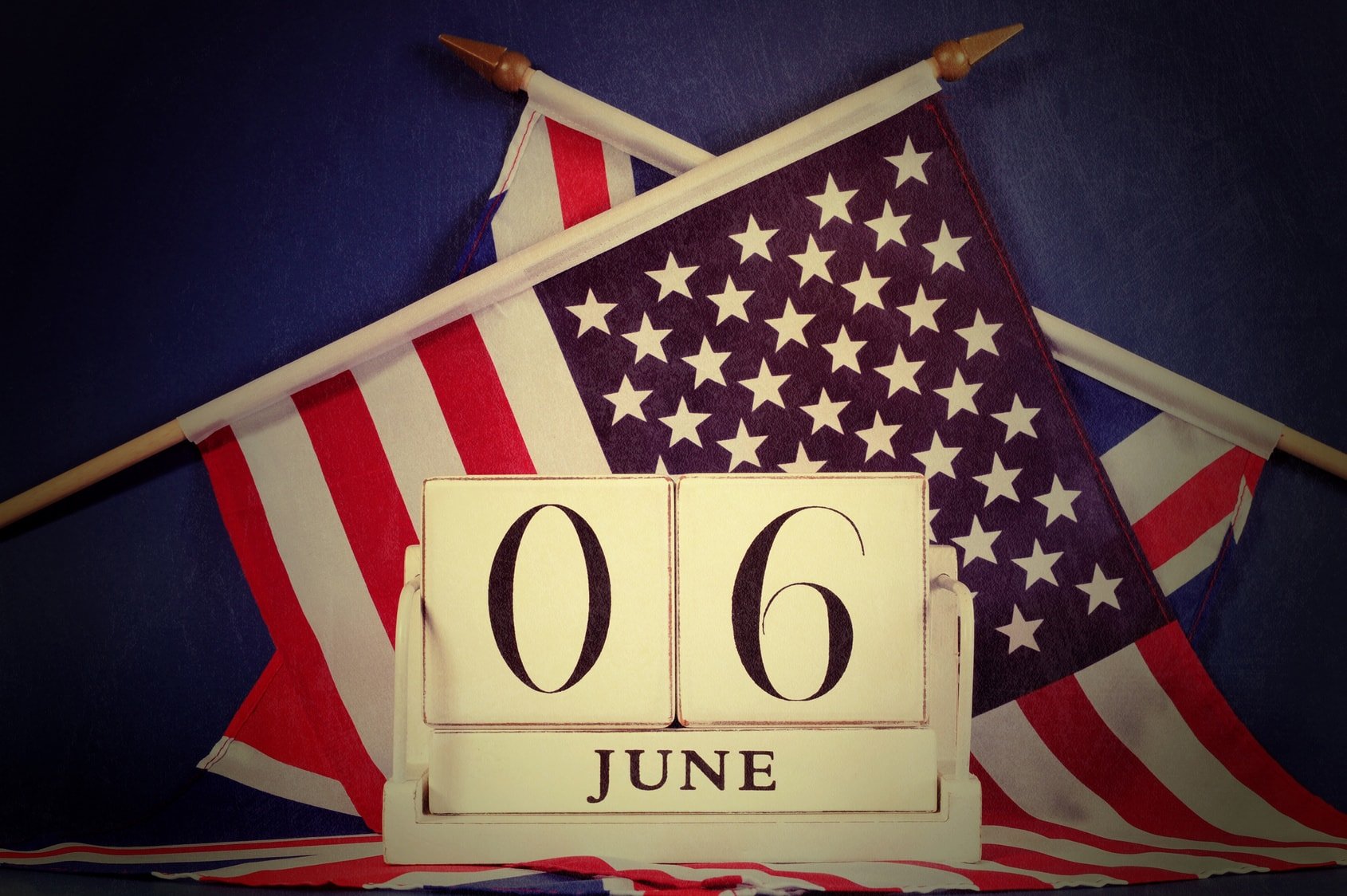
In 1944, D-Day was rescheduled from June 5 to the following day because Britain’s national weather service, the United Kingdom Meteorological Office, had predicted unfavorable wind direction and threatening clouds that could have hampered the invasion. The 24-hour delay sat on the shoulders of one chief meteorologist, Group Captain James Stagg, whose forecast for a brief weather window on June 6 became one of the most consequential calls in modern military history. The official UK Met Office record of the D-Day forecast still walks through the maps Stagg used.
Kublai Khan
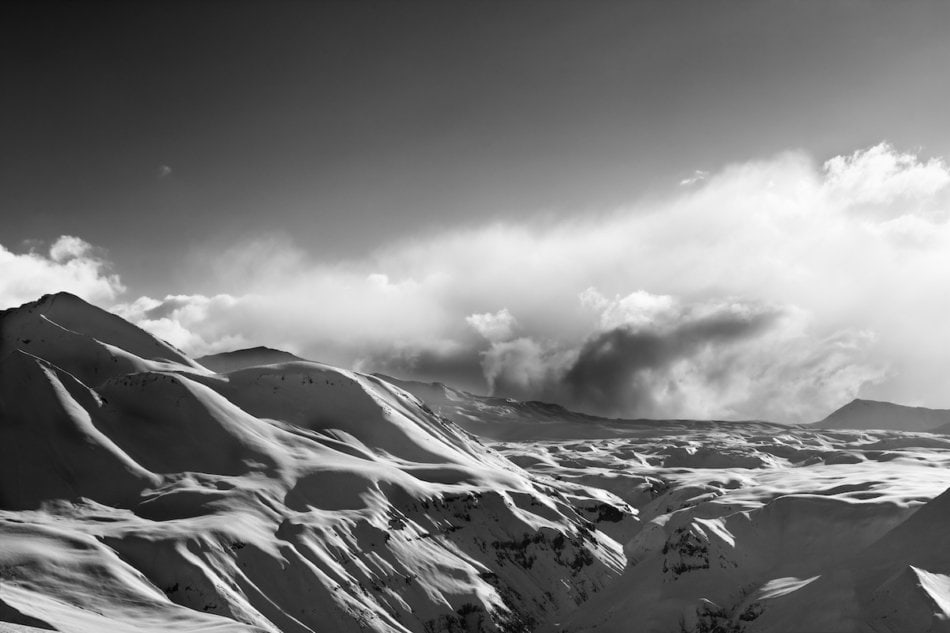
In the 13th century, Mongolian empire leader Kublai Khan had reportedly targeted Japan. Two monsoons ran interference with his battle plan. Grateful Shinto priests called the storms “kamikaze,” or divine wind. The first storm, in 1274, scattered roughly 900 vessels. The second, in 1281, finished what the first had started, and the Khan’s plans for invading Japan ended there.
The Atom Bomb
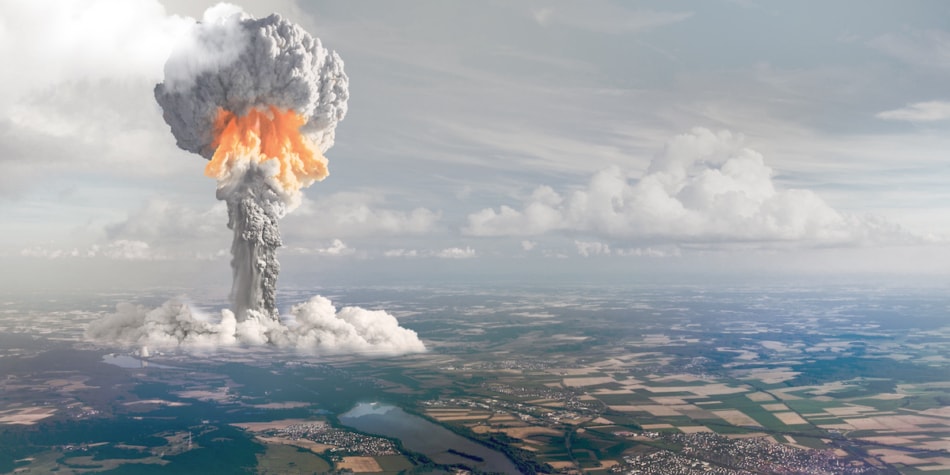
On August 6, 1945, a mostly cloudless sky precipitated a thumbs-up to drop the first nuclear bomb on Hiroshima. Two days later, the second target, Kokura, was spared due to cloud cover, and the bomb was redirected to Nagasaki. Two cities, two destinies, decided in the air over central Japan by a moving deck of cumulus.
Flight at Kitty Hawk
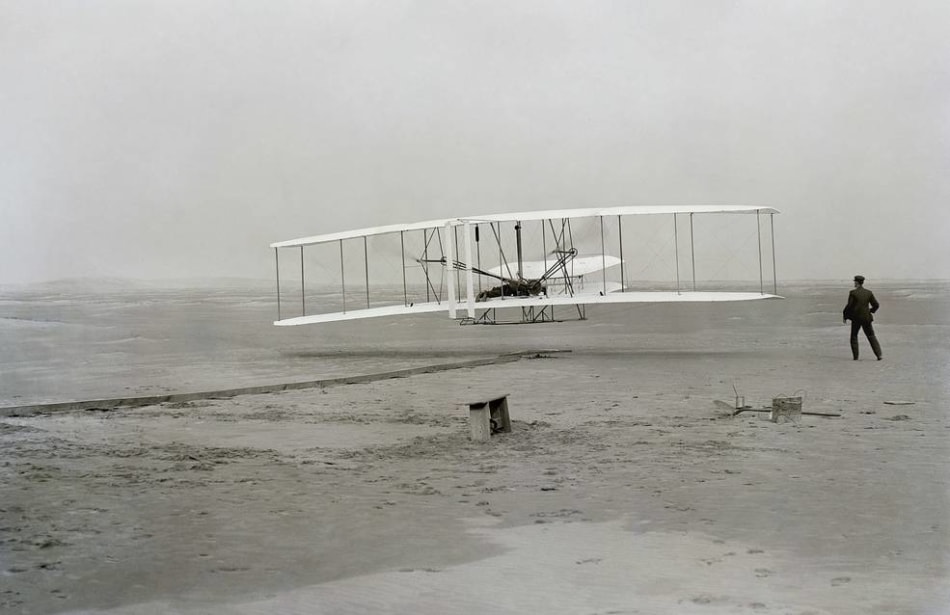
On December 8, 1903, aviation pioneer Samuel P. Langley attempted to become the first man to demonstrate a heavier-than-air aircraft. The press, military observers, and members of Congress lined the North Carolina shore at Kitty Hawk to witness the historic event. The machine was placed on a houseboat, pulled into the Potomac, and faced directly into the wind. At 4:45, a pilot named Charles Manley signaled for crewmen to release restraining pins so the plane would be thrown into the wind by a spring-driven catapult. Just as the pin was pulled, a heavy gust of wind sent the platform lurching. The aerodrome’s rear wings collapsed and it made a spectacular nosedive into the water. That probably explains why not a single reporter showed up to watch the Wright brothers successfully fly the world’s first airplane, the Flyer, nine days later.
Could Hurricane Erin Prevented The 9/11 Attacks?
On the 10-year anniversary of the 9/11 attacks, Farmers’ Almanac contributing astronomer and meteorologist Joe Rao looked back at how Hurricane Erin could have changed history. Erin sat off the New Jersey coast on the morning of September 11, 2001. A slight shift in the storm’s track would have grounded flights, scrubbed routine, and rewritten the day. The full clip is below.
Patterns Across the 13 Events
- Cold-snap military reversals. Washington’s Delaware crossing and Napoleon in Russia both turned on a hard freeze. Neither side called the freeze. The freeze called both.
- Wind at sea decisions. The Spanish Armada and Kublai Khan’s invasion of Japan both ended in storms that reshuffled the Atlantic and the Sea of Japan respectively.
- One bad summer, one cultural earthquake. The 1816 Year Without a Summer, caused by Mount Tambora’s 1815 eruption, gave the world both Frankenstein and the climate context that drove the writing.
- Single forecasts for single decisions. The D-Day delay and the Hiroshima/Nagasaki cloud-cover swap both came down to a single meteorologist’s call.
- Quiet weather changing the news cycle. The Wright Brothers got the first flight on December 17, 1903, partly because Langley’s nine-days-earlier crash had emptied the press tent.
A Timeline of the 13 Events
| Year | Event | Weather hinge |
|---|---|---|
| 541 (decade-long lead-up) | First Bubonic Plague | African drought, then flood |
| 1274 + 1281 | Kublai Khan’s failed invasions of Japan | Two monsoon “kamikaze” storms |
| 1560-1698 | Salem and European witch trials peak | Little Ice Age cold snaps |
| 1588 | Spanish Armada defeat | “Protestant Wind” storm at sea |
| 1748 (storm event) | John Newton, future Amazing Grace | Violent storm at sea |
| 1776 (Christmas) | Washington crossing the Delaware | Nor’easter freezes the roads |
| 1812 | Napoleon’s retreat from Moscow | Russian winter sub-zero plunge |
| 1816 | Mary Shelley writes Frankenstein | Year Without a Summer (Tambora) |
| 1903 | Wright Brothers fly at Kitty Hawk | Wind ends Langley’s preview, empties press |
| 1937 | Hindenburg disaster | Thunderstorm charge ignites coating |
| 1944 | D-Day delayed and launched | Stagg’s brief weather window forecast |
| 1945 | Atom bomb redirected from Kokura | Cloud cover spared one city, hit another |
| 2001 | Hurricane Erin off New Jersey on 9/11 | Storm track did not shift inland |
Why Weather Changes History So Often
Weather changes history more often than any other natural force because so much of human plan-making assumes ordinary conditions. A general assumes a road will be muddy. A pilot assumes the wind will be gentle. An invader assumes the sea will let his fleet through. When the weather breaks pattern, the plan breaks with it. The Almanac has been writing about this kind of pattern-break since 1818, which is part of why our long-range forecast leans so heavily on the historical record. The clearer you can see the kinds of weather that have changed history, the better you can plan around the kinds that might change yours.

Frequently Asked Questions
What was the Year Without a Summer?
1816 was the coldest summer on record across the northern hemisphere because Mount Tambora in Indonesia had erupted in 1815 and filled the upper atmosphere with sulfate aerosols. New England saw June frosts and crop failures. Europe saw famine. Mary Shelley wrote Frankenstein, partly because she could not go outside.
Did weather actually decide D-Day?
Yes. Group Captain James Stagg told General Eisenhower that a brief window of better weather would open on June 6. The original plan was for June 5. The 24-hour delay, made on Stagg’s forecast, gave the Allies the conditions they needed to land the largest amphibious invasion in history.
What is the Little Ice Age?
The Little Ice Age is the cold stretch from roughly 1300 to 1850 when winters in Europe and North America ran significantly colder than today. Historians have linked the same cold runs to spikes in the Salem and European witch trials, since failed harvests and bitter winters both tracked tightly with prosecutions.
Why did the Hindenburg burn so fast?
The combination of a thunderstorm-charged atmosphere, wet docking lines acting as a ground, and a flammable iron-oxide coating thickened with powdered aluminum let the skin ignite the moment the metal frame earthed. Within ten seconds most of the ship was ablaze. Within thirty-four seconds it was a burning mass.
Was Kublai Khan really stopped by storms?
Twice. The 1274 and 1281 invasions of Japan both ended in monsoons that scattered Mongol fleets. Shinto priests credited the kamikaze, or divine wind, and the term came back into wider use during World War II.
Did weather really save Nagasaki at someone else’s expense?
In a sense. The August 9, 1945 mission was originally targeted at Kokura. Cloud cover over Kokura kept the bomber from a clean run, and the second target, Nagasaki, was hit instead. Two cities, two destinies, decided by a moving deck of cumulus.
How could Hurricane Erin have changed 9/11?
A small shift west would have grounded flights along the eastern seaboard on the morning of September 11, 2001. Erin sat off the New Jersey coast and never made the turn. Joe Rao’s segment in the embedded video walks through the radar and the implications.
Tell Us
Which of these weather-history hinges surprises you most? Drop a comment with a story we should add for the next round, especially regional ones we missed: a hometown blizzard that closed a vote, a tornado that delayed an election, a fog that hid a famous arrival.

Beth Herman
Beth Herman is a freelance writer with interests in healthy living and food, family, animal welfare, architecture and design, religion, and yoga. She writes for a variety of national and regional publications, institutions, and websites.
- Beth Herman

- Beth Herman
- Beth Herman
- Beth Herman





Thank you…fascinating
This article resulted in the following tanka titled:
Out of Africa 541 CE
wellness and weather
tethered drought brought rodent and
raptor death when rains
returned rodents explode sans
raptors soon bubonic plague. ©jrh
I heard of a freak snow storm that delayed a militant mob from disrupting a church service until it was over!
Excellent article… a perspective not generally considered.
Great article. I would also suggest watching the Weather Channel series about when weather changed history. I watched two, weather and the War of 1812 and the Hindenburg were very interesting. I believe it airs on Sunday nights as well as other times during the week.
great informative article!!
This was a well-written and interesting article. A recent college graduate studying history, this shed light on the weather related causes that had a significant impact and influence on these important events throughout history.