


Quick Reference: Winter Solstice 2026
- Winter Solstice 2026: Monday, December 21, 2026 at 3:50 p.m. EST (20:50 UTC)
- What it marks: The shortest day and longest night of the year in the Northern Hemisphere; the official first day of astronomical winter
- Where the Sun lands: Directly overhead at noon along the Tropic of Capricorn, 23.5 degrees south of the equator
- Latin root: sol (Sun) + sistere (to stand still)
- What happens next: Days begin to lengthen again, all the way through to the summer solstice in June 2027
- Southern Hemisphere note: Same instant marks the start of summer below the equator
The winter solstice 2026 arrives on Monday, December 21, 2026 at 3:50 p.m. EST (20:50 UTC). It is the shortest day and longest night of the year in the Northern Hemisphere, the moment the Sun reaches its southernmost point in the sky, and the official first day of astronomical winter. The instant happens simultaneously for everyone on Earth, though clock time varies by zone. Below: the date for every solstice through 2030, how day length compares from Anchorage to Miami, the traditions that have marked this turning point since ancient times, and why the earliest sunset already passed in early December.
When Is the Winter Solstice 2026?
The winter solstice, which marks the first day of winter 2026, occurs on Monday, December 21, 2026 at 3:50 p.m. EST (12:50 p.m. PST, 20:50 UTC). For the Northern Hemisphere, this is the shortest day of the year. The U.S. Naval Observatory’s Earth’s Seasons table and NASA’s solstice page are the authoritative references for the to-the-minute timestamp.
Solstice Dates for the Next Five Years
Plan a solstice gathering, a stargazing trip, or simply mark your calendar. Here is when the winter solstice falls each year through 2030, with times shown in U.S. Eastern Time. The solstice can land on December 20, 21, 22, or rarely 23 depending on the Gregorian calendar’s drift against the tropical year.
| Year | Date | Eastern Time | UTC |
|---|---|---|---|
| 2026 | Monday, December 21 | 3:50 p.m. EST | 20:50 |
| 2027 | Tuesday, December 21 | 9:42 p.m. EST | 02:42 Dec 22 |
| 2028 | Thursday, December 21 | 3:19 a.m. EST | 08:19 |
| 2029 | Friday, December 21 | 9:14 a.m. EST | 14:14 |
| 2030 | Saturday, December 21 | 3:09 p.m. EST | 20:09 |
What Is Winter Solstice?
Winter solstice is the astronomical moment when the Sun reaches the Tropic of Capricorn, 23.5 degrees south of the equator. From our vantage point in the Northern Hemisphere, the Sun rides its lowest arc across the sky, daylight runs its shortest, and night stretches its longest. Regardless of what the weather is doing outside your window, the solstice marks the official start of astronomical winter.
The term itself is a tell. “Solstice” comes from the Latin sol (Sun) and sistere (to stand still). For several days around the solstice, the Sun’s noontime height in the sky barely changes, as if the Sun has paused before turning back. That apparent standstill is what gave the day its name in cultures that watched the Sun for a living, long before the Almanac put it in print.
Curious what kind of weather to expect this winter? Get All-Access now for the Almanac’s full long-range forecast.
Day Length on the Solstice: City by City
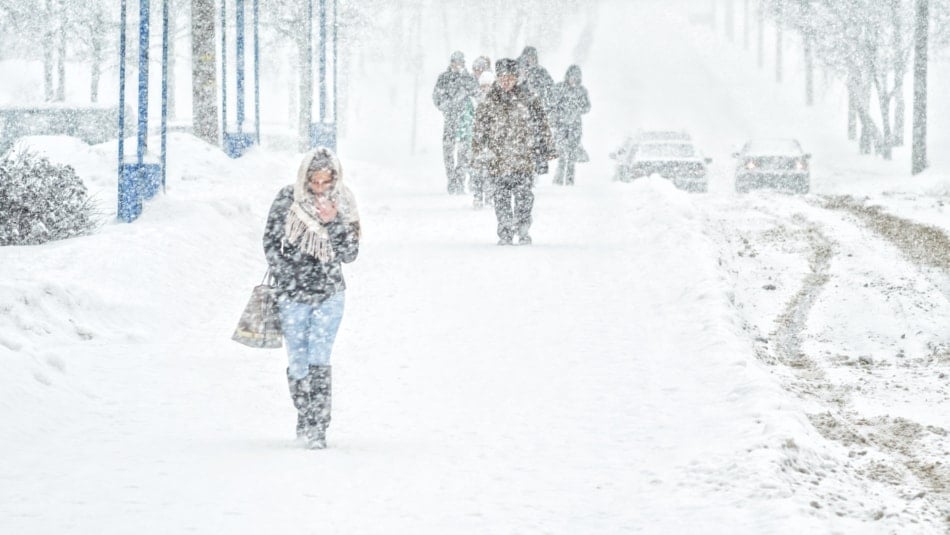
How short is the shortest day? It depends on how far north you live. The farther from the equator, the steeper the loss of daylight on December 21. Anchorage gets barely more than five and a half hours of Sun. Miami gets more than ten. Here is the rough day length on the winter solstice for cities across North America.
| City | Latitude | Daylight on Dec 21 |
|---|---|---|
| Anchorage, AK | 61.2 degrees N | about 5 hours 27 minutes |
| Seattle, WA | 47.6 degrees N | about 8 hours 25 minutes |
| Minneapolis, MN | 44.9 degrees N | about 8 hours 46 minutes |
| Boston, MA | 42.4 degrees N | about 9 hours 5 minutes |
| New York, NY | 40.7 degrees N | about 9 hours 15 minutes |
| Denver, CO | 39.7 degrees N | about 9 hours 21 minutes |
| Atlanta, GA | 33.7 degrees N | about 9 hours 53 minutes |
| Miami, FL | 25.8 degrees N | about 10 hours 30 minutes |
South of the equator the picture flips. Sydney and Buenos Aires see roughly fourteen and a half hours of daylight on the same date; for them, December 21 is the longest day of the year.
What Does “Solstice” Mean? The Astronomy
The term “solstice” comes from the Latin words sol (Sun) and sistere (to stand still) because, during the solstice, the angle between the Sun’s rays and the plane of the Earth’s equator (called declination) appears to stand still. The Sun’s declination on December 21, 2026 reaches 23.5 degrees south, the farthest south it goes all year. Here is how the solstice differs from an equinox.
Upon the winter solstice, the Sun appears at its lowest in the sky, and its noontime elevation seems to stay the same for several days before and after this day. The Sun’s gradual decrease in the sky reverses upon the winter solstice, marking what many cultures believe to be a “rebirth” of the Sun as the hours of daylight become longer.
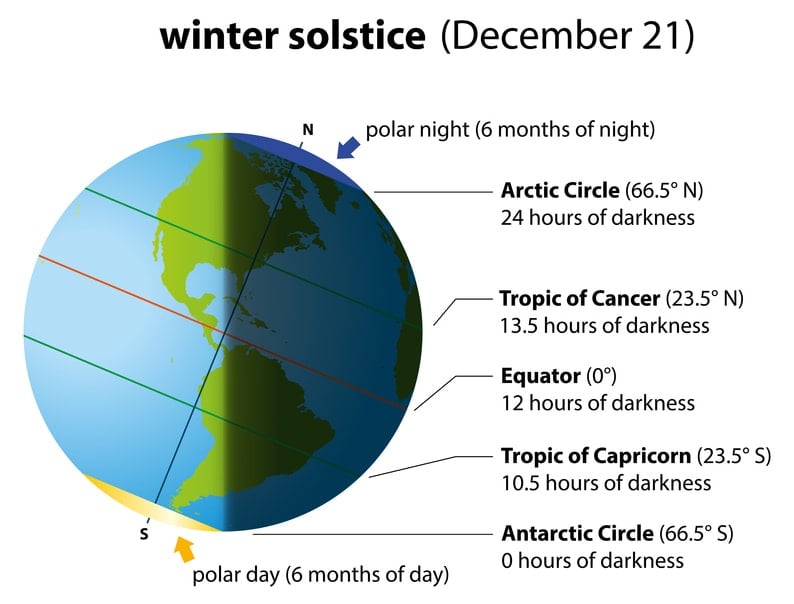
Daylight hours, the period of time between sunrise and sunset each day, have been growing slightly shorter each day since the summer solstice last June, which is the longest day of the year (at least in terms of light). December 21, 2026 marks the start of when days will begin to grow longer. They will continue to do so until we reach the summer solstice again in June 2027. Then the cycle will begin anew.
While we celebrate the winter solstice, those living in the Southern Hemisphere will be simultaneously marking the arrival of summer. That is because while our half of the globe is inclined away from the Sun, their half is inclined toward it. Being tilted away from the Sun brings us shorter days and colder temperatures. The 23.5-degree tilt of Earth’s axis, not Earth’s distance from the Sun, is what gives us seasons.
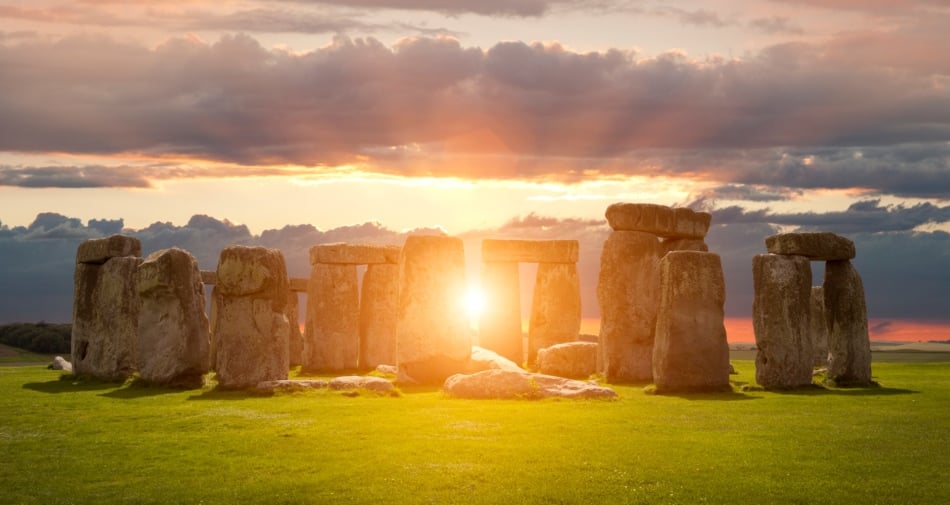
Early man kept track of the days by observing the Sun as it “moved” across the sky and cast shadows during the day and at different times of the year. In fact, historians believe Stonehenge in England was erected to keep track of the Sun’s yearly progress, with its central axis aligning to the setting Sun on the winter solstice.
Winter Solstice Traditions: Folklore and Celebrations Around the World
Looking for unique ways to celebrate the first day of winter 2026? Here are some traditions from around the world.
The winter solstice has played an important role in cultures worldwide from ancient times until today. In fact, many of the customs, lore, symbols, and rituals associated with Christmas are actually associated with winter solstice celebrations of ancient pagan cultures. Here are some examples.
Alban Arthan and Newgrange
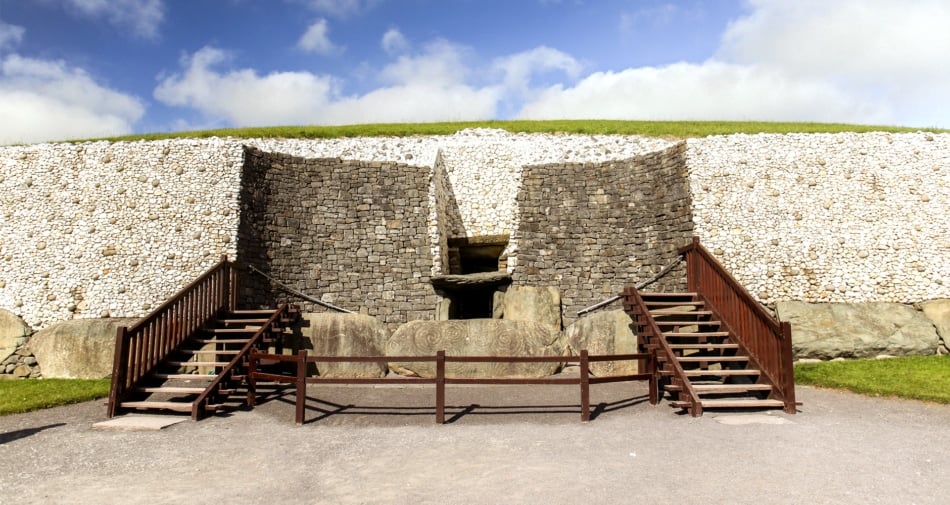
Welsh for “Light of Winter,” Alban Arthan is a universal festival, which has been (and still is) celebrated by many people and is probably the oldest seasonal festival of humankind. In Druidic traditions, the winter solstice is thought of as a time of death and rebirth when Nature’s powers and our own souls are renewed. It marks the moment in time when the Old Sun dies (at dusk on the 21st of December) and when the Sun of the New Year is born (at dawn on the 22nd of December), framing the longest night of the year. The birth of the New Sun is thought to revive the Earth’s aura in mystical ways, giving a new lease on life to spirits and souls of the dead.
The prehistoric monument Newgrange, built in Ireland around 3200 B.C. (making it older than Stonehenge), is associated with the Alban Arthan festival. The site consists of a large circular mound with a stone passageway and interior chambers. When the Sun rises on the winter solstice, the chamber is flooded with sunlight through a roof box above the entrance, an alignment that has held for more than five thousand years. What Stonehenge is for Alban Hefin (the Druid festival for the summer solstice), Newgrange is for Alban Arthan.
The Feast of Juul (Yule)
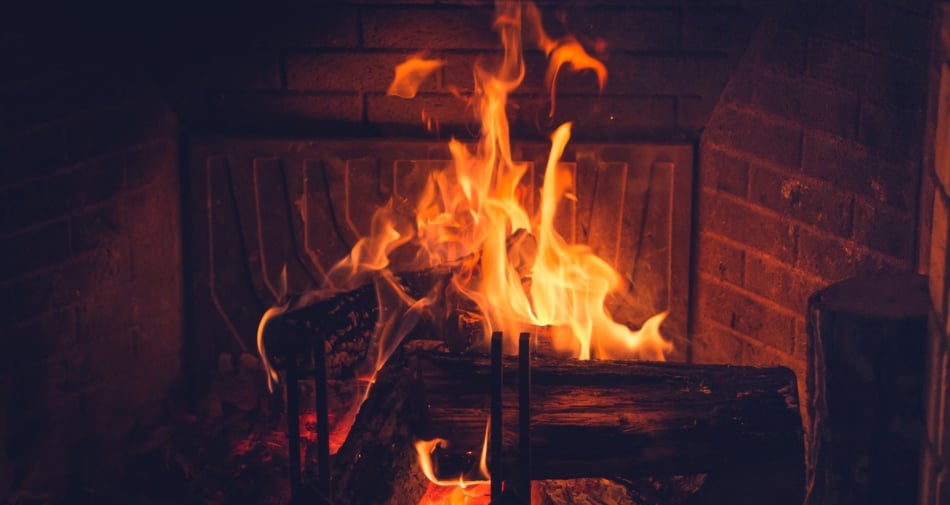
This was a festival observed in Scandinavia when fires were lit to symbolize the heat, light, and life-giving properties of the returning Sun. A Yule, or Juul, log was brought in and burned on the hearth in honor of the Scandinavian god Thor. It was Thor’s job to bring the Sun’s warmth back to the people. The log, which was never allowed to burn entirely, was kept as both a token of good luck against misfortune and used as kindling for the following year’s log. In England, Germany, France, and other European countries, the Yule log was burned until nothing but ash remained.
The ashes were then collected and spread into the fields as fertilizer every night until Twelfth Night, or worn around the neck as a charm. French peasants would place the cooled ashes from the log under their beds, believing they would protect the house against thunder and lightning. The present-day custom of lighting a Yule log at Christmas is believed to have originated with these fires associated with the Feast of Juul.
Dongzhi Winter Solstice Festival
In addition to the traditions from western cultures, the Dongzhi Winter Solstice Festival is celebrated as a time for the entire family to get together to celebrate the past good year. As ancient Chinese thought, the yang, or muscular, positive things will become stronger and stronger after this day, so it should be celebrated. Dumplings are usually eaten, along with tangyuan, sweet rice balls that symbolize family reunion.
Saturnalia
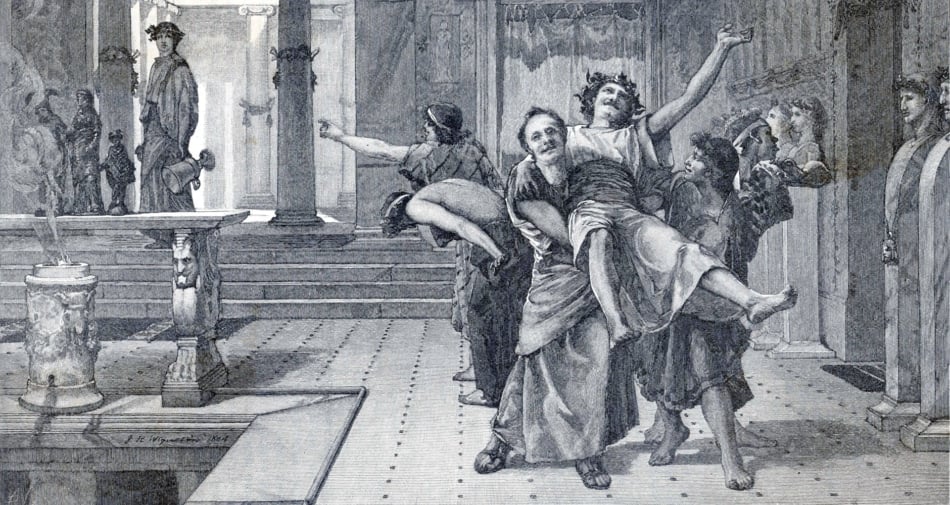
In Ancient Rome, the winter solstice festival referred to as Saturnalia began on December 17 and lasted for seven days. It was held to honor Saturnus, the Roman god of agriculture and harvest, and was characterized by the suspension of discipline and reversal of the usual order. Grudges and quarrels were forgiven, wars were postponed, and people engaged in carnival-like festivities. The popularity of Saturnalia continued into the third and fourth centuries AD, and as the Roman Empire came under Christian rule, some of the festival’s customs have influenced our current celebrations surrounding Christmas and the New Year.
Soyal of the Hopi
The Hopi people of the American Southwest hold Soyal at the winter solstice, a sixteen-day ceremony that welcomes the spirits, or katsinam, back from the mountains. Prayer sticks, ritual gift-giving, and songs that turn the Sun back from its southernmost point mark the days. As with Alban Arthan and Saturnalia, the underlying idea is the same: the year has reached its darkest point, and what follows is the slow return of light.
Christmas and the Winter Solstice
Why is Christmas on December 25, four days after the solstice? The short answer is that the early church chose the date to align with two long-running Roman observances: Saturnalia in the week before, and the festival of Sol Invictus, the “Unconquered Sun,” which the Emperor Aurelian fixed on December 25 in the year 274 AD. By the fourth century, the date of Christmas was set on the same day. The greenery, the candles, the feasting, the gift exchange, the Yule log on the hearth: nearly every visual element of the modern Christmas season has a winter solstice ancestor.
None of which makes Christmas less Christmas. It does explain why the season feels so deeply familiar across cultures that did not share a religion. The pull of the longest night, and the relief of the Sun starting back, predates any single faith.
Earliest Sunset Comes Before the Solstice
Here is a fact that surprises most readers: in most of the continental United States, the earliest sunset of the year happens about two weeks before the winter solstice, and the latest sunrise happens about two weeks after. December 21 has the shortest total daylight, but it is not the day the Sun sets earliest. Around the latitude of New York City, the earliest sunset is on or about December 7. Around Atlanta, it is closer to December 3. Around Miami, it is in late November.
The reason is the equation of time, the slight difference between solar noon and clock noon over the course of the year. Because Earth’s orbit is elliptical and its axis tilted, solar noon drifts back and forth against the clock by up to about sixteen minutes. In early December that drift pushes sunset earlier; by the solstice the trend has flipped and sunsets are already creeping back. See our full explainer at earliest sunset of the year and the partner piece on earliest sunrise.
Longest Shadow of the Year
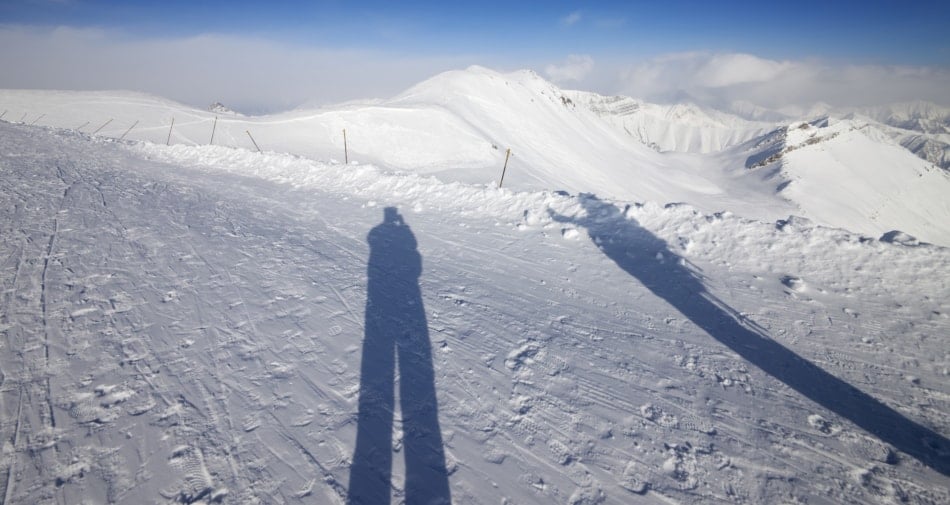
If you live in the Northern Hemisphere, check your noontime shadow around the time of the solstice: It will be your longest noontime shadow of the year. Conversely, in June, at the time of the summer solstice, you will see your shortest noontime shadow. This is because the Sun is at different angles. The Sun’s low arc across the sky in winter causes objects to cast longer shadows. Step outside at noon on December 21, 2026, drop a yardstick in the snow, and the shadow will be a sundial reading you can mark in your journal.
Winter Solstice Folk Weather Lore
The Almanac has carried folk weather sayings tied to the solstice for two centuries. Take them as folklore, not forecast. The pattern they catch, though, is real often enough to be worth knowing:
- “A clear, bright Sun on the shortest day means a good harvest in the year to come.”
- “Thunder in December presages fine weather.”
- “If the Sun shines through the apple trees on Christmas Day, there will be an abundant crop the following year.”
- “As the days lengthen, so the cold strengthens.” (The deep cold of January and February usually follows the solstice, not precedes it.)
- “A green Christmas, a white Easter.” (Mild Decembers often pair with late, cold springs.)
For the long-range Almanac forecast, see the Long-Range Weather Forecast for your region.
How to Mark the Solstice at Home
The solstice is a quiet holiday. There are no presents to wrap, no cards to send. That is part of its appeal. A few small ways readers tell us they keep the day:
- Watch the sunrise. On a clear morning, the Sun rises noticeably south of east on December 21. Pick a window or a hilltop and pay attention to where the light hits.
- Light a candle at dusk. A simple Yule-log echo: light a candle as the sky goes dark, and let it burn while you eat.
- Step outside at noon. Look at your shadow. It will not be this long again until next December.
- Cook something slow. A pot of stew, a roast, a tray of root vegetables: the longest night is a fair excuse for a long supper.
- Write down one thing. One thing to leave behind with the old Sun, one thing to begin with the new. Then look at the page on June 21.
Join the Discussion
How do you plan to mark the first day of winter 2026?
Do you have any special winter solstice traditions?
Share with your community here in the comments section below.

Frequently Asked Questions
When is the winter solstice 2026?
The winter solstice 2026 falls on Monday, December 21, 2026 at 3:50 p.m. EST (20:50 UTC). That is the precise instant the Sun reaches its southernmost point in the sky, 23.5 degrees south of the equator at the Tropic of Capricorn. The same instant marks the start of summer in the Southern Hemisphere.
Is the winter solstice always on December 21?
No. The solstice can land on December 20, 21, 22, or rarely 23, depending on how the Gregorian calendar drifts against the tropical year. In U.S. Eastern Time it falls on December 21 every year from 2026 through 2051, then on December 20 in 2052. In UTC it lands on December 22 in 2027, 2031, 2035 and 2039.
Why is the earliest sunset before the winter solstice?
Because of the equation of time, the small difference between solar noon and clock noon. Earth’s orbit is elliptical and its axis is tilted, which means solar noon drifts against the clock by up to about sixteen minutes over the year. Around 40 degrees N latitude the earliest sunset arrives about two weeks before December 21, and the latest sunrise arrives about two weeks after. December 21 is still the shortest total daylight of the year.
What is the difference between solstice and equinox?
A solstice is when the Sun reaches its farthest point north or south of the equator (the Tropic of Cancer in June, the Tropic of Capricorn in December), producing the longest or shortest day of the year. An equinox is when the Sun crosses the equator and day and night are roughly equal in length, happening around March 20 and September 22. See our equinox vs solstice explainer for the full breakdown.
What does “solstice” mean?
The word comes from the Latin sol (Sun) and sistere (to stand still). For several days around the solstice the Sun’s noontime height in the sky barely changes, as if it has paused before turning back. Ancient observers named the day for that apparent standstill.
How many hours of daylight on the winter solstice?
It depends on latitude. Anchorage gets about 5 hours 27 minutes. Seattle gets about 8 hours 25 minutes. New York City gets about 9 hours 15 minutes. Miami gets about 10 hours 30 minutes. Inside the Arctic Circle, the Sun does not rise at all on December 21.
Why is Christmas on December 25 instead of the solstice?
The early Christian church chose December 25 to align with two existing Roman observances: Saturnalia, which ran December 17 to 23, and Sol Invictus, fixed on December 25 by the Emperor Aurelian in 274 AD. The slight gap from the solstice falls inside the days when the Sun’s noontime height appeared to “stand still” before turning back, a natural moment for a festival of returning light.
When is the winter solstice 2027?
The winter solstice 2027 falls on Tuesday, December 21, 2027 at 9:42 p.m. EST (02:42 UTC on December 22). See the five-year table near the top of this page for solstice dates through 2030.

Yes I stay indoors and drink hot cocoa.
It is also worth mentioning the Yalda night. In Iran, people have been celebrating the winter solstice for a thousand years and they call it Yalda. It is a beautiful tradition and celebrates the longest night and the birth of the sun at the end of the night (because the days get longer after this night).
Thank you for sharing this! We find it interesting to learn about how these events are celebrated in different (but so very similar) ways across the globe.
Thanks for mentioning the Yalda! Happy Yalda, dear Tara. May this bring happiness, prosperity and health to you and your family 🙂
Leila
Indeed it is a Wednesday in my calendar
These CLOWNS have drawn the Tropic of Cancer & Capricorn in the WRONG PLACE! 23.5 degrees is much further south, e.g. further than the southern tip of Florida and cuts through the tip of Baja California
I would guess it is just a reference point (arrow) for both.
It’s not the lines that are wrong. It’s the whole underlying map. It is shifted to the south. It shows the equator running through Central America and the southern tip of South America looks to be about to the South Pole.
Honestly when that date was decided or the dates for the winter solstice which version of the universe where they going with geocentric or heliocentric? It’s a little vague of a question because it’s still a lot of unanswered facts
Looks like the same with the equator and tropic of capricorn, all moved up. Maybe time to redo the globe – but the idea is explained anyway. Luckily the sunshine is reftacted in the atmosphere so it is not always pitch black at the poles in the polar nights.
Chinese people eat sticky rice balls, not dumplings on this day.
Dumpling in the North, Sticky Rice Ball in the South.
But never “shweatty balls” (Ala SNL skit) ?✌️
lol EXACTLY
I can’t visualize when winter solstice will be for OUR location. It says 10:59 EST. So will that an hour LATER at 11:59 AM CST. If so, we will have sunrise at 7:59 and sunset at 3:59 PM, which is kind of hard to think about. Can you clear that up for me?
The Solstice is a moment in time. It happens the same time instant all over the world. It will happen when your clocks in Central Time read 09:59 AM on the day of. The time of Sunrise and Sunset will depend on your latitude and longitude. You can look that up in the Almanac.
Thank you,THAT helped. It also helps to VISUALIZE the Rand McNally world globe from school in the 1960s. I loved turning the GLOBE and watch the sunlight as it was dark and light. I could turn the BASE to mimic the seasons where I lived. What I was missing was the idea that the whole earth was in a specific location in its elliptical ORBIT of the sun.
I forgot to mention, I read an article that sunrise and sunset are SKEWED by the 23.5° tilt of earth and latitude. Earliest SUNSET was December 7. Day and night are EQUIDISTANT from noon only during the equinoxes spring and autumn.
All of the stats are interesting as a way to understand the WHAT of the cosmos. The how and why are an even BIGGER challenge to discuss. We are endlessly ENTERTAINED.
I wanted to correct previous errors, but can’t seem to find EDIT on here.
Thank you, again.
noice
We can look forward to the days getting longer now but this Dreadful day has passed
You can view a livestream at Newgrange here https://m.youtube.com/watch?v=8anbIH-XfPU ?
Spectacular that’s my birthday!!! I most certainly appreciate how Christmas has been explained in as an amalgamation of all cultures celebrations combined…similar to us Americans not having a true American language.
It’s my birthday, too
Just briefly on the language- Yes! Even though English was ‘originally’ a Germanic language, now, only about 29% of its entire vocabulary is Germanic; 24% is from Latin or the more recently derived Romance languages (i.e. French and Spanish); about 11% is from Greek, about 4% is from Hebrew/Aramaic/Arabic, etc. Middle Eastern tongues (i.e. Bible). The rest are words incorporated since the Age of Exploration, such as ‘papoose’, ‘chocolate’, ‘candy’, ‘bungalow’, ‘kangaroo’, and even ‘tea’!