How Much Do You Know About Nor’easters?
You've probably heard of the term, but how much do you know about these storms?
Quick Reference
- What: A cyclonic storm that travels up the East Coast of North America with strong northeasterly winds.
- Name: “Nor’easter” comes from the wind direction over coastal areas.
- When: Most frequent September through April, but can hit any time of year.
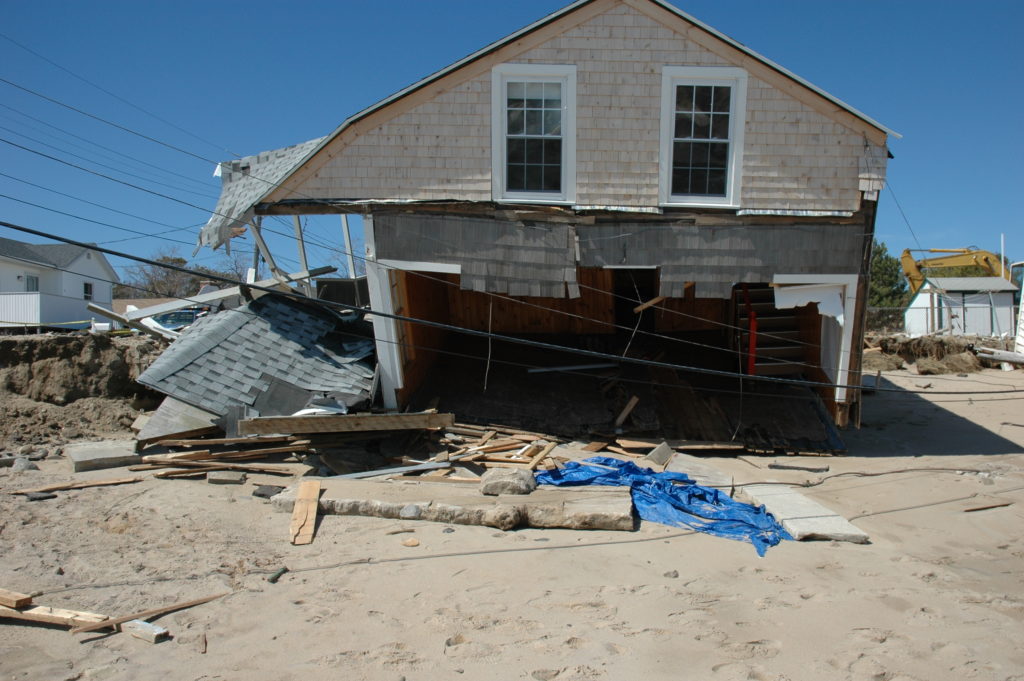
- Damage: Heavy snow and rain inland, gale-force winds (over 58 mph), coastal flooding, beach erosion.
- Where they form: Between Georgia and New Jersey, riding the temperature gradient where cold Arctic air meets the warm Gulf Stream.
You have probably heard of the term, especially if you live in an area where Nor’easters are predicted, but how much do you know about these storms?

Four Nor’easter Facts: True or False
1. Nor’easters get their names because of the strong northeast winds that blow during these storms.
True. According to the National Oceanic and Atmospheric Administration (NOAA) website, “A nor’easter is a cyclonic storm that moves along the east coast of North America. It is called nor’easter because the winds over coastal areas blow from a northeasterly direction.”
2. A Nor’easter only occurs during the winter.
False. Nor’easters can occur any time throughout the year but are most frequent between September and April.
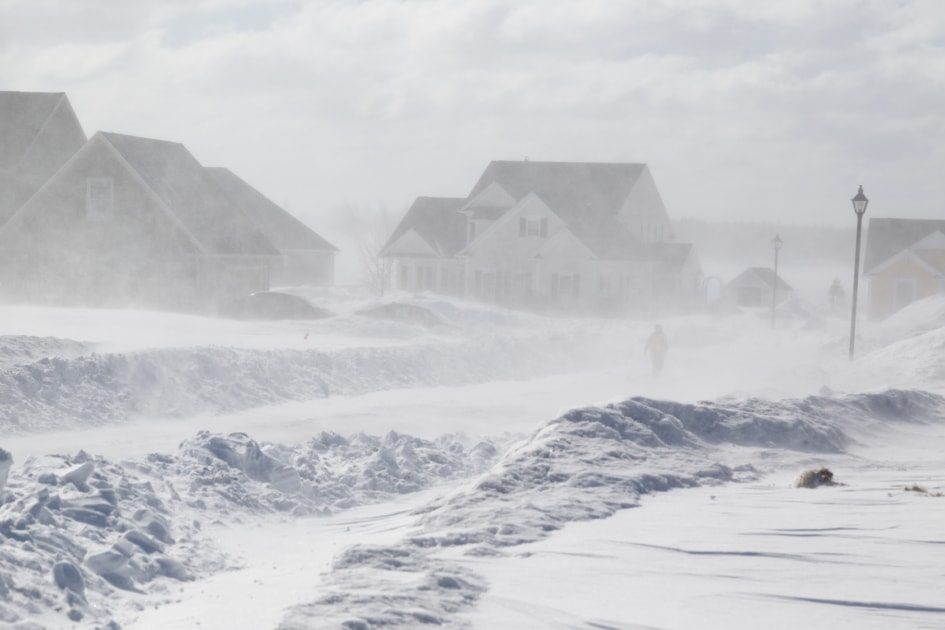
3. Nor’easters can cause high winds and flooding along the coast and heavy snow or blizzard conditions inland.
True. In addition to heavy snow and rain, nor’easters can bring gale force winds greater than 58 miles per hour. These storms can produce rough seas, coastal flooding, and beach erosion.
4. Nor’easters usually develop between Georgia and New Jersey coastlines and generally move north or northeastward.
True. According to NOAA, “The east coast of North America provides an ideal breeding ground for nor’easters. During winter, the polar jet stream transports cold Arctic air southward across the plains of Canada and the U.S., and eastward toward the Atlantic Ocean, as warm air from the Gulf of Mexico and the Atlantic tries to move northward. The warm waters of the Gulf Stream help keep the coastal waters relatively mild during the winter, which in turn helps warm the cold winter air over the water. This difference in temperature between the warm air over the water and cold Arctic air over the land is the area where nor’easters are born.”
Famous Historic Nor’easters
| Storm | Dates | Notable |
|---|---|---|
| The Great Blizzard of 1888 | March 11-14, 1888 | 50+ inches in NY/NJ, 400 deaths |
| The “Perfect Storm” | October 28-Nov 2, 1991 | Hurricane absorbed into a nor’easter; sank the Andrea Gail |
| The Storm of the Century | March 12-15, 1993 | Snow from Cuba to Canada; 318 deaths |
| Patriot’s Day Nor’easter | April 15-16, 2007 | Massive coastal flooding in Maine and New England |
| Superstorm Sandy | October 22-Nov 2, 2012 | Hurricane that morphed into a nor’easter at landfall |
| January 2018 “bomb cyclone” | January 3-5, 2018 | Bombogenesis, Boston harbor flooding |
The National Weather Service issues winter storm watches and warnings ahead of every confirmed nor’easter. The Ocean Prediction Center publishes wave-height forecasts for the Atlantic for marine traffic.
How to Prepare
- Watch the wind, not just the snow. A nor’easter’s wind is what tears down trees and power lines.
- Stock up before the storm. 72 hours of food, water, batteries, and medication is the standard recommendation.
- Charge devices ahead of time. Major nor’easters routinely knock out power for 24 to 72 hours.
- Keep coastal property elevated. Storm surge plus high tide is what floods low-lying houses.
- Treat downed lines as live. The leading cause of post-storm injury is contact with energized wires.

Frequently Asked Questions
What is a nor’easter?
A cyclonic storm that travels up the East Coast of North America. The name comes from the strong northeasterly winds the storm produces over coastal areas.
When is nor’easter season?
September through April, peaking December through February. Out-of-season nor’easters do happen but are rare.
Where do nor’easters form?
Most form between Georgia and New Jersey, where Arctic air from Canada meets the warm waters of the Gulf Stream. The temperature gradient is the engine that intensifies the storm.
How strong is the wind in a nor’easter?
Gale-force, often above 58 mph. Major events can produce hurricane-force gusts over 75 mph along the coast.
Do nor’easters cause flooding?
Yes. Storm surge plus high tide can flood coastal communities. Beach erosion is also routine, and barrier islands sometimes break through entirely.
What is the difference between a nor’easter and a hurricane?
A hurricane is fueled by warm tropical ocean water and forms in the tropics. A nor’easter is fueled by the temperature contrast between cold land air and the warm Gulf Stream and forms in the mid-latitudes. Some storms (like Sandy) blur the line.
What is the worst nor’easter on record?
The Storm of the Century in March 1993 sits at the top of most lists, with snow from Cuba to Canada and 318 deaths across 26 states. The Great Blizzard of 1888 is its closest 19th-century rival.
Tell Us
Lived through a nor’easter? Tell us in the comments. For more storm reads, see our Storm of the Century and Blizzard of 1888 entries.


This article was published by the Staff at FarmersAlmanac.com. Any questions? Contact us at [email protected].
- Farmers' Almanac Staff

- Farmers' Almanac Staff

- Farmers' Almanac Staff

- Farmers' Almanac Staff