

How to Build a Raised Bed Garden: Wood, Size, Soil
Growing your veggies in raised beds offers many benefits to the average backyard gardener. Learn how to build your own.
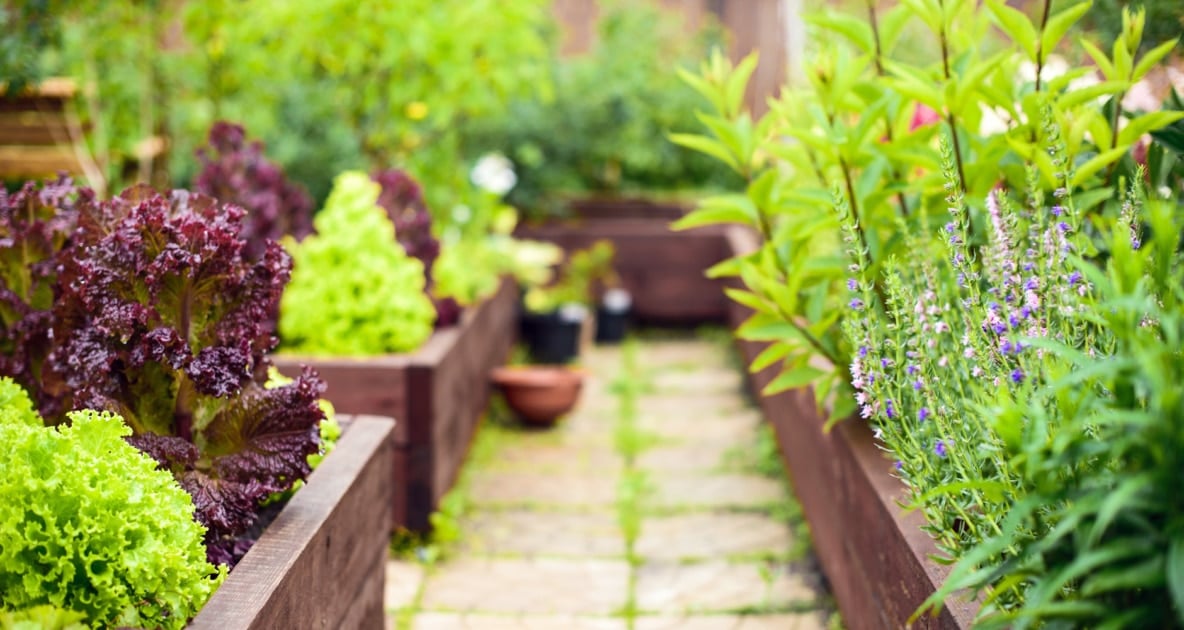
Quick Reference: Building a Raised Bed Garden
- Best wood: cedar. Skip pressure treated lumber for anything that grows food.
- Frame lumber: 2×6 or 2×8 boards for the sides; 2×10 or 2×12 for deeper beds.
- Width: no more than four feet, so you can reach the center from either side.
- Soil depth: six inches for most vegetables, ten inches for root crops.
- Growing medium: a custom mix of topsoil, compost, mulch, and manure for drainage and feeding.
One of the most common refrains among gardeners every spring is that they cannot wait to get started. A raised bed lets you do just that. Because the bed sits above the ground, the soil inside warms faster than the soil in the open earth, so you can start planting earlier in the 2026 season and harvest sooner. You can also harvest later into fall, stretching your growing season on both ends. Here is how to build one that lasts, fill it right, and get more food out of less space.
Why Grow in a Raised Bed
Growing your vegetables in raised beds offers several benefits to the average backyard gardener. The warmer soil is only the start. Because you build the bed from the bottom up, you get to customize the soil you grow in. Once the frame is in place, you can add mulch, compost, topsoil, manure, and anything else that will help your garden grow, tuning the growing medium to suit your plants. You also get better drainage growing this way.
Building your soil from the bottom up means you will not have to till out rocks, roots, and other matter that hold back healthy plant growth. And because you tend the bed from the paths around it, you are not trampling the soil, which compacts it and inhibits root growth and drainage.
Raised beds are space savers, too. You can grow plants closer together for higher yields, and you can companion plant. Most plants grow better when they are set next to certain other plants. A little easy research online or in a good organic gardening book will tell you which neighbors get along. The University of Minnesota Extension keeps a plain-English guide to raised bed gardens if you want to confirm the details for your own yard.
Sizing Your Bed
The basic construction of a raised bed is simple. Start by deciding the size you want, based on the area you have to work with and the amount of gardening you want to do. Do not overwhelm yourself with beds so big you could never find the time to take care of them. At the same time, you do not want them so small that you will not grow enough produce to satisfy your needs.
You can make your beds as long as you like, but it is best not to make them more than four feet wide. Weeding, planting, and general maintenance are all easier when the width is not too large, and your back, muscles, and joints will thank you for it. Four feet lets most gardeners reach the middle from either side without stepping into the bed.
You can also buy pre-fab kits for your raised beds. A kit makes building a little easier, but it can be very expensive. Besides, part of growing your own food is the enjoyment of doing it yourself. It is worth learning to be as self sufficient as you can, especially when money is tight.
Choosing the Right Lumber
Use 2×6 or 2×8 lumber for the frame. Cedar is the best choice, because it will outlast any other wood for this job. Some people reach for pressure treated lumber, since it lasts for years and years in harsh weather, but that is not recommended for any project that has anything to do with fruits, vegetables, or livestock. Pressure treated lumber is much safer today than it was years ago, but it is still chemically treated and can leach chemicals into your produce.
Building the Frame
Cut the pieces of lumber to your desired size. Pre-drill your holes where the boards will connect, then screw them all together. Make sure as you build that the beds are level and square, since a crooked frame fights you for the life of the bed.
Now lay the frame out where you will use it and check that it sits level on the ground. Remove any sod or rocks that keep it from sitting flat. You might have to add material in spots that are lower than the rest. This part of the process matters, because you do not want water running off the bed, which would hold back growth.

Filling the Bed With Soil
Now add your growing medium to the level you like and start planting. Six inches of soil is the ideal depth for most vegetables. If you are growing root crops, you will need ten inches of soil. To get there, just add another level of lumber over the first layer, or build with 2×10 or 2×12 boards from the start. Once your plants are in, water well. From there you are on your way to easy-maintenance vegetable gardening. For the best planting dates in your region, check the Gardening by the Moon Calendar before you sow.
A reliable fill is a custom blend, not bagged topsoil alone. Many gardeners mix topsoil with finished compost and aged manure, then top it off with mulch to hold moisture and keep weeds down. That mix drains well, feeds the plants, and settles less over the season.
What to Plant in a Raised Bed
Almost any vegetable does well in a raised bed, but the warm, deep, well-drained soil suits some crops especially. Root crops like carrots, beets, and onions reward the ten inches of loose soil. Leafy greens, bush beans, and herbs thrive in the six-inch beds and let you plant tightly. Potatoes do well in a deeper bed, too, and our guide to growing your own potatoes walks through spacing and hilling if you want to add a row.
Because raised beds let you plant closer together, lean on companion planting to make the most of the space. Pairing the right neighbors helps with pests and yields, while a few combinations are better kept apart. Plan the layout before you fill the bed so every square foot earns its keep.

Raised Bed Gardens: Frequently Asked Questions
How deep should a raised bed be?
Six inches of soil is the ideal depth for most vegetables. Root crops need ten inches. To build deeper, add a second level of lumber over the first layer or frame the bed with 2×10 or 2×12 boards from the start.
What is the best wood for a raised garden bed?
Cedar is the best choice, because it outlasts other woods for this job. Avoid pressure treated lumber for anything that grows food. Even though it is much safer today than years ago, it is still chemically treated and can leach chemicals into your produce.
How wide should a raised bed be?
Make beds as long as you like, but keep them no more than four feet wide. That width lets you reach the center from either side without stepping in, which keeps weeding, planting, and maintenance easy and spares your back and joints.
What size lumber do I use to build a raised bed?
Use 2×6 or 2×8 lumber for the sides of the frame. For a deeper bed that holds ten inches of soil, use 2×10 or 2×12 boards, or stack a second course of lumber on top of the first.
What soil should I fill a raised bed with?
Build a custom growing medium rather than using plain topsoil. Mix topsoil with compost and aged manure, and add mulch on top to hold moisture and suppress weeds. That blend drains well and feeds the plants all season.
Are raised beds worth it for a small yard?
Yes. Raised beds are space savers that let you grow plants closer together for higher yields, and you can companion plant to make the most of the room. The warmer soil also lets you start earlier in spring and harvest later into fall.


Shawn Weeks
Shawn is a lifelong New Englander. He lives in Canton, Conn., with his wife Tami, mother, sister, and her three children. He and his wife have two grown children and two grandchildren. Shawn is an avid hunter, fisherman, and gardener. He is also a writer, a nuisance wildlife professional, small scale farmer, and scout leader. You can email him at [email protected].
- Shawn Weeks

- Shawn Weeks
- Shawn Weeks
- Shawn Weeks





To keep slugs and snails from eating your plants save your eggshells, bake them for five minutes crumble them up and sprinkle them around your plants. Not only does it keep the slugs and snails away, it adds calcium to your garden. When you set out your tomato plants mix two cups bone meal, two cups blood meal and one cup eppson salts together, place two tablespoons of mixture in the bottom of the hole before you put in the plants, cover it lightly with soil and then set in your plants, it gives the plants a boost and wonderful taste, you can also add another spoon full around the roots later in the season for another boost. I’ve used it for years and always have wonderful tomatoes! I raised them in five gallon buckets on the patio of my apartment and gave tomatoes to my neighbors and the repair man. I put holes in the buckets about 1/2 ” from the bottom for drainage!
These “raised bed” gardens started becoming popular about 10 years ago. They are a joke, and offer NO benefits of gardening in the ground. You still have all the same problems: insects, weather, varmints, etc.
I think it depends on where you live and what you plan on using it for. I’m planning to install a raised garden bed just for vegetables. I think it comes in handy for that especially in areas with poor soil. We have of clay with shale mixed so a raised garden with fertile soil would work well. And we have a huge deer problem – nearly all my neighbors have raised beds that are fenced in.
exactly what I deal with here in my neighborhood. I have my raised garden bed fenced in because of deer but also the soil her is rock/brick backfill so not worth my time to try to garden in.
I beg to differ, raised bed gardens are in the ground. You have the same benifits as regular gardening only using a smaller space!
If you, like I, live where the soil isn’t soil but rock/brick because your neighborhood was created using this stuff as backfill with barely 3 inches of soil over top of it, you are like myself would be grateful for the person that invented raised beds. Without my raised beds, I would not have a garden at all as the expense of adding enough soil that storms wouldn’t send down the hillside would be astronomical.
My back would disagree
I keep a thick layer of straw on top of my raised beds & that seems to have stopped the cats from digging in the beds, plus it’s great for the soil. Squirrels kept digging up my garlic so I laid chicken wire over the top of the bed.The garlic grows up through the holes & is easy to lift off at harvest & the squirrels stay out.
thank you for hte straw tip. I have feral cats everywhere and in my flower bed I have had to cover with wire to keep them out until the plants are established. ugh!
Squirrels are bad for your birdfeeders and gardens. When I put out bird seed I add chili powder to the feeder along with the seed. Birds can’t smell it but the squirrels can and the won’t go near the feeder.
we feed the birds on top of our small shed to keep the feral cats from killing the birds and the squirrels out of the feed. They don’t have access thank goodness.
I need help in ways to keep squirrel’s out of my bird feeders. I have seen those feeders that swing the squirrel off, but they cost is very high. When I was younger, with my Dad, we went squirrel hunting, but in my yarn since I do have people living around me. Need all the help I can get. Thank you in advance for your help.
add chili powder to your feed. Birds eat it but squirrels stay clear
Use newspaper as your first layer.
I’ve used newspaper to kill existing grass under my above ground garden. I just placed the newspaper – a few pages thick directly on the ground, then I added a layer of landscaping mesh, then added my soil mixture (compost, vermiculite and peat moss). I’ve read Square Foot Gardening by Mel Batholomew to get the correct mixture.
The BEST way I know of killing the grass (and weeds) is to burn a brush pile (or firewood) on top of it. Once it’s burned down to ashes/cinders, you can till that into the soil, thus adding potash to your amendments! =)
I killed mine where my raised bed is sitting by placing a tarp over it through the winter, then I added a thick layer of cardboard then my soil. No problems so far and from what I read, worms will be attracted to the cardboard thus bringing worms to the garden bed. win, win in my book.
Just a FYI, after moving to Florida and our soil is almost 90% sand, we decided to make raised gardens. We decided to try something different as the dollars were scarce from the move and buying a new house. We decided to make our raised garden with sand bags. We purchased around 300 poly bags at around 30 cents a bag, and the sand is free. We stacked them 2 bags high, 4’x28′ and plan to have 3 of this size and then a smaller strawberry bed and then decided to cover the white bag with ground cloth to preserve the bag from sun rot. It is very solid and completely weed free, we have placed pine straw around the perimeter to keep outside weeds at bay. We just planted a few things to see how our soil is and we now have a nice crop of beans and other things popping out even in this hot summer.
That sounds interesting. Would it be possible to have a photo of what it looks like? My daughter has a lot of rabbits in her gardins and others that distroy the gardin. Thank You in advance.
I built our above ground garden with large rustic brick border, it is about 15″ high and about 15 ft long. I put down a earth layer cloth to keep the weeds out and dug into the ground to take off the layer of grass off as well. I filled the garden with approx 750 lbs of various dirt consisting of Maneure, Scotts organic garden soil, and basic top soil. The garden has flourished with greens! Cilantro, Bezel, parsley, tomatoes, red onion, zuccini, string beans, lettuce, cucumber, and egg plant!