

6 Popular Holiday Plants To Give This Season (With Care Tips That Actually Work)
If you're planning on giving plants as gifts this holiday season, or will be displaying them in your home, you’ll love these simple and festive ideas!
Quick Reference
- Best all-round gift plant: potted poinsettia. Bred in Encinitas, California by the Ecke family since the 1920s, sold at roughly 34 million pots a year in the US (USDA NASS).
- Longest-blooming: orchid (typically Phalaenopsis). Blooms 8 to 12 weeks with the right light, water sparingly (a few tablespoons weekly).
- Plant it after Christmas: mini pine trees can go in the ground once the holidays end, giving the recipient a living decoration for years.
- Pet check: poinsettia is mildly irritating (not deadly) to cats and dogs. Amaryllis, holly berries, and mistletoe are more dangerous, per the ASPCA.
- Watering rule: let the soil dry back between waterings but never so far that the soil shrinks from the pot side.
- Fertilizer rule: skip it during the holidays. Fertilize in spring and summer only; gift plants come with slow-release feed in the potting mix.
Christmas trees and holly make everything so jolly, and so do orchids, cyclamen, petite pine trees, Christmas cactus, poinsettias, and more. Even if they never made it into the traditional carols, these holiday plants show up in almost every grocery store, garden center, and hardware store from Thanksgiving through New Year’s. A potted plant makes a great grab-and-go gift, suitable for everyone.
The USDA National Agricultural Statistics Service counts poinsettias as the top-selling flowering potted plant in the United States, with roughly 34 million pots sold each holiday season. Orchids run a close second year-round, though holiday sales lift them into the same category. All six of the plants below are widely available for under $20, easy to keep alive for the season, and welcome in a room that could use a lift in January.

Popular Holiday Plants
If you are planning on giving plants as gifts this holiday season, or displaying them in your home, you will love these simple, festive ideas.
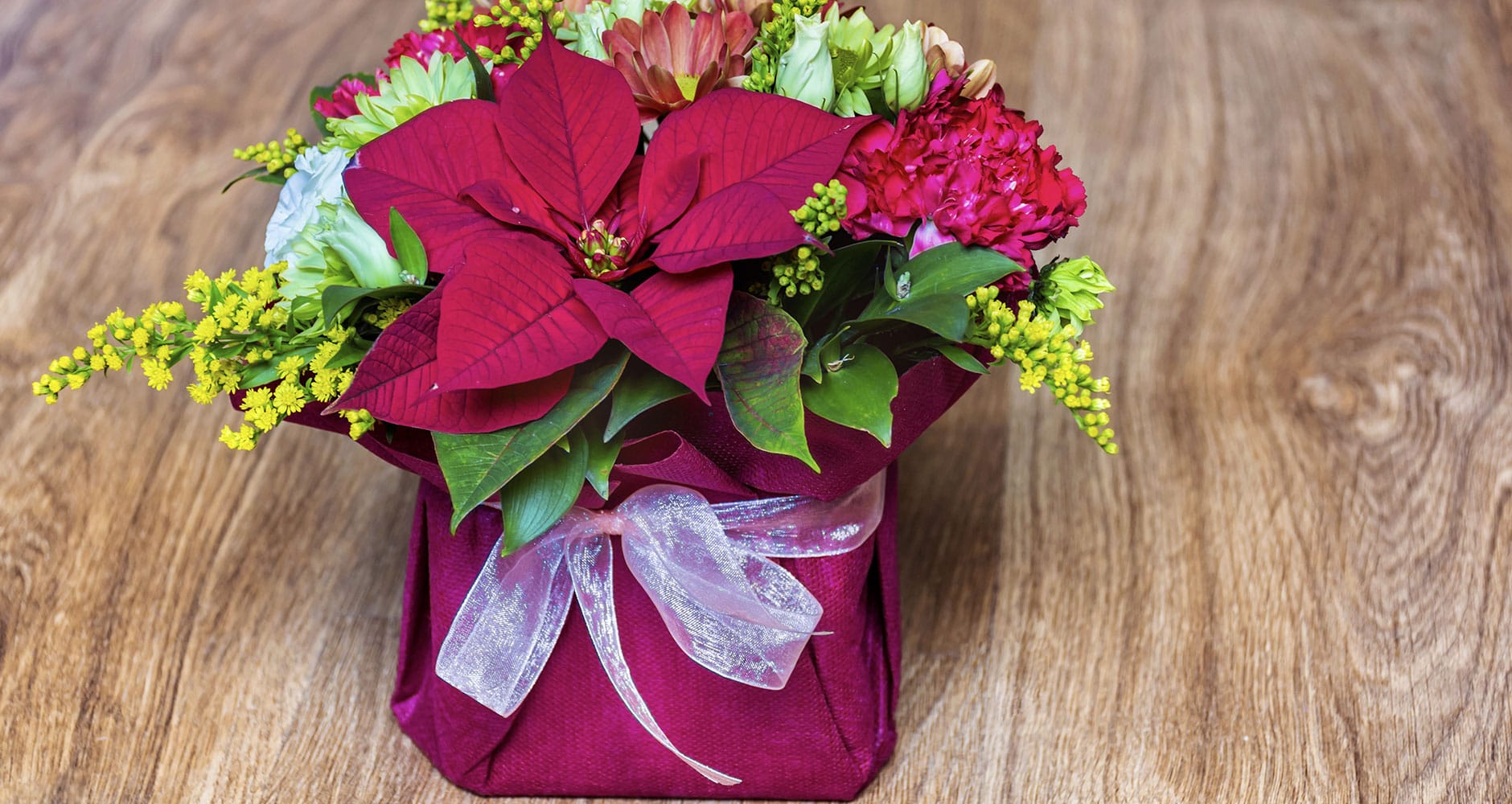
1. Potted Poinsettias
Choose colorful, festive pots. Line them up along the mantle. Arrange them around a hearth or build a centerpiece for the table. The classic red variety still leads sales, but pale-pink, marbled, and white cultivars now share shelf space. Native to Mexico and introduced to the US by Joel Roberts Poinsett in 1828, the plant is not particularly toxic, mildly irritating to pets and children but not a poisoning risk, according to the ASPCA.
2. Orchids
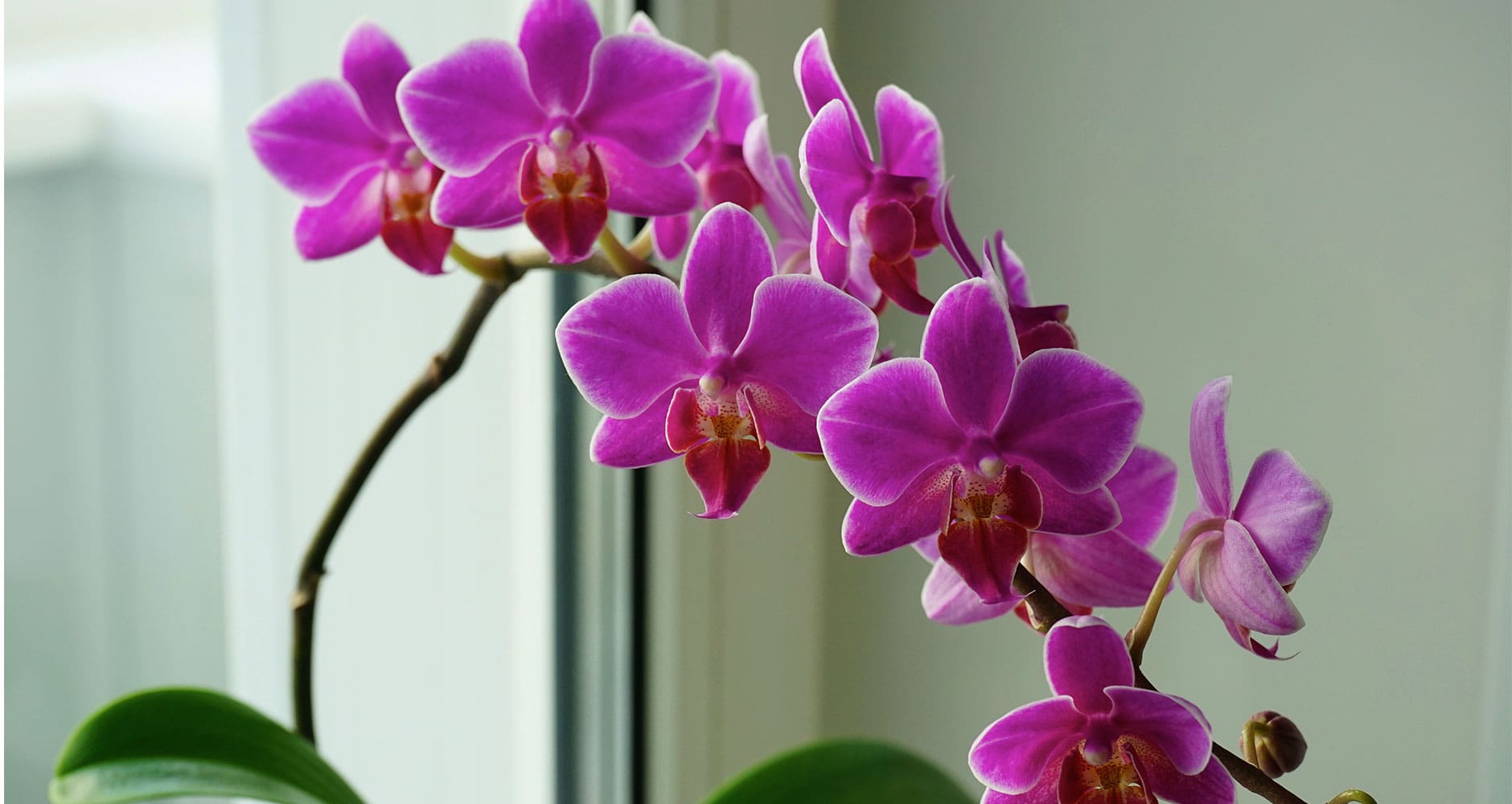
Line 3 of them up in a white tray and tie with a green felt bow, or fill the tray with small single-color ornaments for a cohesive display. Phalaenopsis orchids are the easiest for beginners: bright indirect light, a few tablespoons of water once a week, and no fertilizer over the holidays. They hold their blooms for 8 to 12 weeks, so a gift given on December 15 is still flowering in February.
3. Small Pine Trees
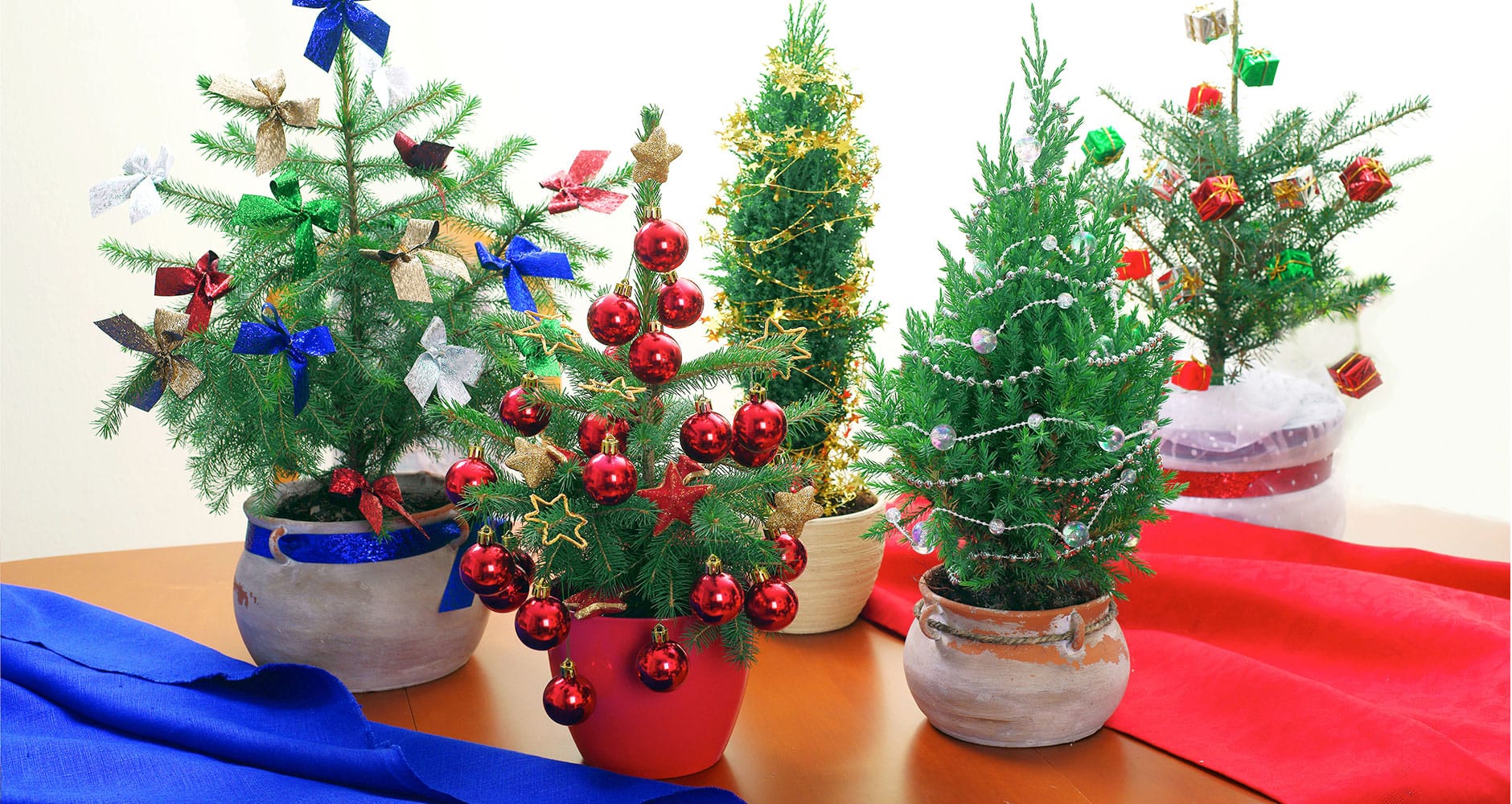
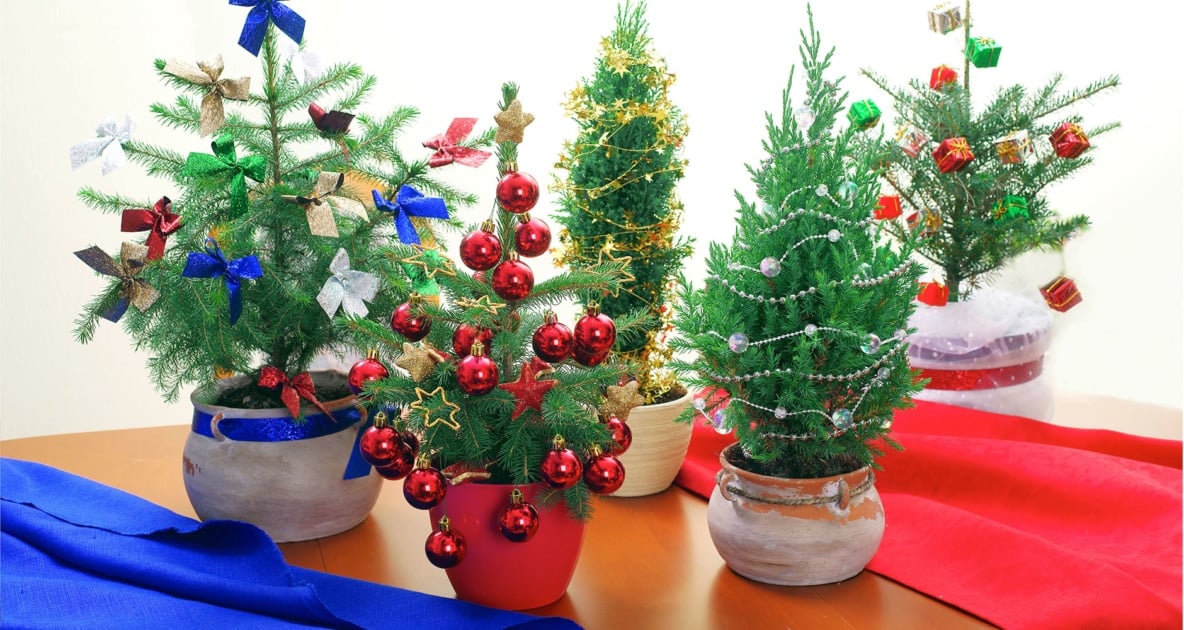
These gems look festive when you decorate each with a Santa hat and line them up in a row. Decorate each one as a mini Christmas tree with an assorted theme (all red, all silver, all natural burlap). The best part: the recipient can plant these in the ground once the holidays end and enjoy the tree for many Christmases to come.
4. Cyclamen
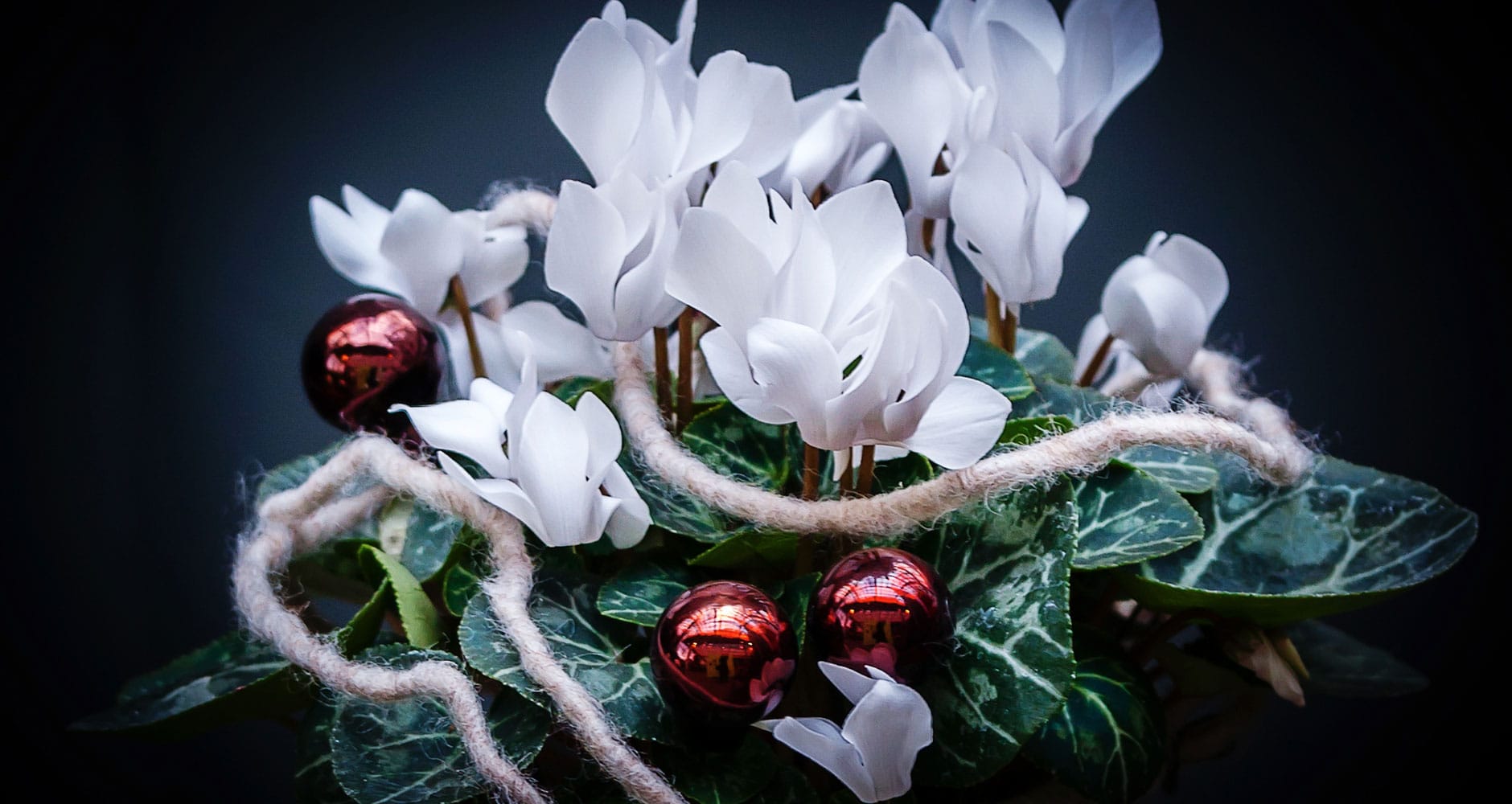
Place a cyclamen in a silver mirrored bowl topped with small silver bells and shiny ornaments. Cyclamen prefer a cool room (55 to 65 degrees F) and bright indirect light, which is why they are traditionally the plant that thrives on a chilly December windowsill when nothing else does.
5. Christmas Cactus or Thanksgiving Cactus
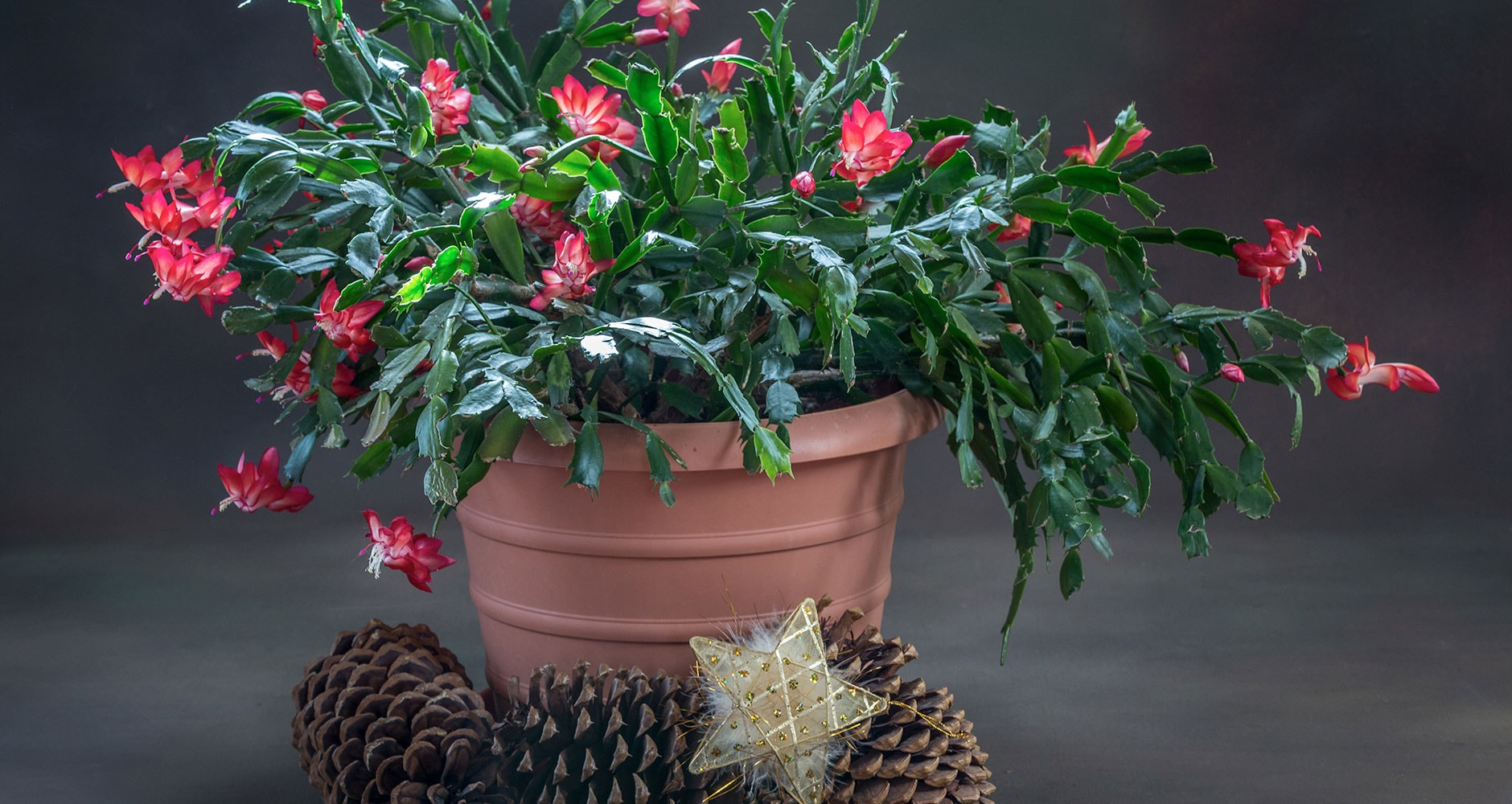
Place one of these beauties in a large red wooden bowl set atop a pedestal, or wrap the pot with a bow or holiday decorations for a truly standout gift. Confused about which is which? Read our guide to the Thanksgiving cactus vs the Christmas cactus: leaf segments with pointed edges are Thanksgiving cactus (blooms November); rounded segments are Christmas cactus (blooms December).
6. Christmas Peppers
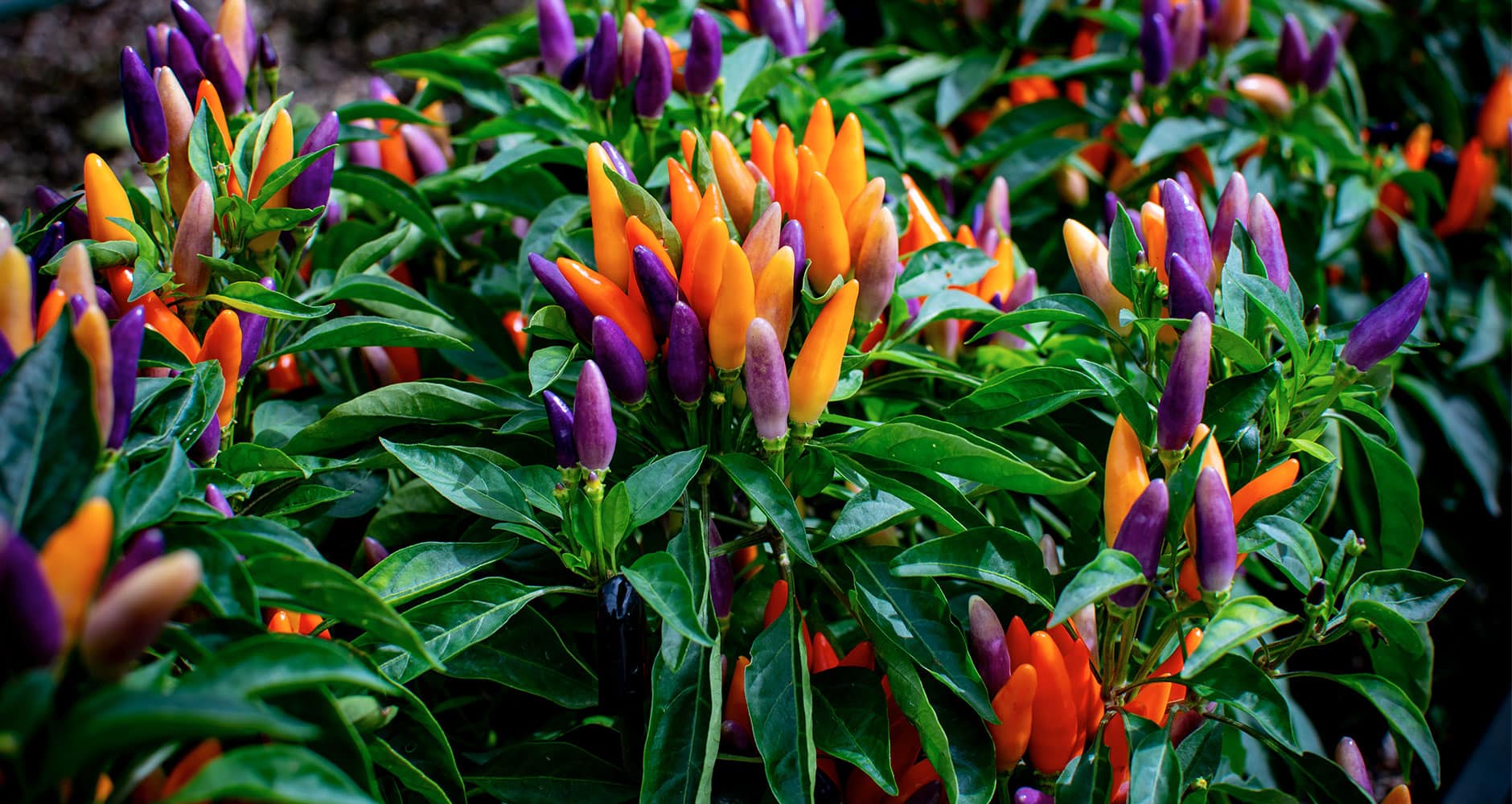
Once more popular than poinsettias, the Christmas pepper plant is a chili pepper grown as an indoor annual. Colorful peppers against green leaves, and the peppers even look a bit like Christmas lights. Tie the pot with a bow and watch the recipient’s face light up. The peppers are edible but very hot; keep the plant out of reach of small children and pets.
What the Numbers Say About Holiday Plant Gifting
USDA NASS reports the poinsettia is grown by the millions in California, North Carolina, and Ohio and shipped to almost every grocery, hardware, and garden center in the country. Roughly 90 percent of poinsettia sales happen in a 6-week window from mid-November to late December. Orchids and Christmas cactus are the two long-lifespan gift plants (10 to 30 years for a well-kept Christmas cactus). Mini pines and Christmas peppers are the seasonal impulse buys and rank consistently in the top 10 for late December sales at big-box hardware retailers.

Plant Care Tips
If you are lucky enough to receive a holiday plant as a gift, follow these plant care tips and keep them healthy all year long. Or consider printing these tips out on festive card stock for family and friends.
- Christmas plants ship straight from the greenhouse without much transition time. The pretty foil and bows that decorate most gift plants keep the root ball intact during shipment, but they also trap moisture and set the stage for root rot. Remove the foil and place the pot in a decorative container that lets water drain.
- To keep them alive through the holidays and beyond, put them in a draft-free zone: away from radiators, forced-air vents, exterior doors, and drafty windows. Arrange them decoratively but as close to a bright light source as possible, warm natural light or a bright LED.
- Allow the potting soil to dry back between waterings, but not so far that the soil shrinks away from the sides of the pot.
- These are tropical plants that start shutting down for the winter the moment they leave ideal greenhouse conditions. That is normal, not a sign of dying.
- Their potting soil already contains slow-release fertilizer. Feeding them during acclimation overwhelms their natural rest period, causing brown fertilizer spots and stunted growth. Fertilize in spring and summer only, unless you keep tropical conditions such as a terrarium.
- Orchids need less water than other tropical plants because they do not have a true root system. Water only a few tablespoons per week. If leaves start to shrink or wrinkle, increase water 1 tablespoon at a time.
- Poinsettias, mistletoe, holly berries, and amaryllis all show up on the ASPCA toxic-plants list for cats and dogs. Poinsettia is the mildest of the four, holly berries and mistletoe are the most dangerous.
See which holiday plants are toxic.
Frequently Asked Questions
Are poinsettias poisonous to cats and dogs?
Not seriously. The ASPCA classifies poinsettia as mildly toxic. Chewed leaves or the milky sap can irritate a pet’s mouth or upset the stomach, but serious poisoning is rare. Holly berries, mistletoe, and amaryllis pose bigger risks. If a pet chews a large amount of any holiday plant, call your vet or the ASPCA Animal Poison Control Center at 1-888-426-4435.
How do I keep a poinsettia alive past Christmas?
Bright indirect light, no drafts, water only when the top inch of soil is dry, and no fertilizer until spring. To rebloom for the following Christmas, from October onward the plant needs 14 hours of complete darkness every night (in a closet or covered with a box) plus normal daytime light. That is why most people buy a fresh one each year.
What is the difference between a Thanksgiving cactus and a Christmas cactus?
Both are Schlumbergera species, but the leaf segments differ. Thanksgiving cactus has pointed, claw-like tips on each leaf segment and blooms in November. Christmas cactus has rounded, scalloped edges and blooms in December. Both like bright indirect light, moderate water, and cool nights.
How often should I water a holiday orchid?
About once a week, a few tablespoons at a time. Phalaenopsis orchids grow on tree bark in the wild, so their roots want moisture and air, not standing water. If the pot has a clear liner, water when the roots turn silvery-gray and the moss looks dry. Yellowing leaves usually mean too much water, not too little.
Can I plant the mini pine tree in my yard after Christmas?
Yes, in most climates. Give the tree a few days indoors to enjoy, then move it to a sheltered spot outdoors for a week to harden off, then plant it in the ground when the soil is workable. Water it well through the following summer. Mini pines are usually dwarf Alberta spruce, Norfolk Island pine, or lemon cypress; each has different cold-hardiness limits, so match the tree to your USDA zone.
Why did my Christmas cactus drop its buds?
Bud drop is almost always a stress signal, sudden temperature swings, drafts, moving the plant during blooming, letting the soil dry out completely, or overwatering. Set the plant in a stable spot, water when the top inch of soil is dry, and leave it alone until the blooms open.
Are Christmas peppers edible?
Yes, but they are hot chili peppers, not sweet, and they are usually bred for looks rather than flavor. Keep the plant out of reach of small children and pets. Once the peppers dry, some cooks use them to spice up salsas and stir-fries.

Christal James
Christal James is a food and garden enthusiast. Since 1984, she has enjoyed writing for horticulture and business publications. She loves the feminine arts, her sweetheart, children, horse, and dogs. When the weather is nice, you can find her hiking in the Phoenix Mountain Preserves or walking her dogs.

Thanks for the tour! I’ve heard of Richters thugroh my herb research, but have never visited or purchased from them. And scented geraniums they’re the best! Can’t get enough of them.