

Red Sky at Night: Is the Sailor’s Saying Really True?
What does this old weather lore saying about a red sky predict about the weather to come? We have the answer.
Quick Reference: Red Sky at Night
- The rhyme: “Red sky at night, sailor’s delight. Red sky in morning, sailor’s warning.”
- Red sky at sunset (west): high pressure and stable, dry air moving in from the west, usually fair weather ahead.
- Red sky at sunrise (east): the good weather has moved off to the east, and a wetter system may be on its way.
- Why it turns red: dust and dry air scatter the short blue wavelengths and let the long red ones through.
- Where it holds up: mid-latitudes, roughly 30 to 60 degrees, where weather marches west to east.
“Red sky at night, sailor’s delight. Red sky in morning, sailor’s warning.” That couplet is one of the oldest weather forecasts in the English language, and people have leaned on it for centuries. Sailors read it from the deck before setting sail, and farmers read it from the field before deciding when to cut hay or sow a row. The short answer for 2026 is that the saying holds a real kernel of truth, at least in the part of the world where most of us live. Below is what the colors are telling you, why they work, and where the old rule runs out.
What the Red Sky Saying Means
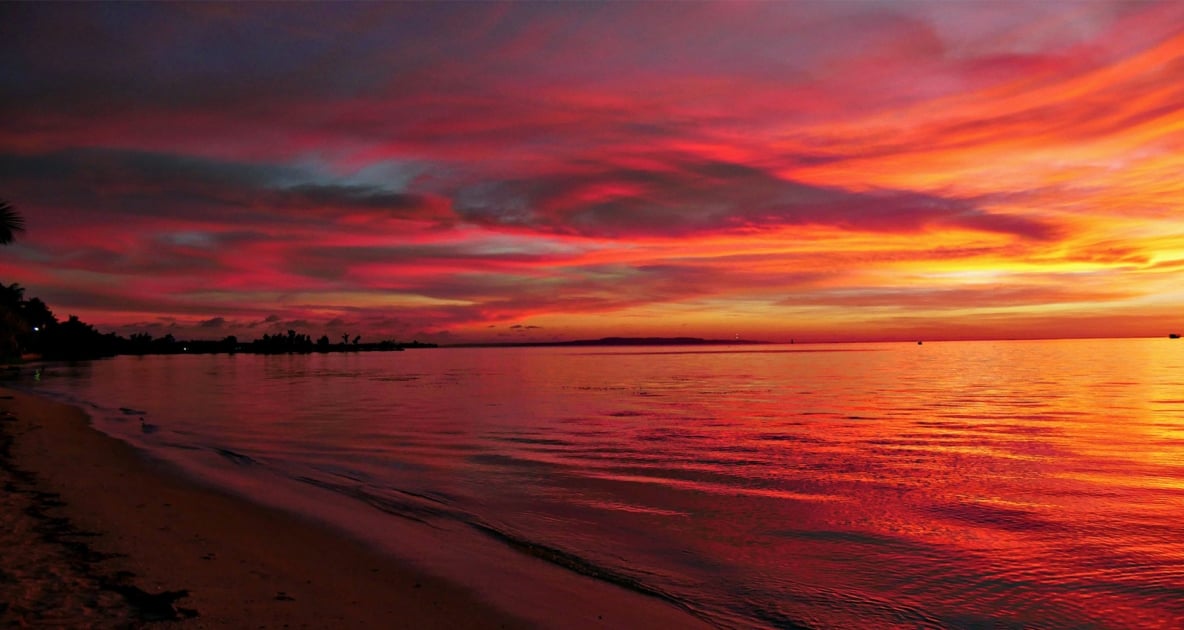
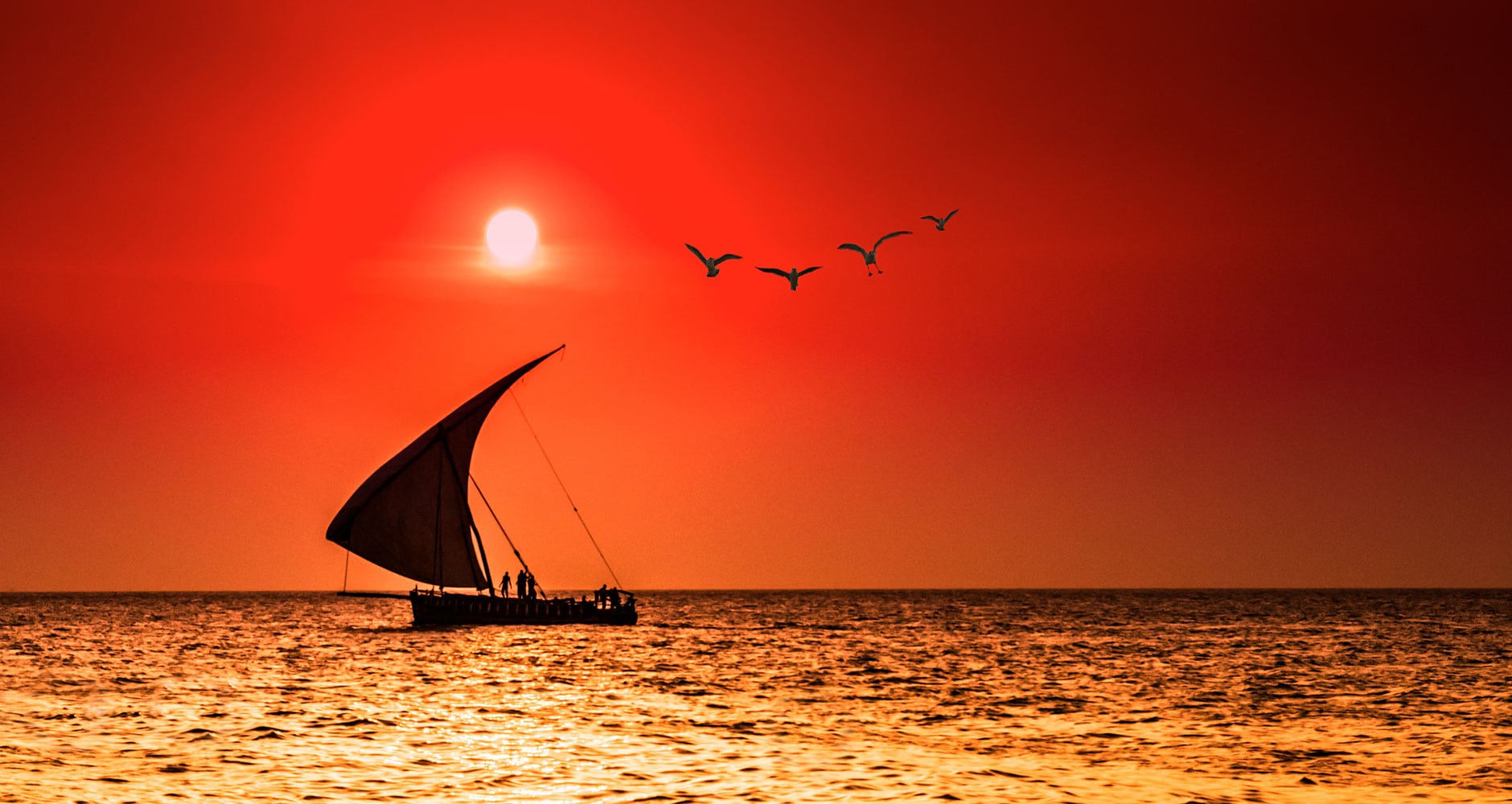
Have a look at the sky at sunrise or sunset and it can seem nearly on fire, ablaze with hues of orange and red, frighteningly beautiful and surreal. The weather lore saying is inspired by this very image. Sailors used such sayings to predict the weather as they navigated their ships through the seas, and farmers relied on them to predict rainfall and the best time to plant their crops. The rhyme splits the day in two. A red sky at night points to fair weather coming. A red sky in the morning is the warning. The reason that split matters comes down to which direction the weather is moving, which is the heart of the weather lore behind it.
Reality Behind the Red Sky Weather Lore
The color changes that we see in the sky have to do with the wavelengths in the color spectrum. As the rays of sunlight bounce off the water vapor in the atmosphere they pass through, they split into the colors of the spectrum. Red skies suggest that the clouds are filled with a lot of dust and moisture. If there is a red sky at sunset, it is due to high levels of pressure and stable air conditions that are coming in from the west. Because the west is generally the direction that storms move in from, stable air in that direction usually indicates good weather.
If the sky is red at sunrise it is generally an indication that dust particles from a storm have passed from the west, moving east, and a deep red indicates a high water concentration in the clouds that could mean heavy rain. In other words, the fair weather that lit up last night’s sky has already slid off to the east, and whatever follows it could be wetter.
The Science of Pressure, Dust, and Light
The folklore lines up with two pieces of plain physics: how air moves and how light scatters. Low pressure pulls air together and lifts it, which builds clouds and brings rain. High pressure does the opposite. Air sinks and spreads out, which keeps the sky clear and traps dust and fine particles near the ground. Sailors learned the shorthand long before anyone measured a millibar: low pressure for foul weather, high pressure for fair.
Color is the second half. When the Sun sits low at sunrise or sunset, its light travels a long, slanting path through the lower atmosphere. The short blue wavelengths scatter away, and the long red and orange ones carry through to your eye. Dust and dry particles, the same ones trapped under a high-pressure dome, scatter that red light even more. So a deep red western sky at sunset is a sign that clear, settled air is parked to your west and rolling your way. The National Oceanic and Atmospheric Administration explains the same chain of pressure, dust, and light scattering behind the red sky saying on its Global Monitoring Laboratory site.

When the Red Sky Rule Works, and When It Does Not
The rule is a rule of thumb, not a law. It works best in the band of westerlies, roughly 30 to 60 degrees latitude in both hemispheres, where storm systems generally travel from west to east. That covers most of the United States, southern Canada, and the United Kingdom, which is where the saying took root. Closer to the equator or the poles, where the prevailing winds run differently, a red sky tells you far less about tomorrow.
A few honest cautions keep you from over-reading a sunset. Local terrain, mountains, coastlines, and big lakes can steer weather in ways the sky color will not show. Wildfire smoke or volcanic haze can paint a red sky that has nothing to do with the next front. And the brightest red sunsets often sit at the leading edge of a high, so fair weather may last a day rather than a week. Read the color as one clue among several, not the whole forecast.
| What you see | What it usually means | How much to trust it |
|---|---|---|
| Red sky at night, looking west | Dust and dry air to the west, with high pressure moving in | Reasonable in mid-latitudes where weather tracks west to east |
| Red sky in the morning, looking east | The clear air has already passed and a system may be following | The more reliable half of the rhyme |
| A deep, brilliant red sunset | Often the leading edge of a high | Fair weather may last a day rather than a week |
| Pale pink or washed-out colour | Moisture in the air | Weak signal. Read it with the cloud, not on its own |
| Red sky with a lowering cloud deck | The front is closer than the colour suggests | Trust the cloud over the colour |
Other Skies Worth Reading
The red sky rhyme is one line in a long book of sky-reading. A rippled, scaly pattern of high clouds, called a mackerel sky, often means moisture is moving in aloft and a change is on the way. Ring-shaped halos around the Sun or Moon point the same direction. For more of these old signs, our roundup of weather folklore collects the proverbs that have earned their keep, and our full Moon dates and times help you tie the night sky to the calendar. Using the simple image of the sky to predict the weather may seem oversimplified today, when we have modern technology such as Doppler radar and satellites, but these sayings are based on logic and truth that helped pre-modern people understand the complexities of Mother Nature. Folklore got there first, and the math caught up.

Red Sky at Night: Frequently Asked Questions
Is “red sky at night, sailor’s delight” actually true?
It holds a real kernel of truth in the mid-latitudes, where weather moves from west to east. A red sky at sunset means high pressure and dry, stable air are sitting to your west and rolling in, which usually points to fair weather. It is a useful rule of thumb, not a guarantee.
Why does the sky turn red at sunset and sunrise?
When the Sun is low, its light travels a long, slanting path through the lower atmosphere. The short blue wavelengths scatter away and the long red wavelengths carry through to your eye. Dust and dry particles trapped under a high-pressure system scatter that red light even more, deepening the color.
What does a red sky in the morning warn about?
A red sky at sunrise means the dry, fair-weather air has already moved off to the east. With the high pressure gone, a wetter system may be moving in behind it, and a deep red can signal a high water concentration in the clouds that could bring heavy rain.
Where in the world does the red sky rule work best?
It works best in the band of westerlies, roughly 30 to 60 degrees latitude in both hemispheres, where storms generally travel west to east. That includes most of the United States, southern Canada, and the United Kingdom. Near the equator or the poles, where the prevailing winds run differently, the saying tells you much less.
Can a red sky fool you?
Yes. Wildfire smoke or volcanic haze can paint a red sky that has nothing to do with the next front, and local terrain like mountains, coastlines, and big lakes can steer weather the color will not show. Read it as one clue among several rather than the whole forecast.
Did farmers use the red sky saying too, or just sailors?
Both. Sailors read the sky from the deck before setting out, and farmers relied on the same signs to predict rainfall and choose the best time to plant or harvest. The rhyme survived because it gave working people a quick read on the next day’s weather long before radar and satellites existed.

Kyla Baxter
Kyla Baxter is a recent graduate of the University of Southern Maine. She received her undergraduate degree in social and behavioral science and will be participating in a work study program in New Zealand in the fall. Writing has been a long time passion of hers and she hopes to pursue a career in professional writing in the future. She feels very fortunate to have the opportunity to intern with the Farmers’ Almanac.

I saw this beautiful red golden sky last night in the winter season of February. Gave me the happy feeling that spring is near. Lo and behold today the weather was dry, sunny, open skies and a pleasant 3°C in Montreal!
In Germany, the dust that fell to the ground was called “Sahara dust” and was examined in the laboratory. A finding dated 03/22/2022 established an aluminum content there of an unbelievable 46,000 mg/kg. This also explains the red color at sunset.
Years ago my wife and I were gathering a few rock scallops and sea bass in about 40 feet of water. She cut herself on a rock and bled green. The specific frequency of light wave that allows us to see the red color is the first one to be filtered out in ocean water. We usually carry a dive light even during the day in order to bring colors back, otherwise things appear much like a black and white picture I suspect the green skies are a result of a huge amount of moisture in the atmosphere Filtering out the light waves that allow you to see the color red.
I’ve also heard the saying, “Red sky in the evening, sailor’s deceiving.” I suppose that suggests that not all red skies at night portend good weather. Mother Nature has been known to play jokes on us!
I was able to catch a glimpse of this for the 1st time with my ISS App (International Space Station) with a sunrise.
Iam out side farm yes I think there is lots of truth to the folk lore,s
I have observed a green tone to the whole outside,just before a tornado is to hit
I have observed the whole outside seems to have a green tone just before a tornado
How interesting, I grew up hearing my mother say that all the time, always thought she didn’t know what she was talking about. I truly believe you can predict the weather just by observing your surroundings. Thanks for sharing!
In the Edmonton,Alberta area, we always had a hailstorm when the sky was a weird green colour !