

The Hurricane’s Hundred Horrible Hands: A Weather Folklore
The ancient Greeks believed a hundred-handed monster was behind hurricanes. Learn more!
Quick Reference
- Who: The Hecatonchires, three monstrous brothers in Greek myth (Briareus, Cottus, Gyges). Each had fifty heads and one hundred hands.
- The job: Zeus kept them under the seas (River Okeanos and the Aegean) and sent them to release Tartarus’s storms on mortals when the gods were displeased.
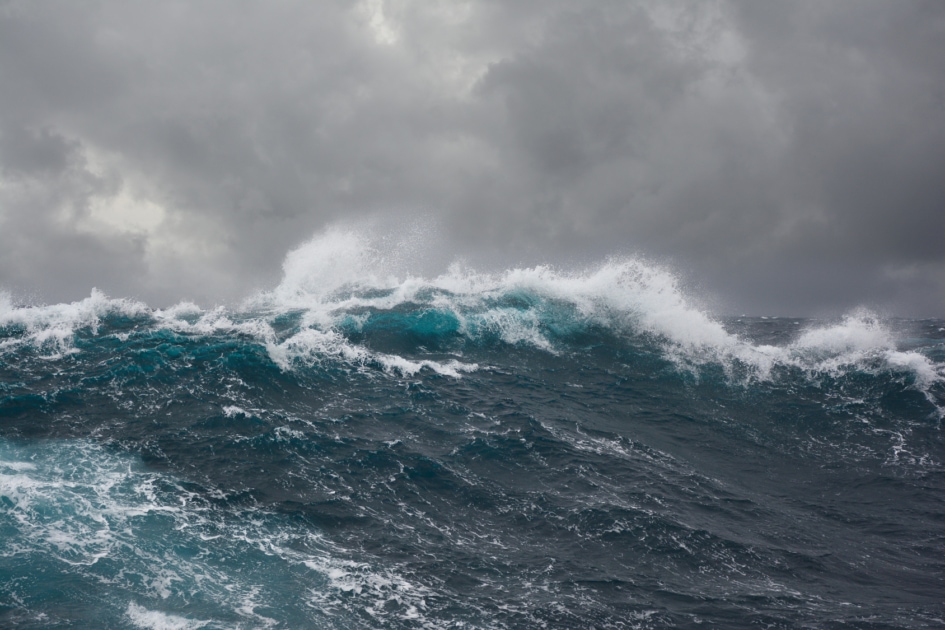
- The science: Hurricanes form over warm ocean water when warm moist air rises into cooler upper air. The motion is similar to water swirling down a drain, with a calm “eye” at the center.
- Atlantic season: June 1 through November 30, peaking in early to mid September.
- Companion read: See our 2025-2029 hurricane names and Hurricane Sandy retrospective.
Long before modern science began to understand the processes that create our weather, people made up their own explanations. Many of these accounts were fantastic in nature, with evil or benevolent gods, monsters, and spirits controlling the elements. In this series, we explore some of these ancient myths and share the science behind them. Weather + mythology = weather-ology!
Hurricanes are one of the most destructive forces of nature around. Just within the last decade, we have seen an entire city wiped out and rebuilt in the wake of a hurricane. It is no surprise, then, that the ancient Greeks imagined this weather phenomenon was a divine punishment from the gods.

Hurricane Myths and Legends
According to myth, hurricanes were caused by the Hecatonchires, three monstrous gods born from the union of Uranus, the sky god, and Gaia, the Earth goddess. The brothers, named Briareus, Cottus, and Gyges, each had fifty heads and one hundred hands. Upon seeing them, Uranus was horrified and cast them into Tartarus, a bleak underworld filled with chaos and despair. The brothers were eventually rescued from their torment by Zeus, who enlisted them in his battle against the Titans. The Hecatonchires overwhelmed the Titans by raining stones upon them with their hundred hands, and were rewarded with palaces beneath the waters: Cottus and Gyges in the River Okeanos and Briareus beneath the Aegean Sea. Zeus assigned them the lifelong job of releasing the punishing storms of Tartarus upon mortals at the command of the other gods.
Why a Hundred Hands?
The image is doing a lot of work. A hurricane uproots trees in one place and tears off roofs in another at the same minute. To explain that simultaneous, far-flung damage, the Greek storyteller did not invent one giant. They invented three giants with three hundred hands between them. One brother per ocean basin. Many hands per coast. The result is a creature whose myth quietly anticipates what radar would later show: a storm is not a single point of force, it is a sprawling field of pressure that touches dozens of places at once.
How Do Hurricanes Really Form?
Today, we know that hurricanes are an impersonal force caused by areas of low pressure over the ocean. When that happens, warm, moist air from the ocean’s surface rapidly rises into the atmosphere and collides with cooler air. The water vapor then condenses into storm clouds. Gradually, more warm moist air is drawn into the developing storm, pulling more heat from the surface of the ocean into the atmosphere and creating a powerful wind pattern that spirals around a relatively calm center, known as the eye. The motion is similar to water swirling down a drain.
It is hard to believe that simple heat and air pressure can be responsible for such violent storms. After the destruction wrought by Katrina and other memorable hurricanes, it is easy to see why the ancient Greeks imagined a monster would need a hundred hands to do so much damage.
The Atlantic Hurricane Season, By the Numbers
The Greeks left the dates to Zeus. Modern meteorology pins them down. The official Atlantic hurricane season runs from June 1 to November 30, and the peak of the curve sits on or about September 10.
| Stat | 30-year average |
|---|---|
| Named storms (Atlantic) | 14 per year |
| Hurricanes | 7 per year |
| Major hurricanes (Category 3+) | 3 per year |
| Season opens | June 1 |
| Statistical peak | September 10 |
| Season closes | November 30 |
The Saffir-Simpson scale rates a storm Category 1 through 5 based on sustained winds. Cat 5 storms have winds of 157 miles per hour or higher. The National Hurricane Center issues every advisory and the official forecast cone you see on television.
Storm Gods Around the World
The Hecatonchires were not the only hurricane creators in the global pantheon. Coastal cultures everywhere named the storm.
- Hurakan (Maya): The one-legged storm god who blew the floodwaters across the world. The English word “hurricane” descends from his name.
- Huracan (Taino, Caribbean): The same storm god, brought across the Atlantic by Spanish chroniclers, who took the word back to Europe.
- Susanoo (Japanese): The Shinto storm god whose tantrums caused typhoons.
- Xolotl (Aztec): The dog-headed twin of Quetzalcoatl, associated with lightning and the violent winds of late summer.
- Set (Egyptian): God of storms, deserts, and chaos, who ruled the violent winds out of the south.

Frequently Asked Questions
Who are the Hecatonchires?
The Hecatonchires were three monstrous brothers in Greek mythology: Briareus, Cottus, and Gyges. Each had fifty heads and one hundred hands. Born to Uranus and Gaia, cast into Tartarus, then rescued by Zeus to fight the Titans, they were assigned to release the punishing storms of Tartarus upon mortals.
Where did the word “hurricane” come from?
From Hurakan, the Maya storm god, by way of the Taino word “huracan” recorded by Spanish chroniclers in the 16th century. The English “hurricane” is a direct descendant of that Caribbean name.
How does a hurricane actually form?
A hurricane forms over warm ocean water when warm moist surface air rises rapidly and collides with cooler air aloft. The water vapor condenses into storm clouds, more heat is drawn upward, and the system spirals around a calm low-pressure eye. The motion is like water swirling down a drain.
When does the Atlantic hurricane season run?
June 1 through November 30, with the statistical peak around September 10. The 30-year average is 14 named storms, 7 hurricanes, and 3 major hurricanes (Category 3 or higher) per Atlantic season.
What is the eye of a hurricane?
The eye is the calm, low-pressure center of the storm, typically 20 to 40 miles across. Inside the eye, winds drop and the sky often clears. Around the eye is the eyewall, where the strongest winds and heaviest rain are concentrated.
Why did the Greeks imagine a hundred-handed monster?
A hurricane uproots trees in one place and tears off roofs miles away in the same minute. To explain simultaneous, sprawling damage, the storyteller invented three giants with three hundred hands between them. The image quietly anticipates what radar would later show: a storm is a wide field of pressure, not a single point.
Where can I track an active hurricane?
The National Hurricane Center publishes every advisory, the forecast cone, and live track maps for all Atlantic and East Pacific systems. The Farmers’ Almanac long-range forecast also flags the months and regions where Atlantic activity is most likely each season.
Tell Us
Have you ridden out a hurricane? Tell us in the comments. For more storm folklore and named storms, see our 2025-2029 hurricane names and Hurricane Sandy coverage.


Jaime McLeod
Jaime McLeod is a longtime journalist who has written for a wide variety of newspapers, magazines, and websites, including MTV.com. She enjoys the outdoors, growing and eating organic food, and is interested in all aspects of natural wellness.
- Jaime McLeod

- Jaime McLeod
- Jaime McLeod
- Jaime McLeod




Wonderful information considering I live in south Louisiana
this is a very interesting article, i like the ones like this that make me think!
thank ya