

Small Farm Animals: Best Picks for Small Spaces
These animals may be small in size, but they’re big on benefits!
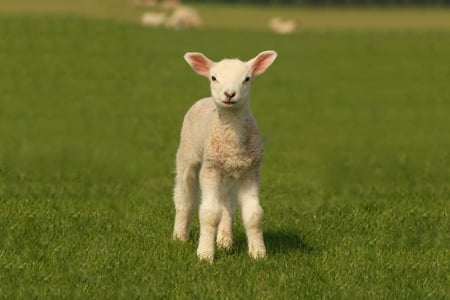
Quick Reference: Best Small Farm Animals for Small Spaces
- Sheep and goats: herd animals, so keep at least two. They give milk, fiber, or meat and are far easier on your back than a horse or cow.
- Chickens and ducks: eggs, meat, and free pest control. Every kind of fowl needs a fully caged, predator-proof run.
- Rabbits: the smallest footprint of all. Quiet, tidy, and a fit for tight urban and suburban lots.
- Space: you do not need acres. Carol Cummins raised everything from emus to cows on just 3 acres.
- First step: check your local zoning rules, then talk with someone already raising the animal you want.
When most of us picture a pet, we picture a cat, a dog, or maybe a hamster in a cage. A growing number of families in 2026 are picturing something else: a pair of goats in the backyard, a small flock of hens, or a hutch of rabbits by the garden. These small farm animals, sometimes called micro-livestock, fit on modest urban and suburban lots and still earn their keep. They eat excess garden waste, give you fresh ingredients for the kitchen, and supply manure that feeds the garden.
Animals are part of a healthy ecosystem no matter the size of your property. You do not have to own hundreds of acres to keep them. Rabbits take up little space, and so do chickens or a couple of goats. But every animal comes with its own benefits, limitations, and care requirements, so take a few minutes to map out your options before you start. That way you do not end up as the livestock version of the “crazy cat lady.”
Start With the Folks Who Are Knee-Deep in Manure
The best way to begin your research is to ask the people who are knee-deep in manure and love it. Two of them have been at this for years. Josh Pecukonis is well known in central Montana for raising heritage Navaho-Churro sheep, along with rabbits and a myriad of fowl. Carol Cummins of Copley, Ohio, is another small-animal veteran. She has raised everything from emus to cows for decades on just 3 acres.
Between them they have kept nearly every animal on this list, made the beginner mistakes, and figured out what actually works on a small parcel. Their advice runs through the sections below.
Sheep and Goats
Sheep and goats are ideal for someone looking for a countrified pet or small livestock that yields milk, fiber, or meat. They do not require an elaborate shelter or an excessive amount of attention. It is best to keep more than one, since they are herd animals, but even a pair is not much work.
“You really don’t need a lot of room,” says Pecukonis. “It really depends on the climate, but a lot of people can have them in their backyard.” Cummins agrees that they are easy company. “They’re not as much work as a dog,” she points out. And compared with a horse or cow, she says, “If you’re only keeping one, it is infinitely cheaper feed and hay wise.” They are not picky about their forage, either.
You still need to deworm, vaccinate, trim hooves, and handle other routine maintenance, but all of it is far easier on sheep and goats than on a larger animal. Most people can do it themselves. Castration might be taking it a little far for some folks, but it is possible with proper training. For a plain-English primer on the health basics, Michigan State University Extension keeps a useful guide to raising small ruminants.
Shearing is the real challenge. “Sheep need sheared or they’re just miserable,” Cummins says. The tough part in some areas of the country is finding someone to do it, particularly for just a handful of sheep. Line up a shearer before you bring the animals home.
Goats have a reputation, and it is earned. “I had pygmies,” Cummins says. “Those things are amazing if you want a pet. They were the hardiest breed I’ve ever seen. I’ve never had major problems with hooves or illness.” Sheep are fairly docile and will forgive a little slack in your fencing. Goats will not. “Pygmy goats are devious little buggers,” she laughs. They found ways out of her fence that would impress Houdini. Both sheep and goats are content with a place out of the wind and weather and a pasture to graze.
There is a breed for every purpose. The Angora goat is best known for the soft undercoat that gives us cashmere. Boers are raised for meat. The LaMancha and the long-eared Nubian are excellent milk producers. Goats are a fine addition to a small homestead. “I’ve never seen one housetrained,” says Cummins, “but they’re a lot of fun.” Add a few things for them to climb on and you will get cheap entertainment, because their antics are hilarious.

Chickens and Ducks
If you are looking for “real” chicken for your freezer, Cummins recommends broilers. “It’s the best-tasting chicken you’ve ever had in your life,” she says. “They’re fabulous tasting, but they are not pets. They grow like crazy. You always keep food in front of them.” An ample amount of chicken manure is the obvious result. If you want it for the garden, you will be in heaven. If not, you have to get creative about how you handle it.
For eggs, Pecukonis favors the “Silver Penciled” Hamburg breed. “They’re a very appealing heritage breed, and are super layers,” he says. They keep producing eggs years after many modern layers are done, which matters if you want chickens for the egg basket. It also raises a question worth settling early: what will you do with the birds once their laying days are over? It is perfectly fine to keep them until they die of natural causes, but decide before your coop turns into a nursing home for hens.
A standard feed mix with oyster shell, for the layers, is adequate for your flock. And you will never throw kitchen waste away again. Chickens eat everything from carrot tops to meat scraps, and they forage well, which keeps down your feed bill. The University of Minnesota Extension has a steady guide to raising chickens for eggs if you want to confirm feed and coop details for your own setup.
Ducks are just plain fun. One of Cummins’s favorite duck breeds is the Peking. “They were easy keepers because you can train them,” she says. She would open the coop door, call them, and they would come marching out in a single file. Besides being a candidate for Christmas dinner, ducks are one of the best ways to keep pests out of your garden, since they nibble slugs with relish. For more on getting a flock started, see our guide to keeping backyard chickens.
Rabbits: The Smallest Footprint on the Homestead
Rabbits are the quiet workhorse of the micro-livestock world, and they are the reason Pecukonis keeps a hutch alongside his sheep and fowl. They take up almost no room, they make no noise a neighbor would notice, and a single doe can supply a steady stream of meat, fur, or garden fertility. That combination is why rabbits are often the first animal a family tries on a small lot.
Match the breed to the job. For wool, the Angora rabbit gives a soft fiber that spins much like the Angora goat’s. For meat, larger breeds such as the New Zealand and the Californian are the traditional choices. If you want a calm pet that still earns its keep with manure, a mid-size breed like the Rex is easy to handle. Rabbit droppings are one of the few manures you can put straight on the garden without composting first, so a hutch set near the beds does double duty.
Keep the hutch dry, shaded, and off the ground, with wire small enough to keep out weasels and rats. Rabbits handle cold far better than heat, so summer shade and fresh water matter most in July and August. A rabbit’s manure, in turn, feeds the garden that feeds your table, which is exactly the kind of small circle these animals are good at closing.
How Much Space Do You Need, and What Do the Rules Say?
Space is the first thing people worry about and often the last thing that actually stops them. Cummins raised everything from emus to cows on just 3 acres, and most small-lot keepers get by on far less. A pair of pygmy goats, a handful of hens, or a rabbit hutch can fit a suburban backyard with room to spare. The real limits are usually written down at city hall, not measured in acres.
Before you buy a single animal, check three things: your local zoning ordinance, any homeowners association rules, and the setback distances a coop or shed must keep from property lines. Many towns allow a small flock of hens but ban roosters over noise, and some cap the number of animals per lot or require a permit. A quick call to your municipal clerk or county extension office settles it in an afternoon and saves you the heartbreak of rehoming a favorite goat later.
Plan the manure side of the ledger, too. A well-placed pen turns daily chores into next season’s fertility. If you garden, route the bedding and droppings toward the beds and time your spreading with the Gardening by the Moon Calendar, and pair your animals with the right crops using our companion planting guide.
Predator-Proofing the Coop and Run
All fowl need protection from predators, and this is where beginners lose birds. Cummins keeps hers in a stall with outside access, and the run is completely caged, top to bottom. “A raccoon or possum have all night to find their way in,” she says. The rule of thumb is to think like a predator when you build: raccoons reach through wide wire, foxes dig under fences, and hawks drop from above.
Use half-inch hardware cloth rather than chicken wire, which a determined raccoon can tear or reach through. Bury the wire six to 12 inches along the base to stop diggers, cover the top of the run, and close the coop every night with a latch a clever paw cannot flip. Sheep, goats, and rabbits need the same thinking against dogs and coyotes: solid fencing and a secure night pen.
Health protection counts as much as predator protection. Backyard flocks can carry Salmonella even when the birds look clean, so wash your hands after handling birds or eggs and keep coops away from where food is prepared. The Centers for Disease Control and Prevention keeps current guidance on staying healthy around backyard poultry.
Getting Started the Right Way
Keeping small livestock is a way to liven up your animal world, and it can very well keep you in eggs, meat, and fiber, or at least lend a beak to managing pests in the garden. Start with one animal that fits your space and your appetite for chores, learn its rhythm through a full year of seasons, then add from there. Talk to a nearby keeper, line up a vet who treats small livestock, and settle the hard questions, like what happens at the end of a laying life, before the animals arrive.
Do what is best for your family and your land. As Pecukonis puts it, “It’s a nice way to get back to country roots.” Plan your space, grow your homestead.

Small Farm Animals: Frequently Asked Questions
What are the best small farm animals for a small backyard?
Rabbits, chickens, and ducks fit the smallest lots, while a pair of pygmy goats or a couple of sheep works on a modest suburban yard. Each gives you something useful, whether eggs, meat, fiber, milk, or garden manure. Pick the one that matches your space and how much daily work you want, and remember that herd animals like sheep and goats need at least two.
How much land do I need to keep small farm animals?
Far less than most people think. Carol Cummins raised everything from emus to cows on just 3 acres, and a small flock of hens or a pair of pygmy goats can fit a typical backyard. The real limit is usually local zoning, not acreage, so check your ordinance and any homeowners association rules before you buy.
Are goats or sheep easier for a beginner?
Both are easier than a horse or cow, and neither needs an elaborate shelter. Sheep are docile and forgive weak fencing but must be sheared, which can be hard to arrange for just a few animals. Goats, especially hardy pygmies, rarely have hoof or illness trouble but are escape artists, so plan on strong fencing. A place out of the wind and a pasture to graze suits either one.
Which chicken breeds are best for eggs versus meat?
For meat, Cummins recommends broilers, which grow fast and taste far better than store chicken but are not pets. For eggs, Pecukonis favors the “Silver Penciled” Hamburg, a heritage breed and super layer that keeps producing years after many modern layers quit. Feed a standard mix with oyster shell for the layers, and let the birds forage to trim your feed bill.
How do I protect chickens and ducks from predators?
Think like a predator when you build. Use half-inch hardware cloth instead of chicken wire, cage the run top to bottom, bury the wire six to 12 inches to stop diggers, and latch the coop every night. As Cummins says, a raccoon or possum has all night to find a way in, so leave no gap. The same secure fencing protects sheep, goats, and rabbits from dogs and coyotes.
Do small farm animals help the garden?
Yes. Chickens eat kitchen scraps and forage for pests, ducks nibble slugs, and all of them produce manure that feeds the beds. Rabbit droppings can go straight on the garden without composting first. Route the bedding toward your beds, time your spreading with the Gardening by the Moon Calendar, and you close a small circle where the garden feeds the animals and the animals feed the garden.


Amy Grisak
Amy Grisak is a freelance writer, blogger, and photographer specializing in gardening, local food, and stories about her home state of Montana. She enjoys sharing her experiences with self-reliant living and outdoor recreation. Her article on the "hugelkultur" gardening technique appears in the 2021 Farmers' Almanac. You can follow her topics on her site, AmyGrisak.com.
- Amy Grisak

- Amy Grisak
- Amy Grisak
- Amy Grisak





Correction: Angora goats produce mohair (long and curly, grows year round, needs to be sheared), Cashmere goats produce cashmere (shorter undercoat, grows during the winter and is shed in the spring). Very different fibers, very different goats. Both are very sweet and docile, angoras more so. (Angora is produced by rabbits, btw)
‘@ C.M – I believe and have read extensively that while genies fowls are lovely birds to keep snakes and tiks away, they are also the noiseiest creatures. Living with a bunch of them could really drive one up the wall cause of all the cacophony.
Please advise.
I am considering raising some animals on our ranch. I love animals of all kind but have never raised any farm animals. I would like imput from people who have done this along with their opinion as to pros & cons to different animals.. I enjoyed the coments above & hope to hear from some of you who have been down this road & have some good advice. Thank you & God Bless.
We have 3 guinnea fouls and they are the coolest things that you have every seen
I think I am really going to like being a member of Farmer’s Almanac. so far I have learned several things about gardening and small animals. I need all the info I can get!
I have had Katahdin sheep since 1995 & love them. We do live on an acreage but they are perfect for a woman to care for & great around children. Plus this breed doesn’t need shearing as they are hair sheep. They grow hair thick for the winter & loose it in the spring. We raise them for meat & they are perfect for people who want to train herding dogs.
Very interesting article. I’d love to see the inclusion of mini potbelly pigs in the next one! They make fantastic pets both indoors & out.
Thank you Kathryn, I love animals, have been considering what kind to add to our family. Love the fun you had with yours. Will research it for my area. Blessings!
I had a ‘bush’ goat ( generic mix breed) whether that was reasonably house trained as far as urinating – he love to watch the afternoon soap operas and would get up on the back of the sofa and watch ‘As The World Turns’ and ‘Days of Our Lives’ with me. His poops just swept up like rabbit poops and I don’t think he had more than one/two ‘wet’ accidents in the 13 years I had him — he was crate-trained like my dogs, as well as ‘leash’ trained; He went lots of places with me – the people at the bank loved him – and he loved the dog biscuits and cherry or strawberry suckers they handed out!
I have a friend that has a pygmy goat that is fully housetrained. He is such a cutie!