

Natural Ways To Keep Spiders Out Of Your House
Spiders are a part of life, and are beneficial for pest control in your garden. But they're not welcome in your home. These tips and home remedies will help keep them out!
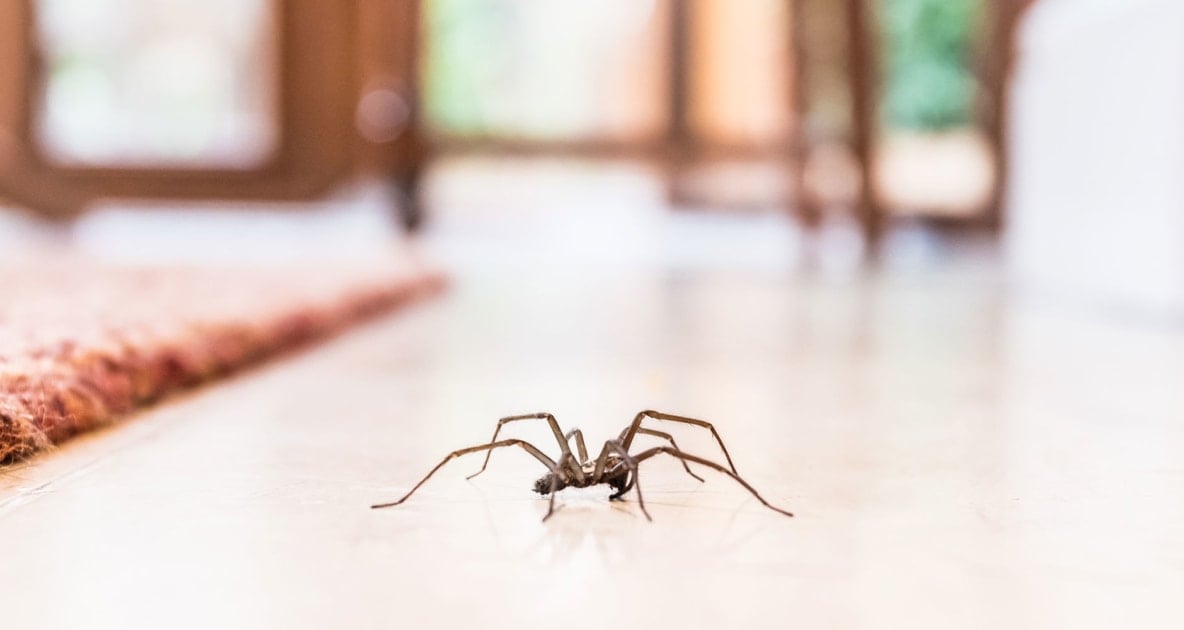
Quick Reference
- The rule: Most house spiders are harmless and useful. The natural way to keep spiders out of your house is to make it less inviting, not to kill them.
- Top 3 repellents: white vinegar spray, peppermint oil, and food-grade diatomaceous earth.
- Top 3 habits: dust and vacuum weekly, seal cracks with caulk, clear leaf piles and firewood off the foundation.
- When to call a pro: if you spot a black widow or brown recluse indoors, or you find egg sacs every season in the same room.
- Best season to seal up: late August through October, before the autumn indoor migration.
Spiders are part of country life and city life alike, and most of them earn their keep by eating the bugs you actually mind. The trouble starts when they cross the threshold and set up housekeeping in your basement, your garage, or the corner of the kitchen ceiling. The plan below is the old Almanac approach: respect the spider, then quietly make your house the wrong address for one.
According to Penn State Extension, the common house spider (Parasteatoda tepidariorum) is “not regarded as a medically important species.” It is the small grayish-brown spider you find on a windowsill in October. It is not the one you should reach for the boot over. The natural ways to keep spiders out of your house in this guide work because they target what spiders need, food, moisture, shelter, and quiet, not the spider itself.
If you would rather meet some of these neighbors before you evict them, our guide to orb-weaver spiders explains why the big web on the porch in September is actually a good sign, and spider crickets covers the long-legged jumpers that are not spiders at all.
Natural Spider Repellents
Six pantry-and-shed materials do most of the work. None is a magic bullet on its own. Used together, and refreshed every couple of weeks, they make the inside of your home smell, taste, and feel wrong to a spider.
1. White Vinegar
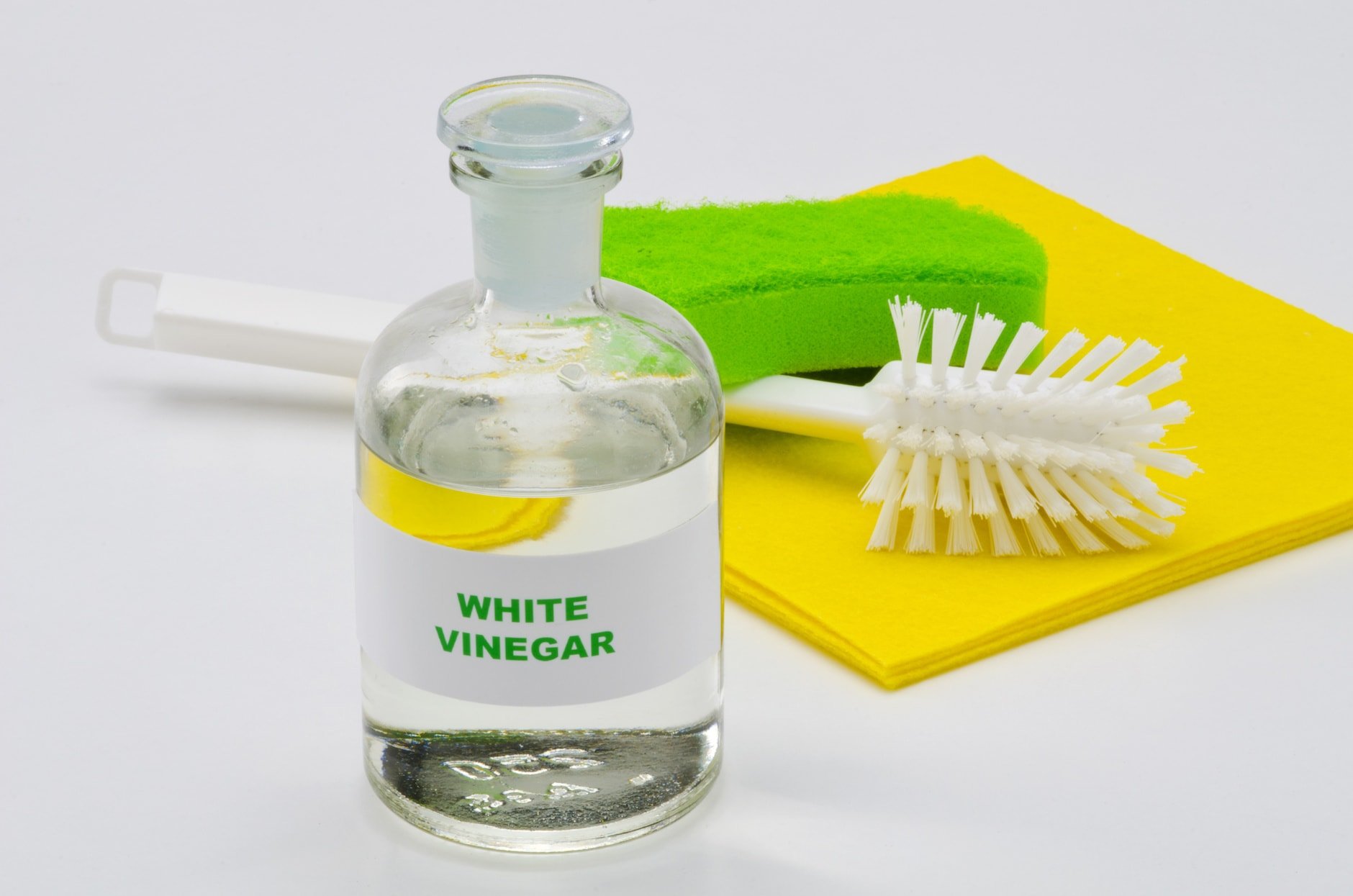
If you do not already keep a stash of white vinegar on hand for cleaning, start. The acetic acid in plain white vinegar is harmless to people and pets but is sour enough that spiders avoid surfaces dosed with it. Mix equal parts vinegar and water in a spray bottle. Treat baseboards, doorframes, windowsills, and the kick plate under the kitchen sink. Wipe it down as you go and you have cleaned the room at the same time. Refresh every two weeks, more often after a damp spell.
2. Citrus

Spiders dislike citrus oils for the same reason they dislike vinegar. A bowl of oranges and lemons on the counter does double duty: snacks within reach, and an active scent boundary for any spider scouting from the windowsill. Save the peels. Rub them along sills, doorframes, and the seam where the countertop meets the wall. To soften the smell of straight vinegar, steep three or four orange peels in a cup of vinegar overnight, then dilute that infusion 1 to 1 with water in a spray bottle. The result is a cleaner that smells like a kitchen, not a salad.
3. Mint

Most insects, spiders included, give peppermint a wide berth. Drop ten to fifteen drops of peppermint essential oil into a spray bottle of water and treat the same baseboard-and-doorframe route you used for vinegar. The house ends up smelling like a candy shop in late October, which is its own reward. Out of fresh leaves? Old peppermint tea bags work the same way: tuck one behind the toaster, one inside the cupboard under the sink, and one in the basement window well. Planting mint in a pot beside the back door extends the same barrier outside.
4. Diatomaceous Earth
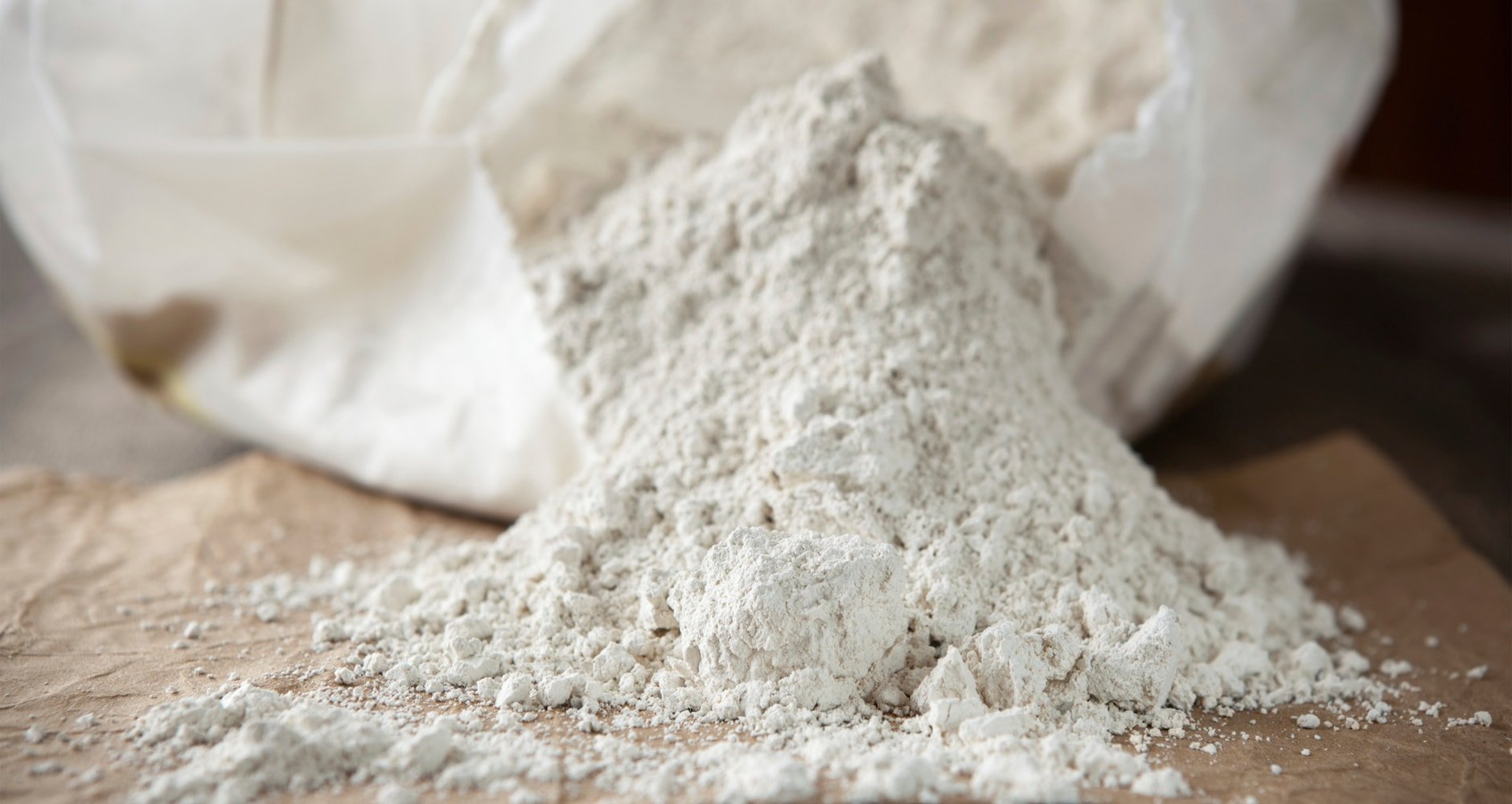
Diatomaceous earth, DE for short, is a chalky white powder made from the fossilized shells of an algae called diatoms. The shells are silica, and at a microscopic level they are sharp. When a spider or other crawling pest walks across DE, the powder absorbs the waxy coating off its exoskeleton and the pest dehydrates. It is inexpensive, it is non-toxic to people and pets, and a small bag lasts a year. Sprinkle a thin line along baseboards, behind appliances, and around any basement floor drain.
For exterior use, mix 1 tablespoon of DE in a spray bottle of water, shake well, and spray the foundation, the underside of the deck, and any garden bed where slugs or beetles are a problem. Either ring vulnerable plants with a thin band of dry powder or hit them with the water mixture. Two cautions. Always buy food-grade diatomaceous earth, not pool-filter grade. And do not breathe the dust. Mixing with water for application keeps the dust down and is the safer default.
5. Cedar
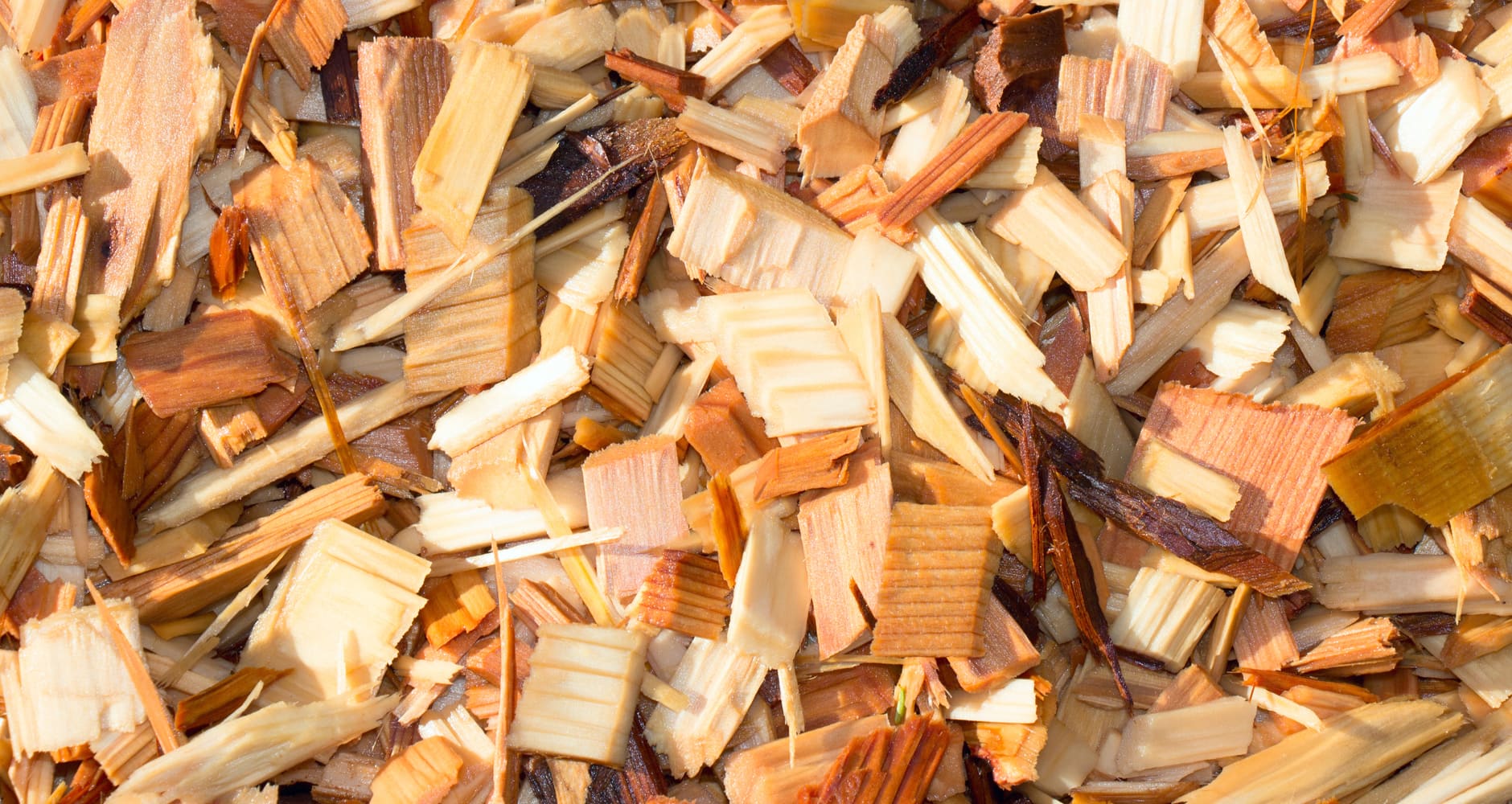
Cedar blocks, cedar chips, and cedar shavings give off oils that drive most arachnids and many insects elsewhere. Tuck blocks in the closet, the linen cupboard, and the shoe shelf in the mudroom. Sprinkle chips in the corners of an unfinished basement or along the foundation outside. The house picks up the woody scent that hardware stores try to bottle. Replace the chips once the smell fades, usually every six to nine months. For more ideas in this same vein, our roundup of natural bug repellents for the home covers the wider lineup.
6. Horse Chestnuts
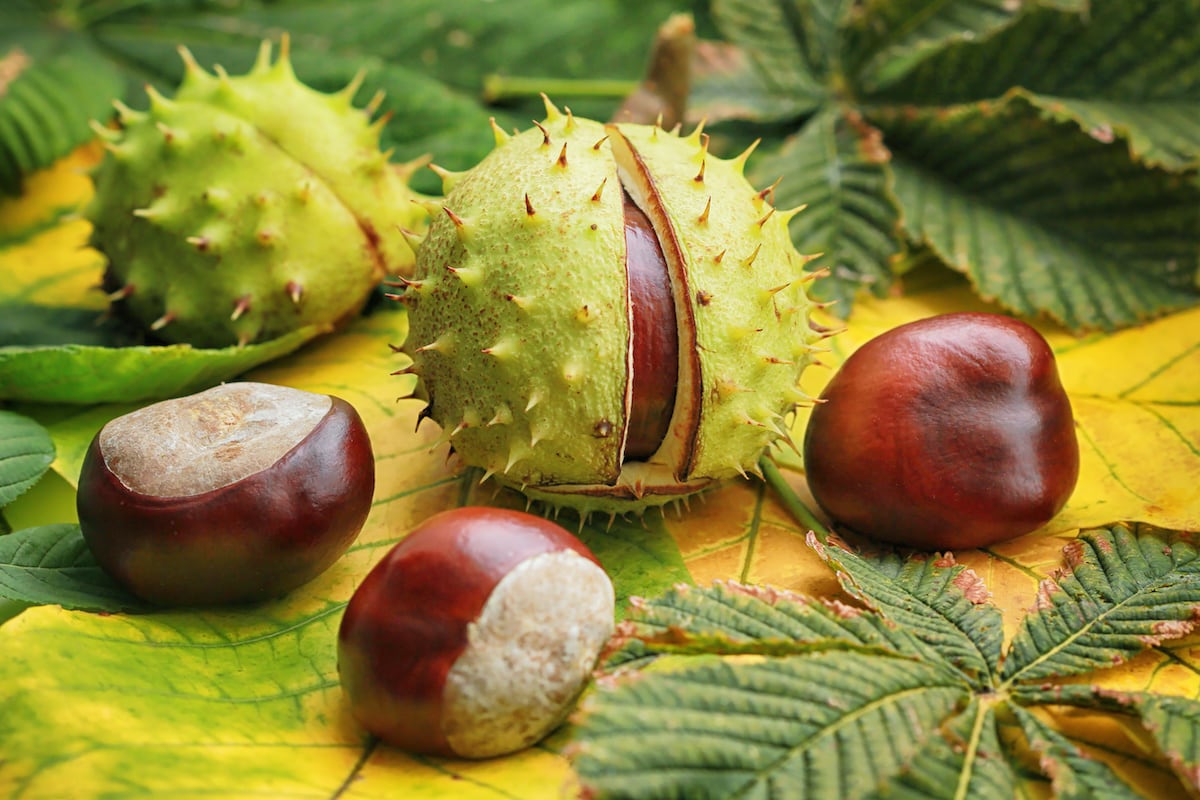
Horse chestnuts ( Aesculus hippocastanum ) are the classic British folk remedy for spider control, passed down for generations and still tested every autumn by readers in damp old houses. Place three or four on each windowsill, along baseboards, and at the back of the closet. Chestnuts last for months before they shrivel, which makes them one of the lowest-effort options on this list. Scientific evidence is thin but the tradition is persistent, and the down side is essentially zero. Try it, see what your house does, and decide for yourself.
Housekeeping Habits That Keep Spiders Out
Repellents move the line; habits hold it. The four routines below are what every old farmhouse manual eventually settles on. None of them needs a special trip to the hardware store.
7. Remove Dust

Spiders favor dusty, undisturbed corners. Cobwebs are old webs the spider has already abandoned, and they are the surest sign you have a soft target. A weekly pass with a long-handled duster on ceiling corners, plus a vacuum along baseboards, undoes the welcome mat. Do not skip behind the couch and behind the bookshelf, which is where the real estate is.
8. Organize Your Home
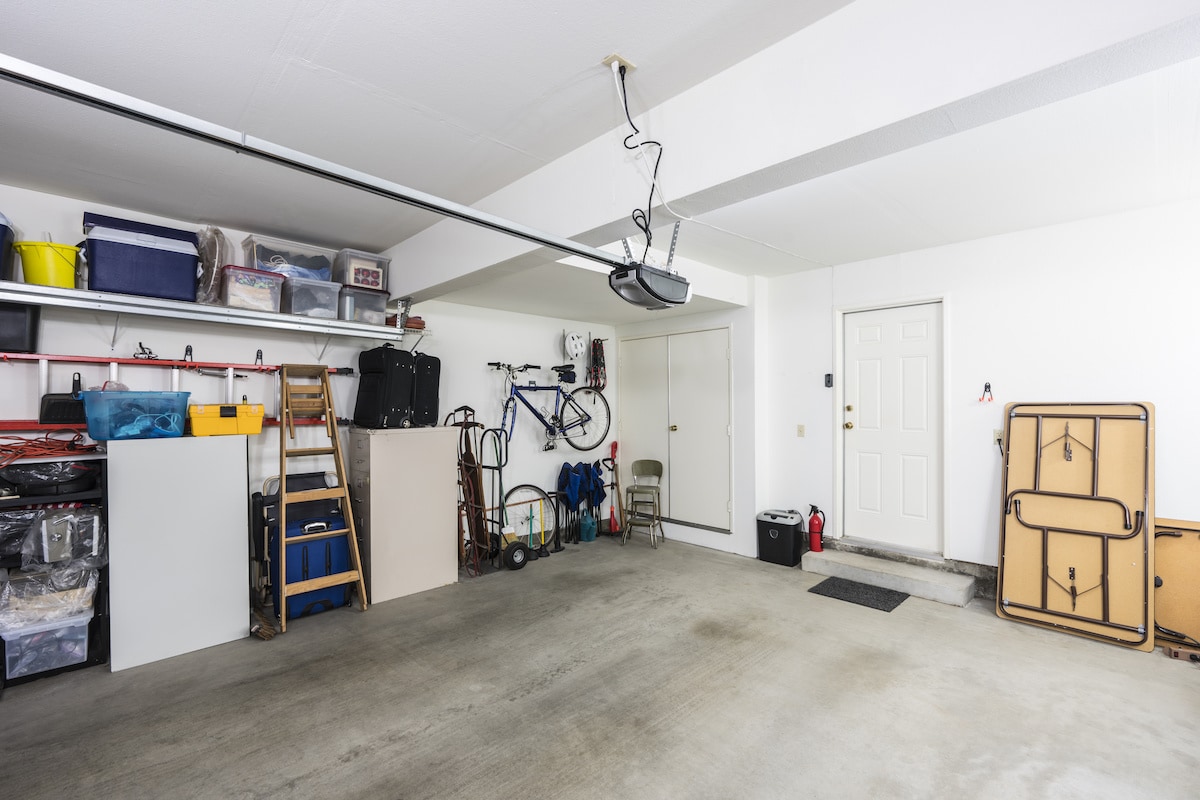
Spiders are drawn to dark, cluttered spaces. Stack and seal the storage in the basement and the garage. Dust and vacuum as you go. Take out the recycling on schedule instead of letting empty boxes pile up by the back door. Cardboard, plywood, and firewood stacked against an inside wall are five-star spider housing. Move firewood to a rack at least twenty feet from the foundation and twelve inches off the ground.
9. Watch Your Landscaping
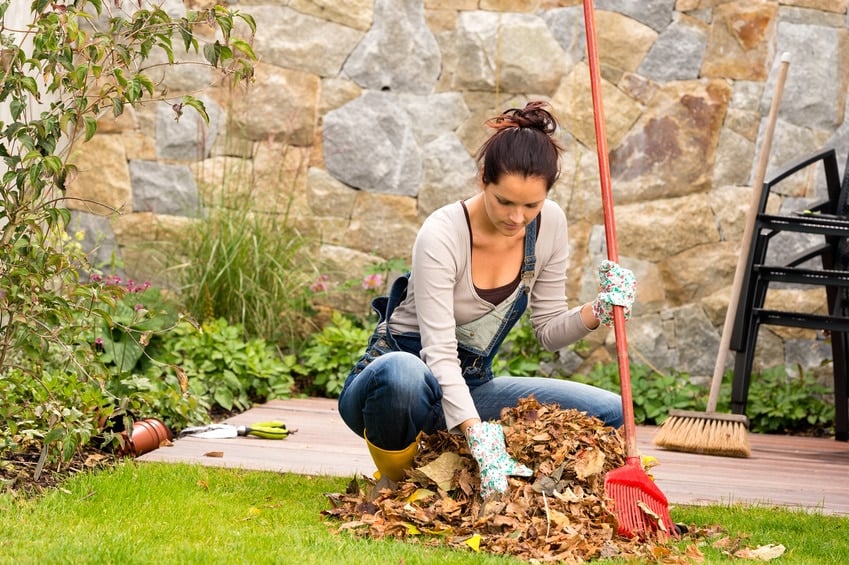
Keep the exterior of the house free of leaf piles, grass clippings, and stacked wood. Prune bushes back from siding so nothing touches the wall. Trim weeds along the foundation. Every leaf pile and every overgrown shrub against the house is a staging area, and most of the spiders you find indoors made their first move from one of those.
10. Do Not Let Them In
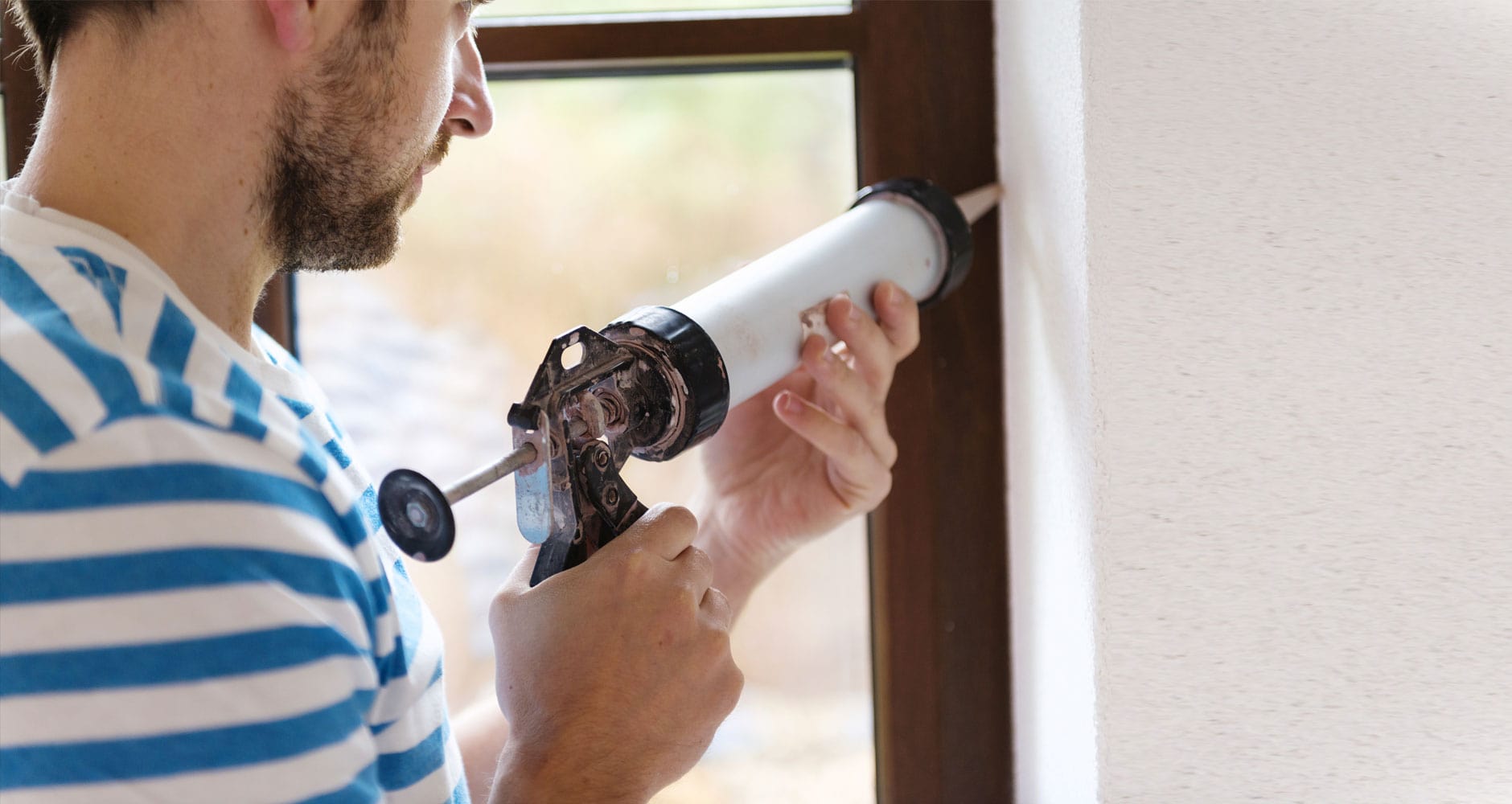
The most reliable natural way to keep spiders out of your house is to deny them a doorway. Walk the perimeter on a sunny afternoon in late August. Look at the bottom of every exterior door for daylight underneath. Check the gap where the dryer vent meets siding, where the AC line enters the wall, and where the foundation meets the sill plate. Caulk small cracks. Add weatherstripping to doors. Replace torn window screens. This single weekend of work outperforms every spray on the list combined.

Regional Spider Pressure in the U.S. and Canada
House spider activity is regional, not national. Knowing the pressure on your zone tells you when to start the routines above.
Wherever you live, the right time to seal up is the four to six weeks before that peak. Crews who reframe a doorway in July do not find spiders inside in October.
Folklore and Tradition
Almanac readers have been writing in about spiders for two hundred years, and the country wisdom is remarkably consistent. “If you wish to live and thrive, let a spider run alive” is the old English rhyme, repeated in New England and the Maritimes well into the twentieth century. The reason was not sentiment. It was pest control. A house spider in the corner of the pantry was eating the flies that spoiled the meat.
The horse-chestnut method on the list above goes back to nineteenth-century England and crossed the Atlantic with British and Irish settlers. The peppermint and cedar tricks are even older. While direct scientific evidence on horse chestnuts is limited, the practice has been tested for generations and the down side is essentially nothing. Try one method, watch what your house does over a week, and let the result decide. The Almanac gives you the methods. You are the one who lives in the house.
When to Worry, and When Not To
Most of the spiders you see in a North American home are harmless and beneficial. Two species are the exception and worth knowing on sight.
- Black widow. Shiny black, dime-sized body, red hourglass on the underside of the abdomen. Found in garages, woodpiles, outdoor storage, basements. Bite is medically significant. Call poison control if bitten.
- Brown recluse. Light brown, leggy, violin-shape marking behind the head. Common in the central and southern U.S., rare outside that range. Hides in undisturbed closets, attics, behind furniture. Bite is medically significant.
- Everything else. Cellar spiders, common house spiders, orb weavers, jumping spiders, wolf spiders. Useful, mostly harmless, escort outside with a glass and a postcard.
For identification help, Penn State Extension’s guide to commonly encountered spiders covers the species most readers will run into east of the Mississippi.
What Not To Do
A few things sound natural and are not worth the time.
- Conkers in a bowl alone. Horse chestnuts work on windowsills, not as a centerpiece across the room.
- Ultrasonic plug-in repellers. Independent testing has found no consistent effect on spiders.
- Pure essential-oil mists with no carrier. They evaporate in hours and stain fabric.
- Spraying the spider directly. You scare it deeper into the wall. Vacuum it up instead and empty the canister outside.
- Outdoor foggers. They kill the beneficial garden spiders that have been eating your mosquitoes.

FAQ: Natural Ways to Keep Spiders Out of Your House
What is the single most effective natural way to keep spiders out of your house?
Seal the entry points. Caulk the cracks where the foundation meets the sill plate, weatherstrip exterior doors, and patch torn window screens. Spray-on repellents move the line by a few feet. A sealed house moves it to the property line.
Do peppermint oil and vinegar really repel spiders?
Yes, in practice, on the surfaces you treat. Both work on contact and by scent, and both wear off in a week or two. Reapply every two weeks during peak indoor season, which is late August through October in most of the U.S. and Canada.
Is diatomaceous earth safe around pets and kids?
Food-grade diatomaceous earth is non-toxic if eaten in small amounts and is widely used in feed and grain storage. The hazard is dust inhalation when you apply it dry. Mix with water in a spray bottle for safer application, and store the bag out of reach like any other powder.
Why do I see more spiders in fall?
Late summer through early fall is mating season for many North American house spiders, and cooler nights push them toward the warm seam under your siding. The autumn surge usually peaks in late September and early October across the northern U.S. and southern Canada, a week or two later in the South.
Should I kill spiders I find indoors?
You can if you want, but you do not need to. Most house spiders are eating the insects you would actually mind, including flies, gnats, mosquitoes, and pantry moths. The neighborly move is to scoop the spider into a glass with a postcard and walk it outside. Do what works for your household.
Does the moon phase affect indoor spider activity?
Anecdotally, many readers report quieter spider weeks during the new moon and busier ones around the full moon, which tracks loosely with insect flight activity. It is not a strong enough effect to plan around, but it is one more reason to use the Gardening by the Moon Calendar when planting your pest-repelling herbs.
What if the house already has a heavy infestation?
Vacuum every visible web and egg sac, top to bottom, twice in one week. Empty the canister outside each time. Then run the full routine: vinegar spray, peppermint, DE behind appliances, and a perimeter caulk walk. If you find webs in the same spots two weeks later, or if you spot a black widow or brown recluse, call a licensed pest control professional.


Natalie LaVolpe
Natalie LaVolpe is a freelance writer and former special education teacher. She is dedicated to healthy living through body and mind. She currently resides on Long Island, New York, with her husband, children, and dog.
- Natalie LaVolpe

- Natalie LaVolpe
- Natalie LaVolpe
- Natalie LaVolpe





Thanking you so much @everyone.awesome info
Great, useful article. I’ve been using mint for awhile.
Also, here in Southern California, ants have been invading. I sprinkle ground cinnamon on their trails or spray with strong lemon water. Both work.
We love those ideas too! I also use cayenne pepper on ant trails – but cinnamon works very well!
In basement I would get spiders as they like damp places so I got a dehumifier and picked it up at a yard sale. Also spiders do not like moth balls, so put them around too. Not a spider around anymore
If one more spider tries to eat me in my sleep, I’m gonna have the funkiest smelling house around here. I thought Osage orange fruit or hedge apples, monkey balls, etc. Worked for getting rid of spiders, but mine are dried up. Would lemongrass work in place of mint?
I found this out by accident. I needed something to help open my sinuses and found some menthol crystals at a drugstore. What I did was put a couple on our wood stove and they melted and vaporized the entire room. Everyone got a dose, but be careful, it will burn your eyes if you stand too close. Anyway, it wasn’t until later that we realized that all the bugs were gone. What you need is something hot to put the crystals on, but not too hot or they will burn up.
A neighbor chemist told me to use ordinary household Borax laundry booster. I put a hand full in the corners and dark spots and at sills and doors. spiders don’t like it and keep away. Have alot less now and boy do I hate those bums. What bothers me are the knats that get in thru the screens. They seem to follow you room to room. I have been puting apple cider vinegar in a ramkin type bowl, cove with plastic wrap and pole holes. They like the sweet vinegar and get into the bowl but can’t get out.
I have no fear of spiders but, I am wary of the Brown Recluse.
We had a BIG long legged spider in our basement. She had a gorgeous spider web. She kept the place clean of bugs. My kids used to tap on the web and she’d come out to investigate! Her name was Matilda.
“This article is so informative and has great tips to follow. I was looking for some good hacks to get rid of pesky pests and in this article, I found all the information.
10 Easy Ways to Spider-Proof Your Home
“
Moths and mosquitos and ants are more of a pest than spiders. I welcome spiders to build webs in the corner of my windows to snare those flying bastards effectively reducing the numbers of things flying thru your open windows in the summer and eliminating the need for expensive air conditioning. that’s my idea of natural remedies for pest control!
Hi Kevin, yes, they are effective at pest control but many would prefer them to do their work outside.
Until one climbs in your ear one night lol. This happen to me just night before last night and I was traumatized. I need them gone!
Literally looking this up because I suddenly got out of bed and saw a spider on my head board by my pillow. I can’t sleep now.
this is the reason im doing this research now my girlfriend had this exact thing happen to her i also heard moth balls is a good thing to put around your house for spiders and other bugs other than moths
Never use peppermint oil as a spray or in an essential oil burner if you have a cat. Oils like peppermint and eucalyptus stick to cat fur when in the air and are ingested when they clean themselves and it’s toxic to cats when ingested.
Thorough article, and Great information from everyone. Appreciate the warning with kitties and avoiding certain essential oil scents that are toxic. I too, can tolerate a few spiders, especially a Daddy Long Legger! But, don’t want an infestation. Certain insects I have zero tolerance for and these tips are useful.