

White Vinegar Benefits: 14 Smart Uses Around the Home

Quick Reference: White Vinegar Benefits
- What it is: distilled white vinegar, a dilute acetic acid that has been made for about 2,500 years.
- Around the house: streak-free windows, brass polish, a fresher toilet bowl, a deodorized disposal, and a degreased range hood.
- In the yard and coop: a spot weed killer on young growth, a digestion tonic for chickens, and a flea-and-tick rinse for pets.
- In the kitchen and laundry: firmer poached eggs, fluffier towels, fewer underarm stains, and the last drops out of every jar.
- Rule of thumb: equal parts vinegar and water cleans most surfaces. Keep it off natural stone, hardwood, and cast iron.
The jug of white vinegar in the pantry may be the hardest-working bottle in the house. It costs a few dollars, keeps for years, and does the job of a shelf full of specialty sprays. Folks have leaned on it for generations, and the reasons are simple: it cleans, it deodorizes, and it is gentle on the wallet. Here are 14 white vinegar benefits worth keeping in mind, some you may have forgotten about, along with a plain answer to what white vinegar actually is.
What is White Vinegar?
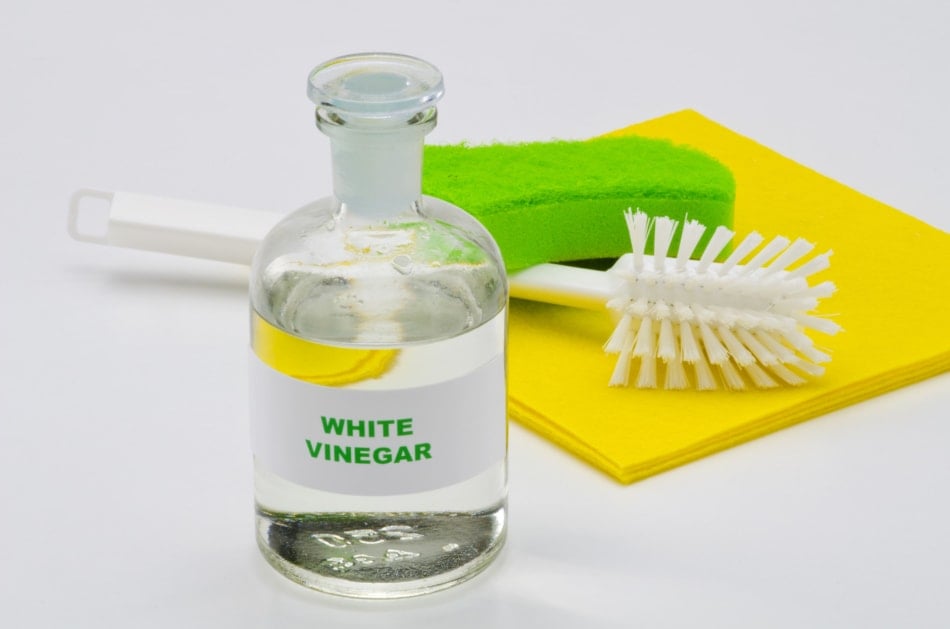
Vinegar has been produced commercially for about 2,500 years, making it one of the oldest products in use by humans. There are many different types of vinegar out there, all produced by the oxidization of alcohol into acetic acid, but white vinegar is the most useful and the most versatile by far. Also known as “distilled vinegar,” it is a wonderful cleaning agent. If you want your house sparkling clean and smelling fresh, break out the white vinegar.
The cleaning power comes from the acetic acid, usually around 5 percent in the bottles sold for the kitchen. Michigan State University Extension explains how that mild acid cuts grease, lifts mineral deposits, and freshens odors around the home, which is why one jug stands in for so many products. A word of caution before you start: keep vinegar off natural stone like marble and granite, off waxed hardwood, and off cast iron, since the acid can etch or strip those surfaces.
Here are 14 ways to use white vinegar, some you may have forgotten about.
1. Streak-Free Windows

Wash the glass with a mixture of equal parts white distilled vinegar and warm water, then dry with a soft cloth. This solution makes your windows gleam and will not leave the usual film or streaks on the glass. Old newspaper works even better than paper towels for the final buff.
2. Brass Polish

Brass, copper, and pewter, think holiday candle holders, will shine if cleaned with the following mixture. Dissolve 1 teaspoon of salt in 1 cup of white distilled vinegar and stir in flour until it becomes a paste. Apply the paste to the metals and let it stand for about 15 minutes. Rinse with clean warm water and polish until dry.
3. Cleans and Disinfects The Toilet Bowl
Stubborn stains can be removed from the toilet by spraying them with white distilled vinegar and brushing vigorously. Deodorize the bowl by adding 3 cups of white distilled vinegar. Allow it to remain for a half-hour, then flush.

4. Weed Killer
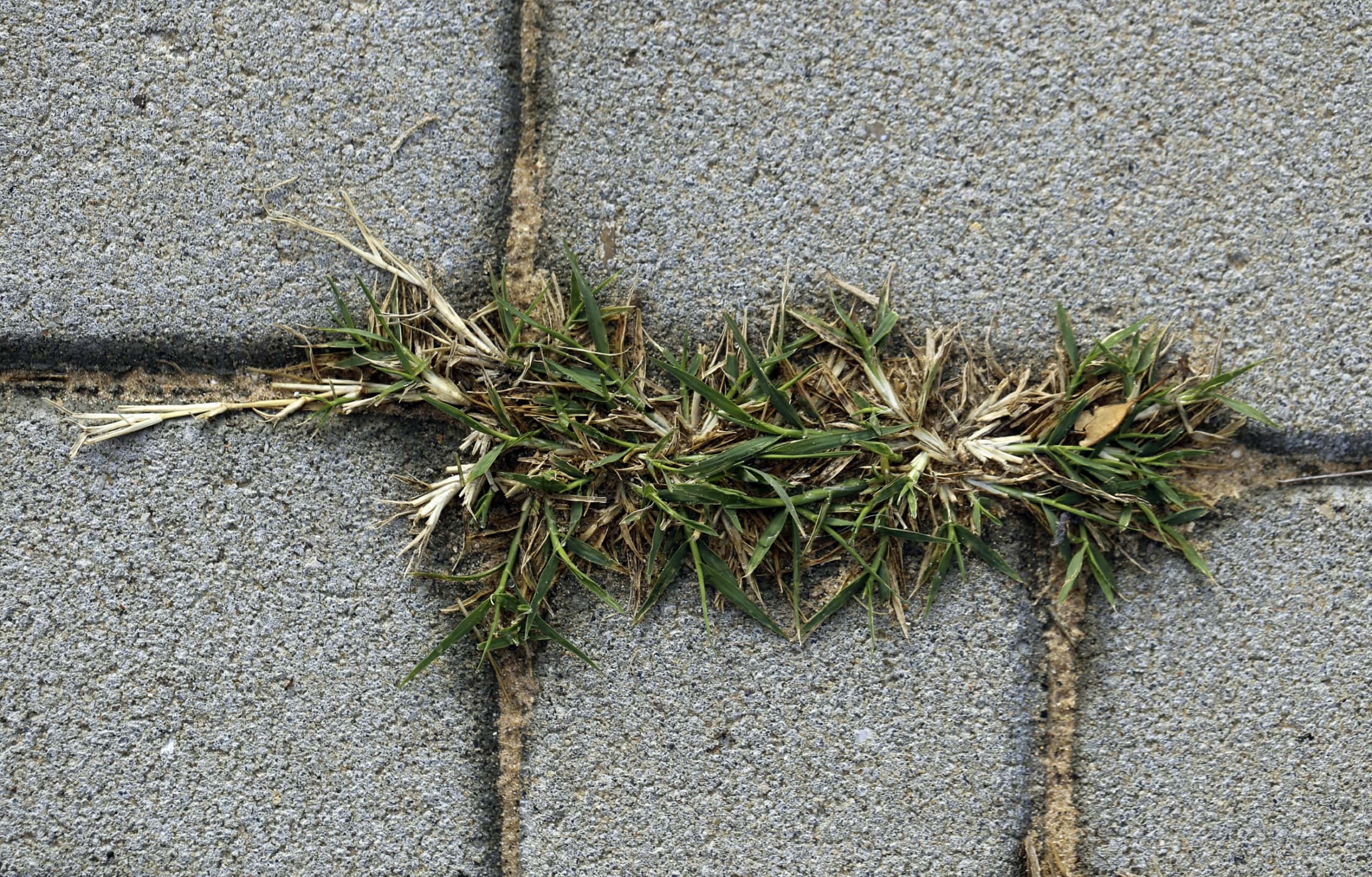
Spray white distilled vinegar full strength on the tops of weeds. Reapply on any new growth until the plants have starved. Note that the vinegar solution only works on emerging young plants, not mature leaves, and it works best on a hot, sunny day. Keep the spray off the plants you want to keep, since it does not know the difference.
5. Chicken Digestion Tonic
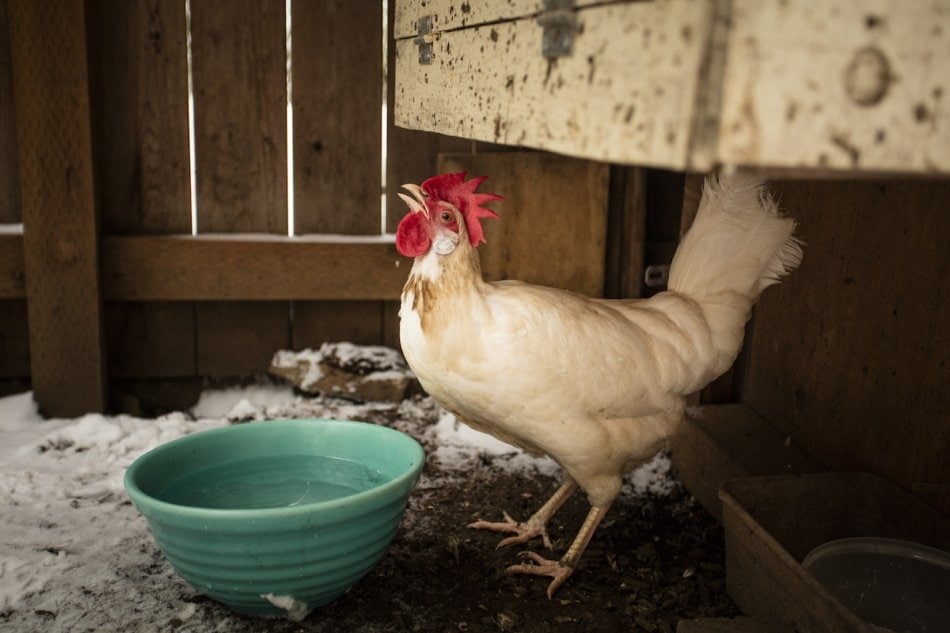
Vinegar can be used as a tonic to aid digestion for chickens and backyard poultry. Just add 1/4 teaspoon to two gallons of water. Use a plastic or glass waterer rather than a metal one, since the acid can react with the metal.
6. Pest Controller

A teaspoon of white distilled vinegar for each quart bowl of drinking water helps keep your pet free of fleas and ticks. The ratio of one teaspoon to one quart is for a forty-pound animal, so adjust up or down for the size of your dog. Check with your veterinarian first if your pet has any health concerns.
7. Paintbrush Softener

Soak a stiff paintbrush in hot white distilled vinegar to loosen the dried bristles, then wash it out with warm, sudsy water. A brush you were ready to toss can come back to life with this trick.
8. Laundry Additive

Add 1 cup of white distilled vinegar to the final rinse cycle. It leaves towels fluffy, whites whiter, and colors more vibrant. The vinegar smell rinses away completely, so your clothes come out fresh rather than tangy.
9. Getting the Last Drops
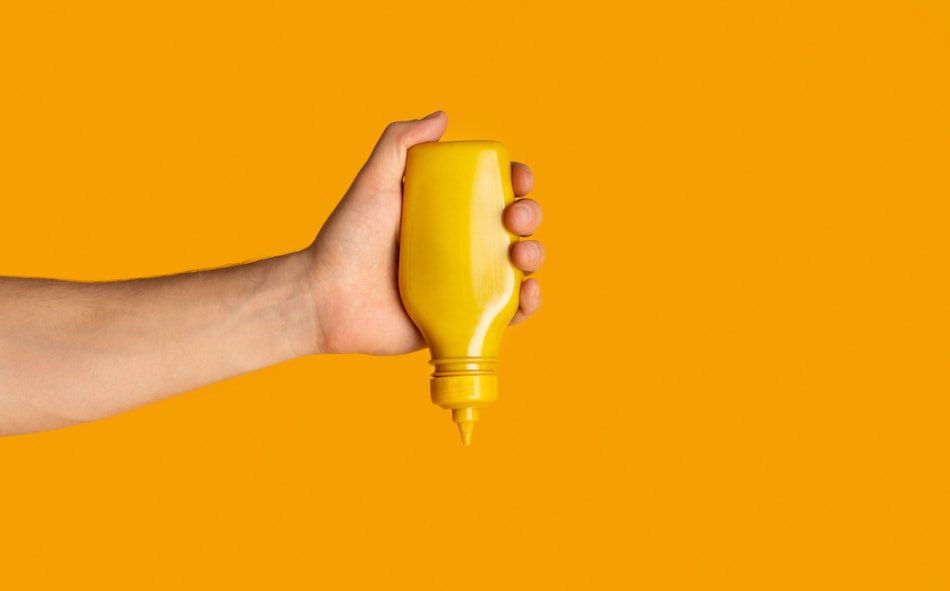
When you cannot get the last bit of mayonnaise, mustard, or salad dressing out of the jar, try dribbling a little vinegar into it, put the cap on tightly, and shake well. You will be amazed at how much you have been wasting. It is a small habit that adds up to real money saving over a year of groceries.
10. Treat Sinus Infections

Add 1/4 cup or more vinegar to a vaporizer and breathe in the steam. Be sure to check the vaporizer instructions for the additional water measurement. This is an old home comfort, not a medical cure, so see your doctor if symptoms hang on or worsen.
11. Perfect Poached Eggs

Add a tablespoon of white vinegar to the boiling water when making poached eggs to keep the whites uniform. The acid helps the egg white set quickly instead of feathering off into the pot.
12. Remove Underarm Stains and Smells
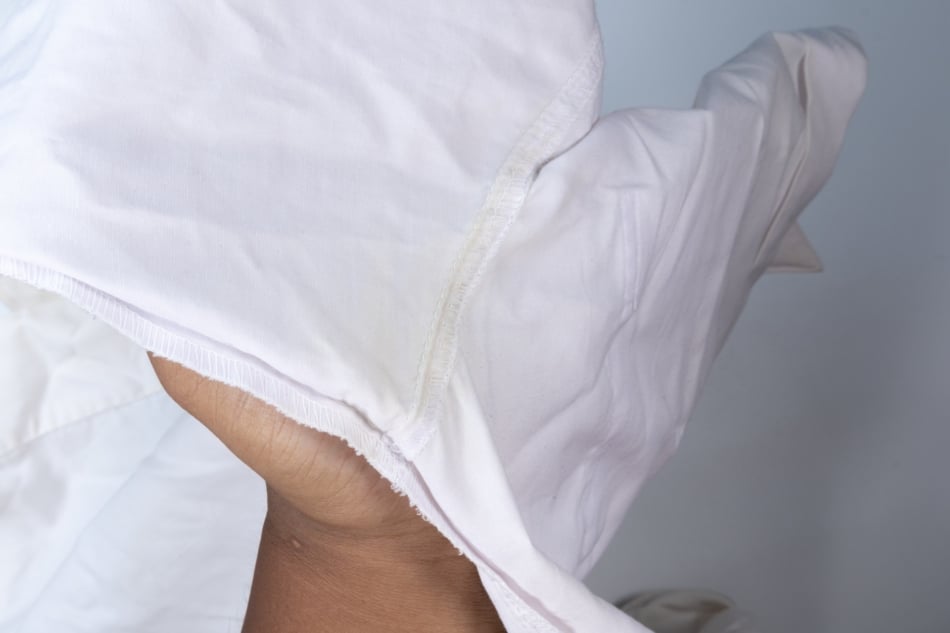
Spraying vinegar onto shirt armpits before the wash, and letting it work in for a bit, can remove the discoloration and perspiration smells. For the full method on lifting set-in odor, see our guide on how to get rid of stubborn underarm odors from clothes.
13. Deodorize the Disposal
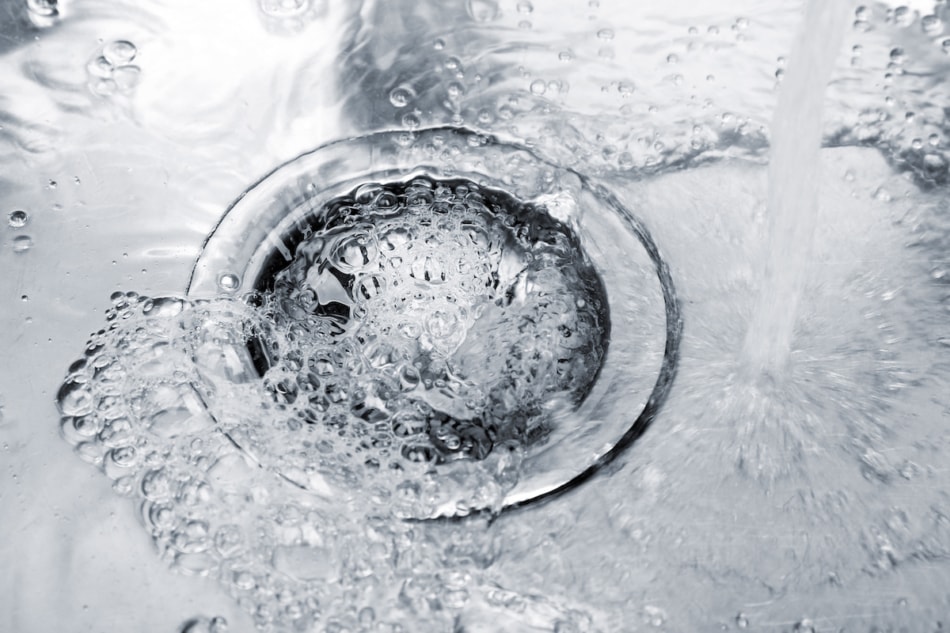
Clean and deodorize the garbage disposal before guests arrive by pouring equal parts white vinegar and baking soda down the drain. After letting it fizz for a few minutes, turn on the disposal while running warm water to rinse. It also works great on stubborn clogs. Freezing vinegar in an ice cube tray and grinding a few cubes is another way to scour the blades and clear the smell.
14. Degrease the Range Hood
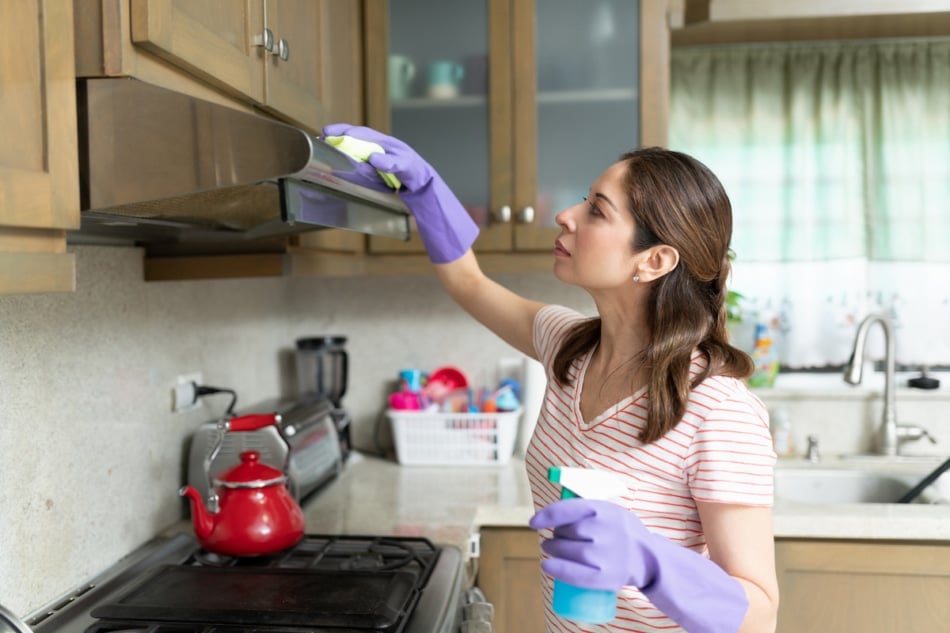
Pour white vinegar into a small spray bottle and add 4 drops of dish soap. Spray the surface of the range hood, then use a sponge to wipe away as much of the grease as you can. Wash the sponge with warm water and clean up any leftover residue on the hood. The greasy filter underneath can soak in hot water and vinegar while you work.
Tips for Cleaning With Vinegar
A few habits make vinegar safer and more effective. Always dilute it for everyday surfaces, since full strength is only needed for tough jobs like weeds or heavy mineral scale. Test a hidden spot first on anything you are unsure about. Never mix vinegar with bleach, because the combination gives off harmful fumes. And keep it away from natural stone, waxed wood, and cast iron, where the acid does more harm than good. Vinegar pairs well with baking soda for many of these jobs, so it is worth keeping our list of frugal baking soda uses on hand too. If you tried the weed killer trick, check our companion planting guide for what to grow once the weeds are gone, and time the work with the Gardening by the Moon Calendar.

White Vinegar Benefits: Frequently Asked Questions
What are the main white vinegar benefits around the house?
White vinegar cleans and deodorizes for pennies. It gives you streak-free windows, polished brass and copper, a fresher toilet bowl, a deodorized disposal, and a degreased range hood. Outdoors it works as a spot weed killer on young growth, and it helps with laundry, poached eggs, and getting the last drops out of a jar.
How do you mix vinegar for everyday cleaning?
For most surfaces, mix equal parts white distilled vinegar and warm water. Use full strength only for tough jobs such as weeds or heavy mineral scale. For brass polish, dissolve 1 teaspoon of salt in 1 cup of vinegar and stir in flour to make a paste.
What should you not clean with vinegar?
Keep vinegar off natural stone like marble and granite, off waxed hardwood floors, and off cast iron, because the acetic acid can etch or strip those surfaces. Never mix vinegar with bleach, since the combination releases harmful fumes.
Does vinegar really kill weeds?
Sprayed full strength on the tops of weeds, white vinegar works on emerging young plants but not on mature leaves. Reapply on any new growth until the plants starve, and expect the best results on a hot, sunny day. It is non-selective, so keep it off the plants you want to keep.
Why add vinegar to laundry?
Add 1 cup of white distilled vinegar to the final rinse cycle. It leaves towels fluffy, whites whiter, and colors more vibrant, and the smell rinses away completely. Sprayed on shirt armpits before washing, it also helps lift perspiration stains and odor.
How much vinegar is safe for chickens and pets?
For chickens and backyard poultry, add 1/4 teaspoon of vinegar to two gallons of water as a digestion tonic, using a plastic or glass waterer. For a forty-pound dog, a teaspoon of vinegar per quart of drinking water can help with fleas and ticks. Adjust for your animal’s size and check with your veterinarian first.


This article was published by the Staff at FarmersAlmanac.com. Any questions? Contact us at [email protected].
- Farmers' Almanac Staff

- Farmers' Almanac Staff

- Farmers' Almanac Staff

- Farmers' Almanac Staff



Vinegar and water half and half in an empty plastic bottle rinsed through hair after shampooing every six weeks or so will remove crud that hair products leave on hair and scalp. Hair will be softsoftsoftso soft and naturally clean. Combing out tangles will be easier. Same in a spray bottle lightly sprayed on hair will help with extremely necessary grooming with a natural bristle brush will help with tangles and stimulate the scalp for healthy scalp/hair with a natural SHINE!
Thanks for sharing your experience with our community! 🧡
What about help in healing process? Twice used water mixed with 1 table spoon of white vinegar on wound 2 times per day. Very pleased with results.