

How to Store and Preserve Your Garden Harvest: 15 Tips
These tips help you get the most out of every harvest so nothing goes to waste!
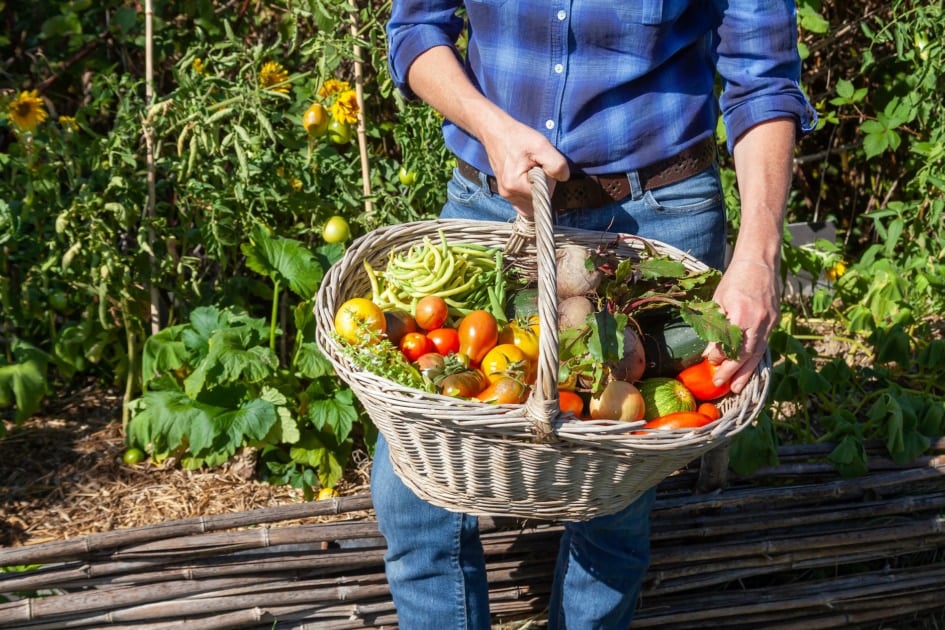
Quick Reference: Storing and Preserving Your Harvest
- Right away: bring picked produce indoors and out of the sun so it stops ripening.
- In the fridge crisper: leafy greens, berries, broccoli, green beans, peppers, and cucumbers.
- On the counter: tomatoes, melons, citrus, and stone fruit until ripe.
- Cool, dark pantry: onions, garlic, potatoes, and winter squash.
- For the long haul: freeze, can, pickle, dehydrate, or leave hardy roots in the ground under mulch.
It happens to the best of us. You pick a basket of homegrown fruits and vegetables, toss them into the no-man’s-land of the fridge, and later find they have wilted, gone mealy, or turned into a full-blown science project. Throwing away what you grew is like throwing away your hard work, your time, and your money.
The good news is that how you handle and store produce decides how long it lasts. Get it right and more of your 2026 harvest lands on the table instead of in the trash. Here are 15 practical tips for storing and preserving your garden harvest, from the crisper drawer to the canning pot.
- Root crops keep best when harvested in the dark (waning) of the Moon, the old rule for anything grown below ground.
- The Gardening by the Moon Calendar lists this month’s Best Days to harvest and to put food up in your area.
- The Best Days Calendar flags the favorable dates to can, pickle, and dry your surplus.
Storing Fresh Produce Right Away
The first few hours after picking matter most. These eight habits keep your fresh produce crisp and ready to eat for as long as possible.
1. Bring it Inside
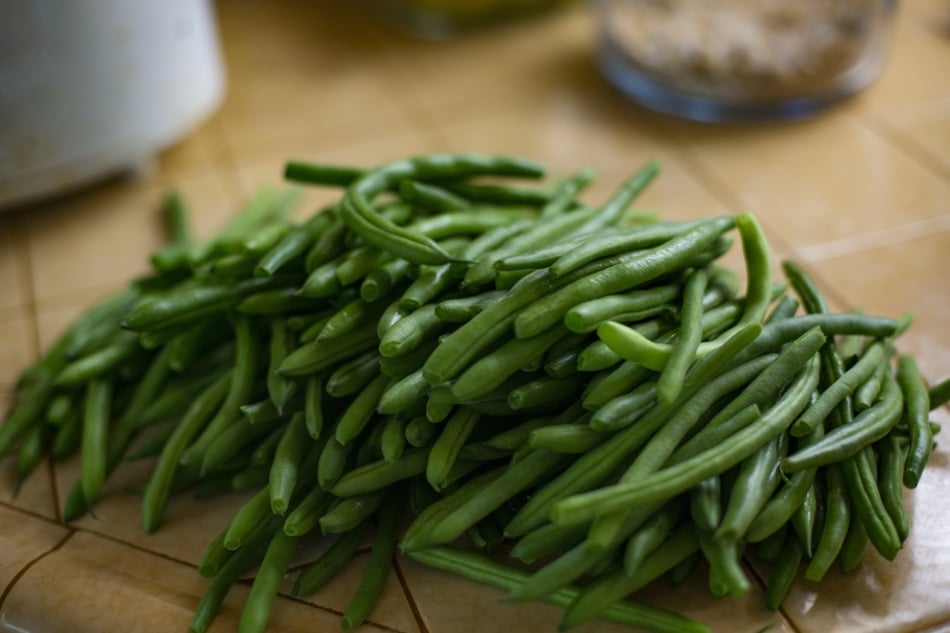
As soon as you harvest, bring produce indoors rather than leaving it outside. The sun keeps ripening picked fruit and vegetables, and that turns them soft and mushy. If you did pick something too soon, though, a sunny spot such as a kitchen window, deck, or patio lets the sun finish the ripening job.
2. To Chill or Not to Chill
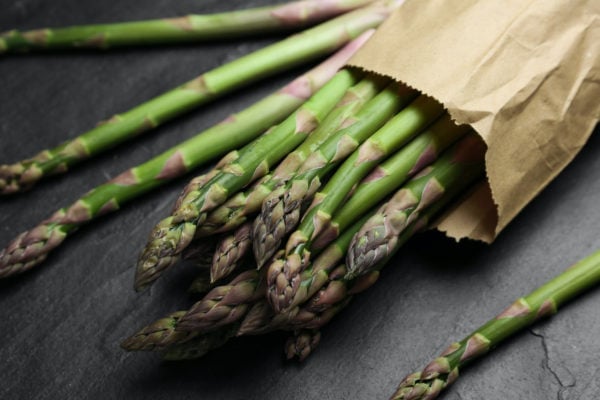
Some crops keep best in the refrigerator, and others do better at room temperature. Knowing which is which saves a lot of waste.
In the fridge: Vegetables such as asparagus, summer squash, yellow squash, green beans, broccoli, cauliflower, Brussels sprouts, peppers, berries, and cucumbers should be stored in the fridge in your crisper drawer. Mushrooms belong in paper bags so they do not get mushy or moldy. Ears of corn should be stored in their husks. Lettuce and other leafy greens go in airtight bags (see tip 4). Another asparagus trick: stand the stalks in a glass of water in the fridge.
On the counter: Most fruits, such as melons and citrus, along with tomatoes kept out of direct sunlight, should sit on the counter. Stone fruits such as apricots, peaches, plums, and nectarines can stay on the counter until ripe, then move to the fridge to stretch their shelf life. Cherries are the exception, and belong in the fridge right away in an airtight container or bag.
In the pantry: Onions, garlic, potatoes, and winter squash should be kept in the pantry.
Read: 18 Foods You Don’t Have To Refrigerate
Where to Store What
When you come in from the garden with an armful and no time to think, this quick chart tells you where each crop belongs.
| Store It Here | What Goes There | Why |
|---|---|---|
| Fridge crisper drawer | Asparagus, summer and yellow squash, green beans, broccoli, cauliflower, Brussels sprouts, peppers, berries, cucumbers, leafy greens | Cold and humid air slows water loss and keeps them crisp |
| Kitchen counter | Tomatoes (out of sun), melons, citrus, ripening peaches, plums, apricots, nectarines | Chilling flattens their flavor and texture before they ripen |
| Cool, dark pantry | Onions, garlic, potatoes, winter squash, pumpkins | They prefer a dry, dark spot and rot in the damp |
| Paper bag or husk | Mushrooms, ears of corn | The wrapping holds off moisture and keeps them from drying out |
3. Utilize Your Crisper
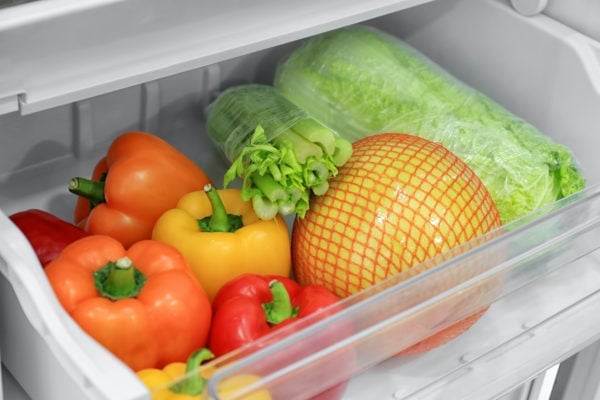
Use that drawer. It was built to slow water loss, which gardeners call transpiration, in fruits and vegetables, and it does a real job of making produce last. Some designs even let you control the airflow by adjusting a humidity vent, so leafy greens can have the moist air they like while other crops stay drier.
4. Wrap Your Greens
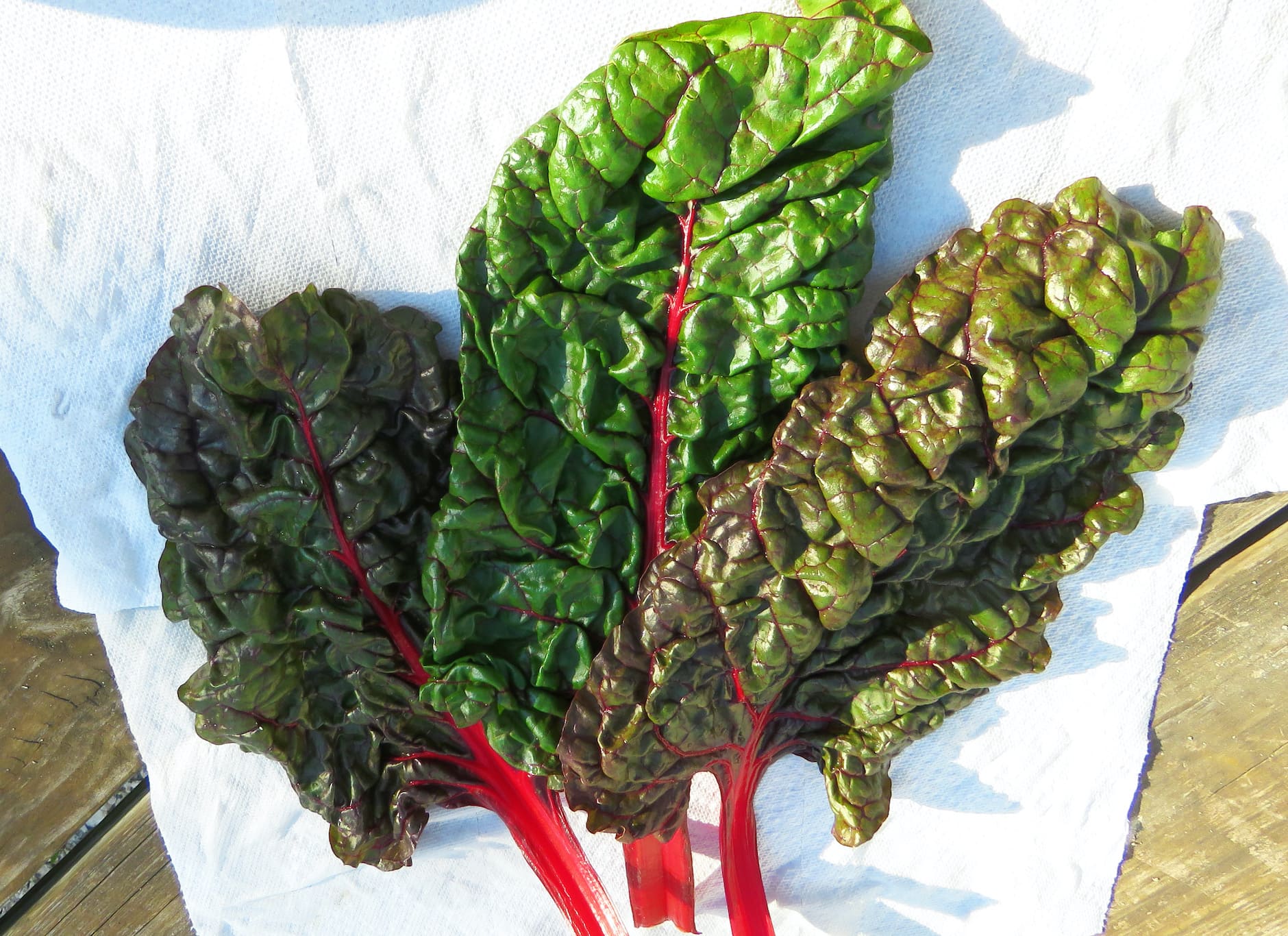
Leafy greens are best eaten right after harvest, when they are at their crispest. They lose moisture fast and wilt quickly. If you cannot eat them straight away, wrap them in a damp paper towel and slip them into a sealed airtight bag to hold the humidity in. The towel keeps just enough moisture around the leaves to buy you several more days.
5. Keep Some in The Dark
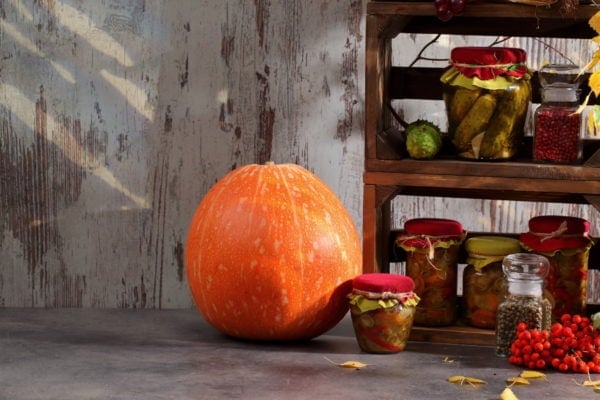
Not every vegetable wants moisture. Onions, garlic, shallots, winter squash, and pumpkins prefer a drier climate with normal humidity, and they last longest tucked into a dark, cool cupboard. See more helpful storage tips here.

6. Pick The Right Time To Wash
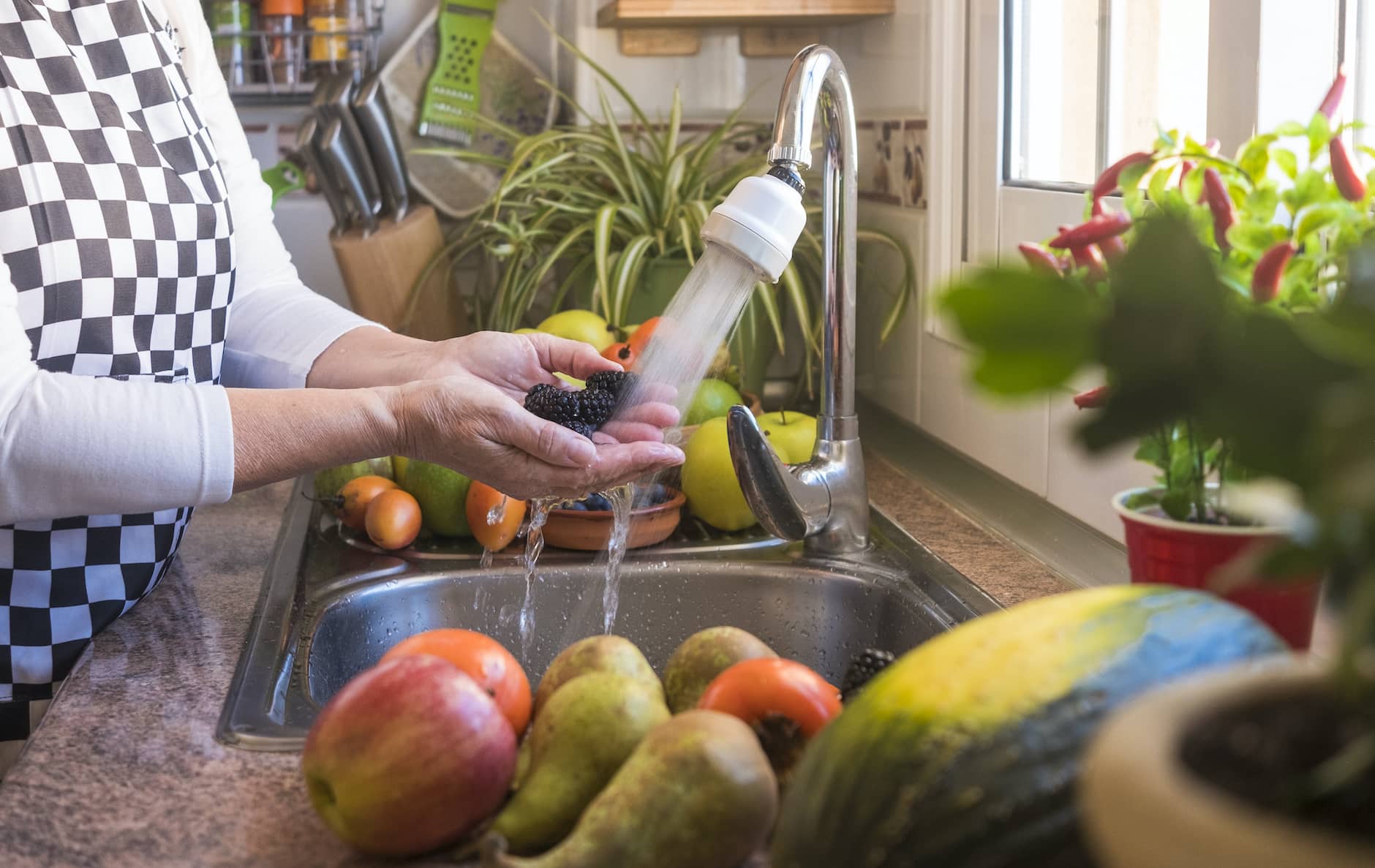
As a rule, do not wash your produce until you are ready to eat it. Washing too early leaves surface moisture behind, and that moisture invites mold and rot, which shortens the lifespan of whatever you rinsed. Brush off loose dirt, then save the real wash for the cutting board.
7. Handle With Care
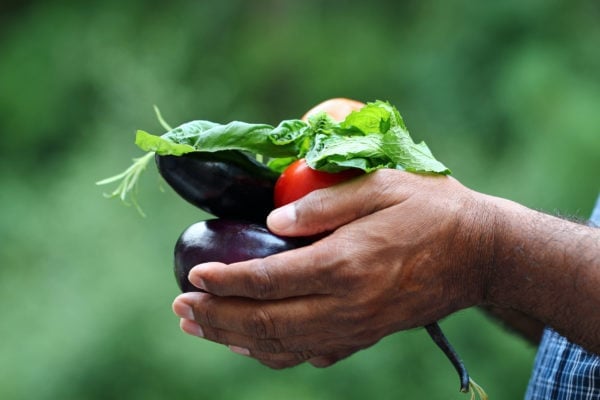
Fruits and vegetables are more delicate than they look. Any injury, from a bruise to a scratch, tells them to ripen or rot faster. If your eggplant took an unavoidable knock, eat that one first. And pull any “bad apples” from the group, because one rotten item truly does spoil the bunch, hurrying the others along as it goes.
8. Treat Them Like Flowers
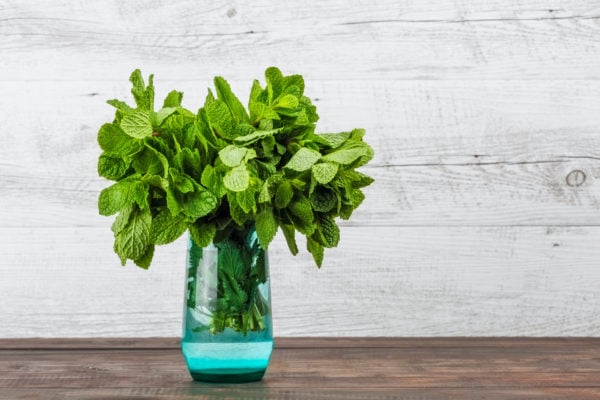
Keep harvested herbs such as mint, basil, and cilantro in a glass of water, like a bouquet of flowers, in the fridge. Drape a plastic bag loosely over the top to balance the moisture. Too much and your herbs turn slimy and wilt, too little and they dry out. Most herb “bouquets” want the fridge, but basil is happier on the kitchen counter where it gets a little sunlight. For hard, woody herbs such as sage, rosemary, thyme, and oregano, wrap them loosely in a damp paper towel and place them in a sealed bag. The towel keeps them just moist enough to stop them drying out.
Preserving the Surplus for Winter
When the garden gives you more than you can eat fresh, put the surplus up for the cold months. Freezing, canning, pickling, and dehydrating all let you taste peak-season produce long after the beds are bare.
9. Make Herb Cubes
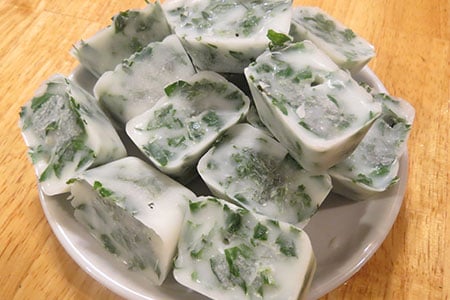
One of the best ways to save herbs is by making frozen herb cubes. Break up the herbs by hand and pack them into ice cube trays. Fill each cube with olive oil or coconut oil and set the tray in the freezer until solid. Transfer the cubes to a labeled freezer-friendly container, and when you are ready, drop one straight into your favorite dish.
10. Freeze Your Surplus
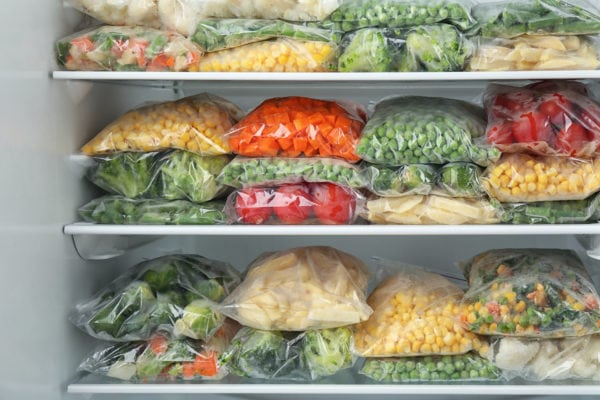
Freezing is a fine way to enjoy peak-season produce all year long. First, wash your items and dry them thoroughly, since leftover moisture causes freezer burn and rot. Most fruits and vegetables freeze better raw, but some do best blanched first. Blanching, a quick dip in boiling water, stops the enzyme action that robs food of flavor, color, and texture, and it helps hold onto nutrients.
11. Make Green Cubes
Add a bunch of spinach, or any leafy green you cannot use right away, to a blender with just enough water to process. Freeze the puree in ice cube trays and store the cubes in a sealed container. Green cubes are an easy way to pop extra nutrients into your smoothies, soups, and casseroles all winter.
12. Can, Pickle, or Dehydrate
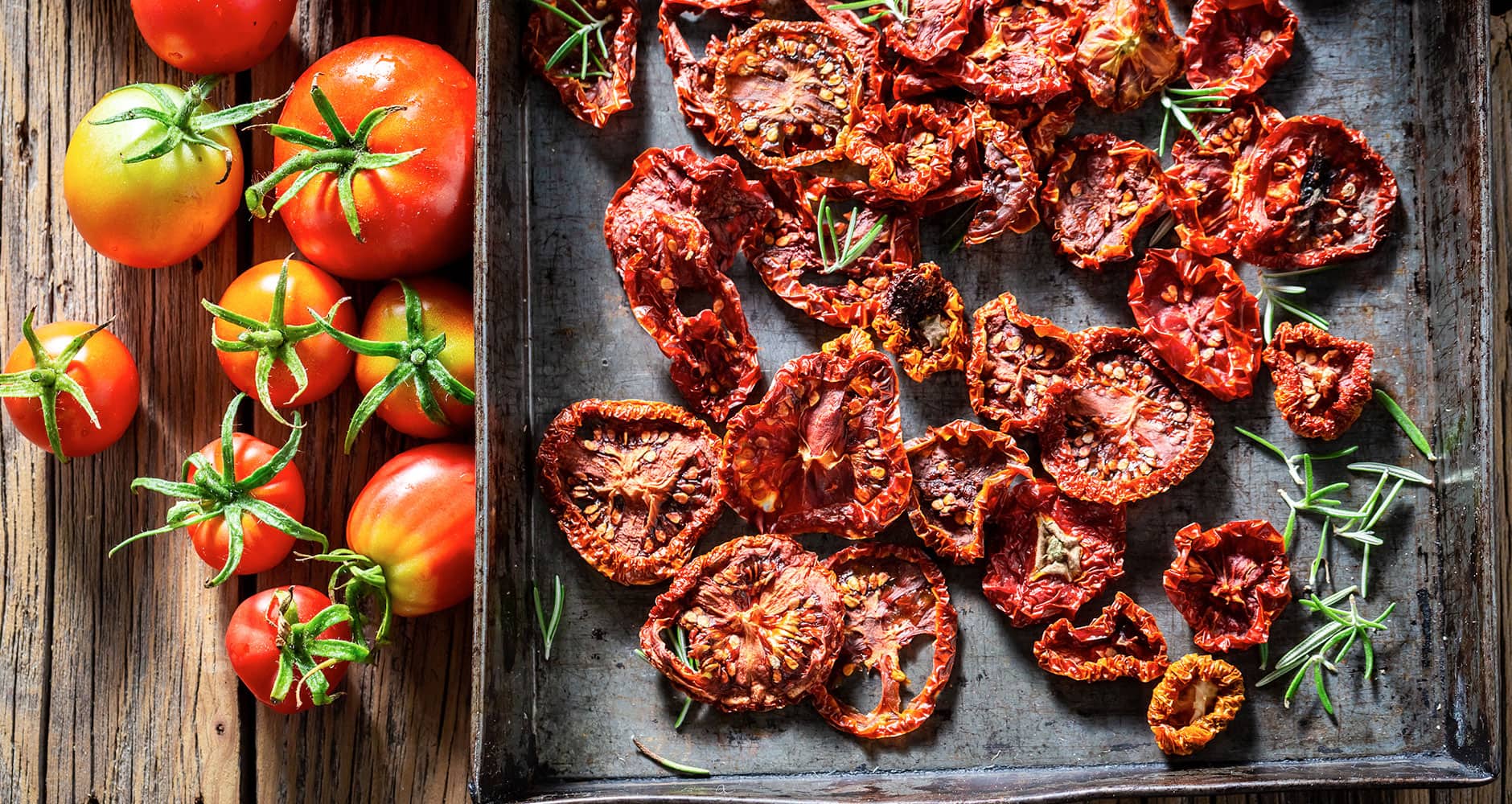
Canning, pickling, and dehydrating are all reliable ways to preserve a bountiful harvest. Beets, green beans, shallots, and, of course, cucumbers are delicious pickled. Canned jams and chutneys brighten up a winter pantry. And you do not need fancy gear to dehydrate: wash, dry, and thinly slice your produce, lay the pieces in a single layer on a baking sheet, and bake at the lowest setting, around 250 degrees F (130 degrees C), for a few hours until dry. For safe, tested methods on every crop, the University of Georgia’s National Center for Home Food Preservation is the gold standard, especially for pressure canning low-acid vegetables.
Cellar Storage, the Garden, and Sharing
Some crops keep best without any kitchen at all. A cool corner, the garden bed itself, or a neighbor’s front step can each do the work of a root cellar.
13. Store Onions and Potatoes Separately
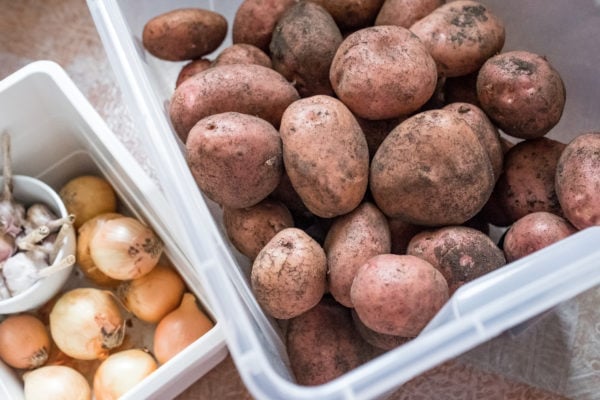
Onions and potatoes cook up beautifully together, but when it comes to storage they do not play nice. Keep them apart, each in a spot with good airflow. Both release moisture that speeds spoilage, and onions also give off ethylene gas, which pushes nearby potatoes to sprout and rot faster. Garlic, on the other hand, is content stored beside onions. Just leave the papery skin on your garlic intact until you are ready to use it. See why you need to grab an apple when storing potatoes!
14. Leave Them in the Ground
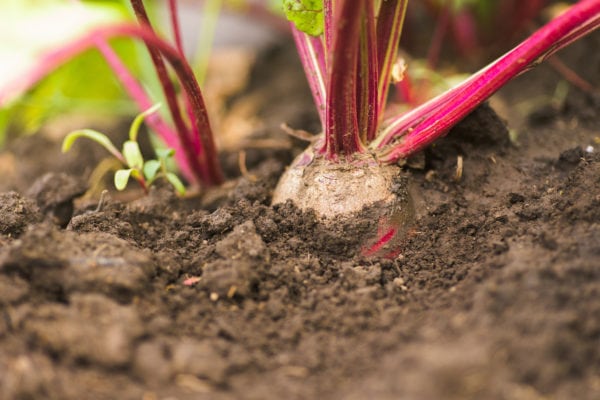
As the end of the season nears, consider leaving your hardier vegetables right where they grew. Root vegetables such as beets, carrots, rutabagas, parsnips, and turnips can stay in the ground into late fall and early winter. A touch of frost actually sweetens these crops and deepens their flavor. Apply a heavy layer of straw mulch to keep the ground from freezing solid, and check your region’s long-range forecast so you lift them before a hard freeze locks them in until spring.
15. Share the Bounty
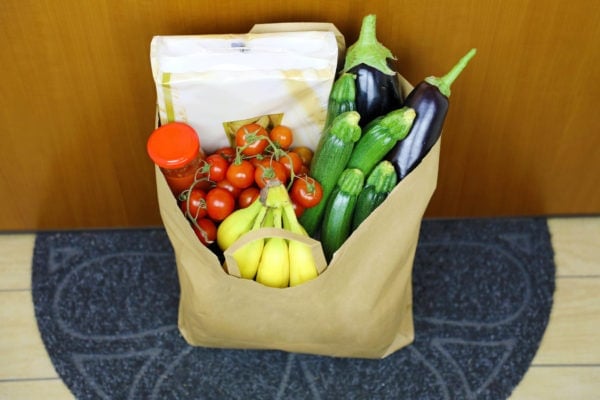
The surest way to get the most out of a harvest is to spread the wealth. Share your bumper crops with family, friends, neighbors, or people in need. There is no better way to say “I love you” than the gift of something grown with your own two hands.
Watch Out for Ethylene Gas
Ethylene is the invisible ripening gas that some fruits give off as they mature, and it is the reason one bad apple spoils the barrel. Keep the heavy ethylene producers away from the crops that are sensitive to it, and everything in your kitchen lasts longer.
- Heavy producers: apples, ripe tomatoes, melons, peaches, plums, and onions. Store these on their own.
- Sensitive to it: leafy greens, broccoli, cucumbers, green beans, and potatoes. Keep these a shelf or drawer away.
- Handy trick: if a peach or tomato is stubborn, tuck it in a paper bag with a ripe apple to speed things up on purpose.

Storing Your Garden Harvest: Frequently Asked Questions
Which vegetables should not be stored in the refrigerator?
Keep onions, garlic, potatoes, winter squash, and pumpkins out of the fridge. They prefer a dry, dark, cool pantry with normal humidity and will rot faster in the damp. Tomatoes also do better on the counter, out of direct sunlight, since chilling flattens their flavor and texture.
Should I wash produce before storing it?
No. Wait to wash fruits and vegetables until you are ready to eat them. Washing early leaves surface moisture behind, and that moisture invites mold and rot, which shortens shelf life. Brush off loose dirt at harvest and save the real wash for the cutting board.
Why should onions and potatoes be stored separately?
Both release moisture that speeds spoilage, and onions give off ethylene gas that pushes nearby potatoes to sprout and rot faster. Store them apart in separate spots with good airflow. Garlic can sit beside onions, though, as long as you leave its papery skin intact until you use it.
What is the best way to preserve a large garden harvest?
Freezing, canning, pickling, and dehydrating all work well. Freeze produce raw or blanched, pickle beets, beans, and cucumbers, and can jams and chutneys for the pantry. To dehydrate without special gear, thinly slice produce and bake at the lowest setting, around 250 degrees F (130 degrees C), for a few hours until dry.
Can I leave vegetables in the ground for storage?
Yes, for hardy root crops. Beets, carrots, rutabagas, parsnips, and turnips can stay in the ground into late fall and early winter, and a touch of frost sweetens their flavor. Cover them with a heavy layer of straw mulch, and harvest before the ground freezes solid or they may be stuck until spring.
How do I keep leafy greens from wilting?
Greens lose moisture fast once picked. Wrap them in a damp paper towel and seal them in an airtight bag to hold the humidity, then store them in the crisper drawer. Better yet, eat them soon after harvest, when they are at their crispest, and save wrapping for whatever you cannot use right away.


Natalie LaVolpe
Natalie LaVolpe is a freelance writer and former special education teacher. She is dedicated to healthy living through body and mind. She currently resides on Long Island, New York, with her husband, children, and dog.
- Natalie LaVolpe

- Natalie LaVolpe
- Natalie LaVolpe
- Natalie LaVolpe





Learn something new everyday..Thanks .At 83 I’ve inherited a garden ..A first for me ..lol
So this was very helpful! 😁
thank you
Thank you so much for this info. I knew a lot of it,, but I learned so many other ways to preserve. This just refreshed and/or educated me. Thank you!
I almost never ever post anything on boards like this, but I’m honestly saddened that you (Tessa) felt the need to cut the author of this article down. Regardless of grammar (which I didn’t find distracting btw), it was helpful information that I appreciated very much!
Thank you Natalie for sharing these helpful tips/tricks with the world 🙂