

Edible Mushrooms: 10 Popular Varieties and How to Cook Them
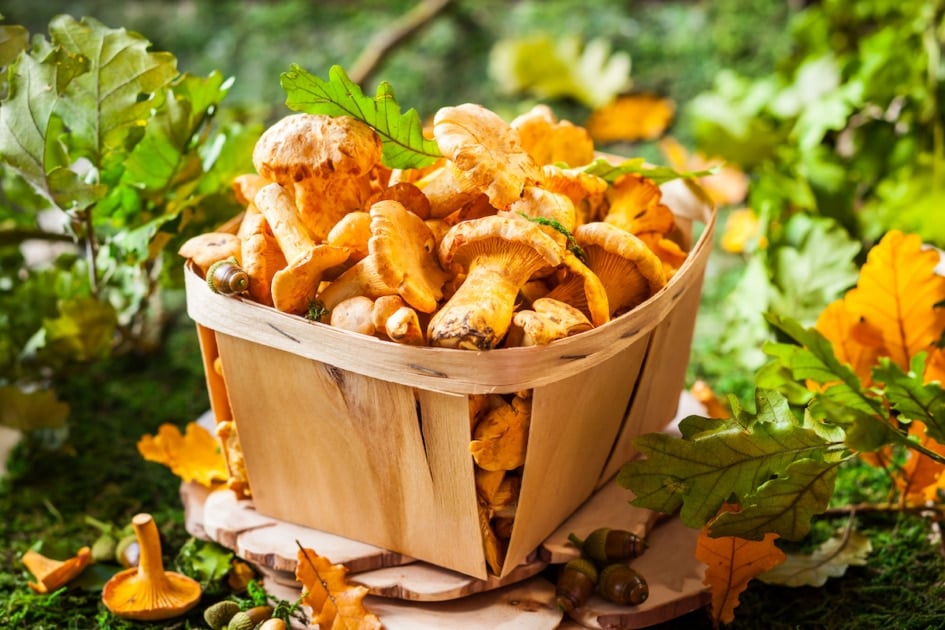
Pumpkins and squash get the autumn spotlight, but edible mushrooms are the season’s quiet bumper crop. Many varieties peak in fall and winter, and the average American eats more than two pounds of them a year. With roughly 14,000 known species in the fungi kingdom, only a handful end up in dinner. This Farmers’ Almanac guide profiles the ten most useful ones, how to spot them, how to cook them, and how to keep them fresh.
Quick Reference
- Why mushrooms: 14,000 known species; only edible varieties are profiled here.
- Average intake: the typical American eats more than two pounds of edible mushrooms per year.
- Most-eaten variety: the white button accounts for roughly 90 percent of mushrooms eaten in the United States.
- Peak season: many wild varieties peak in fall and winter; cultivated varieties run year-round.
- Bonus fact: mushrooms are the only produce-aisle veggie that supplies vitamin D.
- National Mushroom Day: October 15.
Fun Fact: National Mushroom Day is October 15th each year.
Mushrooms anchor recipes across many cuisines. Of the 14,000 known species, some are medicinal, some are psychedelic, and a much smaller group is reliably edible and worth cooking. They live in the grocery store produce section, but they are not plants. They belong to the fungi kingdom, feed by metabolizing dead or decaying matter, and reproduce by spore rather than seed. One genuinely strange fact: mushrooms share more DNA with humans than they do with plants.
Edible Mushrooms: A Powerhouse of Nutrition
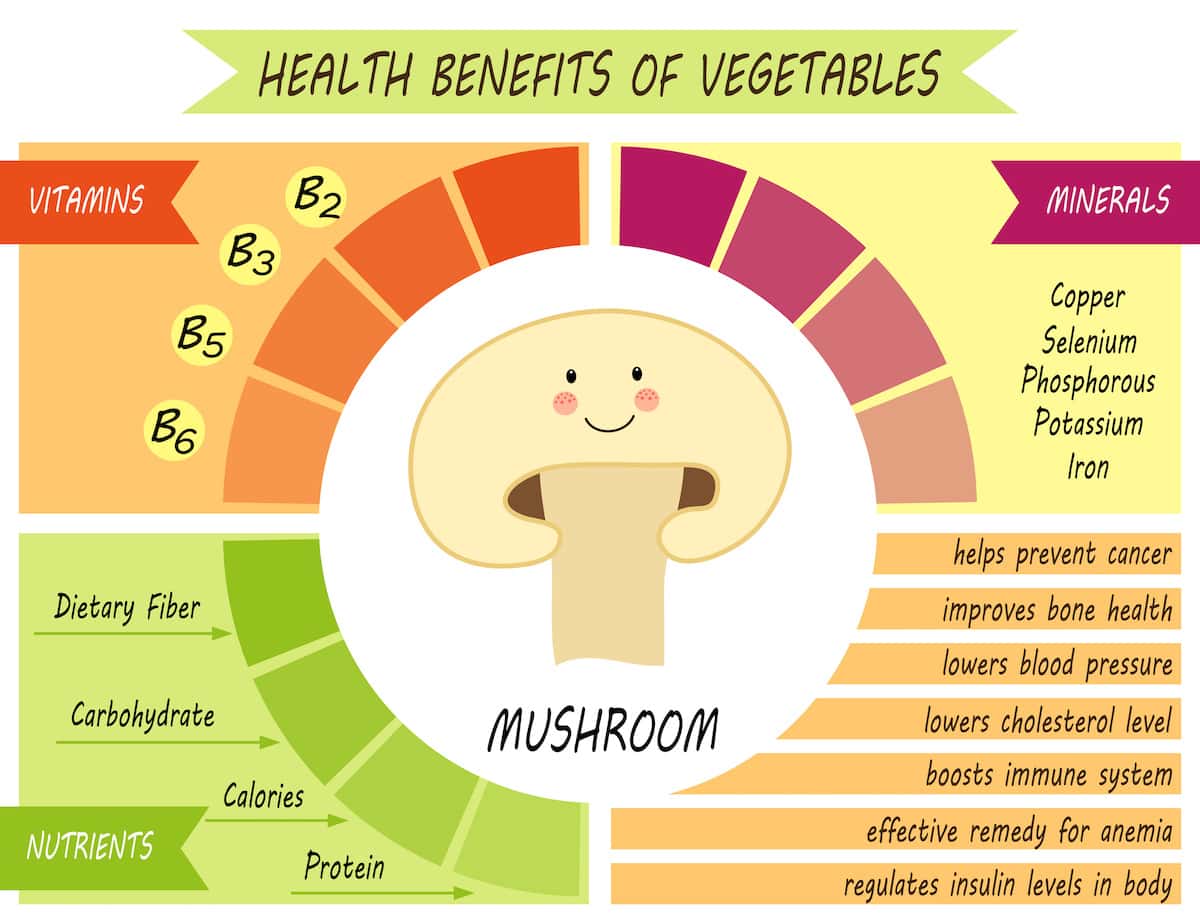
Edible mushrooms pack a nutritional punch. They are high in fiber, low in fat and carbohydrates, and a meaningful source of vitamins A, C, B6, B12, and selenium. The Mushroom Council highlights one unusual fact: mushrooms are the only veggie in the produce aisle that contains vitamin D.
Medicinal mushrooms have been used in Eastern medicine for thousands of years and are gaining ground elsewhere. They show up most often in powder form, which makes them easy to drop into a smoothie, coffee, broth, or soup. Different mushrooms claim different specialties: brain support, hormone balance, antioxidants, stress relief, immune lift, and steady energy.
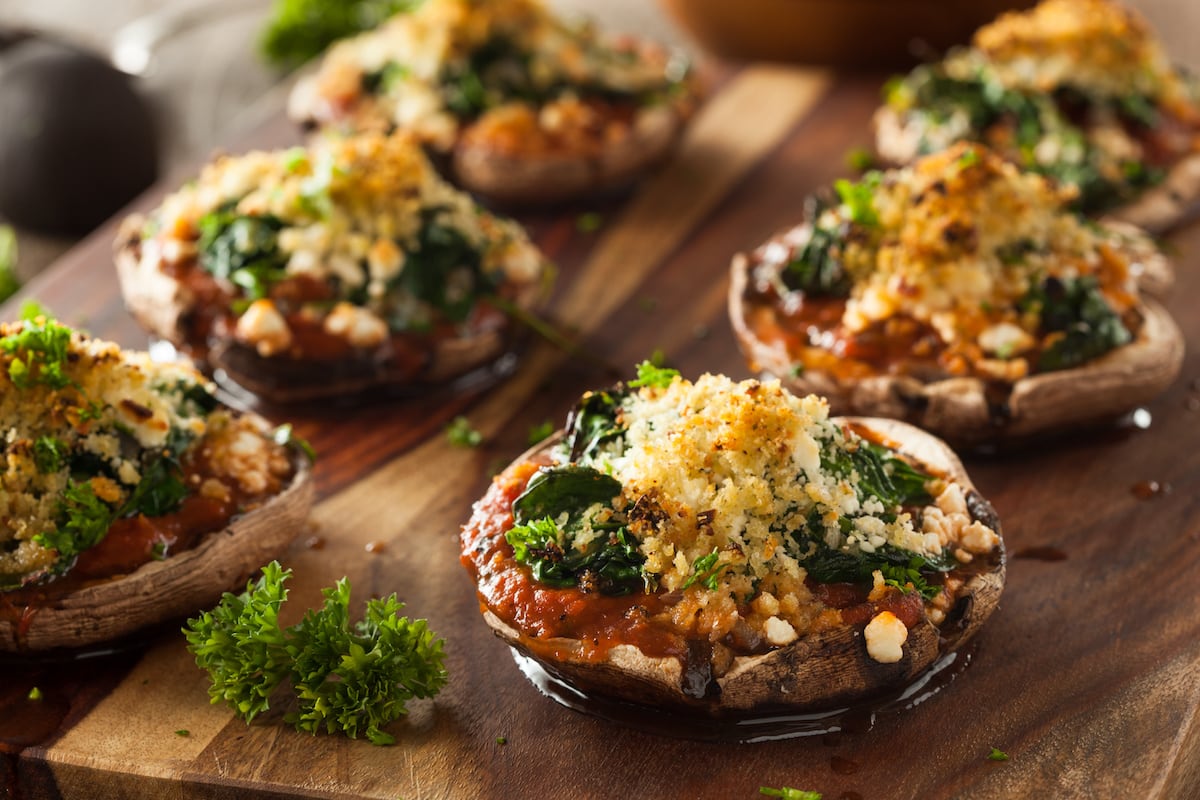
The days when the lone button was the only choice in the cooler are long over. You can forage carefully for wild edibles such as morels or cultivate your own, but the produce aisle covers most home cooks: sweet, nutty, woodsy, and a few that genuinely echo lobster. Their meaty texture (hello, portobello) is why so many cooks lean on them as a meat stand-in. Even the strangest-looking varieties earn a place in the pan.
Top 10 Mushroom Varieties to Try
Here is the quick run-down on the most common edible mushrooms, with how to use each in the kitchen.
1. Button (White)
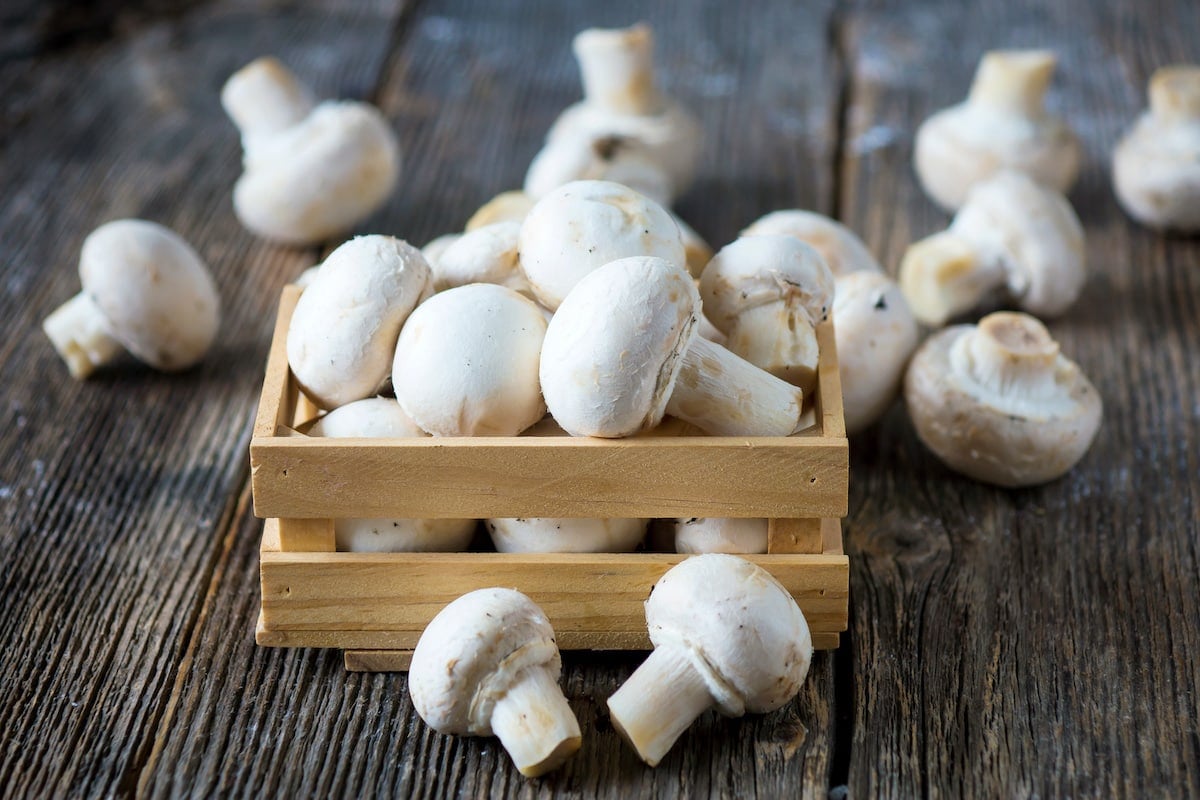
Around 90 percent of the mushrooms eaten in the United States are buttons, and every supermarket carries them. They are mild, easy to cook, and adapt to the flavor of any dish. Eat them raw on a salad, slice them into soups and stir-fries, or pile them on a pizza. The simplest method works: sauté them in a film of oil over medium heat until the moisture cooks off and the edges brown.
Also called: table mushroom, common mushroom, white mushroom, or champignon de Paris.
2. Cremini (Italian Brown)
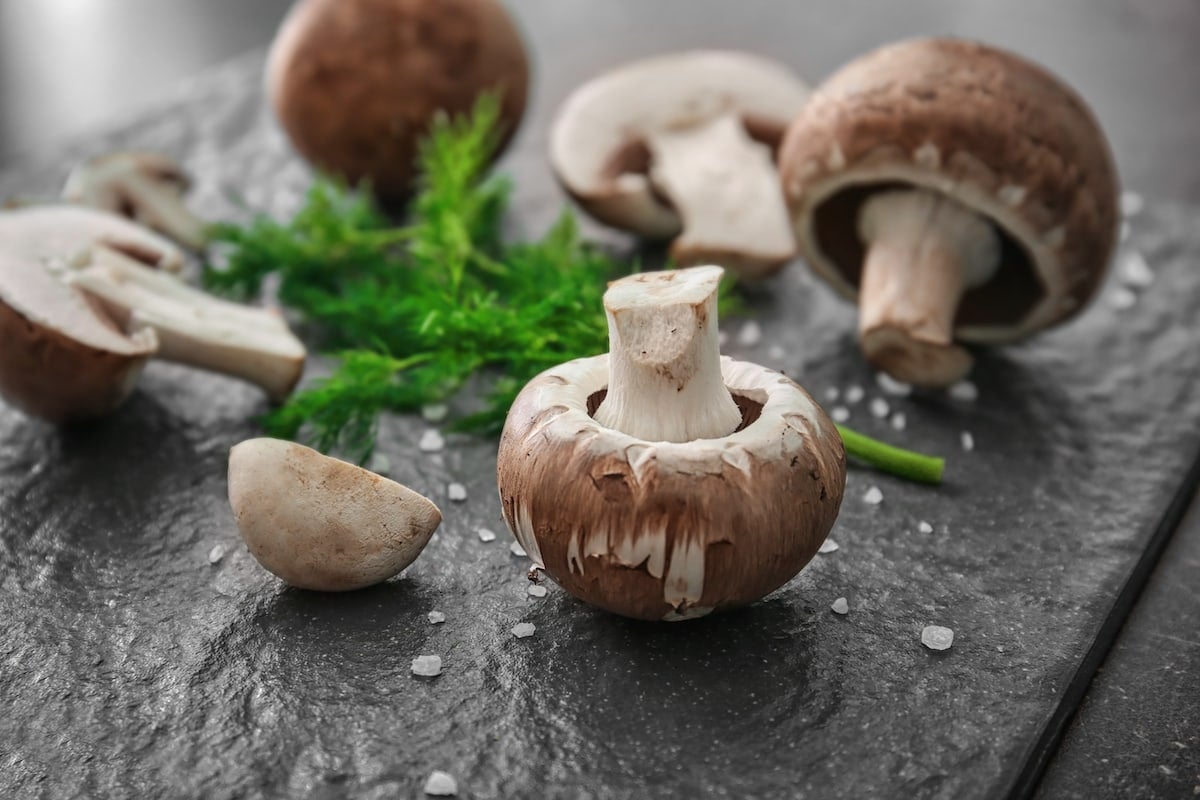
Creminis are the brown cousin of the white button: darker, firmer, and more flavorful. They are also, in fact, baby portobellos. Use them anywhere you would use a white button. They hold their own in savory dishes, take spice well, and brown beautifully in the pan.
Also called: Italian mushroom, brown mushroom, baby portobello, baby bella.
3. Portobello
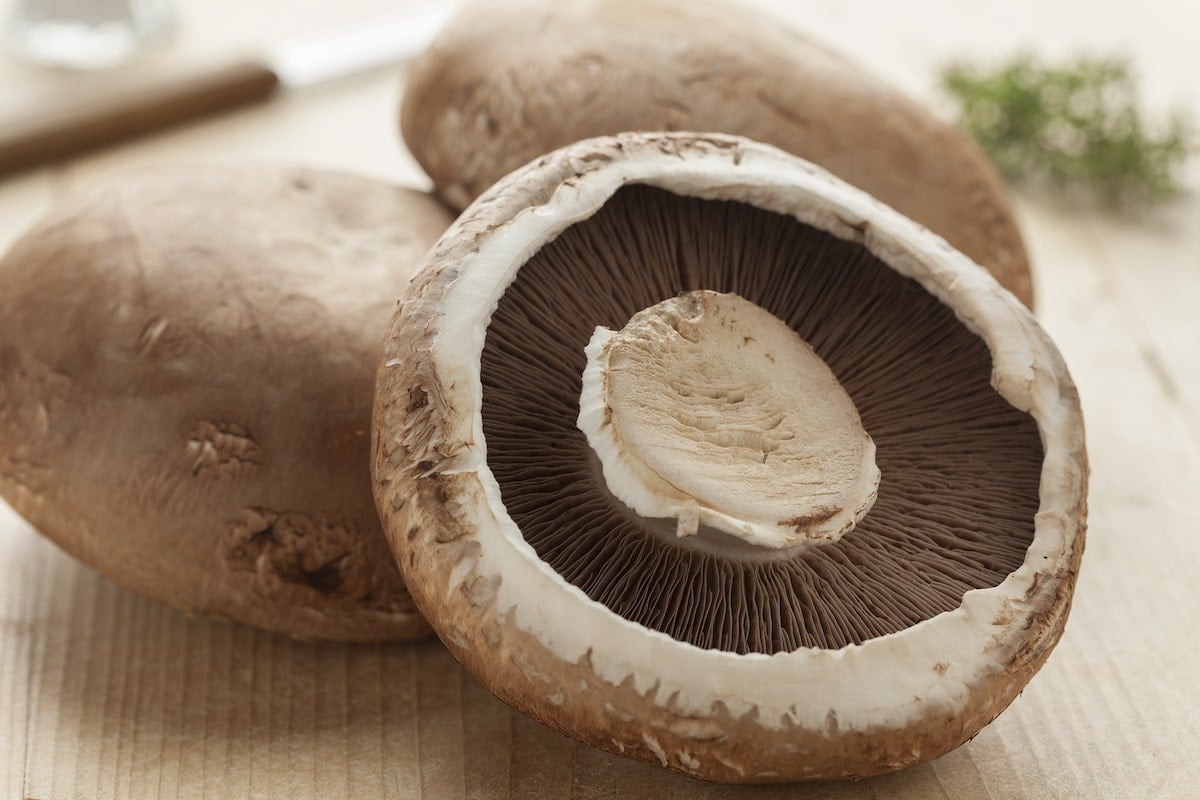
A portobello is simply a mature cremini. Dense, rich, and a staple of Italian cooking, the portobello cap stands in for meat better than nearly any other vegetable. Want a low-carb bun? The wide flat cap is built for it. The same meaty texture takes well to grilling and stuffing.
Also called: portabello, portabella, Roman mushroom, field mushroom, cappellone.
4. Shiitake (Forest or Oak)
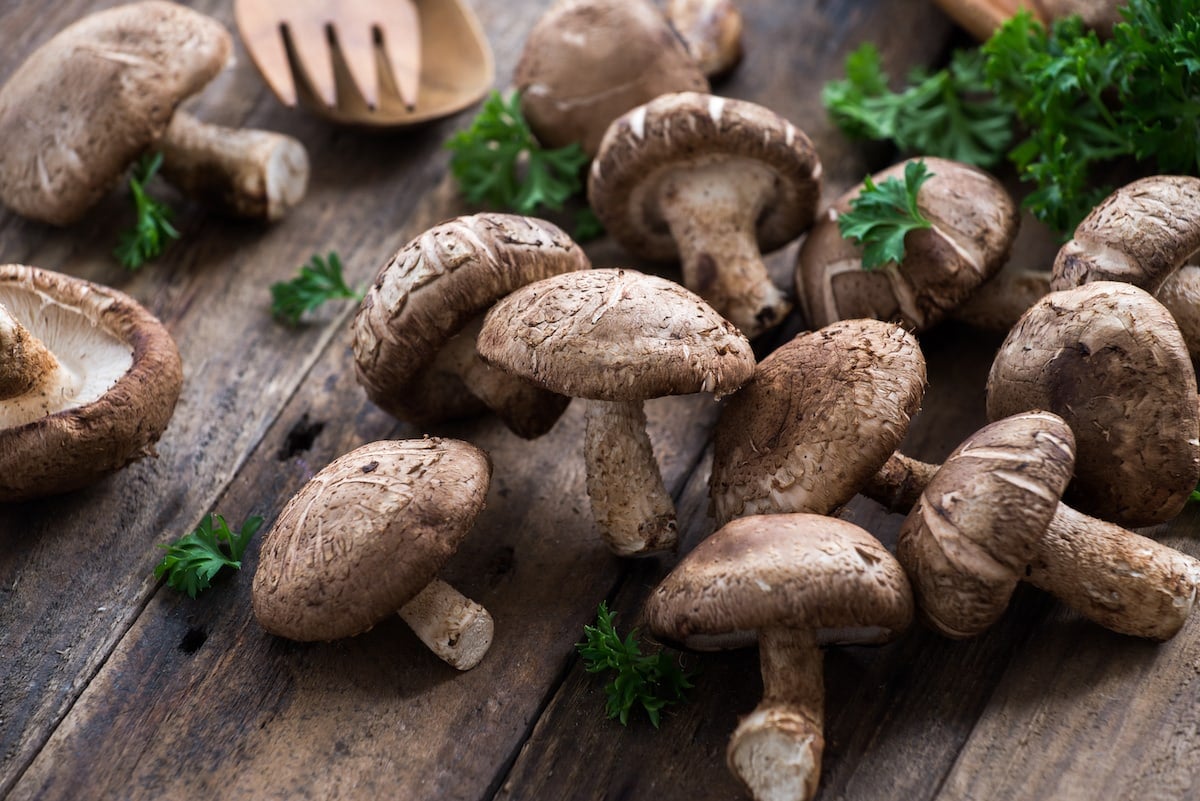
Shiitakes are native to East Asia, and roughly 83 percent of the world’s crop is still grown in Japan. The name itself means “oak fungus” in Japanese. Fresh caps are umbrella-shaped, brown, and a touch leathery, with a light woodsy flavor; dried caps go deep and savory. Both work in the kitchen, but the dried version is more common. Shiitakes are low in calories and bring vitamins, minerals, and compounds traditional medicine has prized for centuries for immune and longevity support.
Shiitake’s distinct umami flavor is a gift for vegetarian cooking. If you start with dried, soak them in hot water until soft, then cook. Try them sautéed with greens under a poached egg, folded into pasta or a stir-fry, simmered in broth, or roasted until crisp.
Also called: black forest, black winter, brown oak, Chinese black.
5. Oyster
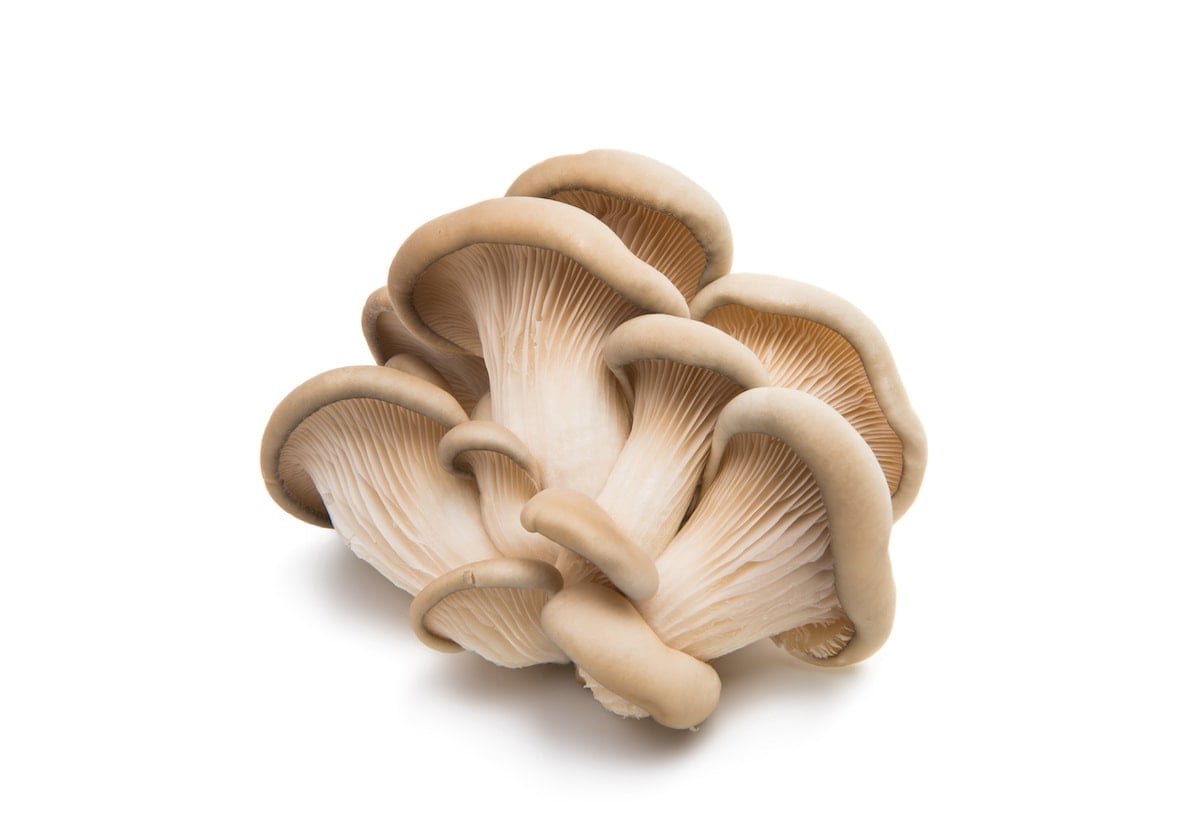
Oysters grow on the sides of trees in the wild, but most of the thin, fan-shaped caps on store shelves and menus are cultivated. Oyster mushrooms were first cultivated during World War I as a ration food. The flavor is delicate and gently savory, with a hint of anise, which is why Japanese and Chinese cooking lean on them in soups, sauces, and stir-fries. They cost more than buttons and less than morels, take little prep, and can be eaten whole or chopped. Raw is fine; cooked is better. Marinated and grilled, they are a quiet hit at any cookout.
Also called: tree oyster, angel’s wings, abalone mushroom.
6. Porcini
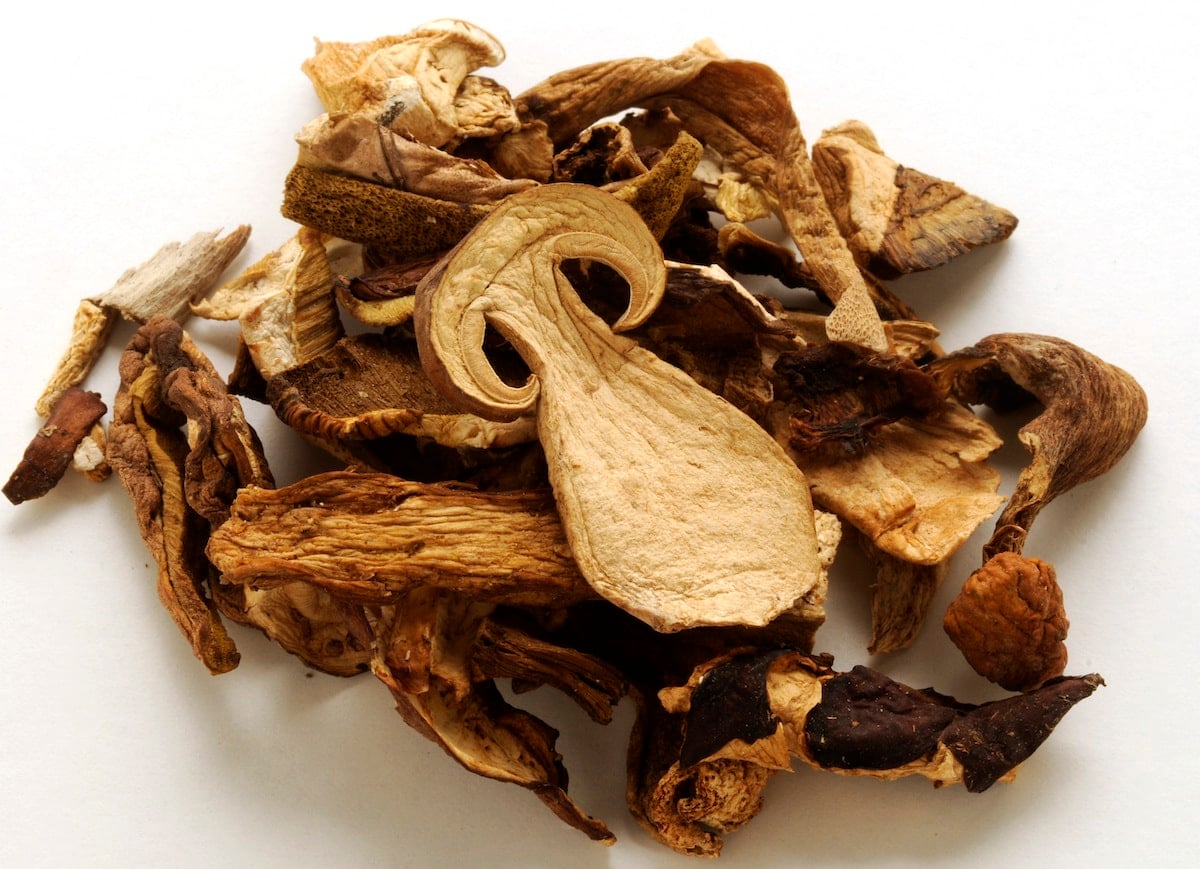
Porcini are one of the most prized mushrooms in any kitchen, beloved for their smooth texture and aromatic, woodsy flavor. They are widely cooked in Italy and France, where they are called cèpes. Fresh porcini are hard to find in the United States, but dried ones rehydrate well in hot water and bring deep savory backbone to broths, stews, risotto, and pasta. Sauté the fresh caps simply, with butter and a little garlic, and serve as a side.
Also called: cèpe, bolete, king bolete, borowik, Polish mushroom.
7. Morel
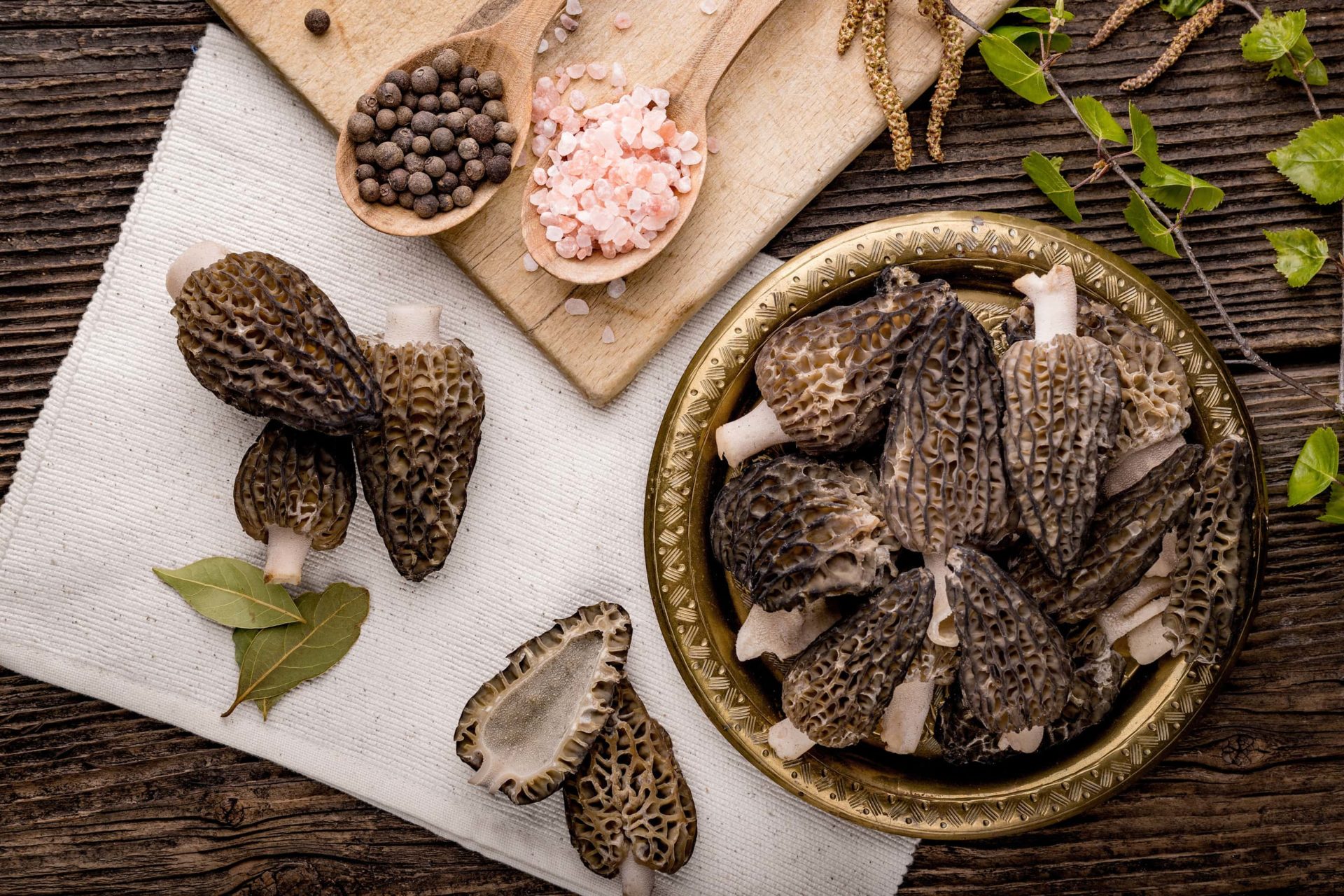
Morels are the prize of the foraging year. Morels are almost impossible to cultivate, so nearly every morel served in a restaurant was hunted in the wild in spring, which sustains a multi-million-dollar trade. Their rich, earthy flavor pairs with cream, butter, meats, and stuffed pasta. One important rule: morels must be cooked, never eaten raw. Cooking neutralizes a naturally occurring toxin. Read how to spot their poisonous look-alikes.
Also called: morchella.
8. Enoki (Snow Puff)

Enoki caps are small, shiny, and white, perched on long thin stems. Wild enokis are darker and shorter than the cultivated bunches in the cooler. They are crunchy raw, which makes them an easy salad finish, and they hold up in sauces, soups, and stir-fries when cooked.
Also called: enokitake, futu, winter mushroom, winter fungus.
9. Chanterelle (Girolle)
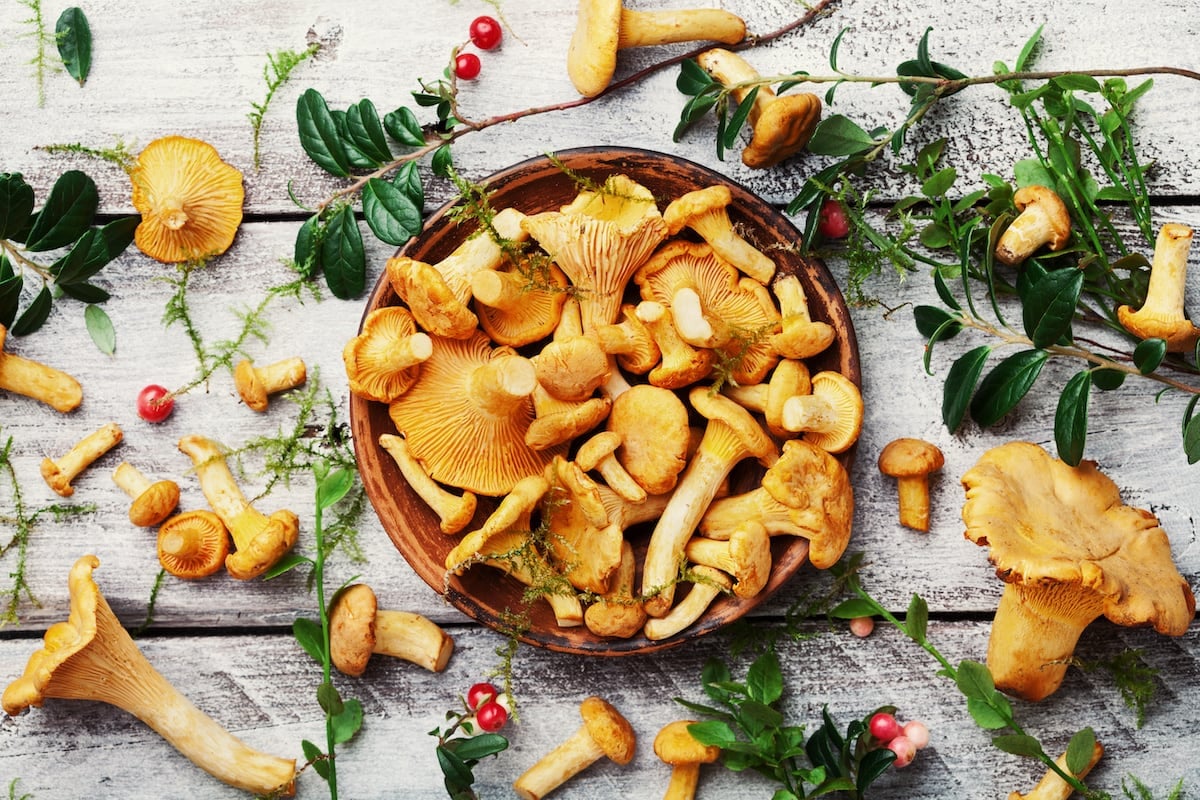
This bright yellow, trumpet-shaped mushroom is known for a peppery, fruit-tinged flavor unlike any other in the basket. Chanterelles are hard to cultivate, so most are picked in the wild. Cooking them in fat (butter, then cream) draws out the perfume and gives sauces, soups, and soufflés a clean, distinctive top note.
Also called: egg mushroom, golden chanterelle, pfifferling.
10. Maitake
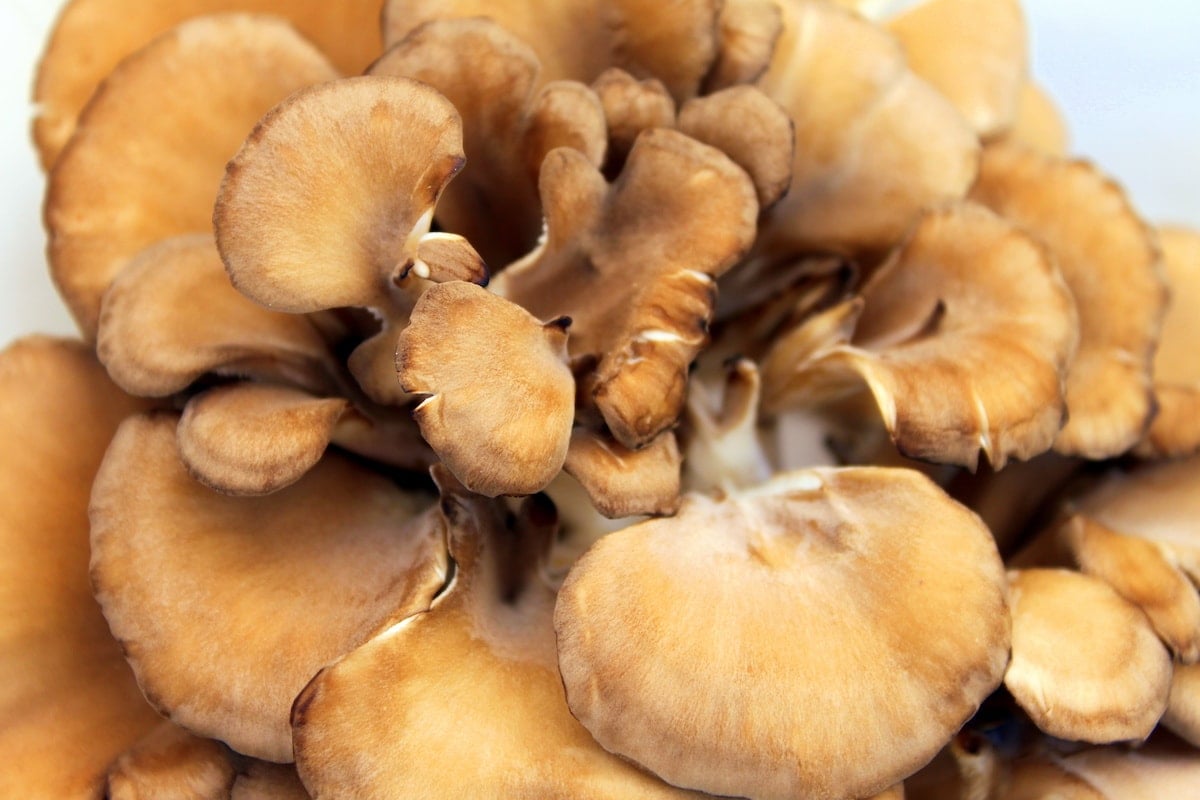
Maitake looks like a head of cabbage with feathered, layered edges. It grows at the base of trees and is native to North America, Europe, and China, with centuries of culinary history in China and Japan. The name maitake means “dancing mushroom” in Japanese, and the bird-like layered look earned the English name “hen-of-the-woods.” The flavor is earthy and peppery, best in cooked, savory, well-seasoned dishes: soups, stews, pasta, ramen, sauces, and skillet sauté. The species also shows up in supplement form for daily wellness routines.
Also called: hen-of-the-woods, sheepshead mushroom, ram’s head, dancing mushroom.

How to Select Mushrooms at the Store or in the Field
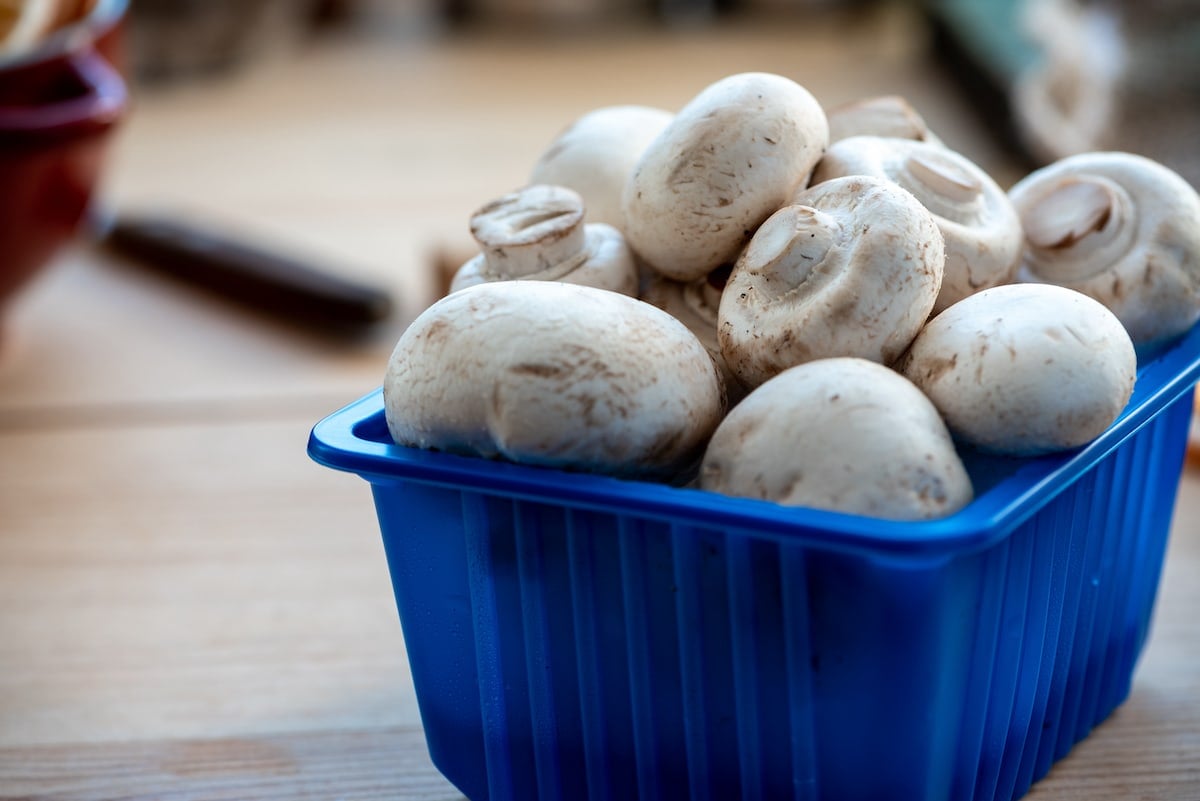
Whether foraging or buying, the best mushrooms are firm and smooth, with no soft spots. The surface should be dry, but not desiccated, and never sticky or slimy. At home, brush off loose dirt with a soft cloth or paper towel before storing, and wait to wash them until you are about to cook. Rinse whole rather than sliced. Cut flesh acts like a sponge, and a soaked mushroom never browns properly in the pan.
How to Store Mushrooms So They Last
Mushrooms hold a lot of moisture, which makes them perishable. The trick is airflow: store them in a container that breathes. The classic method is to wrap them in a paper towel inside an opened plastic or paper bag, in the crisper drawer. They keep a few days that way. For longer storage, freeze them after a quick sauté, or dehydrate them. Dried mushrooms keep for months in a sealed jar and rehydrate beautifully in hot water or stock.
When Are Mushrooms in Season?
Cultivated varieties (button, cremini, portobello, shiitake, oyster, enoki, maitake) are available all year. Wild mushrooms run on a tighter calendar. Morels are a spring chase, typically April into early May depending on latitude. Chanterelles fruit through summer into early fall in cooler, damp forests. Porcini show in late summer through fall. Hen-of-the-woods (maitake) and chicken-of-the-woods are September into November. Many foragers keep notes by tree species, because some mushrooms only fruit beneath specific oaks, beeches, hickories, or conifers.
Cooking Methods That Work Across Varieties
A few habits make almost any edible mushroom taste better. Cook over higher heat than feels intuitive, so moisture flashes off instead of stewing. Don’t crowd the pan; mushrooms shed water and steam each other if packed in. Add salt after the browning has started, not before. Finish with acid (lemon, vinegar, a splash of wine) or fat (butter, cream) to round the flavor. For shiitakes, porcini, and dried morels, save the soaking liquid: it is essentially free umami stock and turns a risotto or a soup.
Foraging Safety: One Hard Rule
If you do not know a mushroom with absolute certainty, do not eat it. Many edible mushrooms have toxic look-alikes that can be lethal, and visual ID alone is rarely enough. Cross-check with a regional field guide, learn the spore-print method, and join a local mycological society for guided forays before you eat anything you picked yourself. Morels in particular must be cooked through, because they carry naturally occurring toxins that heat destroys. When in doubt, leave it on the forest floor and buy your mushrooms.

Which Is Your Favorite Mushroom?
Tell us which mushroom is in your pan this week, and how you cook it. Drop a comment below.
Frequently Asked Questions
Are mushrooms a vegetable?
Mushrooms live in the produce section and cook like vegetables, but they are not plants. They belong to the fungi kingdom, feed by breaking down decaying matter, and reproduce by spore rather than seed.
Which mushroom is the most eaten in the United States?
The white button accounts for roughly 90 percent of mushrooms eaten in the United States. Cremini and portobello, which are the same species at later growth stages, are second.
Can you eat raw mushrooms?
Most cultivated mushrooms (button, cremini, portobello, oyster, enoki) are safe raw and often used that way on salads. Morels are the major exception. They contain naturally occurring toxins and must be cooked. Chanterelles, porcini, and shiitake taste much better cooked even if raw isn’t dangerous.
How do mushrooms get vitamin D?
Mushrooms produce vitamin D when their cut sides are exposed to UV light. They are the only common produce-aisle vegetable that supplies it, which is why The Mushroom Council highlights the fact.
How long do mushrooms last in the fridge?
Wrapped in a paper towel inside an opened paper or plastic bag, fresh mushrooms keep three to seven days in the crisper. They last longer if they were dry and firm when you bought them. Slimy spots mean it’s time to cook them now or toss them.
When is wild mushroom season?
Morels run in spring (April to early May in most of the United States). Chanterelles fruit in summer into early fall. Porcini, hen-of-the-woods, and chicken-of-the-woods come in late summer through November. Cultivated varieties are year-round.


Natalie LaVolpe
Natalie LaVolpe is a freelance writer and former special education teacher. She is dedicated to healthy living through body and mind. She currently resides on Long Island, New York, with her husband, children, and dog.
- Natalie LaVolpe

- Natalie LaVolpe
- Natalie LaVolpe
- Natalie LaVolpe




Love them all. Oyster and Lions mane are high on my favorites list but it changes. Simple is best when it comes to cooking them. Olive oil, garlic, salt. Press to brown. 3 minutes on each side on med. high heat.
Do not eat them raw!
Keep seeing articles telling people it’s okay to eat mushrooms raw not really they’re not digested like that at all they’re just going to go right through you if you eat them raw. Also it’s unfortunate that button mushrooms, crimini, Portobello really aren’t that good for you. So why articles suggest people continue with these type of mushrooms is beyond me.
its very simple…
white mushrooms are the best and the easiest to prepare
simply melt two sticks of butter over medium low heat and add the mushrooms
set the heat to medium and bring to a boil
boil gently for about 15 minutes, strain and serve
yummy!!!
Love morels in everything, any stir fry veggie dish, soup and stuffed with crab and cheese. Also chanterelles in sauses and scrambled eggs soup. I’m just getting into different one, like the red lobster and black trumpet but have not ordered them yet. Lots of different ones on eBay. All the above come dried and easily rehydrated and turn out as good as fresh and cheaper because while you can find wild fresh too, the shipping and packing is crazy high! I get a few wild morels at our lake house and some boletes in the yard at home but am older and physically unable to hike around the woods anymore! But love the dried ones …………..oh and dried and powdered porcinis in the “ magic mushroom “ spice mix you can find on google!
Mushrooms offer a world of culinary possibilities, and knowing how to cook with them opens up endless flavors. Whether sautéing delicate shiitakes for a hearty pasta or grilling meaty portobellos for a satisfying burger, these versatile fungi add depth and umami to any dish. From soups to stir-fries, embrace the earthy charm of edible mushrooms and let your culinary creativity bloom!
Fresh sliced Shiitake mushroom caps with fresh green beans and garlic and a pinch of TRUFF truffle salt.
I absolutely love king trumpet mushrooms when cut thin and glazed with butter and soy sauce. ?
What about red mushrooms?
Thanks for this interesting article. We love morels.
I love love love mushrooms. Sautéed fried steamed
I also like mushrooms very much! : – )