How to Grow Cabbage: Planting, Care, and Harvest Guide
Quick Reference: How to Grow Cabbage
- Start seeds: indoors 4 to 6 weeks before your last spring frost, sown 1/2 inch deep.
- Spacing: set transplants 12 to 24 inches apart in rows once they are 3 to 4 inches tall.
- Soil and light: rich, well-drained soil at pH 6.5 to 6.8, in full sun.
- Water: keep soil moist but not soggy, about 1 to 1.5 inches of rain per week.
- Harvest: when heads are 4 to 10 inches across and firm, usually 80 to 180 days from seed.
Cabbage is a cool-season crop and one of the friendliest vegetables a beginner can plant. It can be frozen, canned, eaten fresh, or turned into sauerkraut, and it comes in different varieties too. Grow green cabbage if you want to keep it traditional, or try red cabbage to add color to your favorite dishes. With a sunny bed, steady moisture, and the right timing, this 2026 season is a fine time to put in a row. If you are starting from seed, our vegetable seed starting chart pairs well with this guide. Here is how to grow cabbage from seed to harvest.
When to Plant Cabbage
Cabbage likes cool weather, so timing is the first thing to get right. Start seeds indoors between 4 and 6 weeks before the date of your last spring frost, then move the transplants out as the weather settles. In much of the country that points to a spring crop, but cabbage also does well as a fall crop, set out in mid to late summer so the heads mature in the cool days of autumn. The University of Maryland Extension has a plain-English guide to growing cabbage if you want to confirm the right window for your own ground.
Frost dates run weeks apart across the country, so the calendar date shifts with your region while the cool-season rule stays the same.
| Zone | Region | Start seeds indoors | Transplant outdoors | Direct sow (if applicable) | Notes |
|---|---|---|---|---|---|
| 3-4 | Upper Midwest, northern New England, northern Plains | Spring: late February to early March (8-10 weeks before last frost). Fall crop: late June to early July (12-14 weeks before first fall frost). | Spring: mid-April to early May (2-3 weeks before last frost; plants tolerate light frost). Fall: late July to early August. | Possible for fall crop only; sow outdoors in early July once summer heat breaks. | Cabbage tolerates frost down to 20 degrees F once hardened off (NC State Extension). Short summers mean spring transplants are essential. Golden Acre (65 days) suits the shorter season. Fall crop is often sweeter after light frost. (UMN Extension) |
| 5-6 | Great Lakes, Mid-Atlantic, central Plains, Pacific Northwest inland | Spring: late January to mid-February (6-8 weeks before last frost). Fall: mid-June to early July (10-12 weeks before first fall frost). | Spring: mid-March to early April (3 weeks before last frost). Fall: mid-July to early August. | Fall: direct sow outdoors in late June to early July in zone 6 once soil cools below 75 degrees F. | Two full crops possible in zone 6. Spring transplants must go in before temperatures climb above 75 degrees F to avoid bolting. Savoy types (80-90 days) fit well for fall. (UMN Extension; NC State Extension) |
| 7-8 | Mid-South, Virginia, Pacific Northwest coast, lower Plains | Spring: early to mid-January (8 weeks before last frost, typically Feb-March). Fall: July to early August (10-12 weeks before first fall frost). | Spring: late February to mid-March. Fall: mid-August to early September. | Fall: direct sow in late August in zone 8; soil must be below 75 degrees F for good germination. | Summer heat makes cabbage impossible June-August. Fall is the primary season in zone 8; mild winters allow Late Flat Dutch (100 days) to overwinter and harvest December-January. (UF/IFAS; NC State Extension) |
| 9-10 | Deep South, Gulf Coast, Southern California, South Florida | Fall and winter crop only: start indoors in September to early October. | October to November for a winter harvest. | Direct sow October-November in zone 10; cabbage is grown as a cool-season winter annual. | No spring crop is viable; summer temperatures are fatal to cabbage. Zone 9-10 growers treat cabbage as a winter vegetable, harvesting December through March. Golden Acre (65 days) is best for the short cool window. (UF/IFAS) |
In Canada, gardeners in British Columbia and southern Ontario often set out cabbage from mid to late spring, while the Prairies, Quebec, and the Maritimes wait until the soil thaws and warms. In every region the same rule applies: cabbage is a cool-season crop, so aim for the mild stretches of spring and fall. Our Gardening by the Moon Calendar lists this month’s Best Days to plant in your area.

How To Plant Cabbage
Start: Start seeds indoors between 4 and 6 weeks from the date of the last frost. Sow the seeds 1/2 an inch deep and keep them moist until seedlings emerge. Then place them in a sunny window and gradually start moving them outside in a sheltered location until they harden off. Transplants can go in the garden as soon as they are 3 to 4 inches tall, and space seedlings 12 to 24 inches apart in rows.
Water: Soil should be moist but not too wet. About 1 to 1.5 inches of rain per week is ideal.
Soil: Soil should be rich and well-drained. If the soil is sandy, then mix in compost and organic matter to make it more loamy. Aim for a pH of 6.5 to 6.8.
Light: Full sun.
Fertilize: Cabbages thrive on nitrogen, so choose fertilizers high in this ingredient.
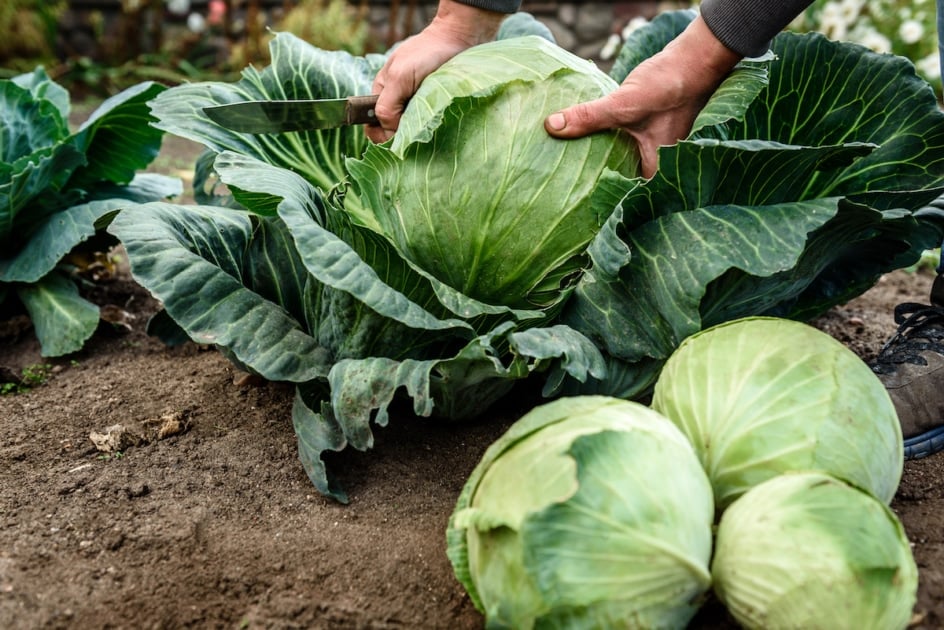
Harvest: Cabbage can be harvested when the heads are anywhere from 4 to 10 inches in diameter. Make sure the heads are firm at the base and use a sharp knife to cut the cabbage head from the plant. If you leave the plants in the ground after harvest, cabbage plants may produce additional smaller cabbages around the stump leftover from the main head, but these will be quite small, the size of a baseball or less.
Notes: Harvest times for cabbage can vary widely depending on the variety, between 80 and 180 days if started from seed. Be sure to check the growing time for the variety you have selected so that you can time planting just right.
Common Cabbage Pests and Problems
The most common trouble for cabbage growers comes on small green caterpillars. The cabbage worm, the larva of the white cabbage butterfly, and the cabbage looper both chew ragged holes in the leaves and bore into the heads. Check the undersides of the leaves and pick the caterpillars off by hand, or float a lightweight row cover over the bed to keep the butterflies and moths from laying eggs in the first place. Cabbage is in the same family as broccoli and kale, so move it to a fresh spot each year to keep soil-borne problems from building up.
Companion Plants for Cabbage
Cabbage gets along with plenty of neighbors. Aromatic herbs like dill, mint, sage, and rosemary help confuse the moths and butterflies that lay cabbage worm and looper eggs, and beets, onions, and celery make good companions in the bed. Keep cabbage away from strawberries and from other heavy feeders that compete for the same nitrogen. For a fuller pairing chart, see our companion planting guide.
Helpful Cabbage Growing Links
Farmers’ Almanac Gardening By the Moon Calendar
Companion Planting: 10 Veggies That Should Grow Together
Cabbage Recipes, Tips & Health Benefits
Once the heads come in, cabbage earns its keep in the kitchen. It keeps for weeks in a cool cellar or the crisper drawer, and a single head stretches across slaws, soups, and a crock of sauerkraut. Here are a few of our favorites to put your harvest to work.
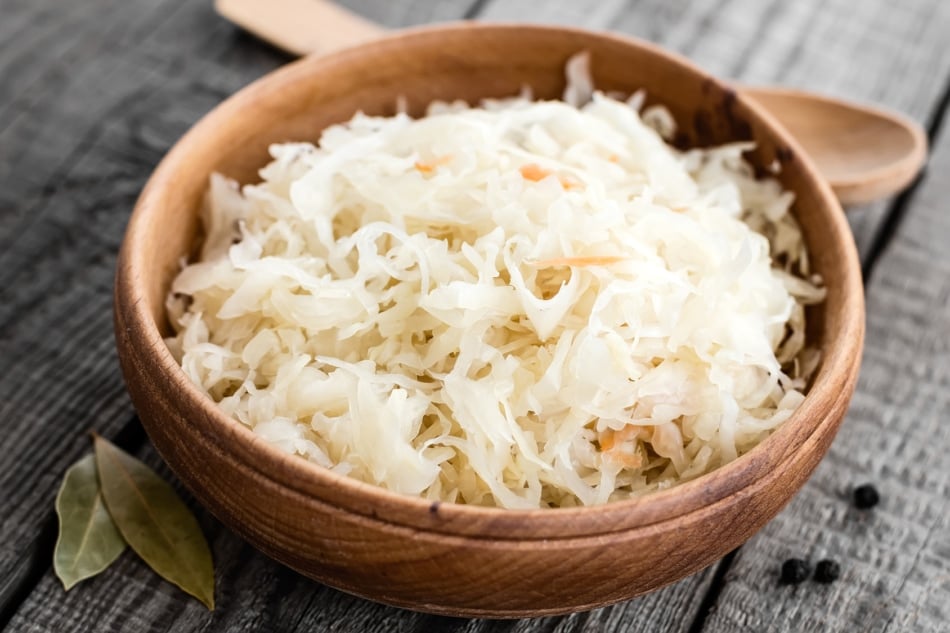
Healthy Reasons To Eat More Cabbage
Texas Cole Slaw Recipe

Growing Cabbage: Frequently Asked Questions
When is the best time to plant cabbage?
Cabbage is a cool-season crop. Start seeds indoors 4 to 6 weeks before your last spring frost for a spring harvest, or sow in mid to late summer for a fall crop that matures in cool weather. The calendar date shifts by region, but the cool-season rule holds everywhere.
How far apart should I space cabbage plants?
Set transplants out once they are 3 to 4 inches tall, spaced 12 to 24 inches apart in rows. Closer spacing gives smaller heads, while more room lets each plant size up. Sow the seeds themselves 1/2 inch deep when starting indoors.
How long does cabbage take to grow?
Harvest times vary widely by variety, between 80 and 180 days if started from seed. Heads are ready when they reach 4 to 10 inches in diameter and feel firm at the base. Check the growing time on your seed packet so you can time the planting just right.
What soil and water do cabbages need?
Cabbage wants rich, well-drained soil with a pH of 6.5 to 6.8 and full sun. If your soil is sandy, mix in compost and organic matter to make it more loamy. Keep the soil moist but not soggy, about 1 to 1.5 inches of rain per week, and feed with a high-nitrogen fertilizer.
How do I keep cabbage worms off my plants?
Cabbage worms and cabbage loopers are the most common pests. Check the undersides of the leaves and pick the caterpillars off by hand, or drape a lightweight row cover over the bed so the white cabbage butterfly and the looper moth cannot lay eggs. Rotating cabbage to a new spot each year also helps.
Will cabbage grow a second crop after harvest?
Sometimes. If you leave the plant in the ground after cutting the main head, it may produce a few smaller cabbages around the leftover stump. These will be quite small, the size of a baseball or less, but they are perfectly good for slaws and soups.


This article was published by the Staff at FarmersAlmanac.com. Any questions? Contact us at [email protected].
- Farmers' Almanac Staff

- Farmers' Almanac Staff

- Farmers' Almanac Staff

- Farmers' Almanac Staff