

Catfishing on a Budget: Simple Gear, Bait, and Tips
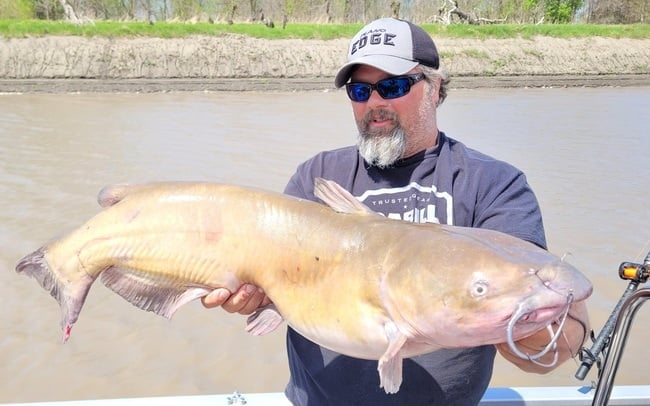
Quick Reference: Catfishing on a Budget
- Rod and reel: a seven or eight foot Ugly Stik Catfish Rod with an Abu Garcia baitcast or spinning reel.
- Line and hooks: 12 to 30 pound monofilament, hooks 2/0 to 8/0, sized to your local fish.
- Sinker: as light as you can cast, from 1/2 ounce in ponds to 8 or more ounces in rivers.
- Bait: fresh cut fish beats stink bait; white suckers up north, shad down south.
- Where and when: near structure in rivers, day or night; move on if there is no bite in 20 to 40 minutes.
- Keep a few: harvest fish under four or five pounds, photograph and release the big ones.
Catfish fight hard, they are fairly easy to catch, and they taste great on the table. Over the last decade the sport has jumped to the front of the pack, helped along by social media clips of anglers hauling in fish the size of a small dog. You do not need a bass boat or a tackle box full of gear to get on the water this summer. Catfishing expert and author Brad Durick keeps his approach simple and inexpensive, and so can you.
Catfish are the third most targeted fish in the United States, according to the US Fish and Wildlife Service. You can catch them almost anywhere, and they are especially popular across the Southeast third of the country. They are also gaining ground in places once off the radar, including North Dakota, Montana, and even California.
Simple Setup
The basic setup is simple, and you can dress it up later as you grow into the sport. Start with a seven or eight foot Ugly Stik Catfish Rod paired with an Abu Garcia baitcast reel. If you prefer a spinning reel, an Abu Garcia spinning reel will do the job just as well.
Line depends on the average size of catfish where you fish. Twelve to thirty pound monofilament covers most water. Match your hooks to the fish too, anywhere from a 2/0 for eating-size cats up to an 8/0 for the real bruisers.
Sinkers come in many styles. The rule of thumb is to use as light a weight as you can while still holding the bait where you want it. That can be as little as one-half ounce in a calm pond, or eight or more ounces in a raging river.
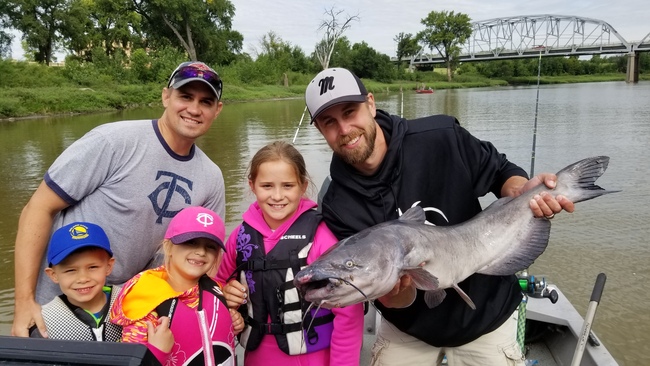

Bait
It has long been said that catfish will eat anything rotten and stinky. That is not quite true, though they will eat some strange things. Walk the catfish aisle at any bait shop and you will find shelves of smelly dips and pastes. (See the strange list of things people have used for bait in the links at the bottom of the page.)
Those baits will catch fish, but catfish are hungry predators that prefer fresh meat such as cut fish or amphibians. The best natural bait is whatever lives in your local water. In the north, white suckers are hard to beat, since they are a cold water fish. In the south, shad are the warm water favorite.
Water temperature, not the calendar, tells you which bait fish to reach for. Here is a rough guide to the natural bait that tends to shine, region by region.
Simple Techniques
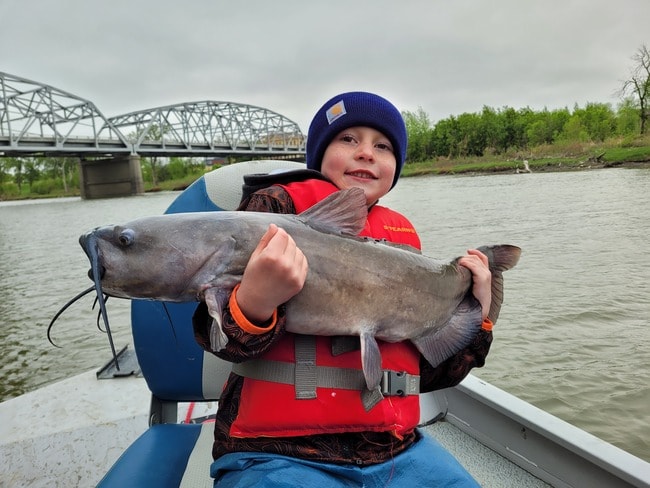
Most catfishing is done with the setup above. Find a likely spot, hook on some bait, cast out, and wait for a bite. If nothing happens in 20 to 40 minutes, reel up and move to another spot. The more you fish, the better you will read the patterns and learn which spots hold fish.
River catfish live in holes or near current, tucked into some kind of structure. Look for a deep hole in the middle of the river, a fallen tree, a rock pile, or anything that blocks the current and makes a good hiding place. Cast near that structure to draw them out.
Catfish bite day or night. Many shore anglers like to fish under the stars, because catfish feed actively at night and move shallow, which puts them within reach from the bank. A boat gives you the freedom to move and pinpoint fish at any hour of the day.
Best Days to Go Catfishing
Old timers have long timed their fishing to the Moon, and catfish are no exception. The Farmers’ Almanac Best Days to Fish are built around the Moon’s phases and its position, the same pull that moves the tides. Fish tend to feed hardest around the new and full Moons, and in the hour or two around dawn and dusk.
None of it is a guarantee, and any honest angler will tell you the fish do not read the calendar. Still, it costs nothing to plan your trip for a Best Day and judge the results yourself. Our free Fishing Calendar lists the suggested days to fish for your area.
Catfishing on a Budget
The whole point is that you do not need to spend a fortune to fill a stringer. A rod-and-reel combo, a spool of monofilament, a pack of hooks, and a handful of sinkers will put you on the water for about the price of a nice dinner out. Buy your bait fresh, or catch it yourself with a cast net or a small hook.
Skip the pricey electronics to start, and let your own two eyes read the water. A forked stick makes a fine rod holder, and a five-gallon bucket doubles as a seat and a tackle box. As your interest grows, you can add gear one piece at a time.
Keep a Few, Release the Rest
Once you land a catfish, you have the makings of a fine meal. Please keep selective harvest in mind when you decide what to take home. Catfish are slow growers, and it can take many years, even a couple of decades, to grow a true trophy. Keep a few smaller fish under four or five pounds for the table, and photograph and release the bigger ones for the next angler to enjoy.
State wildlife agencies such as Texas Parks and Wildlife track catfish populations, and many waters carry their own length and bag limits. Check the rules for your lake or river before you keep a fish, since they change from state to state.
Catfishing is going mainstream, and it is easy to see why. The fish are fairly easy to catch, they put up a formidable fight, they are a great way to get kids started, and they make fine table fare.
Keep Learning
- Kayak Fishing: How To Get Started
- 14 Strange Things People Have Used For Bait
- 10 Tips For Grilling Fish
- Fishing Calendar (Suggested Days To Fish)
- 5 Tips For Fishing In The Rain
- How To Catch Striped Bass From Shore
Join The Discussion!
Have you ever been catfishing before?
What is the strangest kind of bait you’ve used?
Do you have any questions about catfishing?
Do you have another name for catfish? We’ve heard some call them “hornpaw,” and others “mudcat.”
Let us know in the comments below!

Catfishing on a Budget: Frequently Asked Questions
Is catfishing expensive to get into?
No. A basic rod-and-reel combo, a spool of monofilament, a pack of hooks, and a few sinkers will get you fishing for about the price of a nice dinner out. Catch your own bait with a cast net or a small hook to save even more, and add gear one piece at a time as your interest grows.
What is the best bait for catfish?
Smelly dips and pastes will catch catfish, but these hungry predators prefer fresh meat such as cut fish or amphibians. The best natural bait is whatever lives in your local water. In the north, white suckers work well because they are a cold water fish, while in the south, shad are the warm water favorite.
What size rod, reel, and line do I need for catfish?
Start with a seven or eight foot Ugly Stik Catfish Rod and an Abu Garcia baitcast or spinning reel. Spool it with 12 to 30 pound monofilament, and choose hooks from 2/0 to 8/0, sized to the average catfish where you fish. Use as light a sinker as you can while still holding the bait in place.
Is it better to catfish during the day or at night?
Catfish bite day or night. Many shore anglers prefer nighttime, because catfish feed actively after dark and move shallow, which puts them within reach from the bank. Fishing from a boat lets you stay mobile and pinpoint fish at any hour. If no bite comes in 20 to 40 minutes, move to a new spot.
What size catfish should I keep?
Keep selective harvest in mind. Catfish are slow growers, and it can take many years, even a couple of decades, to grow a true trophy. Keep a few smaller fish under four or five pounds for the table, and photograph and release the bigger ones. Check your state’s length and bag limits before you keep a fish.
Do the Best Days to Fish really work?
The Best Days to Fish are a traditional planning tool, not a promise. They are built around the Moon’s phases and position, the same pull that moves the tides, and fish often feed hardest around the new and full Moons. Direct proof is limited, but it costs nothing to plan your trip for a Best Day and judge the results yourself.

Brad Durick
Captain Brad Durick is a nationally recognized catfishing guide on the Red River of the North, seminar speaker, and author of the books Cracking the Channel Catfish Code and Advanced Catfishing Made Easy. For more information go to https://redrivercatfish.com

I’ve always used just a nightcrawler simple rod and reel.Eat what a catch not into trophy fish.60 yrs and counting
That is my favorite way to fish as well. Yellow perch, bass, trout and a whole lot of sunfish. Catfishing is a whole different business!
One time when I was very young I caught a catfish using a baked bean at Trap Pond State Park in Delaware My father was with me and he was amazed!