August Birth Month: Symbols, Birthstones & Fun Facts
August Birth Month at a Glance
- Birthstones: Peridot (traditional), with spinel and sardonyx as modern alternates
- Birth flowers: Gladiolus (primary) and poppy (secondary)
- Zodiac signs: Leo (July 23 to August 22) and Virgo (August 23 to September 22)
- Birth tree: Hazel and poplar, in the Celtic tree calendar
- Birth bird: Woodpecker
- Birth herbs: Parsley (Leo) and chamomile (Virgo)
- Full Moon: Sturgeon Moon, also called the Grain, Corn, Ricing, and Lightning Moon
- Colors: Burnt orange and foliage green
August is the last full month of summer, a stretch of hot afternoons, ripening fruit, and thunderheads that build by suppertime. For anyone born this month, the August birth month traditions stack up generously: gladiolus and poppy on the flower side, peridot leading a trio of birthstones, Leo and Virgo splitting the zodiac, and the Sturgeon Moon overhead. We walk through every symbol below, with the folklore, the practical notes, and the dates worth circling.

August Birth Month Symbols
August birth month symbols all circle back to perseverance. The gladiolus flower stands for strength, peridot brings prosperity and a sense of destiny, and the woodpecker taps for what most birds fly past. Leo and Virgo guard the month between them, ambition on one side and quiet organization on the other. Chamomile and parsley round things out, easing tension and sharpening focus for anyone born under either sign.
August Birth Month Flower: Gladiolus
Tall, sword-shaped, and showy, the gladiolus has been cultivated for centuries. Native to South Africa, gladiolus belongs to the Iris (Iridaceae) family, with more than 260 species. Its name comes from the Latin gladius, meaning “sword,” and you will sometimes hear it called the sword lily. The plant grows from a corm, a thick flat-bulb stem, prefers sun and steady water, and blooms from the bottom up. Trumpet-shaped flowers reach two to five feet tall in mid to late summer and come in nearly every color you can name.
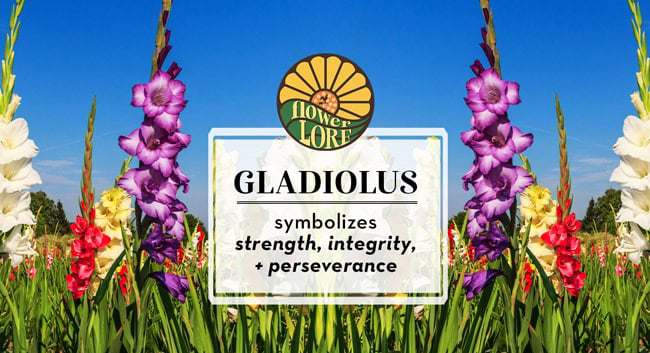
Gladiolus symbolizes strength, honor, integrity, and perseverance, which is why it lands on the August birth month flower list. It is a common flower for expressing love and admiration and is also associated with remembrance, especially for those who have passed. Romans planted gladiolus in their gardens as a sign of victory: the flower was presented to victors at gladiator games and tossed into the arena in respect for the fallen. Gladiators themselves wore gladiolus around their necks during battle for protection. For more on the bloom and its lore, see our August flower lore guide.
Any questions? Contact [email protected]
August’s secondary flower is the poppy, a quieter companion to the showy gladiolus and a long-standing symbol of remembrance in its own right. Roman legend also ties the larkspur to August through the sea god Neptune, who transformed an endangered dolphin into the flower to protect it, giving the bloom its characteristic shape. The perennial version, delphinium, means “dolphin” in Greek. Learn more about larkspur.

August Fun Facts:
- The South African species was first brought to Europe in the mid-18th century, where hybridizing produced the 10,000 types we have today. They became a popular bloom in the United States around the turn of the 20th century, with the North American Gladiolus Council forming in Boston in 1910.
- The bell-shaped flower of the gladiolus is edible. Its taste resembles lettuce and is a fine addition to leafy green salads. The bell shape also makes the flower a fun container for fruit salad, dips, or olives. Note: Consult a trusted foraging expert whenever eating wild edibles. Farmers’ Almanac shares information purely for educational purposes and does not offer medical advice.
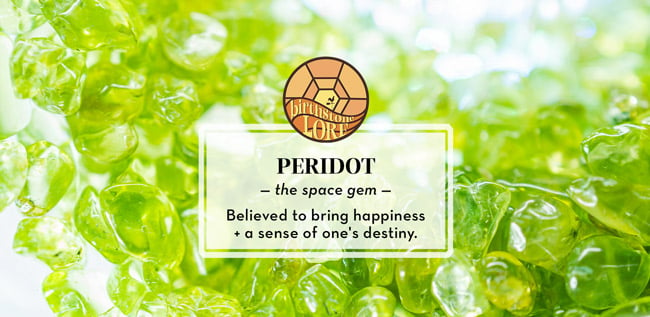
August Birthstone: Peridot (plus Spinel and Sardonyx)
Peridot is the traditional August birthstone, joined in the modern listing by spinel and the older sardonyx, both recognized as alternate August stones. Peridot draws its name from the Arabic faridat, meaning “gem”, and has been admired for centuries. Known for its lime-green color, peridot is one of the few gemstones that occurs in only one color. Most peridot forms deep in the earth and is pushed to the surface by volcanoes. It is also found in meteorites, though the rare extraterrestrial peridot known as “The Space Gem” is usually too small to be mined for jewelry.
Peridot has long been associated with light. The Egyptians called it the “Gem of the Sun” and believed it to be the stone of the sun god Ra. It has also been called the “Evening Emerald” or “Evening Gem” for the way its green-yellow color brightens at dusk. Wearers once kept the stone close at night, believing it would repel evil spirits and nightmares. Set in gold, the gem is said to bring added luck and fortune. It is also believed to carry happiness, a sense of destiny, and healing powers, which makes it an apt stone for August. For a full deep dive, see our August birthstone guide.
Related product: August Birthstone – Carnelian Necklace
August Fun Facts:
- In Hawaii, peridot once symbolized the tears of Pele, the volcano goddess of fire who controls the flow of lava.
- First found in Egypt, peridot is the national gem of Egypt and is believed to have adorned Queen Cleopatra VII, queen of Egypt from 51 to 30 BC. Some historians believe parts of Cleopatra’s famed emerald collection may actually have been peridot.
August Colors: Burnt Orange and Foliage Green
August is the capstone of summer, and its color palette bridges the gap between fiery summer and calm autumn. Burnt orange captures late summer’s grand sunsets and nods to the traditional fall tones still to come. Foliage green sits deeper than the greens of spring and early summer, the color of nature at its peak.
August Fun Facts:
- The name burnt orange was popularized around 1915, when it became a signature color for several American universities, including Auburn and the University of Texas. Texas Longhorns fans later claimed it as Texas orange. The color likely derives its name from the literal process of burning oranges or other citrus fruits, whose peels caramelize into a charred, dark orange.
- The word “green” traces back to Middle English “grene,” signifying growth or flourishing, and to the Proto-Germanic “grōni” with the same meaning. Fitting, given how often green stands in for growth itself.
Full Sturgeon Moon
August’s full Moon is named for North America’s largest freshwater fish, the sturgeon. There are about 27 different species of sturgeon worldwide, with the lake sturgeon being the most common. The lake sturgeon is the largest and oldest species in the Great Lakes, growing up to 6 feet long and weighing around 200 pounds, making it the largest freshwater fish on the American continent. It was once found in great numbers in August, and was an essential food source for Native Americans living in the region. These “living fossils” trace back more than 200 million years in the fossil record, older than any mammal or dinosaur. They are rarer today thanks to overfishing, habitat destruction, and pollution.
Other names for August’s full Moon include the Grain Moon, Corn Moon, and Ricing Moon, all pointing to harvest time. Northern Europeans called it the “Lightning Moon,” since late summer brings thunder and lightning storms across the Northern Hemisphere. Learn more about the August full Moon.

August Fun Facts:
- August’s full Moon corresponds with the Hindu festival Raksha Bandhan, which celebrates the bond between brothers and sisters. “Raksha Bandhan” translates to “the bond of protection, obligation, or care.” During the festivities, sisters tie a rakhi (a cotton bracelet) around their brother’s wrist, receiving a gift in return as a badge of the continuing bond between them.
- Male Lake Sturgeon have a lifespan of 55 years and female sturgeon can live to an astonishing 150 years old.
Zodiac Signs: Leo and Virgo
Two zodiac signs share the August birth month: Leo and Virgo.

Leo (July 23-August 22)
Proud, courageous, and ambitious, Leo is the fifth sign of the zodiac. This fire sign is symbolized by the lion, a natural-born leader. The bold and intelligent Leo never lacks self-esteem and has no problem patting themselves on the back for a job well done. Trailblazers by nature, they aim to make a name for themselves and defeat injustice along the way. Leos are admirable team players, willing to jump in and get the job done.
Leo’s warm and energetic personality helps them blossom in social situations, with their personal magnetism attracting friends easily. Leos have no trouble putting themselves first and will turn down plans that do not fit their agenda. They can come across as arrogant, but if a Leo is with you, it is because they genuinely want to be there. Lions are passionate and overall excellent partners, with no shortage of affection or grand gestures. They also seek balance, weighing adventure, travel, and socializing against the downtime they need to recharge.
Virgo (August 23-September 22)
The sixth sign of the zodiac, Virgos are smart, organized, and kind. Practical is the middle name for this earth sign. Symbolized by the virgin, they are skilled at looking at the big picture and laying a roadmap for their life. Control over their future and a tidy schedule give them a sense of security. Their attention to detail and preference for reason over emotion can make Virgos come across as picky and critical. They are patient by zodiac standards but expect perfection from themselves and often set the same high bar for everyone else.
Virgos resent being let down. Even minor incidents like last-minute cancelations can upset them. Conversely, they never want to disappoint others, which leaves them unable to say “no” and prone to spreading themselves too thin. You want a Virgo on your team. This passionate, hardworking sign was born with a sense of duty and gets the job done without complaining.
Virgos can seem shy when you first meet them, and trust takes a while to earn. Once the wall is down, you will have a friend for life who will always lend a hand or offer advice. As intelligent, lifelong learners, Virgos are always in pursuit of knowledge, trying new things, reading, and learning about the world around them. They are never too old to sign up for a class and often prefer an evening in with a book or a small group of friends over a night on the town. They do prize beauty, though: fashion and decorating are extensions of their personality.
August Fun Facts:
- Ruled by the Sun, Leo is the most generous sign of the zodiac. Charismatic and driven by the desire to be loved, Leos often find themselves in the limelight.
- Mercury, the planet of messages, is Virgo’s ruling planet. Signs ruled by Mercury often have a well-developed sense of speech and writing, which leads many to careers as writers, journalists, and typists. Their need to serve others also makes them good caregivers.
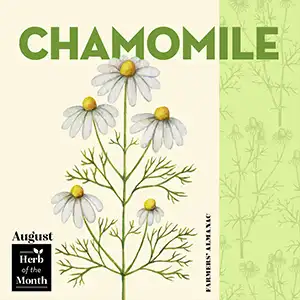
August Herbs of the Month
Herbs are tied to specific zodiac signs in long-standing folk tradition. Each herb is thought to carry traits that emphasize the sign it belongs to, aiding healing and easing whatever the sign tends to struggle with. Certain herbs are believed to amplify the positive attributes of those born under specific signs, or to soften the hardships they encounter.
Leo herbs (July-August): Parsley is the quintessential green herb, symbolizing freshness, vitality, and purification. In the Apiaceae family with carrots and celery, parsley is native to the rocky Mediterranean. Its name comes from the Greek petroselinon, meaning “rock celery,” because it thrives on rocky cliffs.
Parsley’s flavor and nutrition make it more than a garnish. A biennial herb with more than 30 varieties, the stronger-flavored flat-leaf (Italian) parsley is most commonly used for cooking, while the milder curly-leaf variety is often used as a fancy garnish. Available fresh or dried, parsley shows up in soups, sauces, pasta, vegetables, meats, and fish. Add it toward the end of cooking to retain flavor and nutrients. For centuries parsley has been used to freshen breath after meals, thanks to high chlorophyll content that helps neutralize onion and garlic odors.
Beyond the kitchen, parsley is valued medicinally for being high in vitamins A and C and iron, and is known to ease digestive issues and improve circulation. Its ability to grow back quickly after being cut signals purification and renewal, marking new beginnings. The luminous, feathery leaves were once burned to ward off evil and its seeds planted to symbolize starting anew, making parsley a symbol of protection.
Parsley is commonly used in ceremonial dishes to bring good fortune, symbolizing prosperity and success. In ancient Greek and Roman culture, sprigs of parsley were placed on tables during weddings to symbolize fertility and fortune for the newlyweds. Funeral wreaths made of parsley were common in Ancient Greece, while heroes and loved ones were crowned with garland and crowns of parsley. Ancient Romans also crowned their victorious athletes with this aromatic herb.
Virgo herbs (August-September): The modest chamomile flower is the picture of sunny, peaceful days, with the power to ease woes and bring calm. Rooted in tranquility, peace, and relaxation, chamomile is a fitting match for the over-thinking Virgo. Belonging to the Asteraceae (aster) family and originating in Western Europe, chamomile has a yellow center surrounded by small, delicate white petals and a sweet, herbaceous aroma.
The name comes from the Greek khamai, meaning “ground,” and melon, meaning “apple,” a nod to its low growth and apple-like scent. About twenty-five species exist; the most common are German (wild) chamomile and Roman (English/garden) chamomile. Roman chamomile is a wide-spreading perennial and is often used as a no-fuss ground cover that softens walkway edges and stone walls. German chamomile is an annual and is the type most often grown in herb gardens and used for tea.
Chamomile is best planted in spring from seed and thrives in partial to full shade, in moist soil. This low-maintenance, “cut-and-come-again” plant grows quickly, reaching full bloom in about ten weeks. Most pests avoid chamomile, which is why it is often planted as a natural defense in vegetable gardens.
Chamomile has been used in traditional medicine for centuries to relieve anxiety, reduce stress, aid digestion, soothe stomachs, and promote better sleep. It also helps with skin conditions like eczema, burns, diaper rash, and acne, and shows up in oils, ointments, and capsules. Chamomile tea, made from fresh or dried flowers, has been cherished as a calming beverage for generations.
The flower carries a long historical significance, rooted in tranquility, peace, and relaxation. These dainty blooms were added to Roman baths for relaxation, while wreaths, infusions, and offerings of chamomile were made to appease the gods. Ancient Egyptians believed the flower held significant healing power and dedicated it to the sun god Ra. Ancient Greeks used chamomile in their temples to soothe body and mind.
In Greek mythology, chamomile is associated with the god Apollo and is considered a symbol of patience and endurance. In Norse mythology, it ties to the goddess Frigg and was thought to attract good luck and prosperity. It is also seen as a symbol of purity and innocence in art and literature. Shakespeare mentions chamomile on multiple occasions, where it is believed to symbolize the caring and nurturing nature of female characters. The flower also pops up often in Victorian art as a symbol of innocence and beauty.
August Fun Facts:
- Parsley is a biennial plant, taking two years to complete its cycle, so it does not need to be replanted annually. If you leave the plants in the ground in autumn, the roots will usually survive winter and begin again the following spring. Cut the plants down to a few inches above the soil line in fall. After their second year, parsley will flower, set seed, and then die after producing seeds you can harvest for new plants. Remove the flowering stalks to encourage more foliage growth, though leaves will eventually turn bitter.
- To harvest chamomile for tea, gather flowers when they are fully open, pulling the tiny blooms off with one hand while holding the stem just under the flower. Leave the stems intact to encourage new growth. Make tea by steeping three to four tablespoons of fresh or dried flowers in boiling water. Add a sprig of mint or a touch of honey. The flavor is fruity, with apple undertones.

August Birth Month Bird: Woodpecker
The confident woodpecker lets its presence be known, which captures the essence of those born in August. Like the woodpecker, August-born are open-minded and not afraid to look beneath the surface to see what life has to offer.
Woodpeckers spend nearly their entire lives in trees in search of insects, also dining on sap and berries. These headbangers are a welcome sight in any bird lover’s backyard and are vital for healthy ecosystems, controlling pests and creating homes for other woodland birds and animals.
August Fun Facts:
- Unlike other birds that communicate with songs and calls, woodpeckers drum (also called rapping, tatting, and tattooing). They peck on wood and even metal to create patterns, usually for mating and holding territory. A strong drumming pattern signals a healthy, dominant bird, an ideal mate. Hollow trees and stumps are preferred because they resonate and carry the sound farther. Tempo, rhythm, and repetition vary by species, so drumming patterns can be used for species identification.
- In Native American cultures the woodpecker is intertwined with themes of home, safety, and protection. Nests sheltered safely in tree cavities are a model of security and refuge. Some cultures also associated the woodpecker with intelligence and knowledge, linking its pecking to perseverance and a tireless search for discoveries.
What Does “August” Mean?
The month of August is named for the first Roman emperor, Augustus Caesar (63 B.C.- A.D. 14). After Augustus defeated Marc Anthony and Cleopatra, the Roman senate decided he deserved a month of his own.
August is the eighth month in the Gregorian calendar, contains 31 days, and is the third month of astronomical summer in the Northern Hemisphere. In the old Roman calendar, August was called Sextilis, Latin for the sixth month, because the year started in March. In 700 BCE, the Roman ruler Numa Pompilius gave the calendar a lunar makeover, adding January and February and shifting August into the eighth slot.
August Fun Facts:
- To make sure Augustus was not seen as inferior to Julius, the senate decided that since Julius’s month, July, had 31 days, Augustus’s month should too. To make room, a day was taken from February (originally 29 days, 30 in a leap year), reducing it to 28 (29 in a leap year). To avoid three long months in a row, the lengths of the last four months were swapped, giving us 30 days in September, April, June, and November.
- The Anglo-Saxons referred to August as Weodmonath, an Old English word meaning “plant month.”
Any questions? Contact [email protected]
August Weather Lore
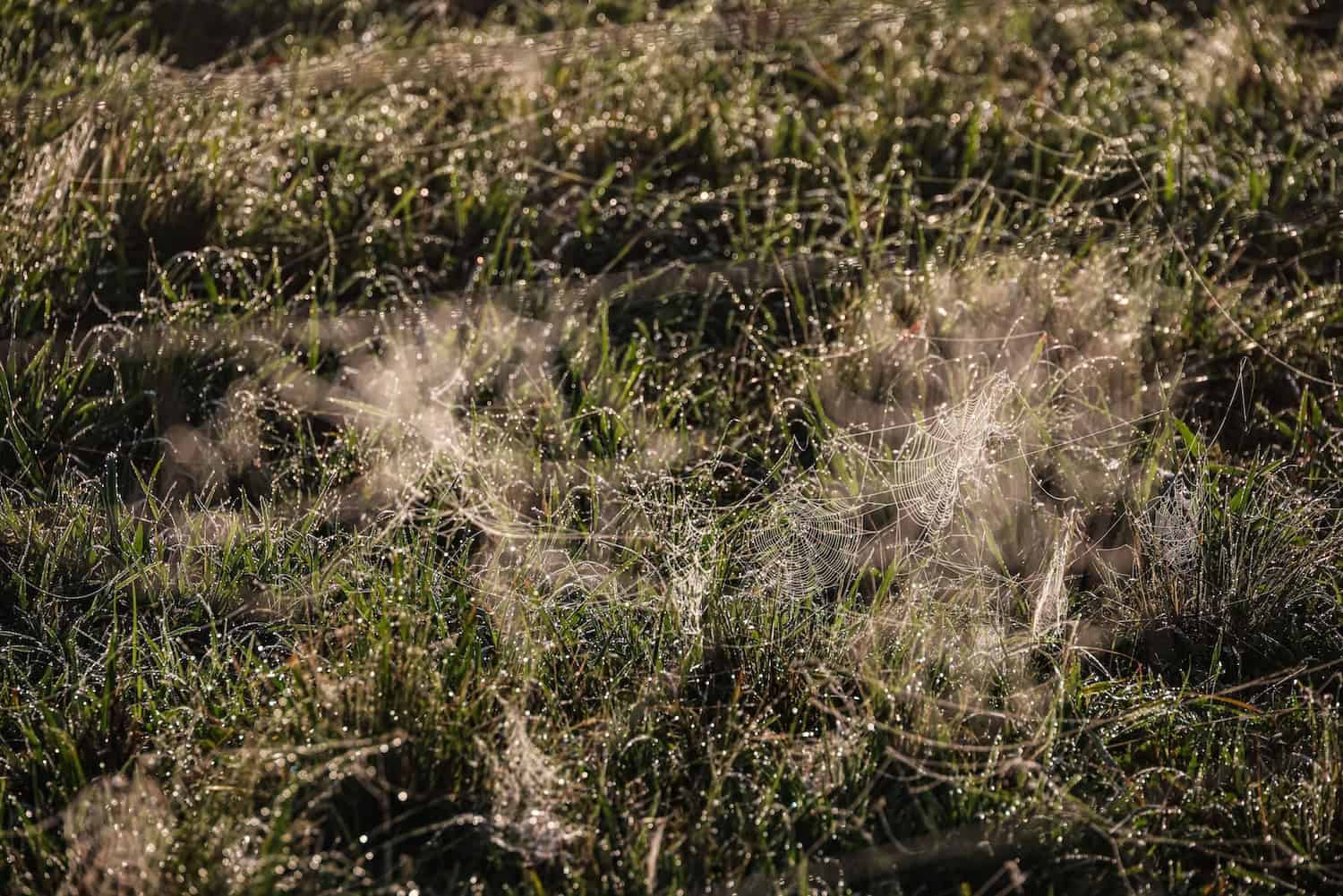
Before modern meteorology, people looked to the skies for short-term forecasts. Every month carries its own sayings, and August is flush with weather folklore. Many of these sayings began as forecasts for farmers or sailors, while others trace back to explorers using late-summer weather to judge if it was safe to set off on wintertime journeys. One popular adage: “For every fog in August there will be a snowfall the following winter.” Whether the correlation holds is best tested by marking your own calendar this August.
Other August weather lore tying nature to coming patterns:
- If the first week in August is unusually warm, the coming winter will be snowy and long.
- If a cold August follows a hot July, it foretells a winter hard and dry.
- When it rains in August, it rains honey and wine.
Speaking of weather, plan ahead with the Farmers’ Almanac Fall Weather Forecast.
August Night Sky
August is arguably one of the best months of the year for astronomy. The headline event is the annual Perseid Meteor Shower, widely considered the best shooting stars of the year. The Perseids peak in mid-August with an average of 60 to 100 meteors per hour. Warm Northern Hemisphere nights make this the most popular shower of the year.
The Perseids are caused by Earth passing through a debris stream left by Comet Swift-Tuttle, which was discovered in 1862. To view them, lie on your back somewhere open, away from artificial lights, and look toward the darkest part of the sky. See our Monthly Stargazing Page for the latest details.
August Fun Facts:
- Meteor showers get their names from the constellation they radiate from. The Perseid Meteor Shower comes from Perseus, hence the name Perseids.
- The Ancient Romans called our galaxy “via lactea,” meaning “the road of milk”. The word “galaxy” itself comes from a Greek word for “milk.” The name likely derives from the Milky Way’s bright, milky band across the night sky. Legend says our galactic home formed when some milk spilled as Hera was feeding the infant Heracles.
August Gardening
August is the last full month of summer and the moment to reap the benefits of your labor. The garden may be overflowing with zucchini, tomatoes, and a rainbow of blooms, but this is not the time to take your eye off the ball. There is still plenty to do:
- Continue your daily watering schedule, watering at dusk and early morning. Set up a watering arrangement or automated system if you plan to be on vacation.
- Stay on top of weeds that compete with your crops for nutrients and water.
- Keep fertilizing plants that need it, and clear away diseased or dead foliage in the vegetable garden to ward off pests and disease.
- Top off any mulch that has dispersed or decomposed, to control moisture and slow weeds.
- Deadhead annuals and perennial flowers to push them to bloom into autumn and prevent self-seeding.
- Divide and spread out perennials that have slowed in flower production. Dividing in August lets them settle in before winter.
- Harden your perennials by slowly giving them less water through the month to prepare for winter.
- Cut back herbs to encourage fresh, tasty leaves before frost. Thinning parsley will help it establish a good root system before winter.
- Dry any harvested herbs for later use.
- Collect ripened seeds and store them to plant next year. If you want a plant to self-seed in the surrounding soil, leave some seed heads in place. Collect seeds of herbs such as dill, bronze fennel, caraway, and chervil and dry them in a warm spot out of direct sunlight.
- Harvest spring-sown carrots and beetroot, though they can be left in the ground to keep growing.
- To encourage side-shooting and more beans at picking height, pinch out the tips of runner bean plants once they reach the top of their support.
- Harvest potatoes once the leaves yellow and die back. Store in a dark, well-ventilated place.
- Onions, garlic, and shallots are ready to be pulled once the foliage has drooped and yellowed.
- Plant cold-weather vegetables for your fall garden: peas, chard, broccoli, cabbage, lettuce, brussel sprouts, celery, kale, and collards.
- Turn your compost bins routinely to keep them aerated and speed up decomposition.
- Keep birds and squirrels off your berries with netting or old net curtains.
- Fruit trees like cherries, plums, peaches, nectarines, and apricots should be ready to harvest.
- Raise the cutting height of your lawn mower to help the grass cope with slower late-summer growth. Do not fret if your lawn looks brown; autumn rains will green it back up.
- Now is the time to order fall bulbs you want blooming next spring, like narcissus and tulips.
August Trivia
- Only one US President in history has died during August: Warren Harding.
- August 26 is Women’s Equality Day, marking the 1920 ratification of the Nineteenth Amendment and the right to vote for women in the United States.
- Former US Presidents Barack Obama and Bill Clinton, Napoleon Bonaparte, Neil Armstrong, Louis Armstrong, Michael Jackson, Madonna, Lucille Ball, Tom Brady, Roger Federer, and Katherine Johnson (the first African-American female to work at NASA) were all born in August.
- August was the month US President Richard Nixon resigned over the Watergate scandal.
- The Klondike Gold Rush in Alaska began in August 1896, when gold was found in the Klondike River at Rabbit Creek.
- August 16 is National Rum Day, dedicated to the anniversary of the 1954 repeal of the sugar tax in the US Virgin Islands, which benefited the rum industry.
- August 3 is National Watermelon Day, celebrating the summertime treat. No August picnic is complete without it.
- If you are blessed with an abundance of zucchini, August 8 is “National Sneak Some Zucchini onto Your Neighbor’s Porch Day,” inviting people to share their surplus with unsuspecting neighbors.
August Birth Month FAQ
What are the August birth flowers?
August’s primary birth flower is the gladiolus, symbolizing strength, honor, and perseverance. The poppy is recognized as a secondary August flower and carries its own long association with remembrance.
What is the August birthstone?
Peridot is the traditional August birthstone, known for its lime-green color and its long folklore tying it to light, luck, and protection. Spinel and sardonyx are recognized as modern alternates, giving August three stones in total.
What zodiac signs are born in August?
Two signs share the month. Leos are born between July 23 and August 22, and Virgos are born between August 23 and September 22. Anyone born from August 1 through August 22 is a Leo; from August 23 through August 31, a Virgo.
Why is August’s full Moon called the Sturgeon Moon?
August’s full Moon is named for North America’s largest freshwater fish, the lake sturgeon, which was once found in great numbers in late summer and was an essential food source for Native Americans in the Great Lakes region. Other historic names include the Grain, Corn, Ricing, and Lightning Moon.
What is the August birth tree?
In the Celtic tree calendar, August is associated with the hazel and the poplar, both tied to wisdom and resilience. Hazel covers the early August window, with poplar overlapping later in the month.
Why is the month called August?
August is named for the first Roman emperor, Augustus Caesar (63 B.C.- A.D. 14). After Augustus defeated Marc Anthony and Cleopatra, the Roman senate gave him a month of his own, formerly called Sextilis.
When can I see the Perseid Meteor Shower in August?
The Perseids peak in mid-August with an average of 60 to 100 meteors per hour. They are caused by Earth passing through debris left by Comet Swift-Tuttle. View from somewhere dark, lie back, and watch the darkest part of the sky.
Join The Discussion
Is your birthday in August? Do you have a favorite August symbol, fact, or piece of folklore not mentioned above? Share with your community in the comments below.


This article was published by the Staff at FarmersAlmanac.com. Any questions? Contact us at [email protected].
- Farmers' Almanac Staff

- Farmers' Almanac Staff

- Farmers' Almanac Staff

- Farmers' Almanac Staff