August Birth Flower: Gladiolus and Poppy Lore
Learn all about the history and folklore attached to the gladiolus, August's official flower.
Quick Reference: The August Birth Flower
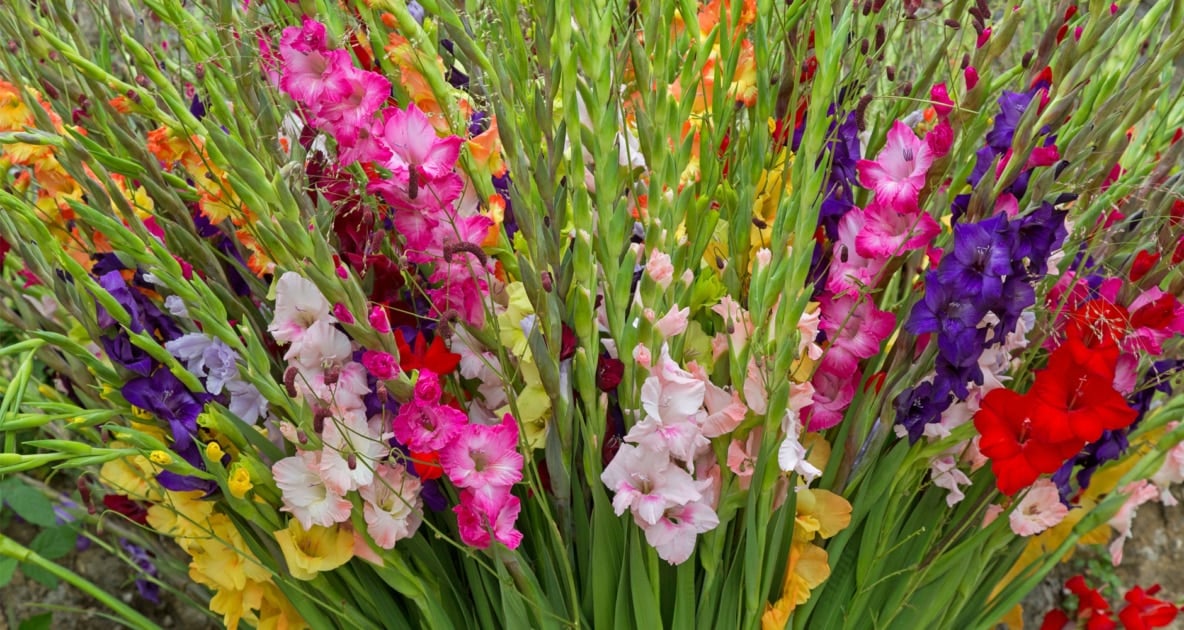
- Main flower: the gladiolus, also known as the “sword iris,” the official August birth flower.
- Alternate flower: the poppy, August’s other official bloom.
- Means: strength of character, sincerity, and generosity for the gladiolus; sleep, peace, and remembrance for the poppy.
- Bloom time: mid to late summer, right through the month of August.
- Note: the gladiolus has a long folk history as a healing plant, and the opium poppy is the source of morphine and codeine.
Come August, the garden runs to tall flower spikes and wide papery blooms, and two flowers share the honor of the month. Flowers, perhaps more than any other part of the natural world, are fascinating because of the many layers of meaning people have shrouded them in throughout history. There is a whole sub-category of etiquette surrounding which flowers are appropriate to give at what times, and to whom, and the unending rules surrounding something so simple as a flower can be dizzying. There are designated flowers for each month of the year. August’s official flower is the gladiolus, also known as the “sword iris,” with the poppy standing as the month’s alternate bloom.
History and Lore of the Gladiolus
The name gladiolus comes from the Latin word for “sword,” so named because the flowers grow up a long sword-like shaft. The name is commonly used for any of about 260 species of flowers, all of which share a similar body structure. They come in a range of colors, including pink, red, purple, orange, white, and more. For a fuller botanical description of the plant, Encyclopaedia Britannica keeps a useful entry on the gladiolus.
To the ancient Romans, gladioli represented strength of character, sincerity, and generosity. Their sword-like shape caused them to be associated with gladiators, and Roman crowds are said to have thrown the blooms into the arena to honor a victorious fighter. That link between the flower and the fighter is still why the gladiolus is read today as a symbol of moral integrity, remembrance, and never giving up.
The ancient Greeks believed the flower sprang from the ground from the blood of Hyacinthus, a lover of the god Apollo who was accidentally slain by a discus. This myth eventually became more general, and one popular belief was that gladioli grew whenever anyone was slain by a sword.
The August Birth Flower At A Glance
If you are weighing August’s two blooms side by side, here is how the main flower and its alternate compare. Both fit a family garden, and both carry their own folklore to the table.
Gladiolus’ Health Properties
In parts of Africa, the gladiolus is believed to have magical properties. It has been used to cure everything from common colds to painful menstruation but is most effective for digestive disturbances, including diarrhea, and constipation. In cultures where dysentery is common, it is often used to ease the symptoms. Traditional healers have turned to the plant’s corm, the bulb-like base, grinding or boiling it into a remedy handed down through generations.
Note: Farmers’ Almanac does not give medical advice. The folk uses described here are shared for their history and lore only. Please work with a professional before using any plant as a remedy.

The Poppy: August’s Other Official Flower
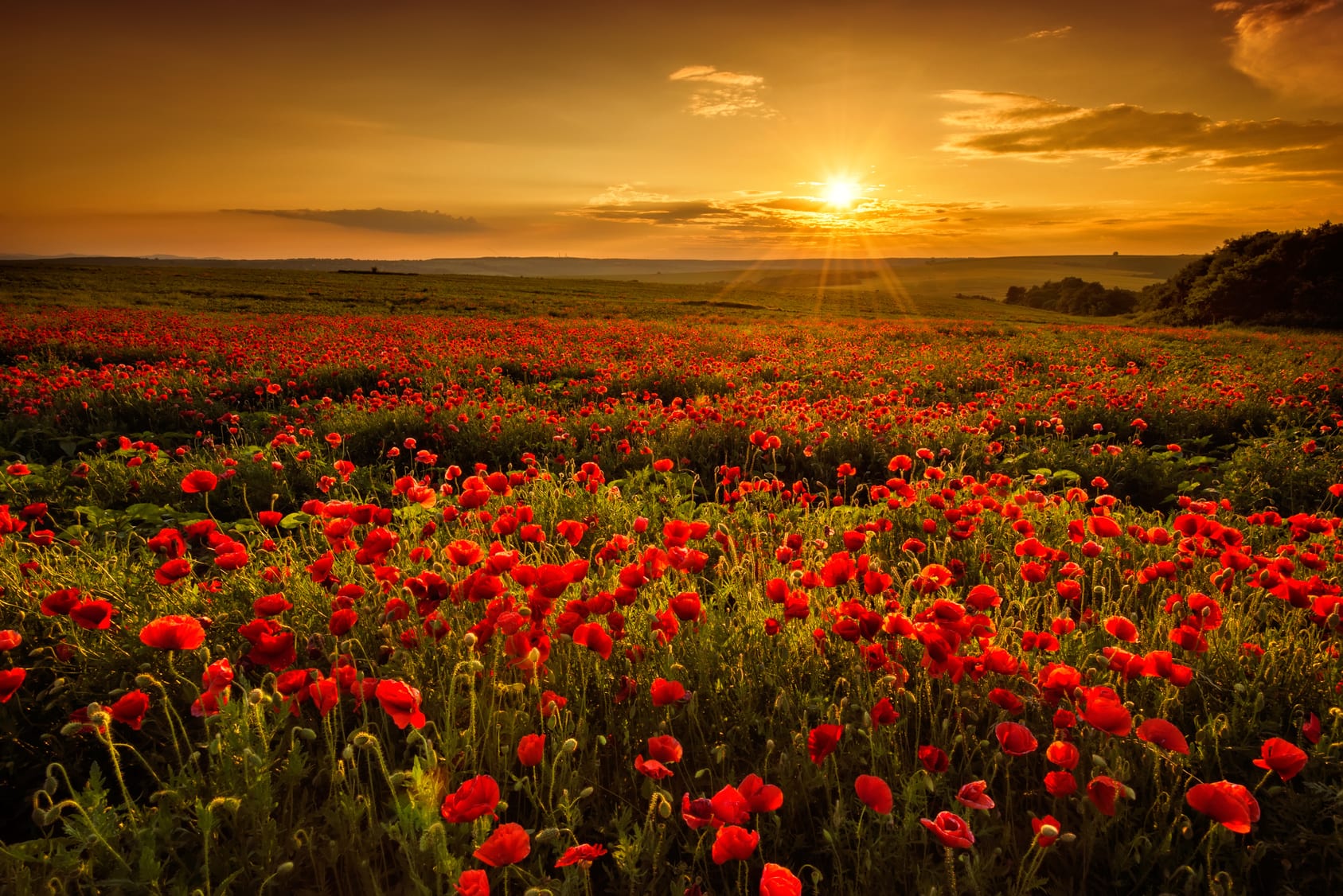
Poppies are vibrant flowers with large, round, papery petals. Poppy plants produce one flower per stem, each with four to six petals, depending on the species. They come in a wide variety of colors, including white, pink, orange, yellow, and most commonly red, and often have dark centers. For a fuller look at the many kinds of poppy, Encyclopaedia Britannica keeps an entry on the poppy.
Poppy seeds are a popular culinary ingredient, most often used to top pastries. Opium poppies also contain compounds that are used to produce morphine and codeine, two powerful pain-relieving drugs. In ancient Egypt, doctors prescribed poppy seeds to patients as a pain reliever, one of the earliest written records of the flower being used in medicine.
Poppy Symbolism
Poppies are rich in symbolism, having long been used as a symbol of sleep, peace, and death, due both to their deep red color, resembling blood, and their opiate properties. Poppies were used as offerings to the dead in ancient Greece and Rome, and were sometimes said to be a symbol of resurrection. In Greek and Roman myth the flower was tied to Hypnos and Somnus, the gods of sleep, and to Demeter, the goddess of the harvest, a fitting pairing for a bloom that colors the late-summer fields of August.
Today, poppies are most often associated with honoring soldiers who lost their lives at war, and are worn on Memorial Day in the United States and Remembrance Day in Canada. That custom grew out of the fields of Flanders in the First World War, where red poppies bloomed over the disturbed ground of the battlefields. The Canadian physician John McCrae captured the sight in his 1915 poem “In Flanders Fields,” and in the years after, the American teacher Moina Michael and others took up the poppy as a token of remembrance that is still worn each year.
Growing August’s Flowers
Both of August’s flowers are within reach of a home gardener. Gladiolus corms go into the ground in spring after the last frost, planted about four inches deep and set a few weeks apart in batches so the tall spikes bloom in a steady wave through summer. They like full sun and well-drained soil, and the taller kinds are glad of a stake to lean on. Poppies, by contrast, are usually grown from seed sown on cool soil, and many types self-sow and return on their own year after year.
If you want to time your planting the traditional way, our Gardening by the Moon Calendar lists the Best Days to set out flowers in your area, and our guide on how to grow a birth flower garden walks through gathering each month’s bloom in one bed. August’s full Moon, the Sturgeon Moon, is a fine marker for the season, and you can find its date on our full Moon calendar.

August Flower Lore: Frequently Asked Questions
What is the August birth flower?
The August birth flower is the gladiolus, also known as the “sword iris,” named for the Latin word for sword because it grows up a long sword-like shaft. The poppy is August’s other official flower, standing as the month’s alternate bloom.
What does the gladiolus symbolize?
To the ancient Romans, the gladiolus represented strength of character, sincerity, and generosity. Its sword-like shape linked it to gladiators, and it is still read today as a symbol of moral integrity, remembrance, and never giving up.
Why is the poppy a symbol of remembrance?
Poppies have long stood for sleep, peace, and death, thanks to their deep red color and their opiate properties. During the First World War, red poppies bloomed over the battlefields of Flanders, and the poppy was taken up as a token of remembrance worn on Memorial Day in the United States and Remembrance Day in Canada.
What was the gladiolus used for in folk medicine?
In parts of Africa, the gladiolus was believed to have magical properties and was used for everything from common colds to painful menstruation. It was considered most effective for digestive troubles, including diarrhea and constipation, and was used to ease the symptoms of dysentery. Farmers’ Almanac does not give medical advice, and these uses are shared for their history only.
Are poppy seeds and opium poppies the same plant?
The poppy seeds that top pastries and the opium poppy come from the same family of plants. Opium poppies contain compounds used to produce morphine and codeine, two powerful pain-relieving drugs, and in ancient Egypt doctors prescribed poppy seeds to patients as a pain reliever.
When do gladiolus and poppies bloom?
Both flowers put on their show in mid to late summer, right through August, which is part of why they became the month’s birth flowers. Gladiolus corms planted in batches through spring bloom in a steady wave, while many poppies grow from seed and self-sow to return year after year.


Jaime McLeod
Jaime McLeod is a longtime journalist who has written for a wide variety of newspapers, magazines, and websites, including MTV.com. She enjoys the outdoors, growing and eating organic food, and is interested in all aspects of natural wellness.
- Jaime McLeod

- Jaime McLeod
- Jaime McLeod
- Jaime McLeod