Weather Lore: “When the swallows fly low, rain is on the way.”

“When the swallows fly low, rain is on the way.”
For generations, farmers, fishermen, and country folk kept one eye on the sky—and the other on the birds.
Long before weather radar and smartphone apps, people learned to read nature’s subtle clues. One of the oldest and most widespread weather sayings involved swallows. If these graceful birds were skimming low over fields, ponds, or pastures, many believed rain wasn’t far behind.
Was it simply folklore, or is there truth behind this age-old belief?
As it turns out, this bit of country wisdom may have more science behind it than you might expect.
An Old Country Saying
Versions of the saying have appeared for centuries:
- When swallows fly low, expect rain to follow.
- Swallows high, weather dry.
- Low-flying swallows bring tomorrow’s showers.
Early farmers depended on these natural signs when deciding whether to cut hay, harvest grain, or head home before a storm.
While no weather sign is perfect, this one has earned its place among the classics.
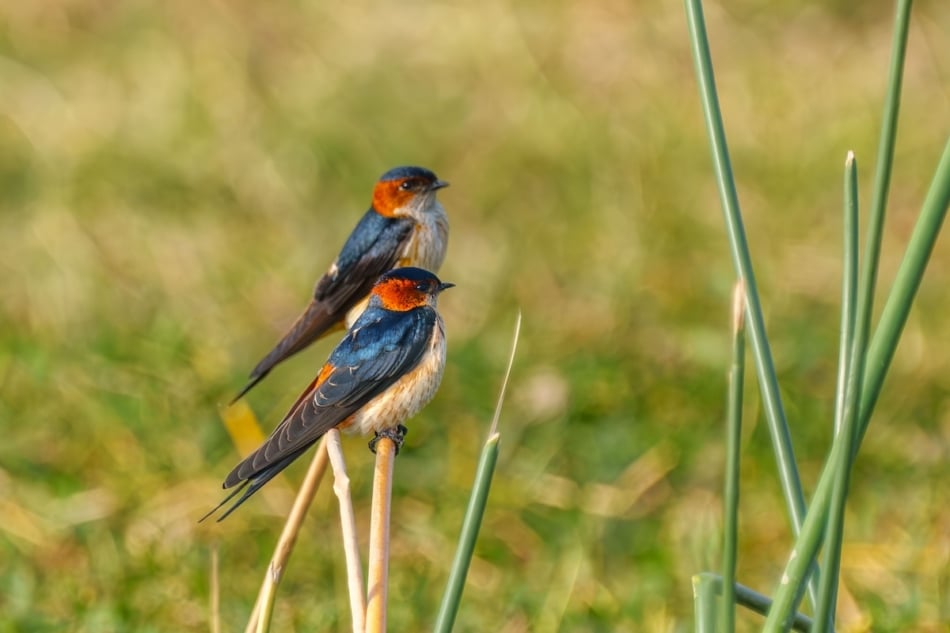
Why Do Swallows Fly Low?
Swallows are remarkable aerial hunters. Almost their entire diet consists of flying insects, which they catch in midair while darting and gliding at impressive speeds.
The birds themselves aren’t sensing rain nearly as much as they’re following their food.
Before wet or stormy weather, the atmosphere often changes in noticeable ways:
- Air pressure begins to fall.
- Humidity rises.
- Winds become lighter or shift direction.
These changing conditions affect tiny flying insects. Moist air can make the insects’ delicate wings less efficient, while cooler, denser air near the ground keeps many insects from climbing very high.
Instead of buzzing overhead, insects remain closer to the ground.
The swallows simply follow the buffet.
Nature’s Weather Forecast
To someone watching from a farmhouse porch, the birds appeared to know rain was coming.
In reality, they were responding to the same atmospheric changes that often arrive hours before a storm.
It’s one of nature’s chain reactions:
- Air pressure falls.
- Insects fly lower.
- Swallows follow.
- Rain often arrives soon afterward.
No barometer required.
A Sign—Not a Guarantee
Like all weather lore, this saying isn’t foolproof.
Swallows may also fly low because of:
- Strong winds higher in the atmosphere.
- Cooler morning temperatures.
- Feeding opportunities over lakes, rivers, or freshly mowed fields.
- Local insect activity unrelated to incoming rain.
Still, when you notice swallows swooping unusually low on a warm, humid summer afternoon, it may be worth keeping an umbrella nearby.
Reading the Natural World
Our ancestors didn’t have satellite imagery, but they were careful observers.
They noticed patterns repeated over many seasons:
- Cows gathering together before a storm.
- Pine cones closing before wet weather.
- A red sky at morning.
- Dew lingering after sunrise.
- Swallows flying low across the meadow.
Some of these beliefs are more legend than science, while others contain surprising kernels of truth.
The swallow saying belongs somewhere in the middle—a piece of folk wisdom supported by the behavior of insects and the changing atmosphere.
Next Time You See Swallows…
The next time you’re outdoors on a summer day, take a moment to watch these agile birds.
Are they soaring high overhead, barely visible against the blue sky? Fair weather is likely to continue.
Or are they darting just above the grass, pond, or country road?
If they are, you may be witnessing one of nature’s oldest weather forecasts in action.
After all, some of the best weather watchers don’t carry instruments—they carry wings.
Farmers’ Almanac Wisdom
“When swallows fly high, the weather stays dry. When swallows fly low, rain is likely to follow.”
Like many traditional weather sayings, this one isn’t a certainty—but it reminds us that paying attention to the natural world can reveal clues about the changing weather. Even in the age of radar and forecasts, there’s still something satisfying about watching nature tell its own story.

- Farmers' Almanac Staff

- Farmers' Almanac Staff
- Farmers' Almanac Staff
- Farmers' Almanac Staff