
What Makes Heat Lightning? (And Is It Really Lightning?)
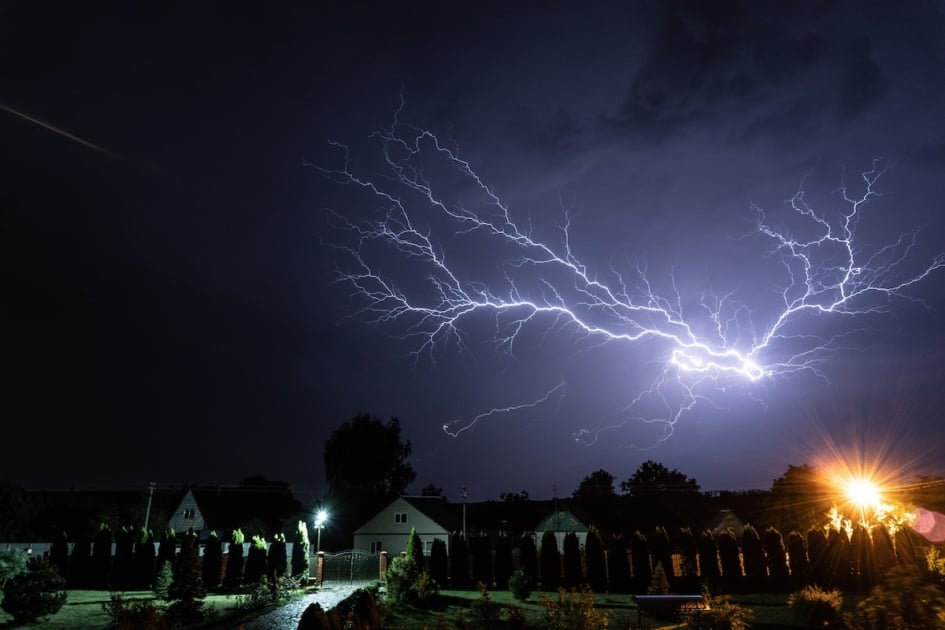
If you’ve ever spent a warm summer evening watching flashes of light flicker along the horizon with no thunder to be heard, you’ve probably witnessed what’s commonly called heat lightning. But despite its name, heat lightning isn’t a special kind of lightning at all. So what is it—and why do we seem to see it so often during hot weather?
What Is Heat Lightning?
The short answer: Heat lightning is simply ordinary lightning from a distant thunderstorm.
The lightning itself is no different from the bolts produced by any thunderstorm. The only difference is your distance from the storm.
Light travels incredibly fast, so you can see flashes from storms that are 50 to 100 miles away on a clear night. Sound, however, travels much more slowly and gradually weakens as it moves through the atmosphere. By the time the thunder reaches you, it has often faded away entirely.
The result? Bright flashes with no rumble of thunder.
Why Is It Called “Heat” Lightning?
The name comes from when people most often notice it—not what causes it.
Heat lightning is commonly seen during:
- Hot summer evenings
- Warm, humid nights
- Late summer after sunset
Since summer thunderstorms are most frequent during the warmest months of the year, people long ago associated these silent flashes with heat itself.
In reality, heat does not create heat lightning. The flashes are produced by distant thunderstorms, just like any other lightning strike.
How Far Away Is the Storm?
If you can see lightning but hear no thunder, the storm is usually more than 10 to 15 miles away.
On exceptionally clear nights—especially over flat terrain or open water—you may be able to see lightning from storms 50 to 100 miles away.
The taller the thunderstorm, the farther away its lightning may be visible.
Why Can You See Lightning So Far Away?
Lightning is one of nature’s brightest phenomena.
A single bolt can briefly outshine the surrounding landscape, illuminating clouds tens of miles away. At night, the darkness makes those flashes even easier to spot.
You may notice:
- Flickering clouds along the horizon
- Sheet-like flashes lighting up distant clouds
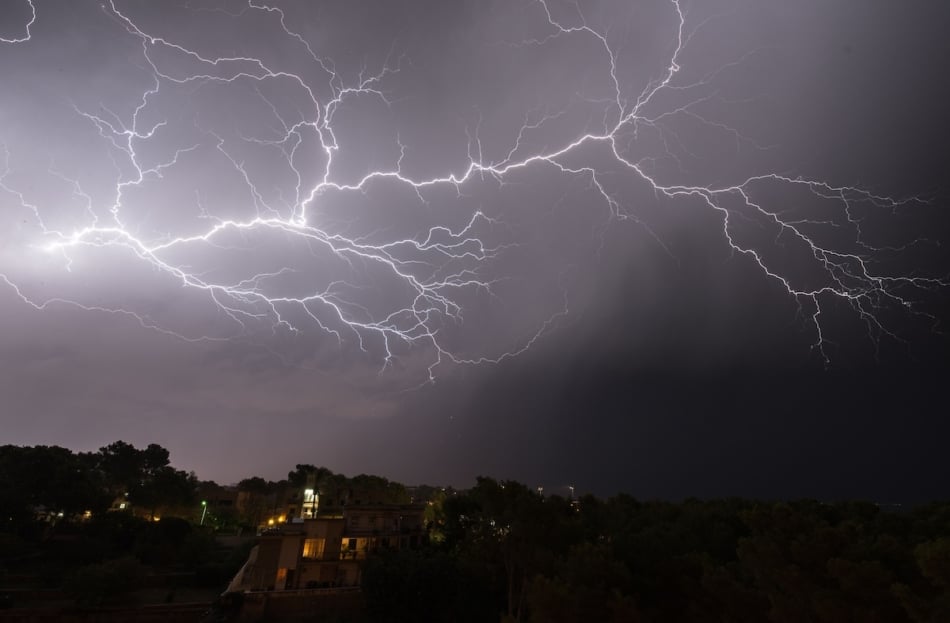
- Occasional branching bolts peeking above the horizon
Even though the storm is far away, the light travels directly to your eyes almost instantly.
Is Heat Lightning Dangerous?
The distant flashes you see are not dangerous where you’re standing—because the storm is well away from your location.
However, keep in mind that storms move.
If the flashes seem to be getting brighter, more frequent, or higher in the sky, the storm may be approaching. If you begin hearing thunder, you’re close enough to be struck by lightning.
Remember the old safety rule:
When thunder roars, go indoors.
Once thunder is audible, it’s time to head inside or into a fully enclosed vehicle.
Can Lightning Strike Far From Rain?
Yes.
Lightning sometimes strikes 10 to 15 miles—or even farther—from the main rain shaft of a thunderstorm. These are often called “bolts from the blue.”
That’s why you should never wait until rain begins before seeking shelter.
Why Is Heat Lightning More Common in Summer?
Summer provides the perfect ingredients for thunderstorms:
- Warm, moist air
- Strong daytime heating
- Rising air currents
- Frequent afternoon and evening storms
After sunset, you may still see lightning from storms that developed earlier in the day, even though the skies overhead remain clear.
The Farmers’ Almanac Take
For generations, people believed heat lightning was a unique weather phenomenon caused by hot, sultry nights. Today we know the explanation is much simpler.
Heat lightning isn’t a separate type of lightning at all—it’s simply the visible flashes from a thunderstorm that’s too far away for you to hear its thunder.
So the next time you see silent flashes dancing across the summer horizon, you’ll know you’re witnessing one of nature’s most spectacular long-distance light shows.
Frequently Asked Questions
Is heat lightning real?
Yes—but it’s a common name for ordinary lightning produced by distant thunderstorms. There is no separate type of lightning called “heat lightning.”
Can heat cause lightning?
No. Heat helps create the atmospheric conditions that lead to thunderstorms, but it does not produce a special kind of lightning.
Why don’t I hear thunder?
Thunder weakens as it travels through the atmosphere. If the storm is far enough away, the sound dissipates before reaching you.
Can heat lightning happen in winter?
Yes. Anytime you can see lightning from a distant thunderstorm without hearing thunder, it’s often referred to as heat lightning. It’s simply less common because thunderstorms are less frequent in winter.

- Tim Konrad

- Tim Konrad
- Tim Konrad
- Tim Konrad