Why Summer Thunderstorms Always Seem to Happen in the Afternoon
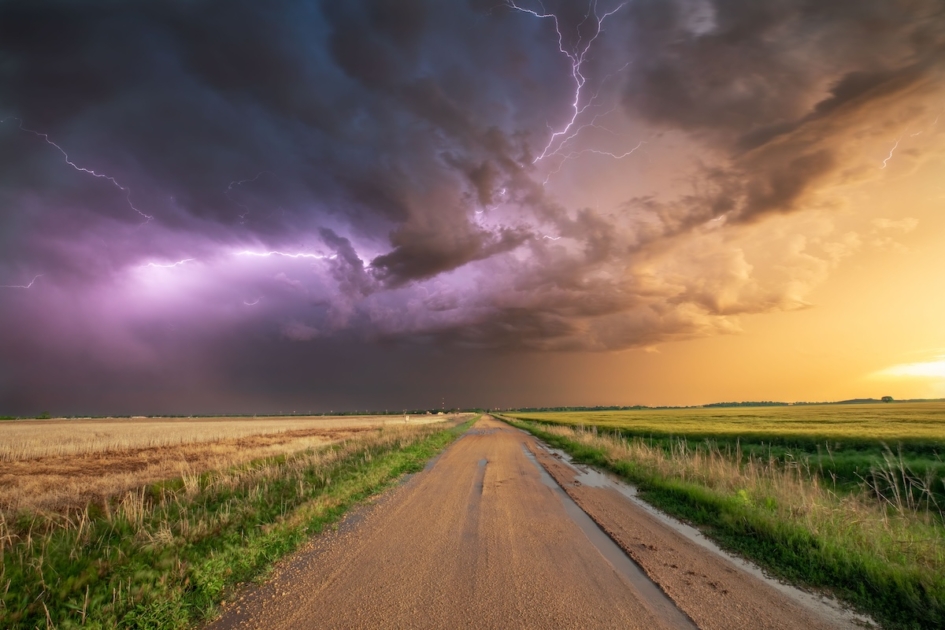
Have you ever noticed that a sunny summer morning can suddenly give way to booming thunder and heavy rain by late afternoon?
It’s no coincidence. Across much of North America, afternoon is prime time for summer thunderstorms. The same sunshine that makes a warm July day so enjoyable also provides the fuel that powers many of these dramatic storms.
Long before Doppler radar and weather satellites, farmers paid close attention to this daily pattern. In fact, many old weather sayings reflect generations of careful observation.
The Sun Is the Storm’s Engine
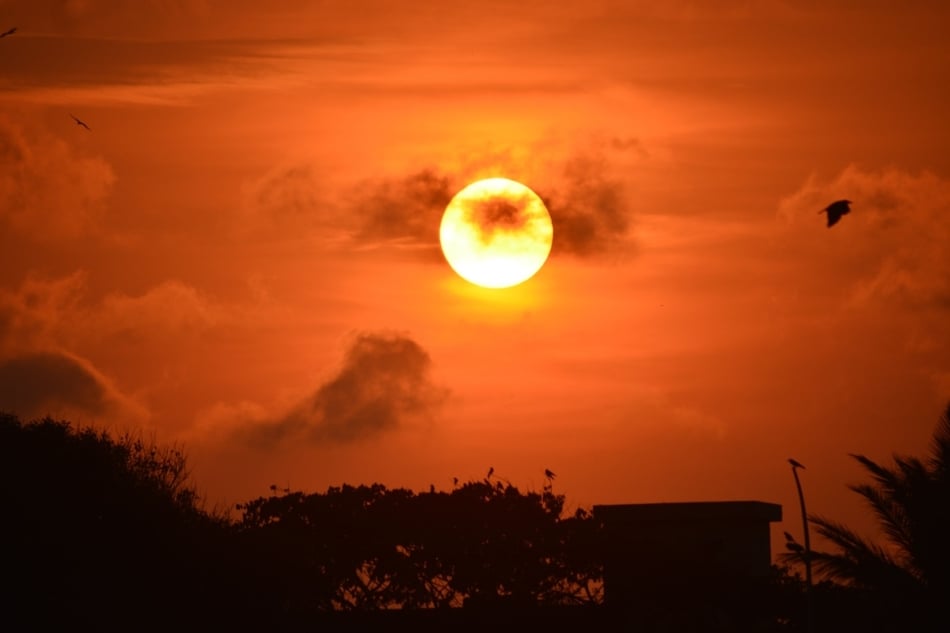
On a clear summer morning, the Sun begins heating the ground. Fields, roads, rooftops, and forests all absorb solar energy, warming the air directly above them.
As the afternoon progresses, that warm air becomes lighter and begins to rise.
Meteorologists call this convection.
As the rising air climbs higher into the atmosphere, it cools. Water vapor condenses into towering cumulus clouds, which can quickly grow into the familiar anvil-shaped thunderstorm clouds known as cumulonimbus.
If enough heat, humidity, and unstable air are present, those clouds can unleash:
- Heavy rain
- Lightning
- Gusty winds
- Hail
- Even an isolated tornado
Because the ground reaches its warmest temperature during the late afternoon, thunderstorms are most likely to develop between 2 p.m. and 6 p.m., although timing varies by region.
Humidity Adds Fuel
Warm air can hold much more moisture than cool air.
During summer, evaporation from lakes, rivers, forests, crops, and even freshly cut grass pumps moisture into the atmosphere throughout the day.
By afternoon, the combination of heat and humidity creates the perfect environment for storm clouds to grow rapidly.
That’s why a day that begins with blue skies can end with thunder rumbling across the horizon.
Mountains and Sea Breezes Help, Too
Local geography often gives afternoon storms an extra push.
Mountains force warm air upward, while sea breezes along coastlines collide with hot inland air, creating additional lift.
Florida is famous for this process. Sea breezes from the Atlantic Ocean and Gulf of Mexico often meet over the peninsula during the afternoon, helping produce the state’s nearly daily summertime thunderstorms.
Weather Wisdom from the Past
Generations before weather forecasts, farmers learned to recognize the signs of developing storms.
One old weather saying reminds us:
“If clouds gather after noon, expect thunder before the moon.”
Another piece of traditional wisdom says:
“Morning sun and afternoon thunder often share the same sky.”
While these sayings aren’t foolproof forecasts, they reflect a real weather pattern that people observed long before modern meteorology explained why it happens.
Perhaps the best-known weather proverb is:
“Clear mornings often bring stormy afternoons.”
On hot, humid summer days, there’s more truth to that saying than you might think.
Why Mornings Are Usually Calmer
After sunset, the ground cools and the atmosphere becomes more stable.
By sunrise, the air near the surface is often cooler and less likely to rise rapidly. Without strong upward motion, thunderstorms have difficulty forming.
That’s why many summer mornings begin calm and pleasant—even when storms are expected later in the day.
Can You Predict an Afternoon Storm?
While forecasting has come a long way, you can still spot clues that a thunderstorm may be brewing.
Watch for:
- Puffy cumulus clouds growing taller through the afternoon
- Increasing humidity that makes the air feel sticky
- Towering clouds with crisp, cauliflower-like tops
- Distant rumbles of thunder
- A sudden cool breeze as a storm approaches
These signs often mean the atmosphere has become unstable enough for thunderstorms to develop.
Nature’s Daily Summer Routine
Afternoon thunderstorms are one of summer’s most recognizable weather patterns. They’re powered by the Sun, fueled by warm, humid air, and shaped by the landscape around us.
So the next time you hear thunder rolling across a hot July afternoon, remember: the storm has likely been building since sunrise.
As generations of farmers knew well, sometimes the best weather forecast begins simply by watching the sky.


- Farmers' Almanac Staff

- Farmers' Almanac Staff
- Farmers' Almanac Staff
- Farmers' Almanac Staff