The Great Monarch Butterfly Migration Is About To Begin
The migration story of monarch butterflies spans generations and thousands of miles.
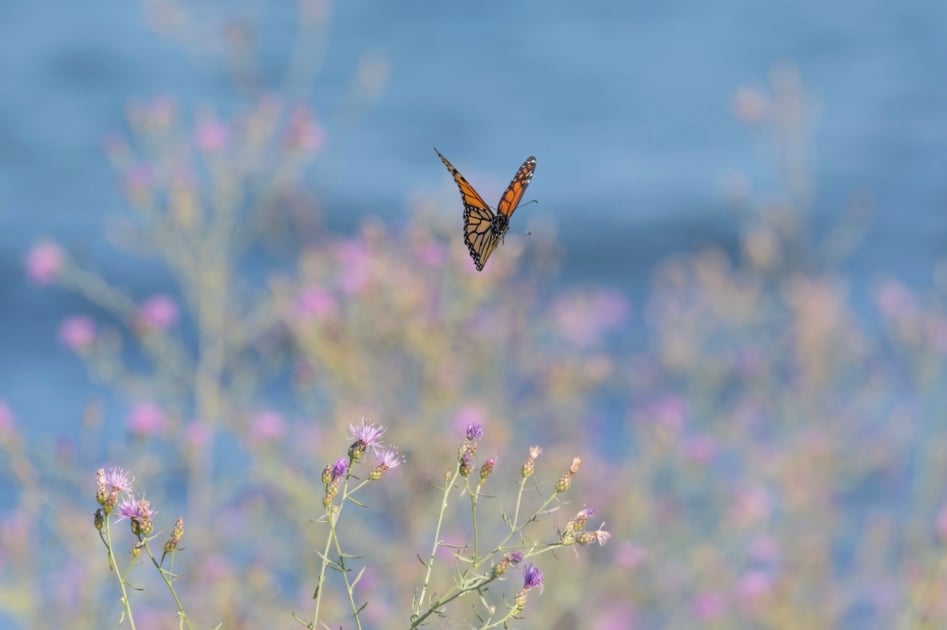
One of North America’s most remarkable wildlife spectacles is about to get underway.
As summer begins to fade, millions of monarch butterflies will start heading south, launching an extraordinary journey that can carry them thousands of miles across the United States and into Mexico. In the eastern U.S., the first signs of fall migration typically begin appearing in mid-August, while monarchs in the northern part of their range can continue moving south through September.
For anyone living along the migration route, the coming weeks offer a chance to witness one of nature’s most impressive journeys right in their own backyard.
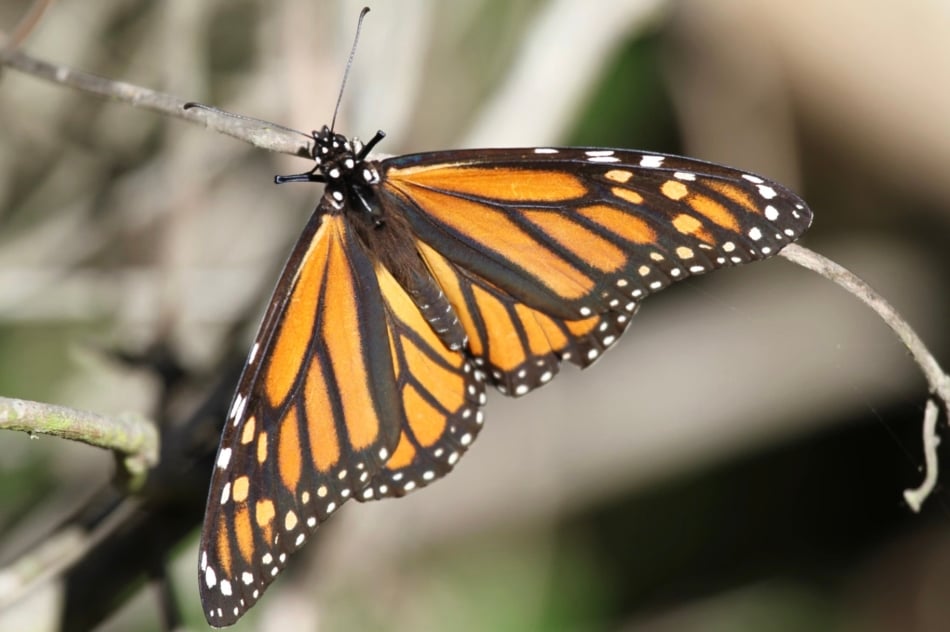
A Butterfly That Can Travel Thousands of Miles
The eastern monarch population undertakes one of the longest migrations known among insects. Butterflies traveling from the northern United States and southern Canada can cover up to 3,000 miles before reaching their wintering grounds in the mountains of central Mexico. The western population follows a different route, traveling toward overwintering sites along the California coast and into northern Baja California.
Perhaps the strangest part of the journey is that the monarchs making the trip south are several generations removed from the monarchs that made the trip north in the spring. Scientists know monarchs use environmental cues, including the position of the sun, changing day length and temperature, to help guide their movements. Exactly how they navigate such an enormous journey remains a mystery and an active area of research.
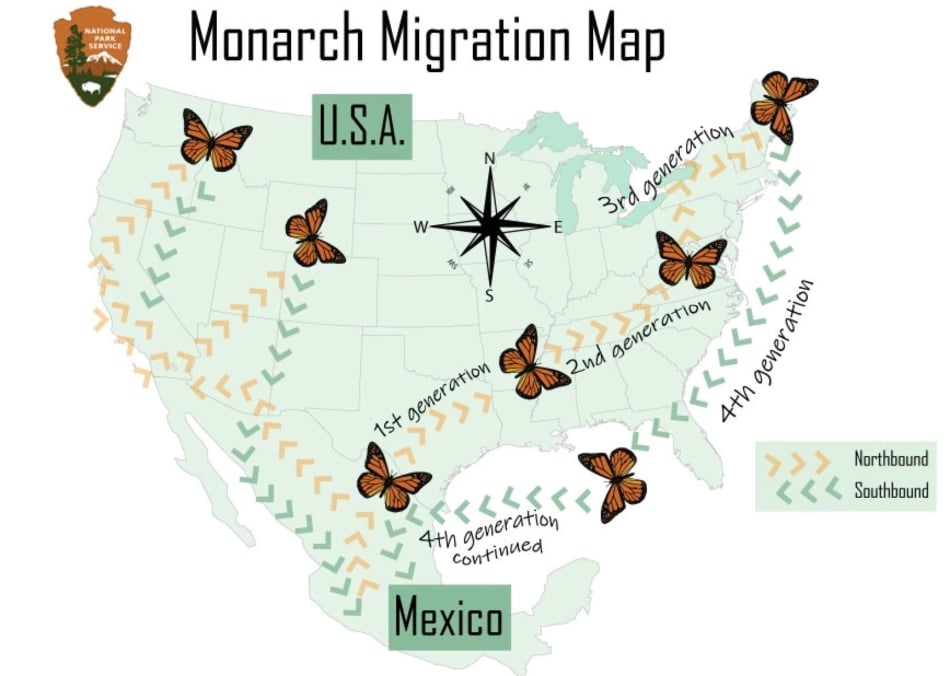
Meet the Monarch “Super Generation”
Most monarch butterflies have relatively short adult lives, often just a few weeks during the breeding season. The generation born in late summer is different. As days shorten and temperatures begin to cool, environmental changes trigger these monarchs to enter a state called reproductive diapause. Instead of immediately mating and producing the next generation, they conserve their energy for migration. These butterflies can live for months, allowing them to make the long journey south, survive the winter and eventually begin the return trip north in the spring. That means the monarch flying through your neighborhood in September could be embarking on a journey that its parents never made.
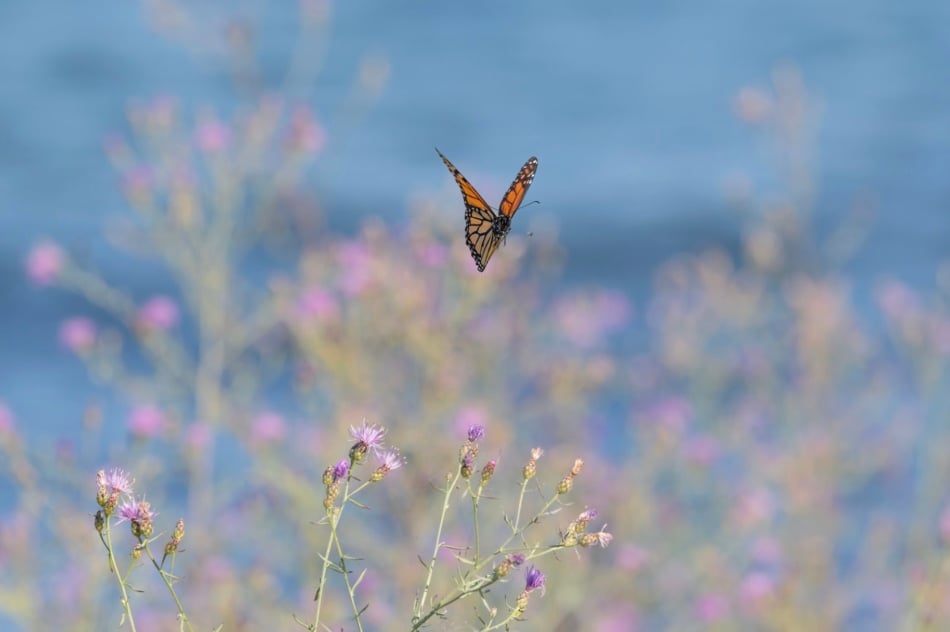
Nectar Is the Fuel
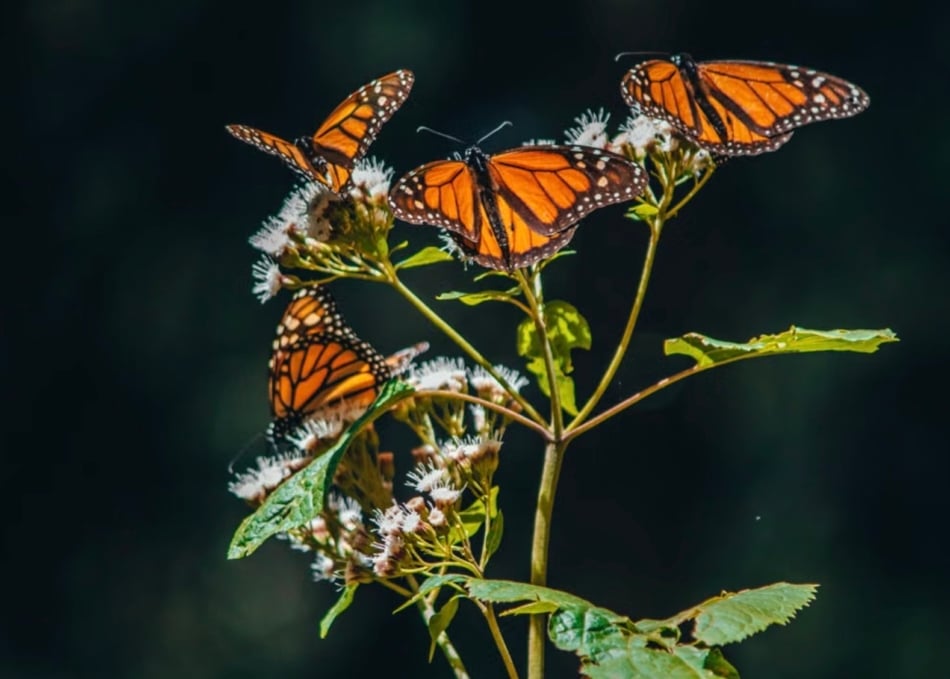
A 3,000-mile migration requires an enormous amount of energy. Monarchs depend on flowering plants along the way, stopping to drink nectar and build up fat reserves that will help power their journey and sustain them through the winter. During fall migration, nectar-producing plants become particularly important because migratory monarchs are focused on fueling their southbound trip rather than reproducing.
That makes late-summer and fall gardens along their flightpath surprisingly important. A yard filled with native flowers can provide a valuable refueling stop for passing monarchs. Plants that bloom in late summer and fall are especially useful because they can provide nectar when migrating butterflies need it most.

And Yes, Milkweed Still Matters
Milkweed gets much of the attention when it comes to monarch conservation, and for good reason. Monarch caterpillars can eat only milkweed. Female monarchs lay their eggs on milkweed, and the caterpillars depend on the plant as they grow through their larval stage. Without milkweed, monarchs cannot complete that part of their life cycle. But planting milkweed alone isn’t the complete solution.
The best monarch habitat combines native milkweed with a variety of native nectar-producing flowers. Different plants bloom at different times, creating a more dependable food supply throughout the growing season and into the fall migration. For homeowners, that can mean replacing part of a traditional lawn with a small native plant garden, adding flowering plants to an existing landscape or simply allowing an appropriate area to become more pollinator-friendly.
The Journey Isn’t Easy
Monarchs face plenty of challenges along the way. Strong winds, storms, cold temperatures, habitat loss, pesticides, vehicle collisions and a shortage of nectar can all make migration more difficult. Monarchs may travel for hours during favorable conditions, but bad weather can force them to stop and seek shelter until conditions improve.
Their journey is also a race against the changing seasons. By early November, many eastern monarchs have reached their wintering grounds in the mountains of central Mexico, where they gather in enormous colonies on oyamel fir trees. They remain there through winter before beginning the northward journey in spring.
You Can Make Your Yard Part of the Migration Route
You don’t need hundreds of acres to make a difference. Planting native milkweed and nectar-producing flowers gives monarchs a place to feed, while a diversity of plants that bloom at different times helps provide resources throughout the season. Native plants are particularly valuable because they are adapted to local conditions and support a broader range of insects and other wildlife.
The monarch migration is about to unfold across North America. As these tiny orange and black travelers begin their journey south, even a small patch of flowers can become an important stop along the way. This fall, keep an eye on the flowers. You may be watching one of nature’s greatest migrations pass right through your backyard.
The monarch migration is about to begin.
— US Department of the Interior (@Interior) August 11, 2026
Along the way, they depend on native flowering plants to rest and refuel. Planting native wildflowers and milkweed in your yard or in your community is one simple way to help these remarkable travelers complete their journey. pic.twitter.com/yyEFnmPgCJ


- Farmers' Almanac Staff

- Farmers' Almanac Staff
- Farmers' Almanac Staff
- Farmers' Almanac Staff