Why Does the Air Smell Different in September? The Science Behind That First Hint of Fall
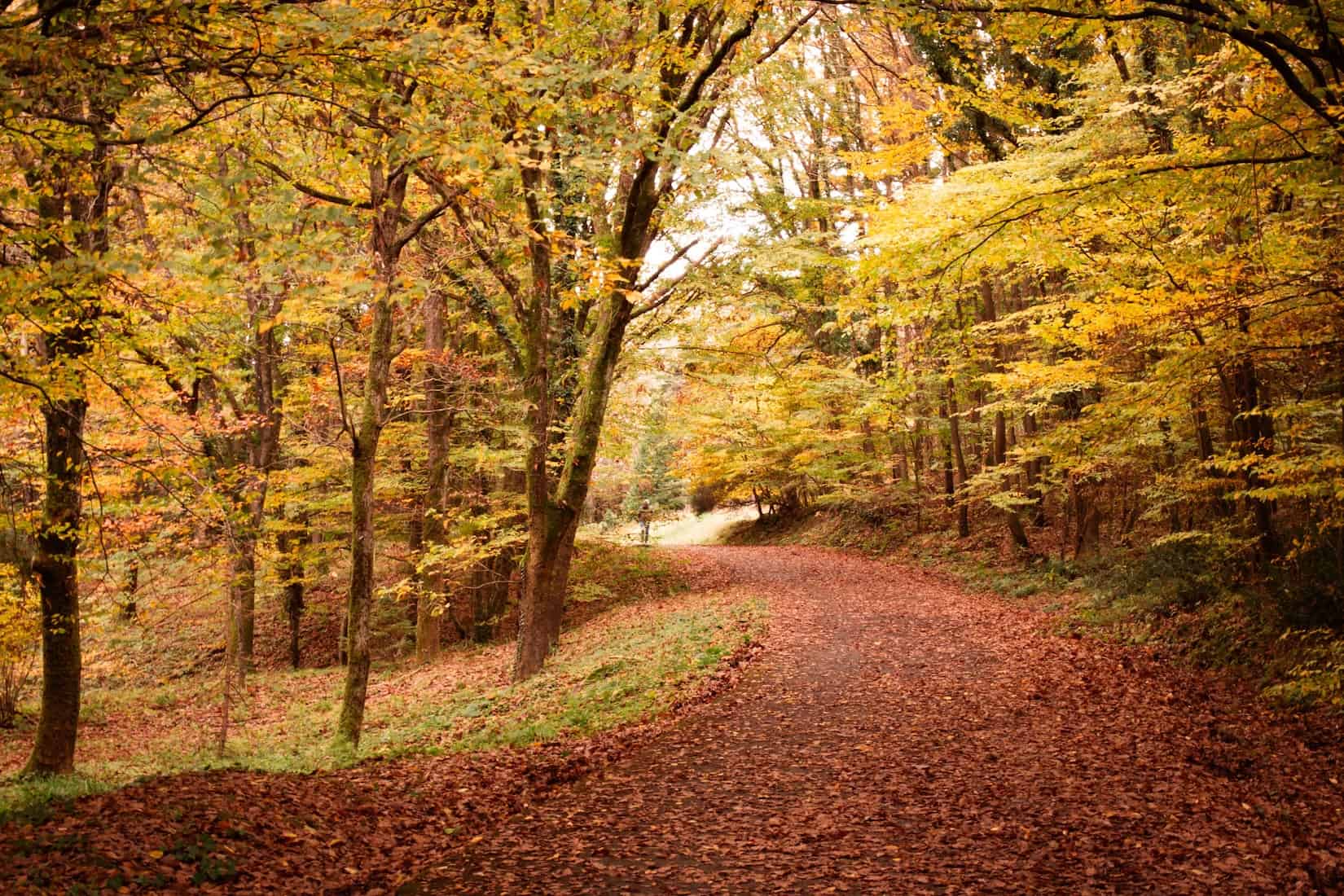
Have you noticed it yet? Step outside on a September morning and the air somehow smells different. Cooler. Earthier. Woodier. Almost like autumn itself has a scent.
It isn’t your imagination.
September really can bring a noticeable change to the smells around us. Falling leaves, drying grasses, damp soil, longer nights, ripening plants, wood smoke, and changing weather conditions all combine to create that unmistakable “first smell of fall.”
And because smell is so closely connected with memory, one cool September morning can instantly bring back thoughts of school days, football games, apple picking, wood piles, sweaters, and autumns from years ago.
But what are you actually smelling?
Quick Answer: Why Does September Smell Different?
That distinctive September smell isn’t caused by one thing.
Instead, it’s a mixture of seasonal changes happening all at once:
- Leaves and vegetation begin aging and drying.
- Fallen plant material starts decomposing.
- Soil microbes release earthy-smelling compounds.
- Longer nights create cooler, damper mornings.
- Dew and occasional rain can intensify earthy soil aromas.
- Fireplaces, fire pits, and woodstoves begin appearing again.
- Cooler, calmer air can sometimes allow scents to linger close to the ground.
September is a transition month, and your nose may notice the change before the landscape looks completely different.
1. The Earthy Smell Comes Partly From the Soil
One of the most recognizable smells of early fall is that deep, earthy scent that seems especially strong on damp mornings or after rain.
A compound called geosmin deserves some of the credit.
Geosmin is produced by microorganisms found in soil, including certain bacteria. The USDA’s Natural Resources Conservation Service notes that soil microorganisms known as actinomycetes can produce geosmin, which contributes to the familiar earthy smell of disturbed or damp soil.
Humans are extraordinarily sensitive to it.
It’s one of the compounds associated with that wonderful earthy aroma that rises from the ground after rain.
In September, cooler nights, heavier dew, fallen plant material, and periods of rain can make those soil smells seem particularly noticeable.
Walk through a garden, forest, or freshly turned field on a damp September morning and you’re essentially smelling a living ecosystem beneath your feet.
2. Leaves Are Beginning to Change—Even Before They Turn Red
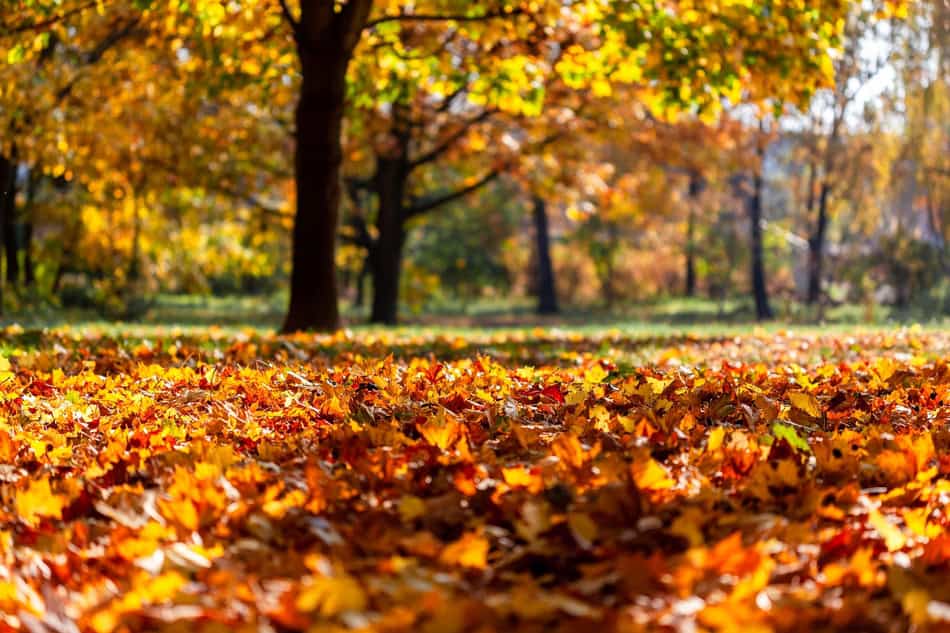
Long before an entire maple tree turns blazing orange, something is already happening inside its leaves.
As daylight decreases, deciduous trees begin preparing for winter. Chlorophyll production slows and the chemistry of the leaves gradually changes.
Eventually, those leaves fall.
Once on the ground, leaves don’t simply disappear. Fungi, bacteria, insects, and other decomposers begin breaking them down.
That decomposition releases a complicated mixture of natural volatile compounds into the air.
Research on fallen leaf litter has identified dozens of different volatile organic compounds released during decomposition, many associated with microbial activity.
In other words, part of what we think of as “the smell of autumn leaves” really is the smell of autumn leaves breaking down.
It’s nature beginning the recycling process that will eventually return nutrients to the soil.
Related: Why Leaves Change Color in Fall
3. Drying Grass and Plants Add Their Own Scent
September landscapes aren’t just changing color.
They’re drying.
Grasses mature. Wildflowers go to seed. Cornfields begin curing. Garden plants fade. Weeds and roadside vegetation become dry and brittle.
Plants naturally produce a huge variety of aromatic compounds, and their scent changes as they mature, dry, are cut, or begin to decompose.
That’s part of the reason a September meadow can smell completely different from the same meadow in June.
Summer smells green and lush.
September begins to smell dry, grassy, woody, and earthy.
If you’ve ever opened an old barn filled with hay, walked through a drying cornfield, or mowed grass late in the season, you probably recognize parts of that scent immediately.
4. Cool September Mornings Change the Way the Air Feels—and Smells
September is famous for one particular combination:
Warm afternoons and surprisingly cool mornings.
As nights grow longer, the ground has more time to lose heat. On clear, calm nights, surfaces can cool rapidly enough for dew to form on grass, leaves, cars, and fields.
That moisture matters.
Wet soil and vegetation can release or make certain earthy scents much easier to notice.
September mornings may also be calmer than the turbulent heat of a summer afternoon. Under certain conditions, a shallow temperature inversion can develop near the ground, with cool air trapped beneath warmer air above it.
When that happens, smoke, moisture, and other airborne compounds can linger closer to the surface rather than quickly mixing upward.
That’s one reason smells can sometimes seem unusually concentrated on a cool, still morning.
Then the Sun climbs, the ground warms, the atmosphere mixes, and the scent seems to disappear.
Related: Cool September Nights Do Something Beautiful to Apples
5. The First Wood Smoke Changes Everything
Then there’s one smell that has almost nothing to do with trees changing color:
smoke.
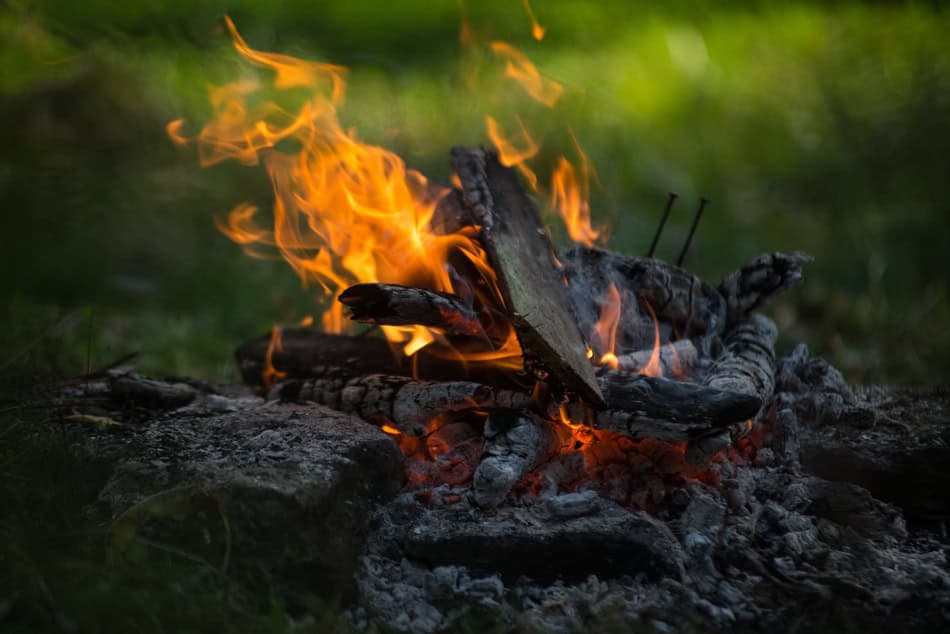
By September, particularly across the northern United States and at higher elevations, chilly evenings begin bringing back fireplaces, woodstoves, campfires, and backyard fire pits.
Even a small amount of distant wood smoke can transform the smell of an entire neighborhood.
Mix it with damp leaves, cooling soil, and a crisp evening breeze and you get something remarkably close to the classic smell most people associate with autumn.
There is an important distinction, however.
A faint whiff of a distant fireplace may trigger pleasant memories, but concentrated wood smoke is still air pollution. The EPA notes that wood smoke contains fine particulate matter and other pollutants, so smoke-heavy air isn’t something you want to breathe for extended periods.
And if the air smells strongly smoky when no one nearby is burning wood, check local air-quality and wildfire information.
6. Apples, Gardens, and Harvest Add to September’s Aroma
There is another layer that’s easy to overlook:
September is harvest season.
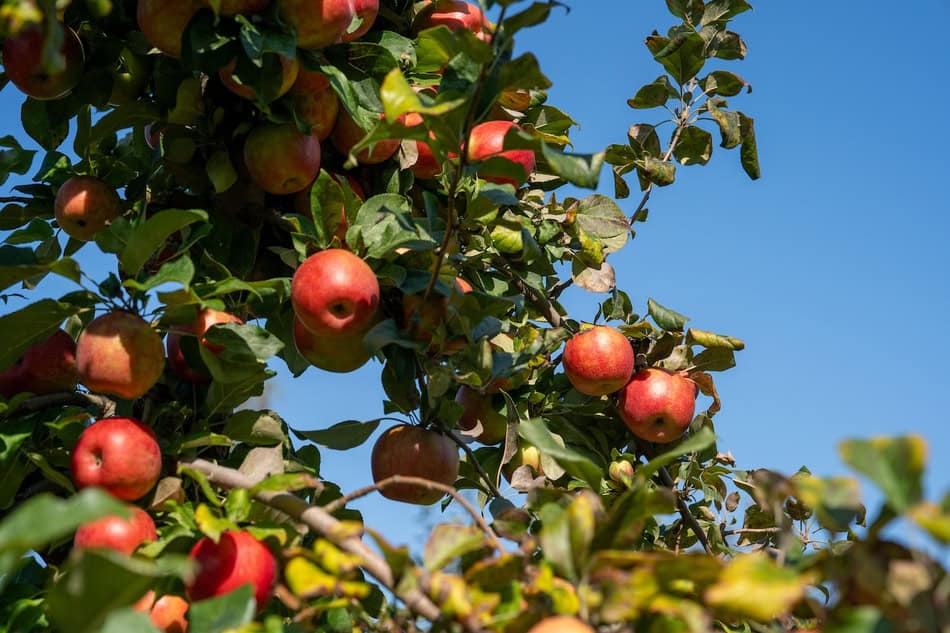
Apples are ripening. Grapes are reaching maturity. Garden tomatoes are producing their final heavy crops. Corn is drying. Pumpkins and squash are maturing.
Many fruits release aromatic compounds as they ripen.
Walk through an apple orchard in September and you’ll sometimes smell ripe fruit before you even reach the trees.
For generations, this mixture of fruit, hay, drying crops, soil, wood, and cool air wasn’t merely a pleasant seasonal experience. It was the smell of one of the busiest times of the agricultural year.
The harvest had arrived.
Why Smell Brings Back Such Powerful Fall Memories
There’s another reason the first cool September morning can feel surprisingly emotional.
Our sense of smell has an unusually powerful connection with memory.
A certain combination of damp leaves and wood smoke can suddenly transport someone back decades—to a childhood backyard, a walk to school, a football field, an old family home, or an apple orchard visited every October.
You may not be consciously identifying geosmin, leaf litter, grass, wood smoke, and cool damp air.
Your brain simply says:
Fall.
That’s part of the magic of September.
The season doesn’t always announce itself with a brilliant red maple or the first frost.
Sometimes you smell it first.
September Is the Month When the Landscape Begins to Turn
Meteorological fall begins September 1, but astronomical fall doesn’t arrive until the autumnal equinox on September 22, 2026.
Nature doesn’t pay much attention to either date.
The transition happens gradually.
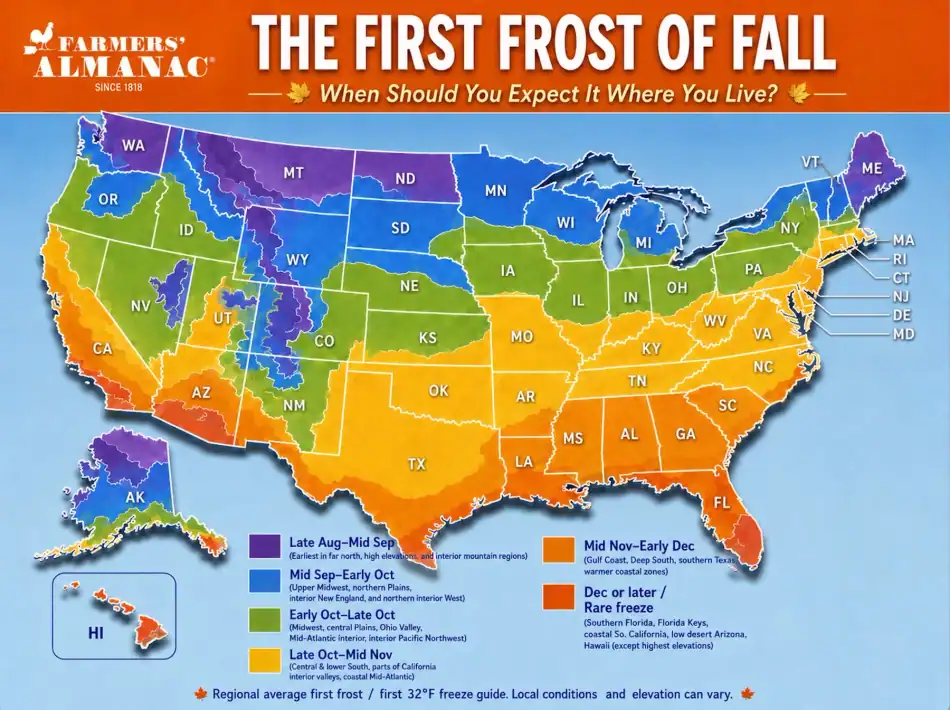
Days shorten. Nights lengthen. Leaves begin changing color. Morning dew becomes heavier. Apples ripen. Migrating birds begin moving south. The threat of the first frost creeps farther south.
And somewhere along the way, you walk outside one morning and notice:
The air has changed.
The Smell of Fall Is Really the Smell of Change
There isn’t a single chemical called “autumn.”
That familiar September aroma is nature mixing together dozens—probably hundreds—of scents.
Damp earth.
Drying grass.
Ripening fruit.
Fallen leaves.
Soil microorganisms.
Wood smoke.
Cool morning air.
Each is ordinary on its own.
Together, they create something unmistakable.
So the next time you step outside on a chilly September morning and think, “It smells like fall,” trust your nose.
You may be noticing one of the oldest seasonal signals of all.
Have you noticed the first smell of fall where you live yet? Tell us what September smells like to you.


- Farmers' Almanac Staff

- Farmers' Almanac Staff
- Farmers' Almanac Staff

- Farmers' Almanac Staff