Fall 2026: Full Moons, Meteor Showers, Holidays, and Surprises to Watch For
From the Harvest Moon and autumn meteor showers to holiday traditions and flowers made of ice, fall has plenty of surprises in store. Explore our fall 2026 guide for dates to circle, sights to watch for, and gardening jobs to tackle before winter.

From a Harvest Moon beside Saturn to flowers made of ice, here’s your guide to what’s happening in the sky, in the garden, and around the calendar this autumn.
There’s more to fall than pumpkin spice and the first sweater-worthy morning. It’s a season for looking closely: at the changing trees, the evening sky, and the small surprises waiting just beyond the back door.
This year brings a Harvest Moon with a planetary companion, several opportunities to watch shooting stars, and a Saturday Halloween followed by the overnight clock change. There are garden jobs worth doing now—and others you can happily leave until later.
Whether your autumn arrives with chilly mornings or another month of warm afternoons, here’s what to keep an eye out for in fall 2026.
First, When Does Fall Begin—and End?
In the Northern Hemisphere, astronomical fall began with the autumnal equinox on September 22, 2026, at 8:05 p.m. Eastern Daylight Time. It continues until the winter solstice on December 21 at 3:50 p.m. Eastern Standard Time. That means there’s still a little autumn left in December—including one of the year’s best meteor showers. Learn more in our guide to the fall equinox.
Look Up: Three Full Moons Worth Stepping Outside For
Autumn’s full Moons give us three natural occasions to pause, head outdoors, and notice the season changing.
| Full Moon | Date and exact full phase | When to look |
|---|---|---|
| Harvest Moon | September 26, 12:49 p.m. EDT | Around moonrise on September 26 |
| Hunter’s Moon | October 26, 12:12 a.m. EDT | The evenings of October 25 and 26 |
| Beaver Moon | November 24, 9:53 a.m. EST | The evenings of November 23 and 24 |
The Moon reaches full phase at the same instant worldwide, but the local date can differ. For example, October’s Moon becomes full shortly after midnight in the Eastern time zone, while it is still October 25 farther west. The phase times above follow the U.S. Naval Observatory’s 2026 calculations.
September’s Harvest Moon Has Company
Circle Saturday, September 26. As the Harvest Moon rises in the eastern sky, look nearby for Saturn. According to NASA’s September skywatching guide, the ringed planet will be visible without a telescope. Neptune will also be in that part of the sky, but it is too faint to see with unaided eyes.
Here’s a detail that makes this Moon special: “Harvest Moon” does not simply mean September’s full Moon. It is the full Moon closest to the autumnal equinox, so the title sometimes belongs to October instead. In 2026, September wins. Read more about the name and its farming connections in our Harvest Moon guide.
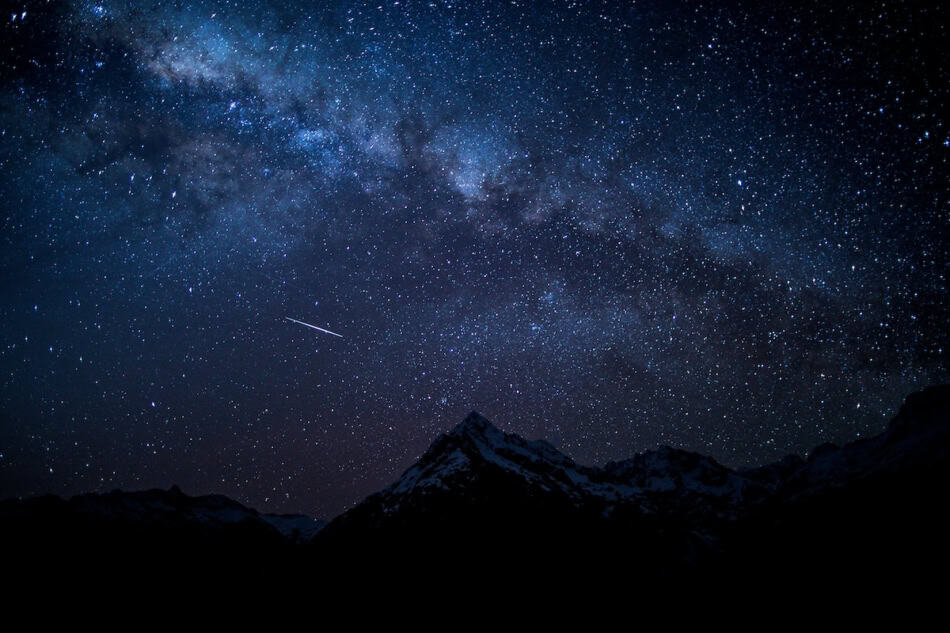
Save a Night for Shooting Stars
Fall has several meteor showers, but they are not equally dazzling—or equally easy to see. Moonlight, clouds, and nearby lighting can make an enormous difference.
The American Meteor Society’s meteor shower calendar identifies these autumn viewing windows:
| Shower | When to watch in 2026 | What to expect |
|---|---|---|
| Orionids | October 21–22 | Moonlight will interfere while the Moon is above the horizon. Check local moonset times before planning a predawn watch. |
| Southern and Northern Taurids | Late October into November; highlighted peaks November 4–5 and 11–12 | Usually modest numbers, but these showers are known for occasional exceptionally bright meteors called fireballs. |
| Leonids | Around November 17 | Worth watching, but do not expect one of the spectacular meteor storms associated with the shower’s history. |
| Geminids | December 13–14 | Often the strongest annual shower. A thin crescent Moon makes 2026’s viewing conditions promising, weather permitting. |
Meteor activity extends beyond a single peak night; these are viewing targets, not appointments with guaranteed shooting stars.
An autumn tidbit: When you see an Orionid, you are watching debris shed by Halley’s Comet burn through our atmosphere. You do not have to wait for the comet itself to return to see something it left behind. NASA explains the connection here.
For meteor watching, leave the telescope indoors. Find a dark location, bring a reclining chair or blanket, and let your eyes adjust for about 30 minutes. A broad view of the sky matters more than staring at one particular constellation.
Mark the Calendar: Fall Holidays and Traditions
Autumn’s calendar is filled with celebrations of harvest, remembrance, light, and gratitude. Here are several dates to know:
| Date | Holiday or observance |
|---|---|
| September 25 at sundown–October 2 at nightfall | Sukkot. |
| October 12 | Canadian Thanksgiving. In the United States, Columbus Day is the federal holiday, while Indigenous Peoples’ Day is observed in numerous jurisdictions. |
| October 31 | Halloween—on a Saturday this year. |
| November 1–2 | Día de los Muertos, honoring loved ones who have died. |
| November 8 | Diwali’s principal observance, according to the Hindu American Foundation’s calendar; local traditions and calendars may vary. |
| November 11 | Veterans Day in the United States and Remembrance Day in Canada. |
| November 26 | Thanksgiving in the United States. |
| December 4 at sundown–December 12 at nightfall | Hanukkah. |
For planning and traditions, explore our guides to Halloween 2026 and Thanksgiving in the United States and Canada. The Smithsonian’s introduction to Día de los Muertos also explains why that holiday is distinct from Halloween.
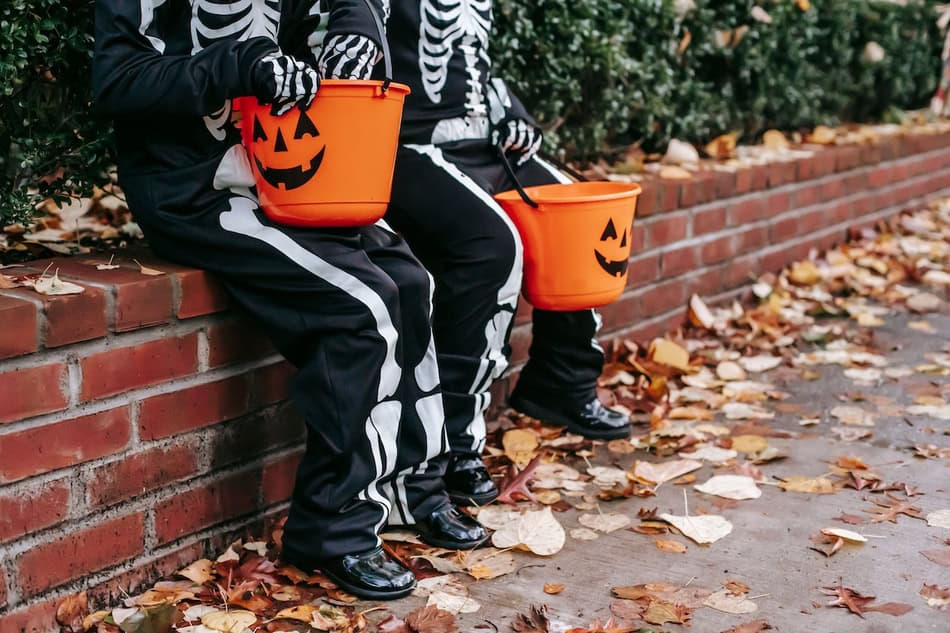
This Halloween Weekend Comes With a Clock Change
After Saturday’s Halloween celebrations, most Americans will turn their clocks back one hour at 2 a.m. on Sunday, November 1. In participating areas, 2 a.m. becomes 1 a.m. Hawaii and most of Arizona do not observe daylight saving time.
The switch moves an hour of daylight from the evening side of the clock to the morning; it does not change how much daylight nature provides. Check our daylight saving time guide before resetting clocks and outdoor timers.
An Older Autumn Date: Michaelmas
For a less familiar seasonal marker, look to September 29: Michaelmas, the Feast of Michael and All Angels.
In England, Michaelmas was one of the traditional “quarter days,” when rents came due, leases began, and workers were hired. It also became closely associated with completing the harvest. Michaelmas daisies—the late-flowering asters connected with the feast—offer another way to notice the old calendar in a modern garden. Historic UK explores the day’s traditions.
Follow the Fall Color—Not Just the Calendar
The best leaf-peeping strategy is to watch the trees, not insist that they follow a particular weekend.
Broadly speaking, autumn color advances from northern locations and higher elevations toward southern locations and lower elevations. Some northern and mountain areas reach their best color in late September or early October, while parts of the South continue into November. Our 2026 fall foliage map and peak-color guide shows that typical progression, but actual timing varies with local conditions.
And here’s something worth remembering as the first leaves turn: fall color is not simply a response to frost. Shortening days and lengthening nights help trigger changes in leaves. As green chlorophyll breaks down, yellow and orange pigments that were already present become easier to see. Other pigments contribute the reds and purples of autumn. The U.S. Forest Service explains the chemistry behind the display.
Try choosing one tree near home and photographing it from the same spot each week. A familiar tree can become your own autumn calendar.
Watch for These Easily Missed Fall Surprises
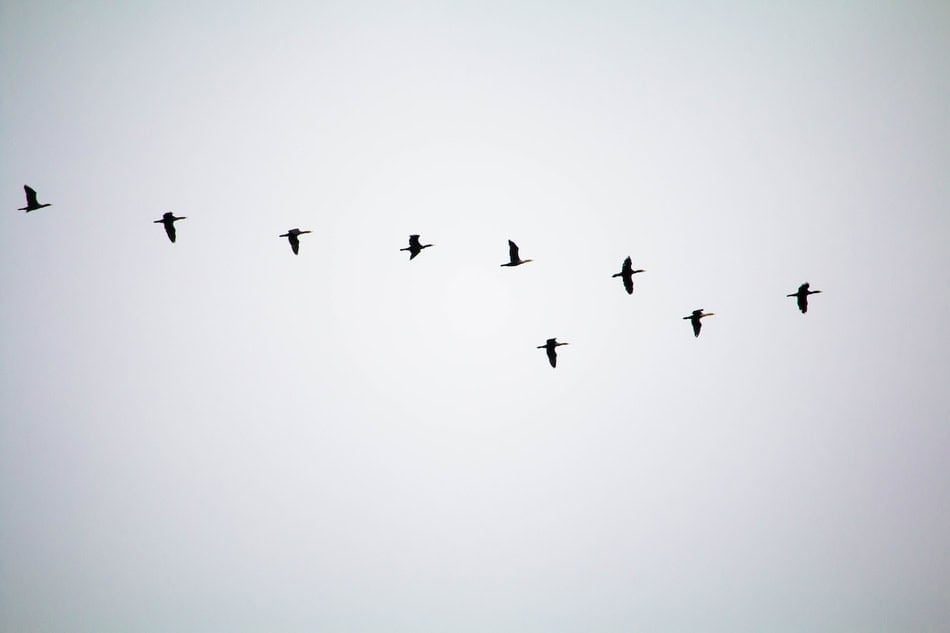
A Migration Happening While You Sleep
Not all of autumn’s travelers announce themselves with a daytime V-formation.
Millions of birds migrate through the night sky in fall. The Cornell Lab of Ornithology and its research partners use weather radar to help reveal this otherwise largely hidden movement. Their BirdCast maps let you check migration forecasts and activity rather than guess what might be passing overhead.
One useful way to help: turn off unnecessary lights at night. Bright artificial lighting can disorient migrating birds and draw them toward buildings where collisions occur.
Woolly Bears on the Move
Spot a fuzzy black-and-rust caterpillar crossing a path? Woolly bears become conspicuous in autumn as they search for sheltered places to spend winter.
Folklore says the width of their rusty middle band predicts how harsh winter will be. It’s a wonderful old story—but not a dependable forecast. The National Weather Service’s woolly bear guide explains why their appearance reflects factors such as development and the preceding growing season rather than the weather still to come.
Enjoy the tradition through our woolly bear and winter folklore feature, while letting the caterpillar get on with its actual job: finding winter shelter.
Flowers Made Entirely of Ice
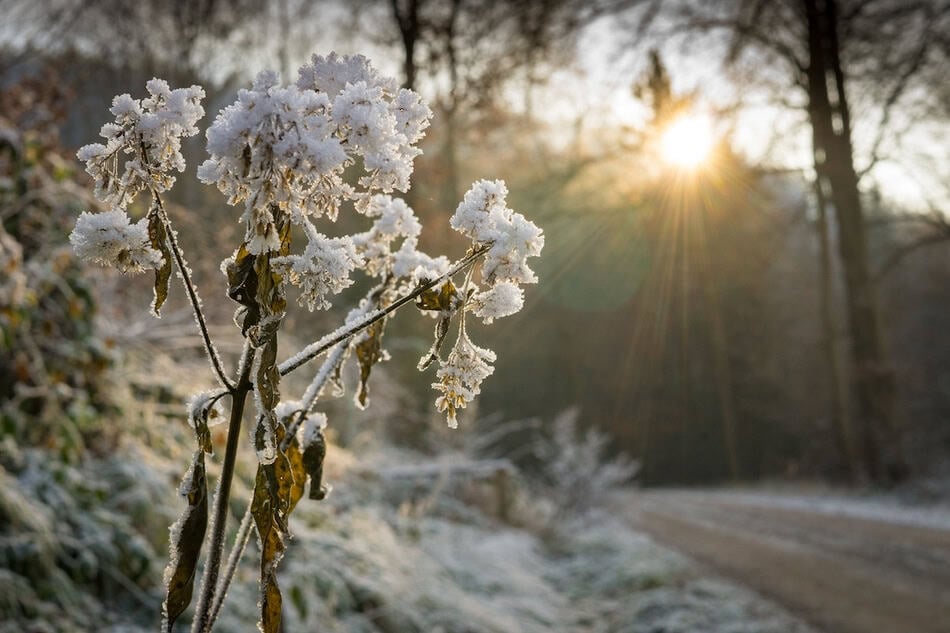
On the right freezing morning, look near the bases of certain wild plants for something that resembles white ribbon, spun sugar, or delicate petals.
These are frost flowers: thin curls of ice that form as water moves through plant stems and freezes in the cold air. They require a particular combination of conditions, including freezing air and moist ground that has not yet frozen. Only certain plants produce them.
The Missouri Department of Conservation’s frost-flower guide recommends learning where suitable plants grow and returning early after the first hard freezes. Sunshine and warming air can erase the display quickly. Bring a camera, and admire these fragile “flowers” without touching them.
In the Garden: Prepare for Winter Without Putting Everything to Bed
Fall gardening is a balancing act: protect what is still producing, plant what needs an autumn start, and resist the urge to tidy away every sign of life.
Watch Overnight Lows, Not Just Average Frost Dates
Your average first-frost date is a planning tool, not a guarantee. Keep covers ready for vulnerable plants and use the approaching forecast to decide when to protect or harvest tender crops. Our guide to frost temperatures and outdoor plants explains the factors involved.
One easily overlooked detail: frost can form even when the reported air temperature stays above 32°F. On clear, calm nights, surfaces and the air close to the ground can become colder than the air at the standard weather-observation height. A forecast in the upper 30s does not always mean frost-sensitive plants are safe.
Plant Garlic for Next Summer
Garlic is one of fall’s most satisfying investments: plant individual cloves now, then harvest bulbs the following growing season.
Timing depends on climate. In cold regions, planting is generally timed so roots can establish before the ground freezes hard. Choose planting stock suited to your area rather than assuming every supermarket bulb will perform well. Start with our garlic-growing guide and check regional recommendations; University of Minnesota Extension’s guide is particularly useful for cold-climate gardeners.
Put Spring Flowers on the Fall To-Do List
In cold-winter regions, spring-flowering bulbs such as daffodils, crocuses, and tulips are planted in autumn. Good drainage matters, and planting before the ground freezes allows roots to develop.
Warm-climate gardeners should take a different approach: many familiar northern bulbs need chilling that a mild winter may not provide. The University of Florida’s bulb guide offers alternatives suited to warmer conditions.
Don’t Give Up on the Vegetable Patch Too Soon
Established kale, collards, carrots, and other cool-season crops may keep producing after summer vegetables are finished. Some even become sweeter as cold weather changes the sugars in their tissues. That does not mean every vegetable can survive a freeze—or that there is still time to start every crop from seed.
Our fall vegetable gardening guide can help you choose crops for your remaining growing season. In colder areas, the focus may already be protecting an existing planting; in warmer areas, autumn can offer a new planting window.
Leave Some Leaves—and Put Down the Pruners
A completely bare garden is not necessarily a better-prepared garden.
Fallen leaves and standing stems provide winter shelter for insects and other small wildlife. Where practical, retain leaves in beds or designated habitat areas and leave suitable perennial stems standing. The Xerces Society’s “Leave the Leaves” guide explains how these materials function as winter homes.
And before giving shrubs a final trim, identify what you’re cutting. Lilacs, forsythias, and some hydrangeas have already formed flower buds for next year. Pruning at the wrong time can remove the spring display you are hoping to enjoy. Consult our fall pruning guide: what not to cut before winter.
Fall 2026 Weather Outlook: Keep the Big Picture Separate From the Daily Forecast
As of its September 17, 2026 outlook, NOAA’s Climate Prediction Center favored above-normal average temperatures for the October–December period across much of the western, northern, and eastern United States. That is a probability-based outlook for a three-month average—not a prediction that every week will be warm. Cold outbreaks and freezing nights can still occur within a warmer-than-average season.
For the larger seasonal picture, consult our regional long-range weather forecast alongside NOAA’s seasonal outlook. For decisions such as covering tomatoes or choosing a meteor-watching night, use the local short-range forecast.
The practical takeaway: Don’t let a warm afternoon persuade you that winter preparations can wait indefinitely.
Make This a Season You Notice
You do not need a long road trip or a packed calendar to enjoy autumn. Choose an evening to watch the Moon rise. Follow one neighborhood tree through its color change. Plant something you will be glad to see next spring.
Leave room for the unexpected, too. A familiar walk is more interesting when you are looking closely.
What’s the first sign of fall where you live—and what are you most looking forward to this season? Share it in the comments.


- Farmers' Almanac Staff

- Farmers' Almanac Staff
- Farmers' Almanac Staff
- Farmers' Almanac Staff