The Fall Garden Checklist: 6 Things to Do Before the First Hard Freeze
The first hard freeze can damage plants, hoses, pots, irrigation systems, and lingering vegetables. Use this six-step fall garden checklist to protect your garden now—and make spring cleanup much easier.
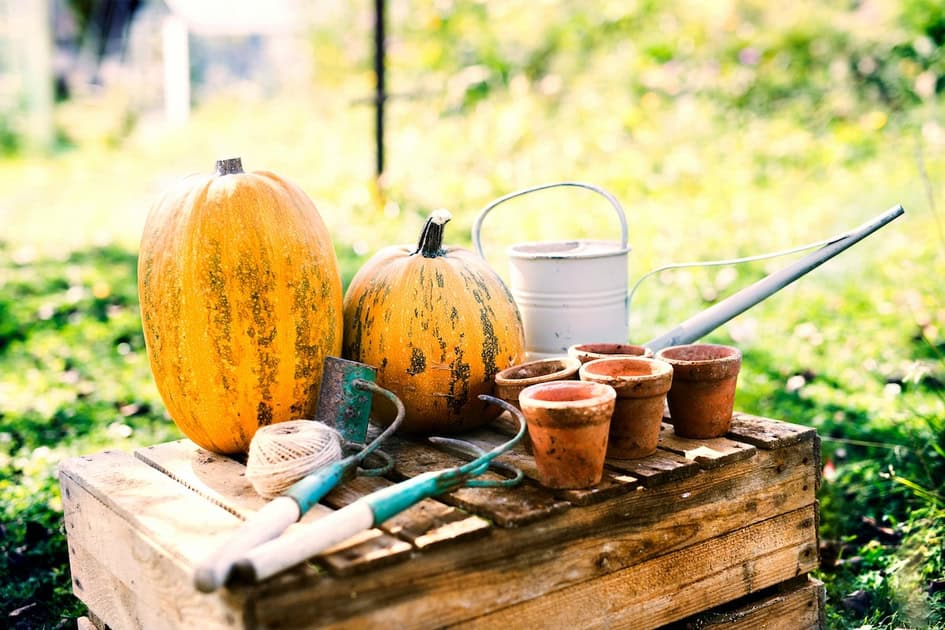
A few hours in the garden now could save your plants, pots, hoses, and tools—and make next spring a whole lot easier.
The first hard freeze can feel like it arrives overnight.
One afternoon, tomatoes are still ripening, flowers are blooming, and potted plants are sitting happily on the patio. Then temperatures plunge—and suddenly there are frozen hoses, damaged plants, cracked pots, and a garden that looks very different than it did the day before.
That is why the weeks before your first hard freeze are one of the most important times of the gardening year.
The good news? You don’t need to spend an entire weekend putting the garden to bed.
These six fall garden chores will take care of most of what matters before winter arrives.
First: What’s the Difference Between a Frost and a Hard Freeze?
Not every cold night means the end of the garden.
A freeze occurs when temperatures reach 32°F or below, while temperatures around 28°F or colder for an extended period can damage or kill much of the remaining seasonal vegetation. Frost can even develop when official air temperatures are still in the mid-30s under the right conditions.
Your garden’s actual experience can also vary considerably depending on elevation, wind, buildings, tree cover, and whether it sits in a low-lying frost pocket.
Before beginning your winter preparations, check your local Farmers’ Almanac average first frost date. Remember that an average date is only a guide—frost can arrive earlier or later in any particular year. Find Your Average First Frost Date
Then keep a close eye on your local forecast as nighttime temperatures begin falling into the 30s.
1. Disconnect the Hoses and Winterize Your Watering System
This may be the least glamorous job on the list, but it’s one you don’t want to forget.
Once you’re finished with regular watering for the season:
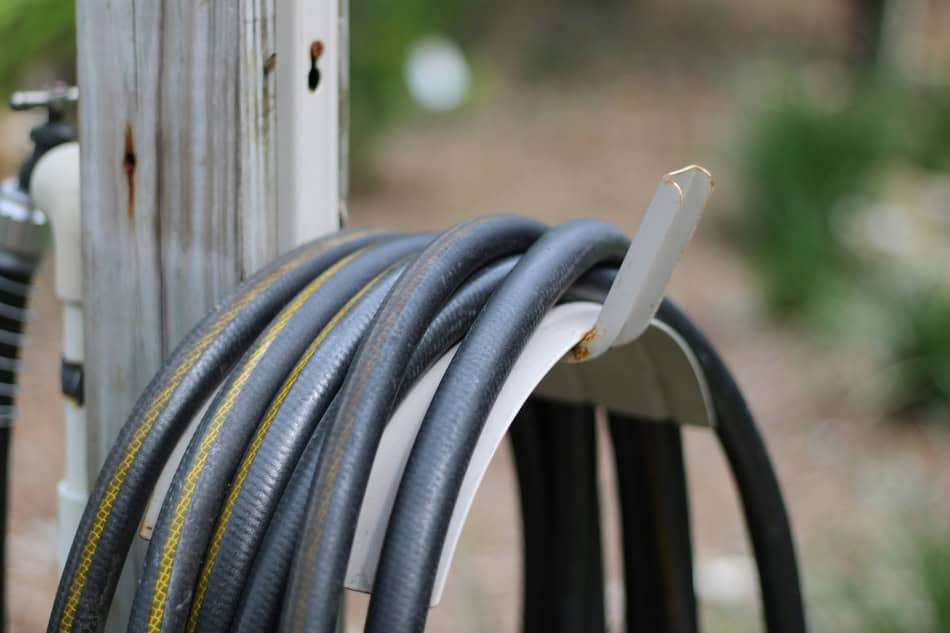
- Disconnect hoses from outdoor faucets.
- Drain all water from hoses.
- Coil them loosely rather than leaving them stretched across the yard.
- Store hoses in a shed, garage, basement, or another protected location if possible.
- Drain watering wands and nozzles.
- Empty rain barrels if necessary for your climate.
- Shut down and drain irrigation components that could be damaged by freezing water.
Water expands when it freezes. Any water trapped inside hoses, fittings, irrigation lines, or other outdoor watering equipment can therefore become a winter problem.
The National Weather Service notes that hard-freeze conditions can potentially damage unprotected outdoor plumbing and undrained sprinkler or irrigation systems.
Don’t Stop Watering Everything Too Soon
There’s an important exception.
Trees, shrubs, and especially evergreens can still need moisture in dry autumn weather. If rainfall has been scarce, continue watering them deeply while the ground remains unfrozen.
Illinois Extension recommends monitoring fall rainfall and watering evergreens deeply before freezing conditions when necessary.
Farmers’ Almanac Tip: Don’t let an early cold night convince you that watering season is automatically over. Let your rainfall, soil moisture, and local conditions be your guide.
2. Save Tender Plants—and Decide What Has to Come Indoors
Before temperatures plunge, take a walk around the yard and identify anything that won’t survive the cold.
Pay special attention to:
- Tropical plants
- Houseplants that spent summer outdoors
- Tender herbs
- Geraniums
- Begonias
- Coleus
- Tender succulents
- Citrus
- Other cold-sensitive container plants
Don’t necessarily wait for an actual freeze.
Many tropical and subtropical houseplants can suffer from temperatures well above 32°F. Penn State Extension advises planning ahead before bringing houseplants inside and notes that many can be damaged when temperatures drop below about 50°F.
Before moving plants indoors, inspect the leaves, stems, and soil carefully for hitchhiking pests.
Look underneath leaves and around stems for:
- Aphids
- Spider mites
- Whiteflies
- Scale
- Mealybugs
- Ants
- Slugs
This is also a good time to remove dead leaves and give plants a general cleanup before they join you indoors for the winter.
What About Plants That Have to Stay Outside?
If a brief frost is forecast rather than a prolonged freeze, some tender plants can be temporarily protected with frost cloth, old sheets, blankets, or similar coverings.
Cover them before sunset so warmth radiating from the soil can be trapped beneath the covering. The National Weather Service also notes that moist soil retains heat better, so watering the soil ahead of a frost can sometimes provide additional protection.
For more ways to protect your plants, see our complete Farmers’ Almanac guide: Frost Temperature and Outdoor Plants: What You Need to Know
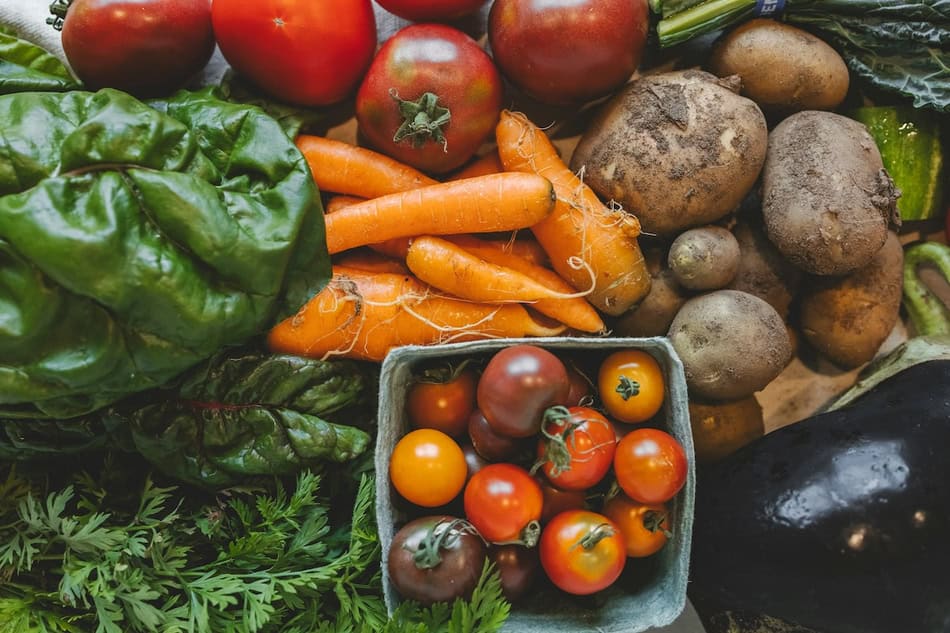
3. Harvest Tender Vegetables—but Don’t Pull Everything
A hard freeze can quickly end the season for many warm-weather vegetables.
Before bitter cold arrives, harvest what remains of:
- Tomatoes
- Peppers
- Cucumbers
- Beans
- Eggplant
- Summer squash
- Melons
- Basil and other tender herbs
Don’t forget the green tomatoes. Many can continue ripening indoors after they’re picked.
But don’t make the mistake of stripping the entire vegetable garden just because frost is coming.
Some cool-season vegetables are surprisingly cold-tolerant.
Depending on the crop and conditions, you may be able to leave:
- Kale
- Carrots
- Parsnips
- Brussels sprouts
- Cabbage
- Spinach
- Leeks
- Beets
Some root crops and leafy greens may even develop a sweeter flavor after exposure to cold weather.
For a more complete guide to what can remain in the garden, see Plant a Fall Garden: What to Sow, When, and Where.
And if you wind up with more vegetables than you can eat at once, our crop-by-crop guide to freezing your garden harvest can help you preserve the extras.
Farmers’ Almanac Tip: A light frost and a killing freeze aren’t the same thing. Knowing what you’re growing can buy you several additional weeks of harvest.
4. Plant Your Spring Bulbs—and Dig Up the Tender Ones
Fall is the season when two completely opposite bulb chores happen at once.
Put Hardy Spring Bulbs INTO the Ground
For many gardeners, fall is the time to plant:
- Tulips
- Daffodils
- Crocuses
- Hyacinths
- Alliums
- Other spring-flowering bulbs
You want bulbs in the soil early enough to establish roots—but not so early that warm conditions encourage excessive top growth.
A useful rule is to plant when the soil has cooled and before the ground freezes solid.
Our complete Farmers’ Almanac guide explains planting timing, depth, soil preparation, and storage: Fall Bulb Planting: 6 Tips for a Big Spring Bloom
Take Tender Bulbs OUT of the Ground
At the same time, gardeners in cold climates need to think about lifting tender plants such as:
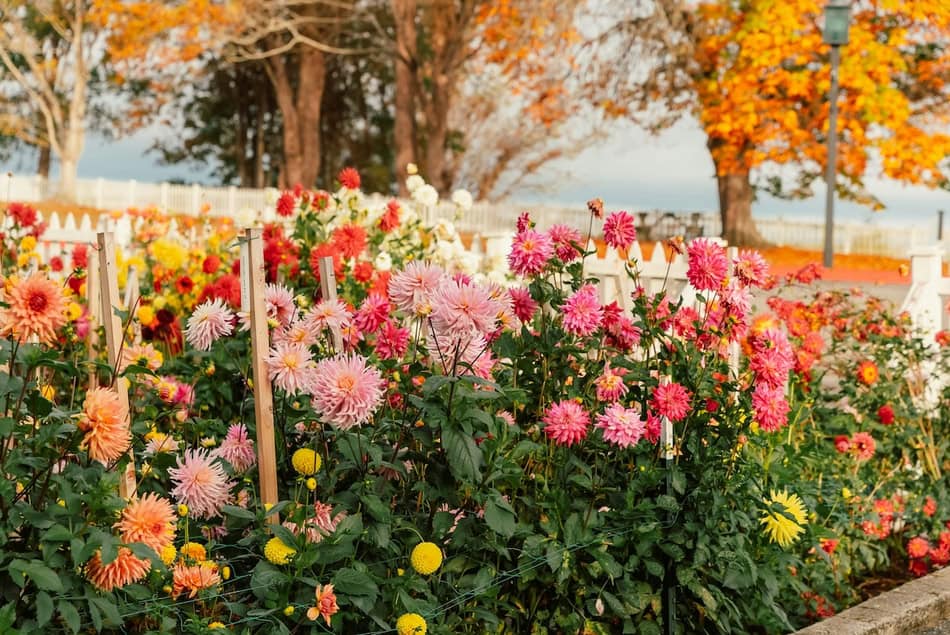
- Dahlias
- Cannas
- Gladiolus
- Caladiums
These underground structures generally won’t survive a cold northern winter in the ground.
After frost ends their growing season, dig them carefully, allow them to dry as appropriate for the species, and store them in a cool location where they won’t freeze. University of Illinois Extension specifically recommends digging and storing tender bulbs such as gladiolus, dahlias, and cannas in a cool, frost-free area.
One easy way to remember it:
Hardy bulbs go in. Tender bulbs come out.
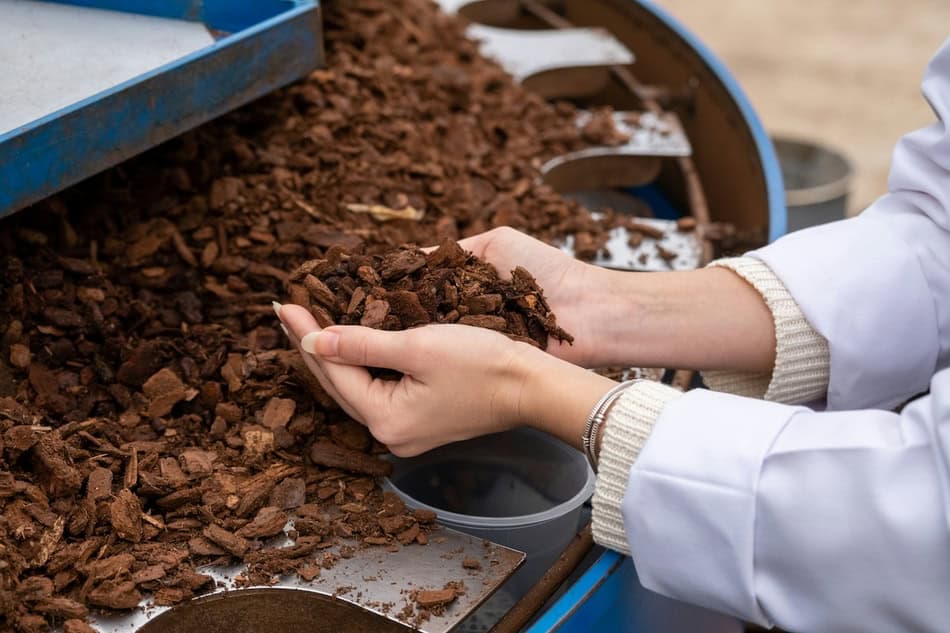
5. Protect Beds With Mulch—But Don’t Smother Everything Too Early
Fall mulch can be one of the best winter protections you give a garden.
Organic materials such as:
- Shredded leaves
- Straw
- Compost
- Pine needles
- Other appropriate organic mulch
can help moderate soil conditions and protect plants through winter.
But timing matters.
For perennial and bulb beds in cold climates, piling on winter protection too early can keep the soil artificially warm. University of Minnesota Extension recommends applying protective winter mulch after the soil begins to freeze, rather than automatically doing it during the first fall cleanup. This helps reduce damaging freeze-thaw cycles and premature growth.
And don’t bury plant crowns or pile mulch against tree trunks.
Your Fallen Leaves Are Valuable
Before filling dozens of bags with leaves, consider keeping some on your property.
Shredded leaves can become:
- Garden mulch
- Compost material
- Winter soil protection
- Eventually, valuable organic matter
Leaves and standing stems can also provide winter habitat for beneficial insects and other wildlife.
So a fall garden doesn’t need to look perfectly manicured.
In many places, a little mess is actually good gardening.
6. Clean Up the Garden, Pots, and Tools—But Don’t Overdo It
The final job is cleanup.
Start with the material that really should go.
Remove:
- Diseased vegetable plants
- Rotting fruit
- Heavily infested plant material
- Weeds carrying mature seeds
- Dead tender annuals where appropriate
Diseased plant material deserves particular attention because some pathogens can survive in old garden debris and return next season.
But there’s no need to scalp every perennial to the ground.
Standing stems and seed heads can feed birds, provide winter interest, and offer habitat for overwintering insects. Illinois Extension notes that tall perennials can be left standing through winter and cut back in spring.
For the vegetable garden specifically, see our companion guide: How to Prepare Your Vegetable Garden for Winter: 5 Things to Do Before the Ground Freezes
Empty and Protect Your Pots
Containers deserve attention too.
Ceramic, terra-cotta, and other porous pots can sometimes crack when moisture inside them repeatedly freezes and expands.
Once annuals are finished:
- Empty pots that won’t remain planted.
- Brush out old soil and roots.
- Clean pots as needed.
- Let them dry.
- Store vulnerable containers somewhere protected from rain, snow, and repeated freeze-thaw cycles.
Large winter-hardy containers that stay outdoors should have excellent drainage.
Give Your Tools Five Minutes of Attention
Before the shovel disappears into the shed until April:
- Brush off soil.
- Wash dirty tools if necessary.
- Dry them thoroughly.
- Sharpen pruners and cutting tools.
- Lightly protect exposed metal from rust where appropriate.
- Store tools somewhere dry.
You’ll be glad you did when that first warm gardening day arrives next spring.
The 6-Point Fall Garden Checklist
Before your first hard freeze, make sure you’ve taken care of these six jobs:
☐ 1. Drain hoses and winterize irrigation.
Disconnect hoses and remove water from anything vulnerable to freezing.
☐ 2. Bring tender plants indoors.
Move tropicals, houseplants, and cold-sensitive containers before they’re damaged.
☐ 3. Harvest frost-sensitive vegetables.
Pick tomatoes, peppers, cucumbers, squash, beans, and other tender crops—but leave cold-hardy vegetables if conditions allow.
☐ 4. Take care of your bulbs.
Plant hardy spring-flowering bulbs and dig up tender dahlias, cannas, and gladiolus where winters are too cold for them.
☐ 5. Protect the soil and perennial beds.
Use leaves, compost, and other organic mulch appropriately, paying attention to timing.
☐ 6. Clean up strategically.
Remove diseased material, protect pots, clean your tools—but leave some healthy stems and seed heads for wildlife.
One Last Fall Garden Rule: Watch the Forecast, Not Just the Calendar
There’s no single date when everyone should put the garden to bed.
A gardener in Minnesota may already be preparing for freezing weather while someone in Georgia still has weeks of growing season ahead—and parts of Florida may go much of the winter without a damaging freeze.
That’s why your local weather forecast and average first-frost date matter more than the date on the calendar.
Farmers’ Almanac maintains a state-by-state and city-by-city guide to help you estimate when colder weather usually arrives: Check Your Average First Frost Date.
A little work now can protect months of gardening effort—and leave you with far less to do when the soil finally warms again.
What is the one fall garden chore you always make sure to finish before the first hard freeze?


- Farmers' Almanac Staff

- Farmers' Almanac Staff
- Farmers' Almanac Staff
- Farmers' Almanac Staff