How to Prepare Your Vegetable Garden for Winter: 5 Things to Do Before the Ground Freezes
Before the ground freezes, give your vegetable garden a little attention. These five simple fall chores can help protect your soil, reduce next year's weeds and pests, and give your garden a healthier start next spring.

Your vegetable garden may be winding down, but don’t walk away from it just yet. What you do before the ground freezes can make a big difference in next year’s soil, weeds, pests—and how quickly you can start planting again in spring.
A good fall garden cleanup doesn’t have to mean stripping every bed bare. The goal is to remove potential problems, protect your soil, add organic matter, and decide which cold-hardy vegetables can stay right where they are.
Before you start, check your Farmers’ Almanac 2026 First Frost Dates for your area. Your first frost is a useful signal that the garden season is changing, although gardeners in warmer climates may have several more weeks—or even months—before the soil actually freezes.
Here are five things to do to prepare your vegetable garden for winter before the ground freezes.
1. Remove Dead, Diseased, and Spent Vegetable Plants
Start with the plants that are clearly finished for the year.
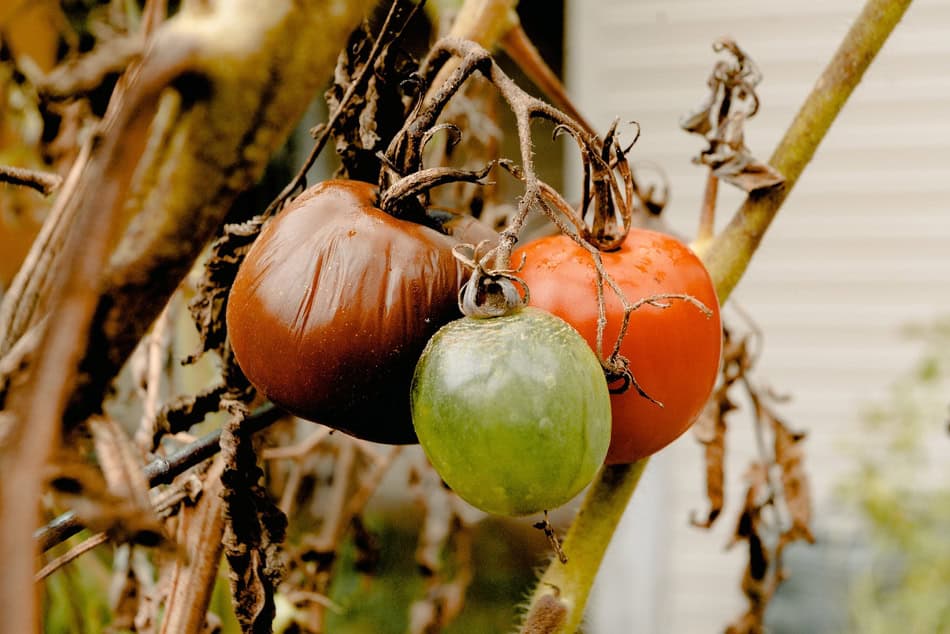
Once frost has killed your tomatoes, peppers, beans, squash, cucumbers, and other tender vegetables, pull or cut back the dead plants.
Healthy plant material can generally go into a well-managed compost pile. But be more careful with plants that showed signs of disease during the growing season.
Tomato vines affected by serious fungal or bacterial disease, badly infected squash leaves, and other questionable plant debris may be better removed from the vegetable garden rather than left lying on the soil.
Why?
Old plant debris can sometimes provide overwintering sites for garden pests and can harbor pathogens that could become a problem again next season.
Pay particular attention to:
- Tomato vines and fallen tomatoes
- Squash and cucumber vines
- Bean plants
- Corn stalks
- Diseased leaves
- Rotting vegetables
- Weeds with mature seed heads
That doesn’t mean your entire yard needs to be spotless. Leaves, stems, and seed heads elsewhere in the landscape can provide valuable winter habitat for insects and wildlife.
In the vegetable garden, however, removing diseased and heavily infested material is a sensible first step toward a healthier spring.
If your garden is still producing, don’t pull everything yet. Many cool-season vegetables can survive temperatures that would quickly kill tomatoes and peppers. See our guide to planting and growing a fall vegetable garden to learn which vegetables tolerate colder weather.
2. Pull Weeds Now—Before They Become Next Year’s Problem
Here’s one fall garden chore that can pay off handsomely:
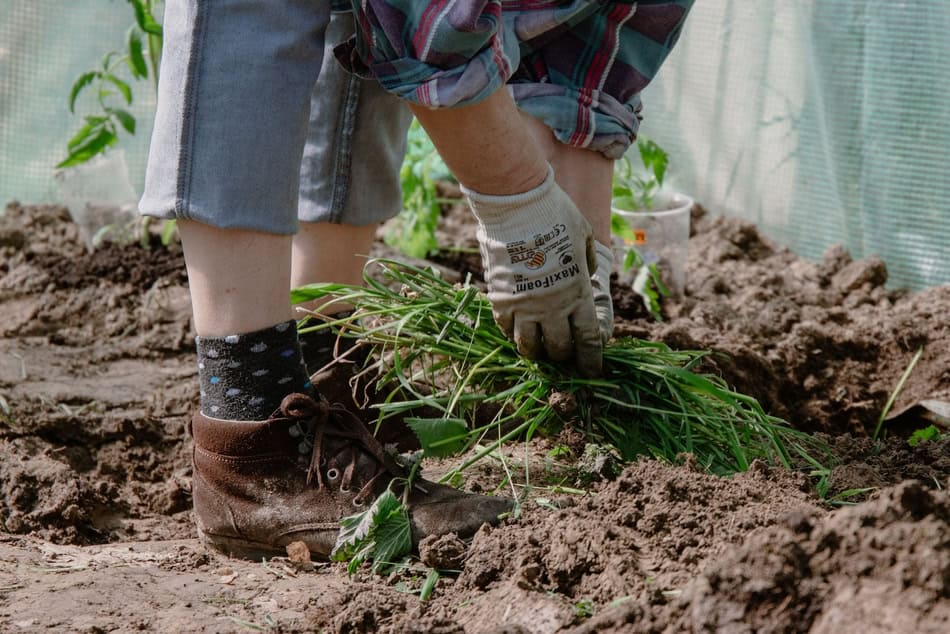
Pull the weeds before winter.
A weed that is already producing seeds isn’t just one weed anymore. Those seeds can fall into your garden soil and create a whole new generation of weeds next year.
Fall is an especially good time to tackle perennial weeds such as:
- Bindweed
- Canada thistle
- Dandelions
- Quackgrass
- Nutsedge
Try to remove as much of the root system as possible while the soil is still workable.
Also collect weeds that have formed seed heads rather than simply knocking them onto the soil.
Should You Leave Some Garden Plants Standing?
Yes.
There’s an important distinction between cleaning up a vegetable bed and making your entire property unnaturally tidy.
Healthy flowers and ornamental plant stems can provide winter shelter for beneficial insects, while seed heads can feed birds.
The vegetable garden deserves a somewhat more selective cleanup because you’re preparing the same ground to grow food again next year.
Think strategic cleanup, not scorched earth.
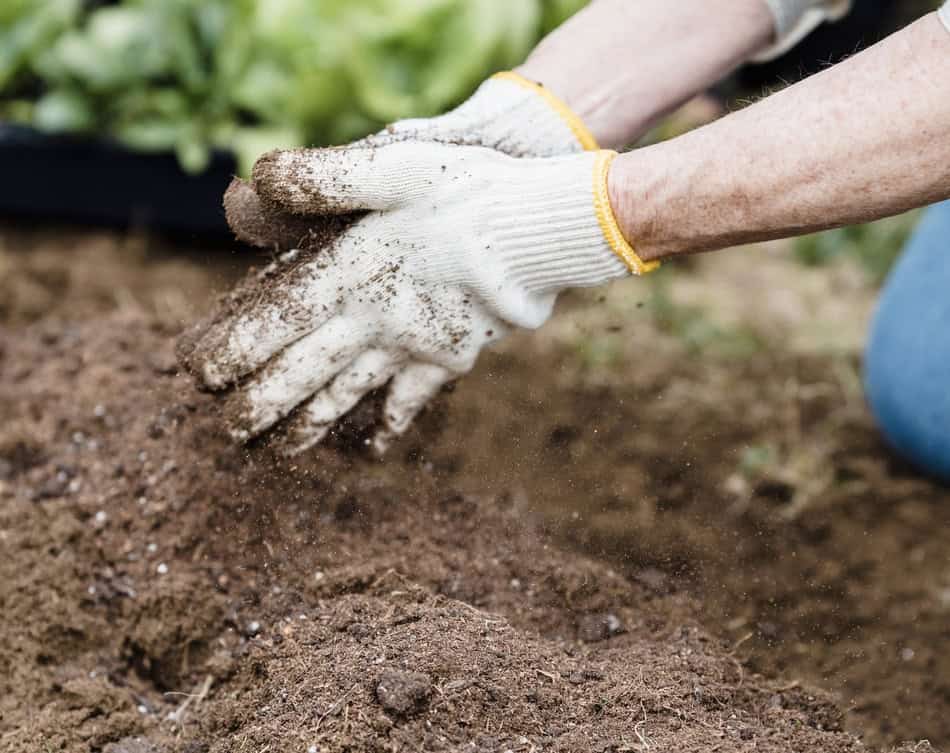
3. Add Compost to Your Vegetable Garden in Fall
After a summer of tomatoes, squash, beans, cucumbers, and other hungry crops, your soil deserves some attention.
Fall is an excellent time to add finished compost to empty vegetable beds.
Spread a layer over the soil after removing weeds and spent crops. You can either gently work it into the upper soil or leave much of it on the surface and allow weather, earthworms, and soil organisms to begin incorporating it naturally.
Adding organic matter can improve:
- Soil structure
- Water-holding capacity
- Drainage
- Biological activity
- Nutrient availability
The USDA defines compost as the product of a managed decomposition process in which microorganisms break down plant and animal materials into forms that can be used in soil.
Don’t Assume More Fertilizer Is Always Better
Fall is also a good opportunity to have your soil tested.
If you’ve been adding compost, manure, lime, or fertilizer every year without testing, you may already have plenty of certain nutrients.
A soil test can help determine what your garden actually needs instead of treating every bed the same way.
And be cautious with fresh manure in a vegetable garden. Properly finished compost and appropriately handled aged manure are generally much easier to manage around food crops.
4. Don’t Leave Your Garden Soil Bare All Winter
Once the beds are cleaned up, don’t stop there.
Bare soil is exposed to pounding rain, melting snow, winter winds, temperature swings, erosion, and weed growth.
The USDA’s Natural Resources Conservation Service recommends maintaining soil cover as an important soil-health practice because cover crops, mulch, and plant residue can protect soil from erosion while helping maintain soil structure and water infiltration.
For a backyard vegetable garden, your winter covering could be as simple as:
- Shredded autumn leaves
- Clean straw
- Finished compost
- Leaf mold
- Untreated grass clippings
- A winter cover crop
Are Fall Leaves Good for a Vegetable Garden?
Absolutely—when used properly.
Instead of bagging every fallen leaf, consider shredding some and using them as winter mulch.
Shredded leaves are preferable to a thick blanket of whole leaves because whole leaves can mat together into a dense layer.
If autumn leaves are piling up around your property, see our guide to whether you should leave fallen leaves on your lawn for more ideas on using them around the yard.
Consider Planting a Winter Cover Crop
For gardeners who have enough time before sustained freezing weather arrives, a cover crop is another option.
Depending on your climate, possible cover crops include:
- Winter rye
- Oats
- Crimson clover
- Hairy vetch
- Field peas
Cover crops aren’t just for farmers.
The USDA notes that cover crops can help reduce erosion, improve soil health, increase organic matter, suppress weeds, improve water infiltration, and help retain nutrients.
The catch is timing.
A cover crop needs enough time to germinate and become established before severe cold arrives, so the best choice depends heavily on where you live and when you’re planting it.
If the planting window has already passed, don’t worry. A layer of leaves, straw, or other suitable mulch can still protect the soil through winter.
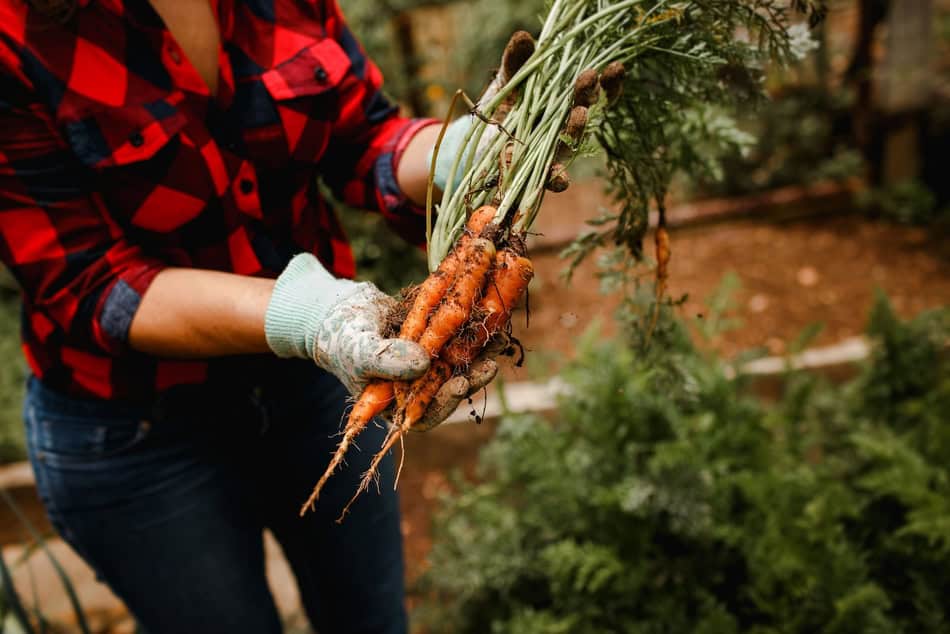
5. Decide Which Vegetables Can Stay in the Ground
Don’t automatically harvest everything just because frost is approaching.
Some of the best vegetables of the year arrive after the weather turns cold.
Depending on your climate and variety, frost-tolerant crops can include:
- Kale
- Spinach
- Carrots
- Parsnips
- Leeks
- Brussels sprouts
- Collard greens
- Turnips
- Beets
- Some lettuces
In fact, cold weather can improve the flavor of certain vegetables.
Plants such as carrots, parsnips, kale, and Brussels sprouts may accumulate more sugars in response to cold temperatures, which can make them taste sweeter.
You can learn more about cold-hardy crops in our Farmers’ Almanac fall vegetable planting guide.
Can You Leave Carrots in the Ground Over Winter?
In many climates, yes—with protection.
Carrots and parsnips can sometimes remain in the garden after frost if they’re covered with a thick insulating layer of straw or shredded leaves.
The colder your winters, however, the more protection they’ll need.
And there’s one wonderfully low-tech trick that’s worth remembering:
Mark the rows.
Finding your carrots is easy in October.
Finding the same row under eight inches of January snow is another matter entirely.
When Should You Prepare Your Vegetable Garden for Winter?
There isn’t one date that works everywhere.
A gardener in Minnesota may be putting beds to sleep while someone in Georgia is still harvesting vegetables.
Instead, use your average first frost date as the beginning of your winter-preparation window.
Farmers’ Almanac explains that a light freeze generally occurs around 29°F to 32°F, while colder temperatures can damage progressively hardier vegetation.
Check our 2026 First Frost Dates state-by-state guide and average frost dates by city to estimate when freezing weather typically arrives where you live.
Remember: an average frost date is exactly that—an average. Your actual first frost can arrive earlier or later depending on the year, elevation, local terrain, and even where your garden sits on your property.
Should You Till Your Vegetable Garden in Fall?
Not necessarily.
Gardeners have turned over their vegetable plots in autumn for generations, and tilling can occasionally be useful when establishing a new garden or dealing with certain soil problems.
But you don’t need to rototill a garden every fall simply because the growing season has ended.
Repeated intensive tillage can disturb soil structure and soil organisms.
For many established gardens, a simpler approach works well:
Remove troublesome plants → pull weeds → add compost → protect the soil.
Let earthworms, microorganisms, roots, moisture, and winter’s natural freeze-and-thaw cycles do some of the work.
One More Thing: Winterize Your Garden Tools
Your soil isn’t the only thing that needs winter preparation.
Before putting everything away:
- Brush dirt from shovels, hoes, forks, and trowels.
- Wash and thoroughly dry dirty tools.
- Sharpen pruners and cutting tools.
- Lightly oil exposed metal surfaces where appropriate.
- Drain garden hoses.
- Drain irrigation components that could freeze.
- Store tools somewhere protected from winter weather.
You’ll appreciate it when that first irresistible gardening day arrives next spring.
Your Fall Vegetable Garden Checklist
Before the ground freezes, try to complete these five jobs:
1. Remove dead and diseased vegetable plants.
2. Pull weeds before they spread more seeds.
3. Add finished compost and organic matter.
4. Cover bare soil with mulch or a cover crop.
5. Protect or harvest the cold-hardy vegetables still growing.
You don’t need a perfectly clean garden.
You just want to leave the soil protected, healthy, and ready for another season.
There is something satisfying about putting a vegetable garden to bed for winter. The beds grow quiet, the tools go back into the shed, and the last carrots disappear beneath their blanket of leaves or straw.
But the garden hasn’t stopped working.
Beneath that winter covering, organic matter is breaking down, roots are decomposing, microorganisms are still at work, and the soil is preparing for spring.
A few hours of work this fall can mean fewer weeds, healthier soil, and a much easier start when it’s finally time to plant again.
And after a long winter, there’s no better sight than the first green seedlings coming up through spring soil.
Frequently Asked Questions
Should I remove all vegetable plants before winter?
No. Remove spent, diseased, or badly infested plants, but cold-tolerant vegetables such as kale, carrots, parsnips, leeks, and Brussels sprouts may continue producing after frost, depending on your climate.
Should I cover my vegetable garden with leaves for winter?
Shredded leaves can make an excellent winter covering for vegetable-garden soil. They help protect the soil surface and gradually contribute organic matter as they decompose.
Should I put compost on my garden before winter?
Fall is an excellent time to spread finished compost over empty vegetable beds. It adds organic matter and gives natural processes months to begin working it into the soil before spring planting.
Is it better to till a garden in fall or spring?
Many established vegetable gardens don’t require annual tilling at all. Adding compost and keeping soil covered can reduce disturbance while protecting soil structure. Specific situations such as creating a new garden may call for a different approach.
What vegetables can survive frost?
Kale, spinach, carrots, parsnips, leeks, collards, Brussels sprouts, turnips, and several other cool-season vegetables can tolerate some frost. Exactly how much cold they can withstand depends on the crop, variety, growing conditions, and duration of the freeze.
How do I know when the ground will freeze?
There is no single national ground-freeze date. Start by checking your area’s average first frost date, then watch local weather as nighttime temperatures fall. Soil usually remains workable beyond the first light frost, giving gardeners additional time for fall cleanup.


- Farmers' Almanac Staff

- Farmers' Almanac Staff

- Farmers' Almanac Staff
- Farmers' Almanac Staff