Why Autumn Is the Season for Ghost Stories

A cozy supper ends. Someone starts telling a story about a rider seen on the road after dark. By the time the dishes are cleared, every creak in the house sounds a little different.
Autumn has long been a natural setting for ghost stories. The nights grow longer, the harvest season draws to a close, and Halloween arrives with its old association with the dead. But the season’s ghost stories didn’t come from one custom or one moment in history. They grew from folklore, local legends, and the pleasure of a well-told scare.
When the boundary between seasons felt thin
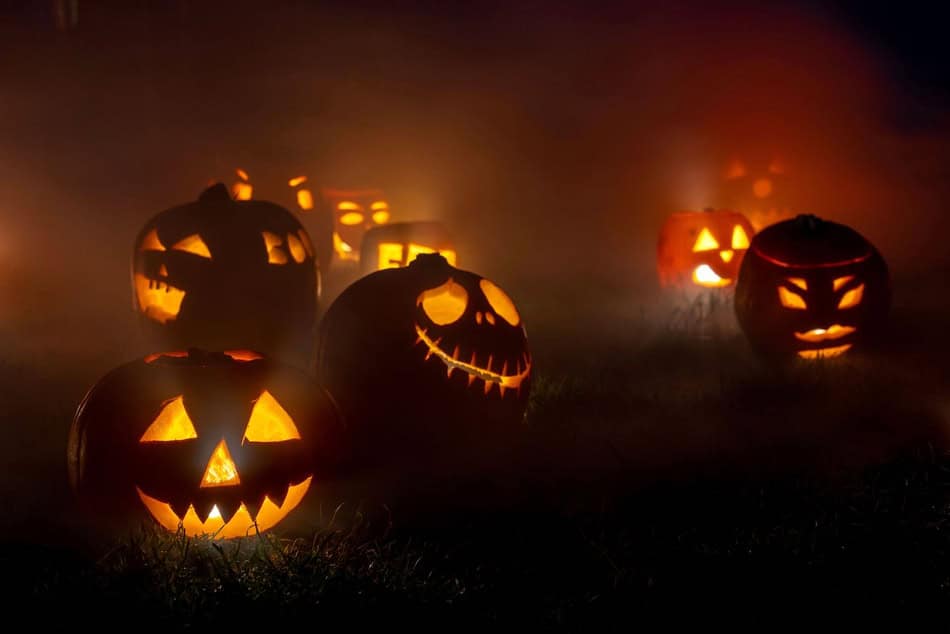
Some of Halloween’s ghostly associations trace to Samhain, the Celtic seasonal festival marking summer’s end and winter’s beginning. Accounts of the tradition connect it with gathering, feasting, and stories about the dead. Over time, those customs mingled with Christian observances such as All Saints’ Day and All Souls’ Day. The history is layered, rather than a single unbroken tradition passed down unchanged.
That seasonal turning point gave ghost stories a fitting place on the calendar. The harvest was ending, winter was approaching, and people had reason to think about what had been lost and what lay ahead. Halloween’s ghosts could be frightening, but stories about spirits also offered a way to talk about death, memory, and the unknown.
For a closer look at how some of those customs became part of the holiday, read our guide to Halloween superstitions and symbols.
A harvest gathering made the perfect audience
Some ghost stories are meant to be read alone. Others are better told aloud, when everyone can hear the wind outside and watch the storyteller pause at just the right moment.
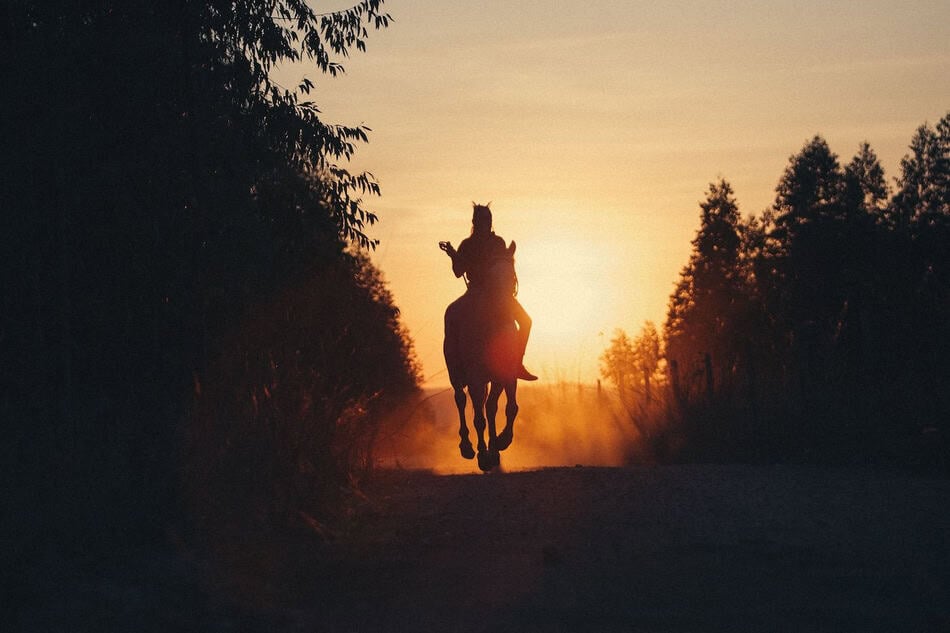
Washington Irving understood the appeal. In “The Legend of Sleepy Hollow,” published in 1820, Ichabod Crane hears stories of the Headless Horseman at a harvest gathering. Later, riding home through the dark, he meets a figure that may be the very specter he has heard about. Irving leaves room for doubt: was it a ghost, or a very human trick? That uncertainty is part of what keeps the story alive.
Irving’s tale helped make the Headless Horseman one of America’s best-known folk figures. It also captures an old pleasure of autumn storytelling: a familiar place can feel transformed once someone tells you what supposedly happened there.
Why the scare still works
Autumn doesn’t need to be haunted to feel mysterious. Bare branches change the shape of a familiar yard. A familiar road looks different after sunset. And when people gather to tell stories, the smallest unexplained sound can make everyone listen.
That may be why autumn ghost stories endure. They turn ordinary places into settings for possibility, then leave us to decide what we believe. The next time someone tells one by the fire or on the ride home, listen for the detail that makes the story stick. It’s often the detail that sounds as though it could have happened just down the road.

- Maggie Konrad

- Maggie Konrad
- Maggie Konrad
- Maggie Konrad