Fire Prevention Week 2026: How to Charge Phones, E-Bikes, and Other Devices Safely

Your phone charges on the nightstand. A cordless drill sits in the garage. An e-bike battery may be charging near the front door. Lithium-ion batteries power all these devices, and a few everyday habits can help lower the risk of a fire.
Fire Prevention Week 2026 runs October 4–10. This year’s National Fire Protection Association theme, “Charge Into Fire Safety: Safe Charging Is a Superpower,” focuses on charging lithium-ion battery-powered devices safely. Here are practical ways to put that message to work at home.
Use the charger made for the device
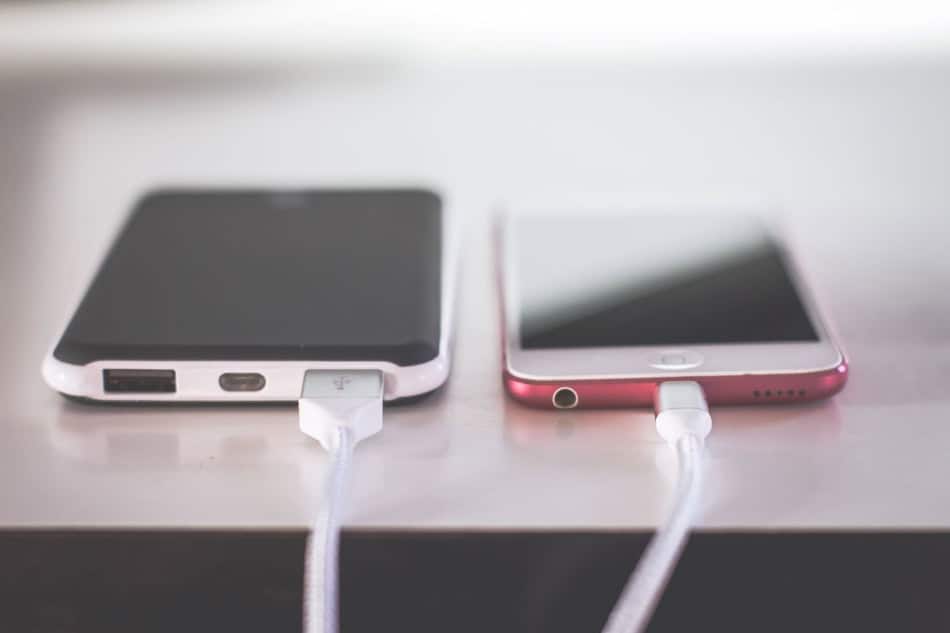
Use the charger supplied with the device, or a replacement the manufacturer recommends. Chargers that look alike may not be compatible. A mismatch can damage the battery or create a safety problem.
Follow the device’s instructions for charging and storage. For e-bikes and scooters, the Consumer Product Safety Commission’s charging guidance says to use the supplied or manufacturer-approved charger, unplug the device when charging is complete, and stay nearby while it charges. Don’t charge these larger devices while you’re asleep or away from home.
Choose a safe place to charge
Set charging devices on a hard, stable surface with room for air to circulate. Don’t charge them on a bed, couch, or under a pillow, where heat can build up and nearby fabric can catch fire. Keep batteries and chargers away from curtains, paper, bedding, and other things that burn.
Give e-bikes and scooters a spot that won’t block a doorway, hallway, or other way out. The U.S. Fire Administration’s battery safety guidance also recommends charging and storing batteries in a cool, dry place, away from extreme temperatures.
For phones, tablets, and other small electronics, make charging outside the bedroom part of your evening routine. If you charge a device overnight, place it on a clear, hard surface away from bedding and keep the cord in good condition.
Check the battery before you plug it in
Take a moment to look over a battery and its charger. Don’t use a battery that is cracked, swollen, leaking, unusually hot, or making an odd sound. A strange smell or a change in color can also be a warning sign. The U.S. Fire Administration advises stopping use if you notice any of these changes.
Don’t use a battery that has been modified or repaired by someone who isn’t qualified, and don’t keep using a charger or cable with frayed wires or damaged connectors. If a device has been dropped, crushed, or exposed to water, check the manufacturer’s guidance before charging it again.
Keep batteries out of extreme heat and cold
Store batteries away from direct sunlight, hot cars, and other places where temperatures can climb. Avoid charging them in very cold or very hot conditions. The U.S. Fire Administration advises against charging lithium-ion batteries below 32°F or above 105°F.
If an e-bike or other large battery has spent time in the cold, follow its manual before charging it. Some manufacturers require the battery to warm to room temperature first.
Recycle batteries the right way
Don’t put loose lithium-ion batteries in household trash or curbside recycling. Take them to a battery recycling location or household hazardous waste collection program, and follow the facility’s instructions. If the battery is damaged or recalled, check the manufacturer’s or CPSC’s disposal directions before transporting it.
If a battery gets hot, smokes, or catches fire
If a device becomes noticeably hot while charging, unplug it only if you can do so safely, and stop using it. If you see smoke or flames, leave the area, get everyone outside, and call 911. Don’t pick up or carry a smoking battery, and don’t try to put out a lithium-ion battery fire. The U.S. Fire Administration advises people to evacuate and call 911.
Fire Prevention Week is a good reminder to check the devices you charge every day, along with your home’s alarms. Farmers’ Almanac has more advice on what to do when a smoke alarm chirps and other fall home safety checks.

- Maggie Konrad

- Maggie Konrad
- Maggie Konrad
- Maggie Konrad