Why Do Smoke Alarms Always Seem to Chirp in the Middle of the Night?
That middle-of-the-night smoke alarm chirp isn’t your imagination. Cooler temperatures can reveal a weak battery. Here’s how to identify the sound and fix it safely.
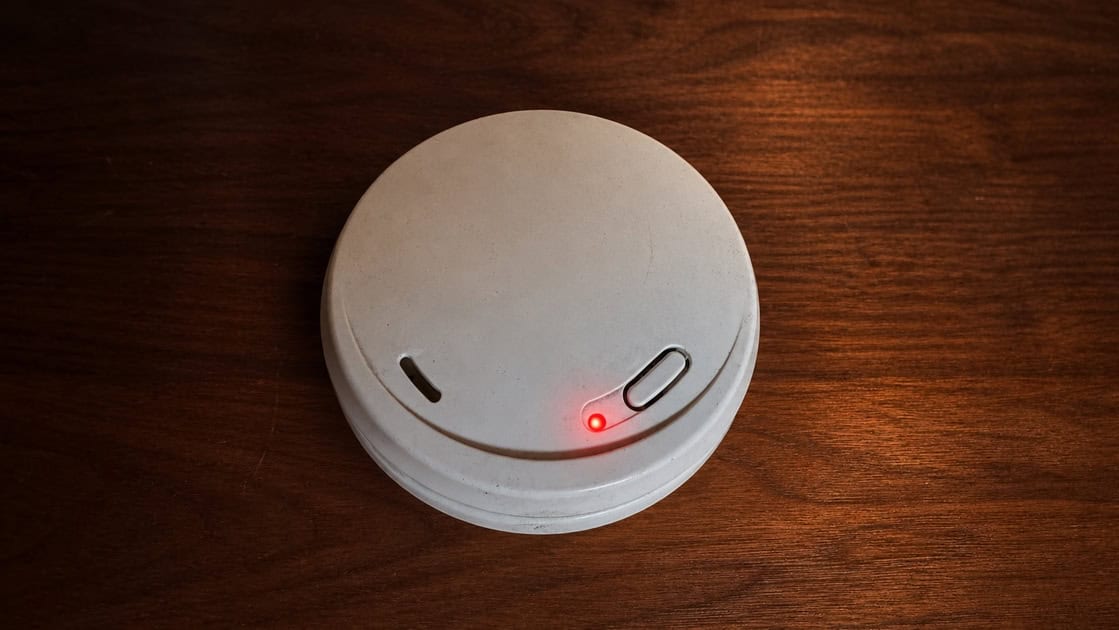
That familiar little chirp often starts at 3 a.m. for a reason. Here’s what your alarm may be telling you—and how to quiet it safely.
The house is quiet. Everyone is asleep. Then it starts: chirp. You wait for it to happen again, trying to figure out which alarm made the sound.
It may feel like smoke alarms save their low-battery warnings for the worst possible hour. In many cases, the overnight temperature drop is what pushes a weakening battery past its warning threshold. As the room cools, the battery may have a harder time delivering power. The alarm chirps; a few hours later, when the house warms up, it may stop. The battery still needs replacing. Kidde explains why nighttime chirping happens.
First, is it a chirp or a full alarm?
Before reaching for a battery, listen to the pattern.
- One short chirp every 30 to 60 seconds: Often a low-battery warning. Some alarms also chirp when they reach the end of their useful life.
- Repeated sets of three loud beeps: A smoke alarm may be signaling fire. Get everyone outside, call 911, and stay outside.
- Repeated sets of four loud beeps: A carbon monoxide alarm may be signaling CO. Get everyone outside, call 911, and stay outside.
Sound patterns can vary by model, so check the instructions for your alarm. The National Fire Protection Association’s guide to alarm sounds is a helpful starting point.
Why does it happen at night?
A battery nearing the end of its life may still supply enough power during a warmer afternoon. When the house cools overnight, the battery’s ability to deliver power can fall just enough to trigger the alarm’s low-battery warning. According to Kidde, homes are often coolest between 2 a.m. and 6 a.m.—prime time for that first unwelcome chirp.
This is especially noticeable as autumn nights grow cooler. A chirp that disappears after sunrise isn’t an all-clear; it’s a reason to check the alarm that day.
What should you do when a smoke alarm chirps?
1. Find the alarm making the sound. Pause and listen through a few chirps. Sound can carry through hallways, so the closest alarm may not be the source. Check combination smoke and carbon monoxide alarms, too.
2. Replace a removable battery. Use the battery type specified on the alarm or in its manual. A hardwired smoke alarm may also have a backup battery that needs replacement. After installing the battery, press the test button. The U.S. Fire Administration explains the different ways smoke alarms are powered.
3. Check the alarm’s age. Look for the manufacture date on the back. Smoke alarms should be replaced when they are 10 years old, even if a new battery seems to fix the chirping. An alarm with a sealed, nonreplaceable battery needs a new unit when it signals a low battery or reaches the end of its life. Here’s how the U.S. Fire Administration recommends checking an alarm’s date.
4. If it keeps chirping, check the model’s instructions. The sound may indicate an expired alarm, a fault, or another condition specific to that model. Replace an alarm that has reached the end of its life or does not work properly when tested.
Never leave a smoke alarm without its battery or disconnect it just to stop the noise.
A seasonal reminder that could spare you a 3 a.m. search
Test smoke alarms at least once a month and replace batteries when the alarm calls for it. Check every alarm’s manufacture date while you’re preparing the house for colder weather. Our fall home safety tips and cold-weather home checklist offer more tasks to tackle before winter. The daylight saving time change can be an easy calendar reminder to check smoke and carbon monoxide alarms—though a chirping alarm needs attention right away.
The mystery of the nighttime chirp is usually simple: the house got a little cooler, and a battery that was already running low finally made itself heard. Find the source, identify the sound, and give the alarm the battery or replacement it needs.


- Farmers' Almanac Staff

- Farmers' Almanac Staff

- Farmers' Almanac Staff

- Farmers' Almanac Staff