
Your Winter Heating Bill Could Look Very Different This Year. It Depends on How You Heat Your Home.

Two houses on the same street could head into this winter with very different heating costs.
A home heated with natural gas is expected to spend less on that fuel than it did last winter. A home heated with electricity is likely to spend a little more. And for households that rely on heating oil, the increase could be much harder to miss.
That split is the big takeaway from the U.S. Energy Information Administration’s new 2026–27 Winter Fuels Outlook, released October 6. Instead of one national story about heating bills going up or down, the forecast looks very different depending on what heats your home and where you live.
First, Find Your Heating Fuel
The easiest way to make sense of the forecast is to compare your household with homes that use the same primary heating fuel.
| Primary heating fuel | EIA forecast compared with last winter |
|---|---|
| Natural gas | 9% lower |
| Electricity | 4% higher |
| Propane | 3% lower |
| Heating oil | 21% higher |
These percentages are the useful part of the forecast. They compare the expected November-through-March energy spending of households using each fuel with similar households last winter. They are not a ranking of which heating system is cheapest, and the dollar totals for one fuel should not be compared directly with another. Homes that use oil, gas, propane, and electricity are concentrated in different regions, face different weather, and can differ considerably in size and efficiency according to the U.S. Energy Information Administration.
There’s another wrinkle. EIA groups households by their main heating fuel, but that fuel may do other jobs too. A gas-heated home may also use gas for hot water, cooking, or the clothes dryer. An electrically heated home’s winter electricity total includes lights, appliances, and everything else running on electricity. That’s another reason the year-over-year percentage is more meaningful than comparing the raw dollar totals.
Heating With Oil? This Is the Number to Watch
Heating oil is the clear outlier this year.
The U.S. Energy Information Administration expects households that primarily heat with oil to spend about 21% more on it this winter than last winter. The agency forecasts the average retail price of heating oil at roughly 34% higher, although expected consumption is lower because its forecast assumes a milder winter in the Northeast, where heating oil is used most heavily.
The reason goes beyond your local delivery company. Heating oil is part of the broader distillate-fuel market, and EIA says reduced global refining activity has helped push international prices higher while U.S. distillate inventories are relatively low heading into winter.
Only about 3% of U.S. homes rely primarily on heating oil, but they are heavily concentrated in the Northeast. For those households, this is the part of the forecast worth planning around now rather than after the first big delivery bill arrives.
Natural Gas Households Get Better News, With One Big Exception
Nationally, natural gas looks much better.
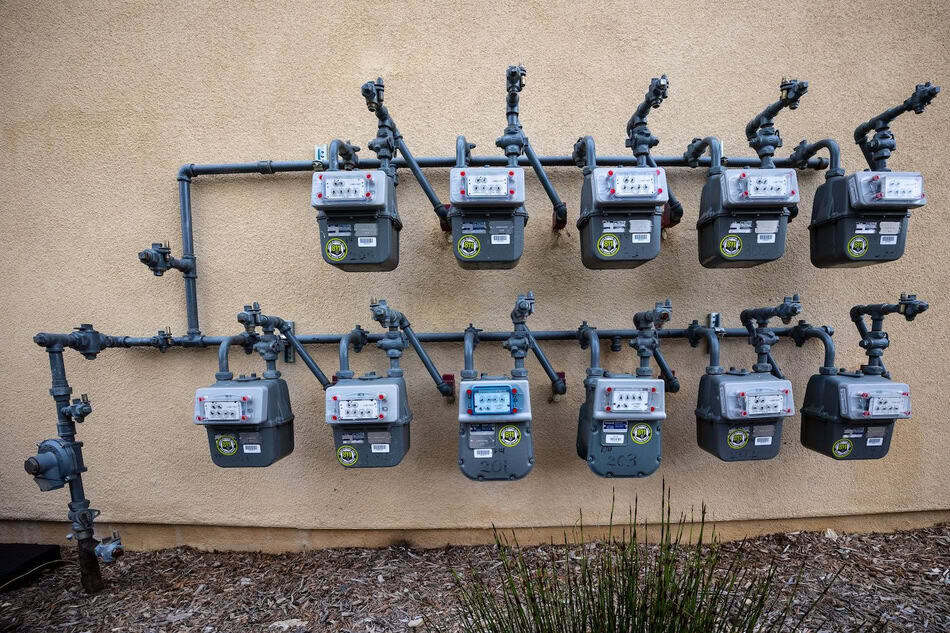
The U.S. Energy Information Administration expects spending by homes primarily heated with natural gas to fall about 9% this winter nationally. Lower residential gas prices are doing most of the work, while nationwide gas consumption is expected to be about the same as last winter.
The regional numbers, however, show why a national average can only tell you so much. EIA forecasts natural-gas spending down 14% in the Northeast, 10% in the Midwest, and 15% in the South.
The West goes the other way. Natural-gas households there are projected to spend about 7% more, even though gas itself is expected to cost less. The reason is weather: EIA’s forecast assumes the West will need considerably more heating than it did during last winter’s unusually warm conditions.
So a cheaper fuel does not always produce a cheaper winter. How much of it you have to burn matters just as much.
Electric Heat Is Expected to Cost a Little More
For homes heated primarily with electricity, the national forecast is a 4% increase in winter energy spending.
The U.S. Energy Information Administration expects residential electricity prices to rise about 3%, with electricity use ticking up slightly as well. The regional picture varies again: electric-heated homes in the Northeast are projected to spend about 3% less than last winter, while the Midwest and South are each up about 3%. The West has the largest projected increase at 9%.
Keep in mind that “electric heat” covers very different homes and systems. A modern heat pump and electric resistance baseboards both use electricity, but they can have very different energy needs. House size, insulation, thermostat settings, equipment efficiency, and local electric rates can easily overwhelm the national average for an individual household. EIA specifically cautions that those home-by-home differences matter.
Propane Is Expected to Ease Slightly
Propane households land on the less-expensive side of the forecast overall, with EIA projecting spending about 3% below last winter.
The Northeast gets the biggest projected break, with spending down about 15%. The Midwest is forecast around 4% lower, while the South is essentially unchanged. EIA expects propane prices themselves to average about 2% lower nationally.
As with heating oil, households that prebuy propane or use a fixed-price plan may see something different from the national forecast.
The Weather Can Still Rewrite the Bill
Every number above has one enormous variable attached to it: winter hasn’t happened yet.
EIA’s base forecast assumes that the country as a whole will need about the same amount of heating as last winter, but not in the same places. It expects significantly less heating demand in the Northeast and much more in the West, while the Midwest and South stay relatively close to last winter.
A few unusually cold weeks can change household energy use quickly, and a mild stretch can do the opposite. Energy prices can move during the season too, particularly for fuels such as heating oil and propane whose retail prices respond more quickly to wholesale-market changes.
That’s why it’s worth looking at the energy forecast alongside the Farmers’ Almanac 2026–27 Winter Weather Forecast for your part of the country. Our outlook calls for a winter of sharp contrasts, including an active southern storm track, quick cold snaps across the North, and a particularly changeable mix in the Northeast.
What You Can Do Before the First Big Bill
You probably aren’t changing your home’s heating system between now and November, but you can make sure you aren’t paying to heat the outdoors.
If you haven’t run the heating system yet, now is a good time to work through the Farmers’ Almanac guide to what to check before turning on your heat for the season. A dirty filter, blocked vent, malfunctioning thermostat, or heating system overdue for service is better discovered on a cool October afternoon than during the first truly cold night.
Drafts are another easy place to start. The U.S. Department of Energy recommends sealing air leaks around windows, doors, walls, ceilings, and other openings because those leaks can waste a meaningful amount of the energy you’re buying. Caulk and weatherstripping are among the simplest fixes.
Thermostat settings matter too. DOE says households can save as much as 10% a year on heating and cooling by setting the thermostat back 7° to 10°F for eight hours a day, although heat-pump systems need controls designed to handle setbacks efficiently. Farmers’ Almanac has more practical ideas in our guide to lowering your heating bill this winter.
None of those steps can guarantee what your February bill will look like. But the new forecast does give you a useful heads-up before winter begins.
If you heat with natural gas or propane, the national outlook is somewhat friendlier than last year. If you use electricity, plan for a modest increase. And if you rely on heating oil, this is the winter to look especially closely at prices and your household budget before the first tank starts running low.

- Maggie Konrad

- Maggie Konrad
- Maggie Konrad
- Maggie Konrad