Why Did People Say You Should Only Eat Oysters in Months With an “R”?

If you grew up near the coast, there’s a good chance you’ve heard this old bit of advice: Never eat oysters in a month without the letter “R.”
That means oysters are on the menu from September through April, but off-limits in May, June, July, and August. For generations, people followed the rule without necessarily knowing why. It was simply one of those things you learned from your parents or grandparents, much like checking the sky before heading out to sea.
But this particular piece of old-fashioned wisdom wasn’t pulled out of thin air. There were good reasons to avoid oysters during the warmer months, and some of those reasons still matter today.
In fact, archaeologists have uncovered evidence suggesting that people along the Georgia coast were following a similar seasonal harvesting pattern thousands of years ago.
Why Were Oysters Only Eaten in Months With an “R”?
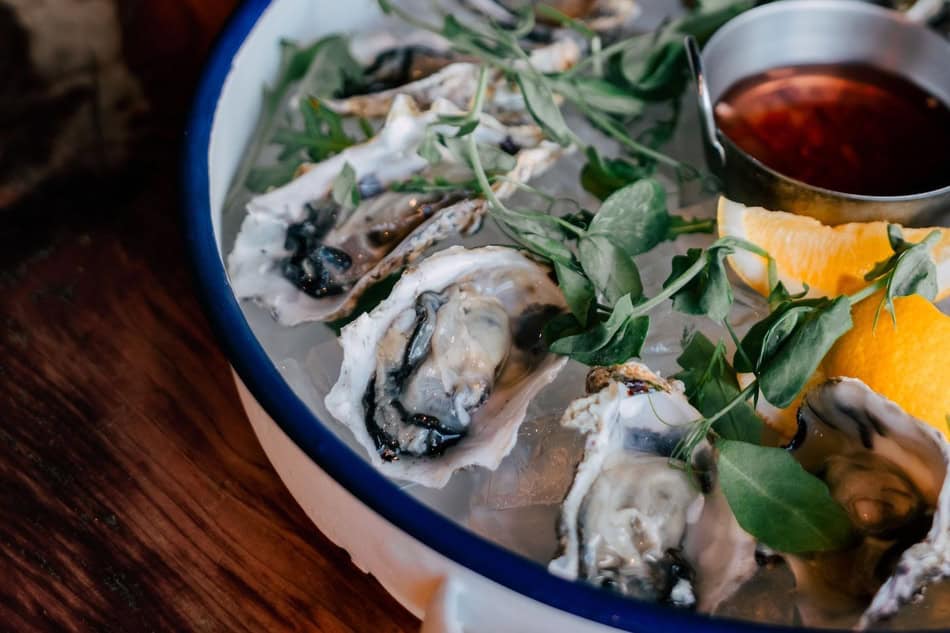
The old rule came down to two things: the weather and the oysters themselves.
Before refrigeration, transporting fresh seafood during warm weather was risky business. Oysters are highly perishable, and keeping them cool during harvesting, shipping, and storage wasn’t nearly as easy as it is today.
Warm coastal waters also favor the growth of certain naturally occurring bacteria, including Vibrio, which can cause serious foodborne illness.
The Texas Parks and Wildlife Department explains that the traditional rule was based partly on the difficulty of keeping oysters from spoiling during summer before modern refrigeration became available.
Then there was the matter of flavor.
Many wild oysters reproduce during warmer months. As they prepare to spawn, they use stored energy to produce eggs or sperm, which changes the condition of the oyster meat.
During and after spawning, oysters can become softer, thinner, or more watery than they are at other times of year. Some oyster lovers prefer the firmer texture and fuller flavor associated with cooler-water seasons.
So the “R month” rule wasn’t simply about avoiding illness. It also helped people choose oysters when they were more likely to be at their best.
An Oyster Tradition That’s Thousands of Years Old?
Here’s where the story gets particularly interesting.
In 2023, researchers from the Florida Museum of Natural History reported evidence that people living on St. Catherines Island, Georgia, were harvesting oysters primarily during cooler parts of the year roughly 4,000 years ago.
The evidence came from an ancient shell ring, a large archaeological structure built from discarded shells.
But how could researchers possibly know which months those oysters were collected?
The answer involved tiny parasitic snails.
Certain snails attach themselves to oyster shells and follow a predictable annual growth cycle. By examining their shells, researchers could estimate the seasons when the oysters had been harvested.
The findings, described by the Florida Museum of Natural History, indicate that the island’s ancient inhabitants favored oyster harvesting outside the summer months.
That doesn’t mean they used our familiar rhyme or had the same reasons for avoiding summer oysters. The evidence tells us about harvesting patterns, not exactly what people believed.
Still, it’s a remarkable reminder that people understood seasonal food resources long before anyone could explain them in modern scientific terms.
Is It Still True That You Should Only Eat Oysters in “R” Months?
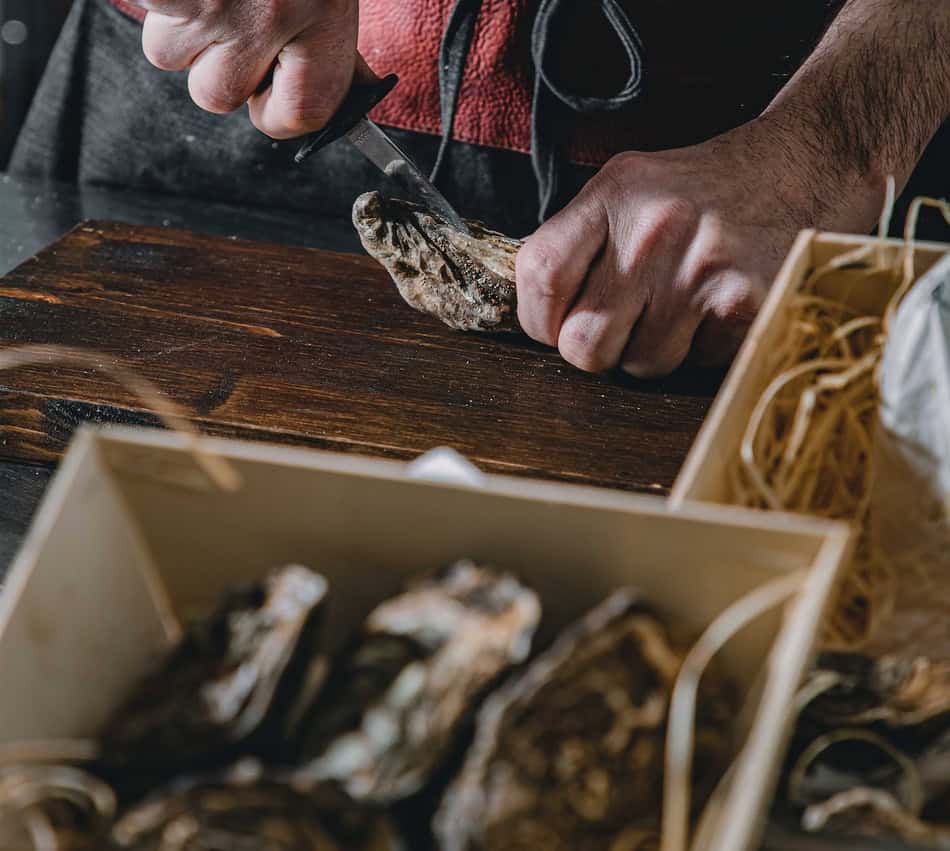
Not as an absolute rule.
Modern refrigeration, regulated harvesting areas, improved transportation, and oyster farming have made oysters available throughout the year.
Some oyster farms also raise varieties that don’t undergo the same seasonal spawning changes as typical wild oysters, helping maintain more consistent quality during summer.
But here’s the important distinction: Just because oysters are sold year-round doesn’t mean eating them raw is risk-free.
According to the Centers for Disease Control and Prevention, people can become sick from eating raw oysters during any month of the year.
The concern is Vibrio, a group of bacteria that occur naturally in certain coastal waters. Oysters feed by filtering water, which means these bacteria can accumulate inside them.
Although Vibrio infections are more common during warmer months, they can occur year-round. September, October, and November may contain an “R,” but that letter offers no guarantee of safety.
The CDC also warns that contaminated oysters don’t necessarily look, smell, or taste unusual. Even a perfectly fresh-looking oyster can contain harmful bacteria.
For that reason, the safest way to eat oysters is to cook them properly. Lemon juice, hot sauce, and alcohol won’t reliably kill Vibrio bacteria.
People with liver disease, weakened immune systems, and certain other medical conditions are at particularly high risk of serious illness from raw oysters. Pregnant women, young children, and older adults should also avoid raw or undercooked shellfish.
When Do Oysters Taste Best?
Even though oysters are available year-round, some seafood enthusiasts still favor the traditional cooler-month season.
As water temperatures decline and oysters recover from spawning, their texture and flavor can change. Depending on the species and growing conditions, oysters may become plumper and develop the firm, pleasantly briny character that many people prize.
Marine biologist Quinton White, writing for Jacksonville University, explains how the oyster’s reproductive cycle affects its stored energy and seasonal eating quality.
Of course, not all oysters follow the same schedule. Their flavor and condition depend on where they grow, the water temperature, their species, and whether they’re wild or farm-raised.
An oyster harvested in Maine in July isn’t necessarily going through the same biological cycle as one harvested in the Gulf of Mexico.
That makes the old rule a useful bit of food history rather than a reliable guide to quality everywhere.
How to Enjoy Oyster Season Safely
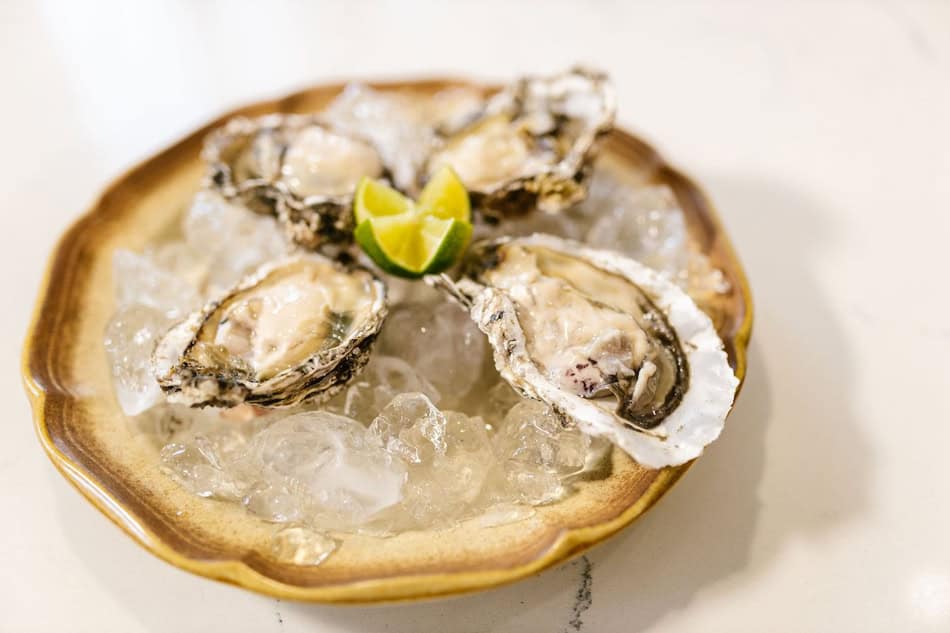
If you’re buying oysters this fall, pay more attention to their source and handling than to the calendar.
The U.S. Food and Drug Administration recommends purchasing shellfish from reputable suppliers and checking that they have the required harvest or processing information.
Live oysters should have intact shells and be kept properly refrigerated. Shellfish with cracked or broken shells should be discarded, and live oysters that fail to close when tapped should not be selected.
Keep oysters cold until you’re ready to prepare them, and cook them thoroughly to reduce the risk of foodborne illness.
The old rhyme can still be a reminder that oyster flavor and harvesting have seasonal rhythms. It just shouldn’t be mistaken for a modern food-safety test.
An Old Rule With a Grain of Truth
There’s something charming about a food tradition that can be remembered with a single letter. For centuries, the “R month” rule helped people make sense of the changing seasons and the foods available to them.
Today, we understand much more about oyster biology, food safety, and the risks of eating raw shellfish. We also have refrigeration and modern harvesting controls that earlier generations couldn’t have imagined.
But the original wisdom hasn’t entirely lost its meaning. Cooler months can still be an excellent time to enjoy oysters, particularly for people who appreciate their seasonal flavor.
Just remember: The letter “R” may help you remember the traditional oyster season, but it can’t tell you whether an oyster is safe to eat.

- Maggie Konrad

- Maggie Konrad
- Maggie Konrad
- Maggie Konrad