
The Clocks Fell Back on Saturday. So Why Do You Still Feel Tired?

An extra hour of sleep sounds like a pretty good deal. On Sunday, November 1, daylight saving time ends across most of the United States, and clocks turn back one hour at 2 a.m. In theory, that means an extra hour under the covers without being late for breakfast.
So why do some people still wake up feeling groggy? And why can the effects of the fall time change linger for a few days, even though we’re supposedly gaining sleep?
The answer has less to do with the number on your alarm clock and more to do with the clock inside your body. That internal timekeeper doesn’t automatically reset when we turn back the hands on the wall.
Your Body Doesn’t Know the Clocks Changed
Most of us have a fairly predictable daily rhythm. We tend to feel hungry around the same times, grow sleepy in the evening, and wake up according to a familiar schedule. Even on mornings when we don’t need an alarm, our bodies often have a pretty good idea of when it’s time to get moving.
Much of this is controlled by our circadian rhythm, the roughly 24-hour cycle that helps regulate sleep, alertness, body temperature, and other daily functions.
The Centers for Disease Control and Prevention explains that these rhythms don’t instantly adjust to an abrupt one-hour time change. They’re influenced by habits, schedules, and especially the timing of light and darkness.
When the clocks fall back, your usual 7 a.m. wake-up time suddenly becomes 6 a.m. according to the new clock. You might decide to stay in bed until the clock reads 7, but your body may already be wide awake.
The same thing can happen in the evening. If you’re accustomed to getting sleepy around 10 p.m., you may find yourself yawning at 9.
Your watch has adjusted. Your internal clock is still catching up.
Why an Extra Hour Doesn’t Always Mean Better Sleep

There’s an important detail about falling back that often gets overlooked: An extra hour on the clock isn’t necessarily an extra hour of sleep.
If you normally wake up at 6:30 a.m. without an alarm, you might continue waking at roughly the same biological time after the change. That would be 5:30 a.m. on the new clock.
And if you stay awake later on Saturday night because you know you have an extra hour coming, you may not get any additional rest at all.
The American Academy of Sleep Medicine notes that one extra hour also won’t erase an accumulated sleep debt. Someone who regularly gets too little sleep isn’t necessarily going to feel wonderfully refreshed after a single longer night.
Still, there’s good news. The fall transition is generally easier on the body than the spring change, when we lose an hour of sleep opportunity. Many people adjust without much difficulty, and some genuinely enjoy the extra rest.
But early risers, people with rigid schedules, and those who already struggle with sleep may notice the shift more than others.
For them, the problem isn’t simply how long they sleep. It’s when their bodies expect to sleep.
The Earlier Sunset Can Make Evenings Feel Longer
The clock change also has an immediate effect on how we experience daylight.
When we return to standard time, sunrise and sunset occur about an hour earlier according to the clock. The total amount of daylight doesn’t suddenly shrink by an hour, but the way it fits into our daily routines changes overnight.
For anyone accustomed to having some daylight left after work, that earlier sunset can be a jolt. Suddenly, the afternoon commute may take place in fading light, and dinner can feel as though it ought to be bedtime.
Light is one of the strongest signals our bodies use to keep their internal clocks aligned with the day. Morning light helps reinforce wakefulness and daily timing, while darkness helps prepare us for sleep.
The CDC explains that changes in light exposure can shift our circadian rhythms and influence when we feel alert or sleepy.
That doesn’t mean an earlier sunset automatically makes everyone exhausted. But when your routine, surroundings, and biological clock no longer seem to agree, you may feel a little out of sorts.
It’s also worth separating the time change from the ordinary effects of autumn. Days have been getting shorter since the summer solstice, and they’ll continue to shorten until the winter solstice. Falling back doesn’t cause that seasonal change; it makes the darker evenings arrive an hour earlier by the clock.
How Long Does It Take to Feel Normal Again?
For many people, adjusting to the fall clock change is fairly straightforward. Others may notice a few mornings of waking earlier than planned or feeling sleepy before their usual bedtime.
The CDC notes that adapting sleep, meal, and activity schedules after a time change can take about a week, although individual experiences vary.
Your usual sleeping habits can make a difference. People who naturally rise early may find the fall shift especially noticeable because their bodies already favor an earlier schedule.
And if you’re running on too little sleep to begin with, a change in routine may make existing fatigue harder to ignore.
There isn’t a universal timetable, though. Some people barely notice the transition, and others need several days to settle into their new routine.
It’s important not to mistake the fall change for the spring one. Research has found more substantial sleep loss and certain short-term health risks associated with moving clocks forward in March. Those findings shouldn’t automatically be applied to November’s return to standard time.
What Can Help Your Body Adjust?
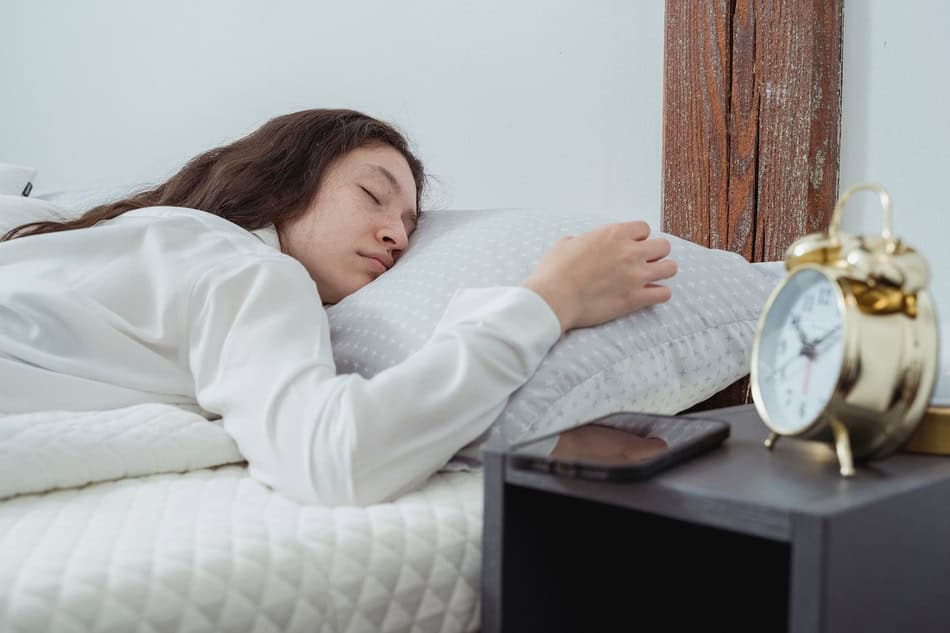
You don’t need to overhaul your life to get through a one-hour time change. In most cases, maintaining a familiar routine is a sensible place to start.
Try to get adequate sleep in the days surrounding the change rather than counting on Sunday morning to make up for an exhausting week. Keep your sleeping environment comfortable and dark, and spend some time outdoors during daylight hours.
The American Academy of Sleep Medicine recommends consistent sleep schedules and exposure to morning daylight as useful ways to support your internal clock.
If you find yourself getting sleepy earlier in the evening, that’s not necessarily a problem. Your body may simply be responding to the schedule it followed the day before.
And if you wake earlier than usual on Sunday, resist the temptation to panic about it. One unusually early morning doesn’t mean your sleep schedule has been ruined.
The more useful question is how you’re sleeping over several nights, not whether you got exactly one extra hour when the clocks changed.
Persistent fatigue, frequent sleep difficulties, or regularly waking without feeling rested deserve more attention than the seasonal clock change alone. If those problems continue, it’s worth discussing them with a healthcare professional.
An Extra Hour Is Nice, but Your Body Sets Its Own Schedule
There’s something appealing about the idea of turning back time, even if it’s only for an hour. It feels like getting a little bonus on an otherwise ordinary weekend.
But our bodies aren’t quite as accommodating as the clocks in our kitchens. They respond to sunlight, habits, sleep patterns, and the steady rhythms of daily life.
So if you don’t spring out of bed feeling wonderfully refreshed on Sunday morning, don’t be too surprised. Your body may need a little time to catch up with the calendar.
And if you do manage to enjoy that extra hour of sleep? Consider it one of autumn’s small pleasures.

- Maggie Konrad

- Maggie Konrad
- Maggie Konrad
- Maggie Konrad