Signs of Spring: 7 to Spot in Nature Right Now
Quick Reference: Signs of Spring
- What to watch: robins that stay, a louder dawn chorus, swelling tree buds, pussy willow catkins, early frog calls, the first bugs, and that damp thaw smell.
- How many signs count: one warm day is a fluke. Two or more signs at once means spring is on the move.
- Where to look: your own yard, a nearby pond or wetland, and the maple trees on your street.
- When: late winter into early spring, weeks before the March 20, 2026 equinox in many regions.
No weather app needed, just your eyes, ears, and a quick step outside.
One warm day doesn’t mean winter’s done… but when nature starts flipping switches, that’s when an early spring is truly on the way. The calendar says spring 2026 begins with the equinox on March 20, yet the ground and the birds often start the season weeks ahead of that date.
Here are 7 reliable signs of spring from nature (and a fun way to keep score) that people have watched for generations. Learn to read them and you will know the season is turning before your phone does.
Related: Spring Equinox 2026: When Is It, and What is It?
What Early Spring Signs Really Tell You
Naturalists have a word for this kind of watching. It is called phenology, the study of when nature’s yearly events happen, from the first robin to the first bloom. Plants and animals respond to warming soil, longer daylight, and rising temperatures, so their timing is a living thermometer for the season. The USA National Phenology Network tracks the start of spring across the country and confirms what old timers always knew: some years spring runs early, and nature shows it first.
None of these signs is a guarantee on its own. Folklore and field notes both agree that a single robin or one mild afternoon can fool you. The trick is to stack the signs. When two, three, or four of them line up in the same week, the season is genuinely turning, and it is a fine time to start planning the garden with the Gardening by the Moon Calendar.

7 Signs of an Early Spring
Here is what to watch for, in roughly the order most folks notice them. Step outside, look up, listen, and take a deep breath. Nature is keeping score, and so can you.
1) Robins show up, and stay
Seeing one robin can be a fluke. But when you notice robins regularly, morning after morning, spring is nudging the schedule forward. Robins do not all fly south for winter, so the real signal is behavior, not just the bird itself. Watch for them fanning out across lawns to hunt worms once the ground thaws, and for their clear, whistling song at dawn and dusk. When robins settle in and hold their ground for days at a stretch, the season is following them north.
2) Mornings get louder: the “dawn chorus” returns
When your early mornings suddenly sound busy (more chirping, calling, and singing), that’s a classic seasonal shift. The “dawn chorus” is the wave of birdsong that builds in the half hour around sunrise as more birds return and males begin staking out territory. Longer days trigger the singing, so the chorus grows louder and starts earlier week by week. If you wake to a racket you did not hear in January, jot the date down. Spring is announcing itself.
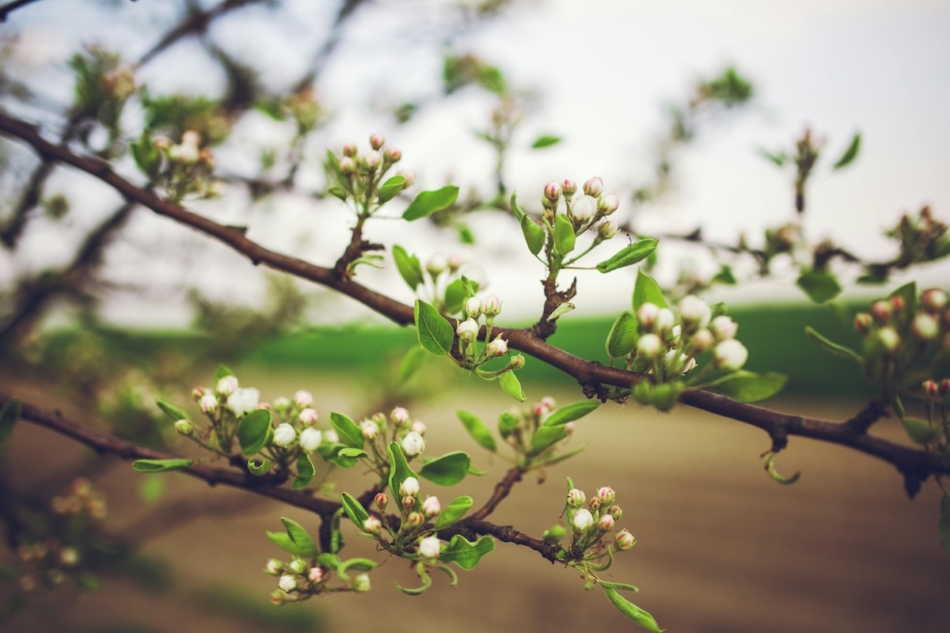
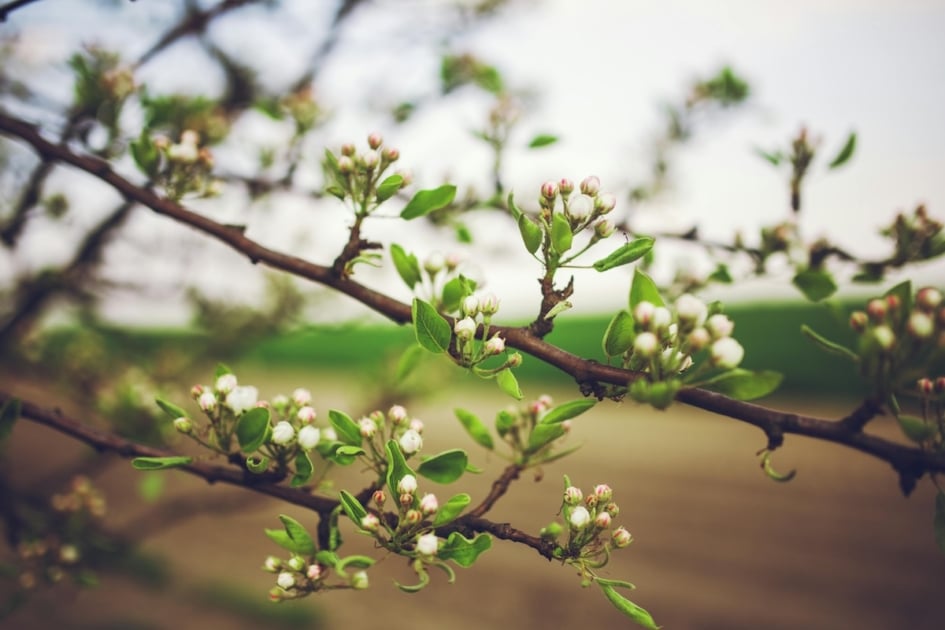
3) Tree buds look “plumper” (especially maples)
Before leaves appear, buds swell. Once you spot it, you’ll never unsee it, and it’s one of the best early clues that trees are waking up. Maples are the ones to watch, since their buds redden and fatten weeks before the tree leafs out. This is also when sap rises, which is why late winter is sugaring season in the North. Look at the same branch every few days. The buds go from tight and hard to plump and glossy, a slow-motion signal you can track right on your own street.
4) Pussy willows pop their fuzzy catkins
Pussy willows are famous early risers. When those soft gray catkins show up, spring is often closer than it feels. The fuzzy tufts are the flower buds shedding their dark scales, and they open when the days lengthen even while snow still lingers. You will find willows along ditches, ponds, and low wet ground, so a walk near water is the fastest way to catch them. Snip a few stems for a jar on the windowsill and you have brought the first sign of spring indoors.
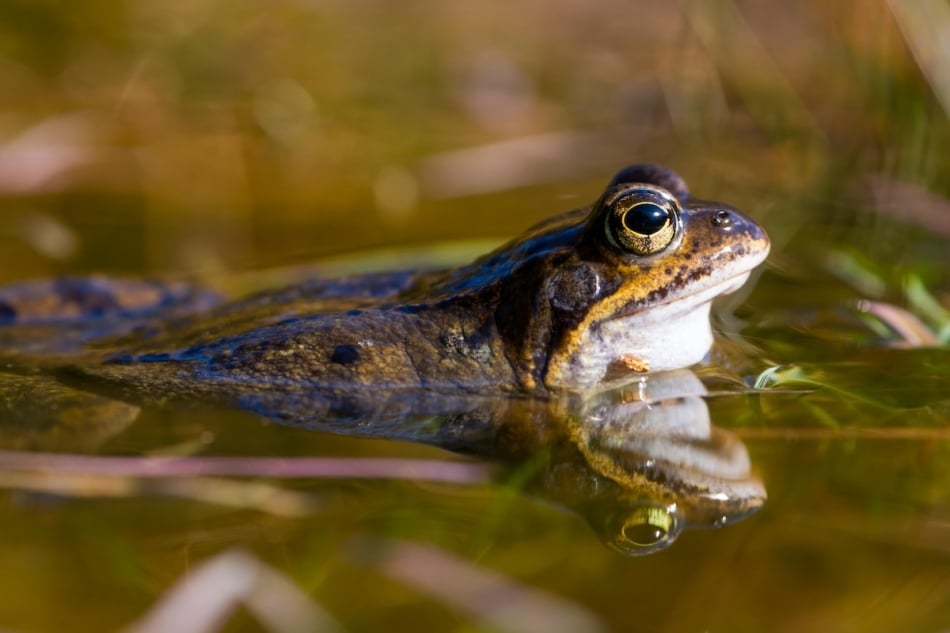
5) Frogs start calling early
If you hear frogs in ponds or wetlands earlier than you expect, it often means shallow water is warming and spring behavior has begun. Spring peepers and wood frogs are among the first to wake, and their calls can carry on a mild evening well before the last frost. Peepers ring out in a high, sleigh-bell chorus, while wood frogs sound more like a soft, clucking quack. Drive past a wetland at dusk and roll the window down. When the frogs are singing, the ground has thawed enough to matter.
6) Bugs appear on the first mild afternoons
That first gnat, fly, or “what is THAT on my windshield?” can be, let’s say, bothersome, but it’s also a real signal that the air and ground are warming in pockets. Insects run on temperature, so a cluster of midges dancing in a sunbeam means a patch of ground has crossed the threshold. Honeybees venture out on the first warm afternoons too, and a few early butterflies overwinter as adults and take wing at the first thaw. The bugs are annoying, but they are also honest reporters.
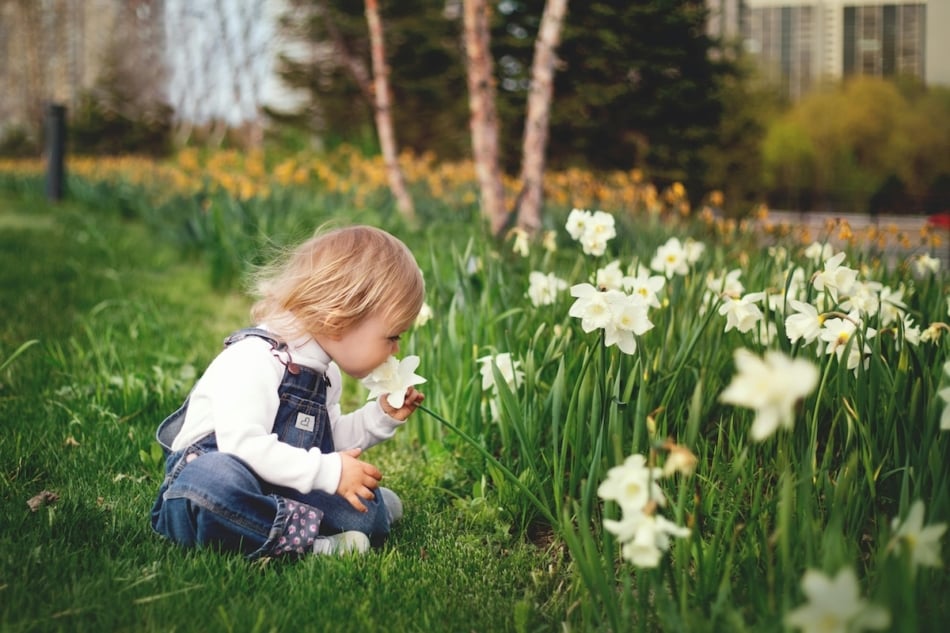
7) You can smell the ground again
There’s a moment when the air smells damp and earthy, wet leaves, soil, old grass. That “thaw smell” is one of the most convincing signs that winter is loosening its grip. What you are smelling is the soil coming back to life as microbes wake in the warming, moist ground and release earthy compounds. It arrives right after the snow melts and the frost leaves the topsoil. Step outside after a mild rain and take a breath. If the ground smells alive again, spring is not far off.
Signs of Spring by Region
Spring does not arrive everywhere at once. It rolls north a few miles a day, so the same signs show up on very different dates depending on where you live. Here is a rough guide to when to start watching, region by region, which you can pair with the long-range forecast for your area.
| US Region | When Early Signs Usually Start |
|---|---|
| Southeast & South Central | Late January into February, buds and frog calls first |
| Southwest | February into March, early bugs and birdsong on mild days |
| Mid-Atlantic & Southern Plains | Late February into March, robins settle and buds swell |
| Great Lakes & Midwest | March, dawn chorus and the thaw smell arrive together |
| Northeast & New England | Mid to late March, pussy willows and maple buds lead |
| Northwest | February into April, wet-ground signs come early near the coast |
In Canada, gardeners in British Columbia and southern Ontario often catch the first signs in March, while the Prairies, Quebec, and the Maritimes wait until April for the thaw smell and the return of the robins. Wherever you are, the order of the signs tends to hold, even when the dates slide by a month or more.
The 30-Second “Early Spring Check”
Step outside and look for two or more of these at once:
- Robins (or other early birds) consistently
- Buds swelling
- Frog calls
- Bugs out on mild days
- That damp, earthy thaw smell
If you’re stacking signs, nature’s probably moving toward spring, whether the calendar agrees or not. Keep a simple list on the fridge and mark the date you first spot each one. Do it a few years running and you will have your own backyard record of the season, and a head start on picking the right Best Days to start your seeds.

Signs of Spring: Frequently Asked Questions
What are the first signs of spring in nature?
The earliest signs of spring are usually robins that settle in and stay, a louder dawn chorus of birdsong, swelling tree buds, pussy willow catkins, early frog calls, the first bugs on mild afternoons, and the damp, earthy thaw smell. One warm day is not enough. Watch for two or more of these at once.
How can I tell if spring is coming early this year?
Stack the signs. If robins are around consistently, buds are swelling, frogs are calling, bugs are out, and the ground smells alive, all within the same week or two, spring is running ahead of the calendar. Jot down the dates you first notice each sign and compare them year to year to see how early your season is turning.
Do robins really mean spring has arrived?
Not always. Many robins stay put through winter, so a single bird is not proof of anything. The real signal is behavior: robins spreading out across thawed lawns to hunt worms, singing at dawn, and holding the same ground day after day. When their numbers and their song both pick up, spring is following close behind.
Why can I smell the ground in early spring?
That “thaw smell” comes from the soil waking up. As frost leaves the topsoil and the ground warms and stays moist, microbes become active again and release earthy-smelling compounds. It is one of the most reliable signs that winter is loosening its grip, and it usually shows up right after the snow melts.
Is watching for signs of spring the same as predicting the weather?
They are close cousins, not the same thing. Reading nature’s signs tells you the season is turning where you stand, right now. A long-range forecast looks weeks and months ahead across whole regions. Both are useful, and neither is perfect, so it helps to check the signs in your yard against the Farmers’ Almanac forecast for your area.
When does spring officially begin in 2026?
Spring officially begins with the vernal equinox on March 20, 2026. Nature, though, does not wait for the calendar. In many regions the first signs of spring show up weeks earlier, which is exactly why watching the birds, buds, and frogs gives you a head start on the season.


- Farmers' Almanac Staff

- Farmers' Almanac Staff
- Farmers' Almanac Staff
- Farmers' Almanac Staff