Food Expiration Dates: What They Really Mean (Sell By, Use By, Best By)
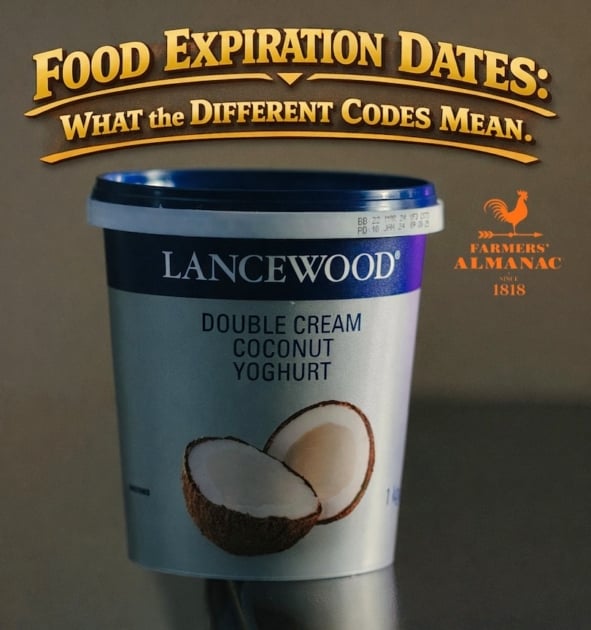
Food date labels are confusing. Sell-by, use-by, best-by, and expiration all sound similar but mean different things. The result: an estimated 30-40 percent of food waste in the United States comes from people throwing out perfectly safe food because they misread the date. Here is what each label actually means.
Quick Reference
- Sell-by: for stores, not consumers. Tells the store when to pull from shelves; food remains safe past this date.
- Use-by: the date for peak quality. Most foods are still safe past this date if stored properly.
- Best-by / best-if-used-by: quality recommendation, not safety. Food past this date is fine but may have texture/flavor changes.
- The only legally regulated date in the U.S.: infant formula. Everything else is manufacturer recommendation.
- How to tell if food is bad: smell, look, texture. Mold, off-smell, sliminess, color changes mean toss.
- USDA estimate: Americans waste 30-40% of food, much of it from misunderstood dates.
Sell-By Date
The sell-by date tells the store when to pull the product from the shelf. It is not for consumers. Most foods are safe to eat for days or weeks past the sell-by date, depending on the product. Milk: 5-7 days past. Eggs: 3-5 weeks past. Yogurt: 1-2 weeks past.
Use-By Date
The use-by date is the manufacturer’s recommendation for peak quality. The food is usually safe past this date if it has been stored properly. The only legally regulated use-by date in the United States is on infant formula. Everything else is voluntary.
Best-By / Best-If-Used-By
A quality recommendation only. The food past this date is safe but may have texture, flavor, or color changes. Dry goods (cereal, pasta, canned soup) often stay fine for months past best-by.
How to Actually Tell If Food Is Bad
- Smell. Off, sour, or rancid smell = toss.
- Look. Mold, color changes, discoloration = toss.
- Texture. Slime, mushiness in vegetables, dryness, sticky meat surface = toss.
- Taste a tiny amount only if smell and look pass. Off-flavors mean toss.
Foods That Last Longer Than You Think
- Eggs: 3-5 weeks past sell-by, refrigerated. Float test: bad eggs float, good ones sink.
- Honey: indefinite. Archaeologists found 3,000-year-old honey in Egyptian tombs still edible.
- Canned foods: 2-5 years past best-by if can is intact.
- Dried beans, rice, flour: 1-2 years past best-by sealed.
- Hard cheeses: cut off any mold; rest stays fine for weeks past use-by.
- Yogurt: 1-2 weeks past sell-by if sealed and refrigerated.
Foods to Toss Strictly by the Date
- Infant formula (the only legally regulated date).
- Soft cheeses (brie, ricotta, cottage cheese): toss at use-by; high moisture grows mold fast.
- Deli meat: toss within 3-5 days of opening, regardless of date.
- Pre-cut fresh produce: goes bad faster than whole produce.
- Raw seafood: use within 1-2 days of purchase.


Frequently Asked Questions
Is it safe to eat food past the sell-by date?
Usually yes. Sell-by dates are for stores, not consumers. Most foods are safe for days or weeks past the sell-by date if stored properly.
What is the difference between use-by and best-by?
Use-by is a quality recommendation; the food is usually safe past it. Best-by is also a quality recommendation; food past it is safe but may have flavor or texture changes.
How long do eggs really last?
3-5 weeks past sell-by, refrigerated. Float test: place an egg in water; bad eggs float, fresh eggs sink.
Is honey really shelf-stable forever?
Yes. The high sugar content and low water activity prevent spoilage. Crystallized honey can be revived by warming gently in hot water.
Why do Americans waste so much food?
USDA estimates 30-40% of U.S. food is wasted, much of it from misunderstood date labels. Sell-by especially is mistaken as a consumer expiration date.

- Tim Konrad

- Tim Konrad
- Tim Konrad
- Tim Konrad