

Grow Spices at Home: 6 Easy Spices to Plant Yourself
Most of us have some experience growing herbs, but what about spices? You can easily grow these spices in your garden this year. Here's how to get started!
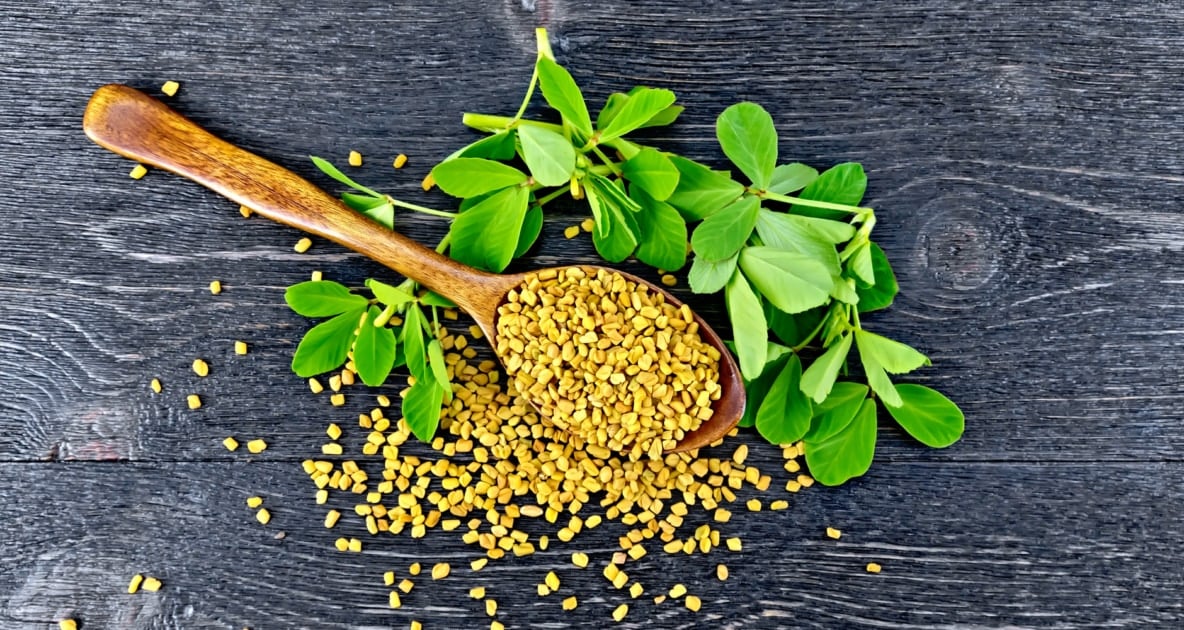
Quick Reference: Spices You Can Grow Yourself
- What you need: a sunny spot (part shade for ginger and turmeric), well-drained soil, regular water, and patience while the plants go to seed.
- 6 spices to try: cumin, fennel, fenugreek, mustard, ginger, and turmeric.
- Fastest: cumin goes to seed in about 3 to 4 months. Slowest: ginger and turmeric need 8 to 10 months.
- Sow direct: cumin, fennel, fenugreek, and mustard do not like being transplanted, so seed them right in the ground.
- Best Days by the Moon: seed crops in the light of the Moon, ginger and turmeric rhizomes in the dark of the Moon.
Most of us are familiar with growing our own herb gardens, parsley, chives, cilantro, thyme, and more, but what about spices? Their flavor can really perk up so many foods, and they are good for you because they are full of antioxidants. Believe it or not, it is easy to grow spices. All you need is some land, sunshine, water, and a little patience while your plants go to seed. This 2026 growing season is a fine time to start, so here are 6 favorites to plant, harvest, and stock in your own spice cabinet.
Grow These 6 Favorite Spices and Stock Up Your Spice Cabinet
Each of these spices comes from a plant you can raise at home, in a garden bed or a container, and most of them are harvested the same way: let the plant flower, let it go to seed, then collect and dry the seeds. Ginger and turmeric are the exception, since you harvest their roots rather than their seeds. Here is how each one works.
1. Cumin
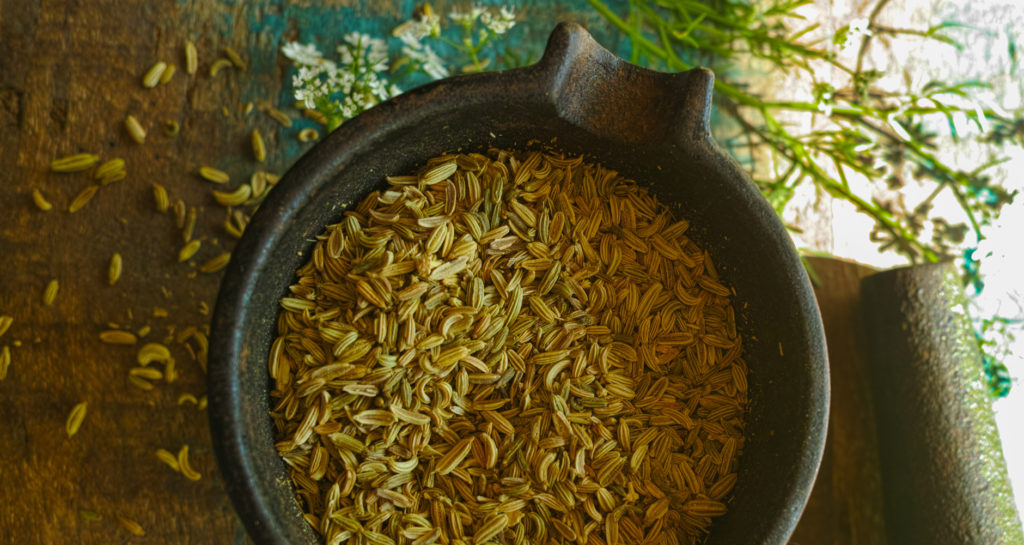
Cumin (Cuminum cyminum) is related to dill, celery, parsley, and carrots. This heat-loving plant needs a growing season of about 3 to 4 months to go to seed, so give it a warm, sunny corner. Regular moisture is key for seed production. Once the pretty white-pink flowers have finished blooming, the plant forms brown seeds, which you harvest by hand in autumn. The seeds can be ground and used in Mexican cooking, curry powder or garam masala mixes, or in Vietnamese or Thai cooking.
2. Fennel
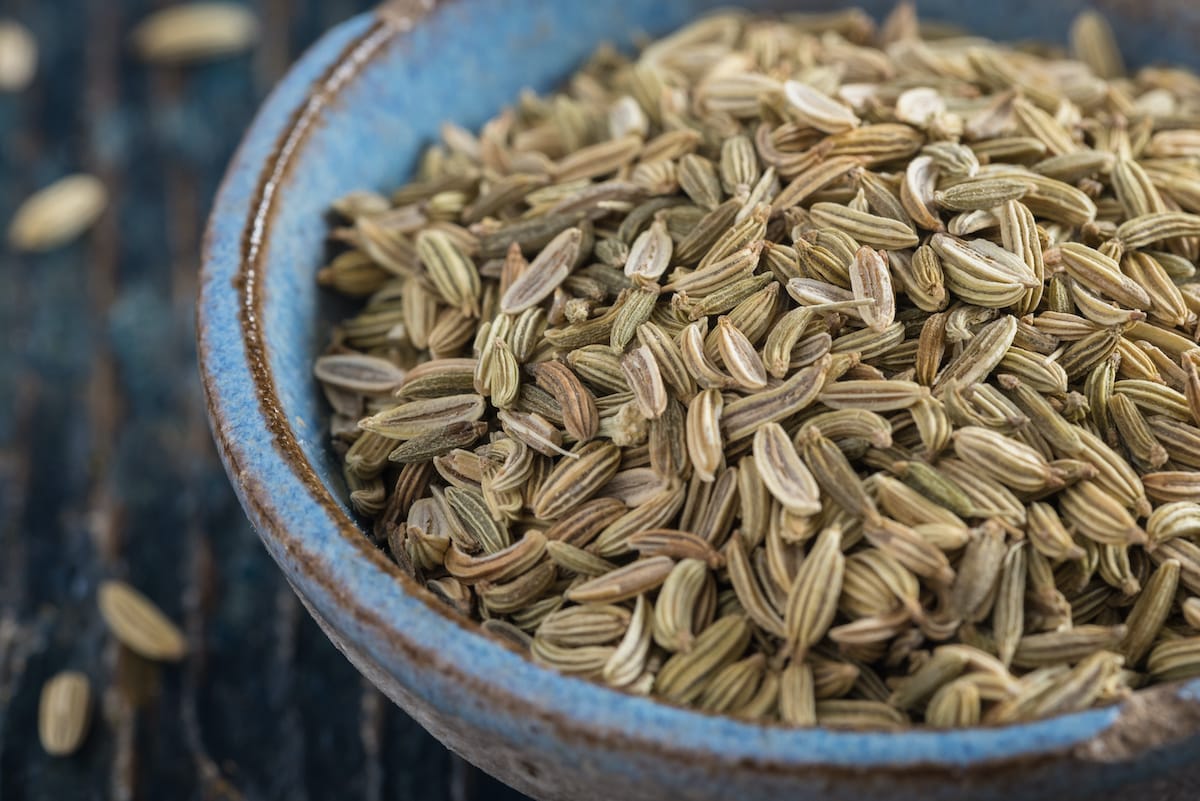
Fennel (Foeniculum vulgare) is in the same family as cumin. Many gardeners grow fennel for its bulbous stem, which tastes like anise, or licorice. Allowing the plants to flower and go to seed produces a delicious spice used in Italian sausages (you can make your own with ground pork, salt, and fennel seed), teas, baking, and blended spice rubs for meat and poultry. Many people munch on a few fennel seeds after a large meal to help digestion.
Sow fennel seeds directly in the garden for best results, since the plants will not stand up well to transplanting. A sunny location is ideal. The soil should be well-drained and moderately fertile, and an amendment with compost in the early spring before planting is sufficient. Fennel has a propensity to freely reseed if you do not harvest all of the seeds. The University of Wisconsin Horticulture program keeps a thorough profile of fennel if you want to confirm timing for your own ground.
3. Fenugreek
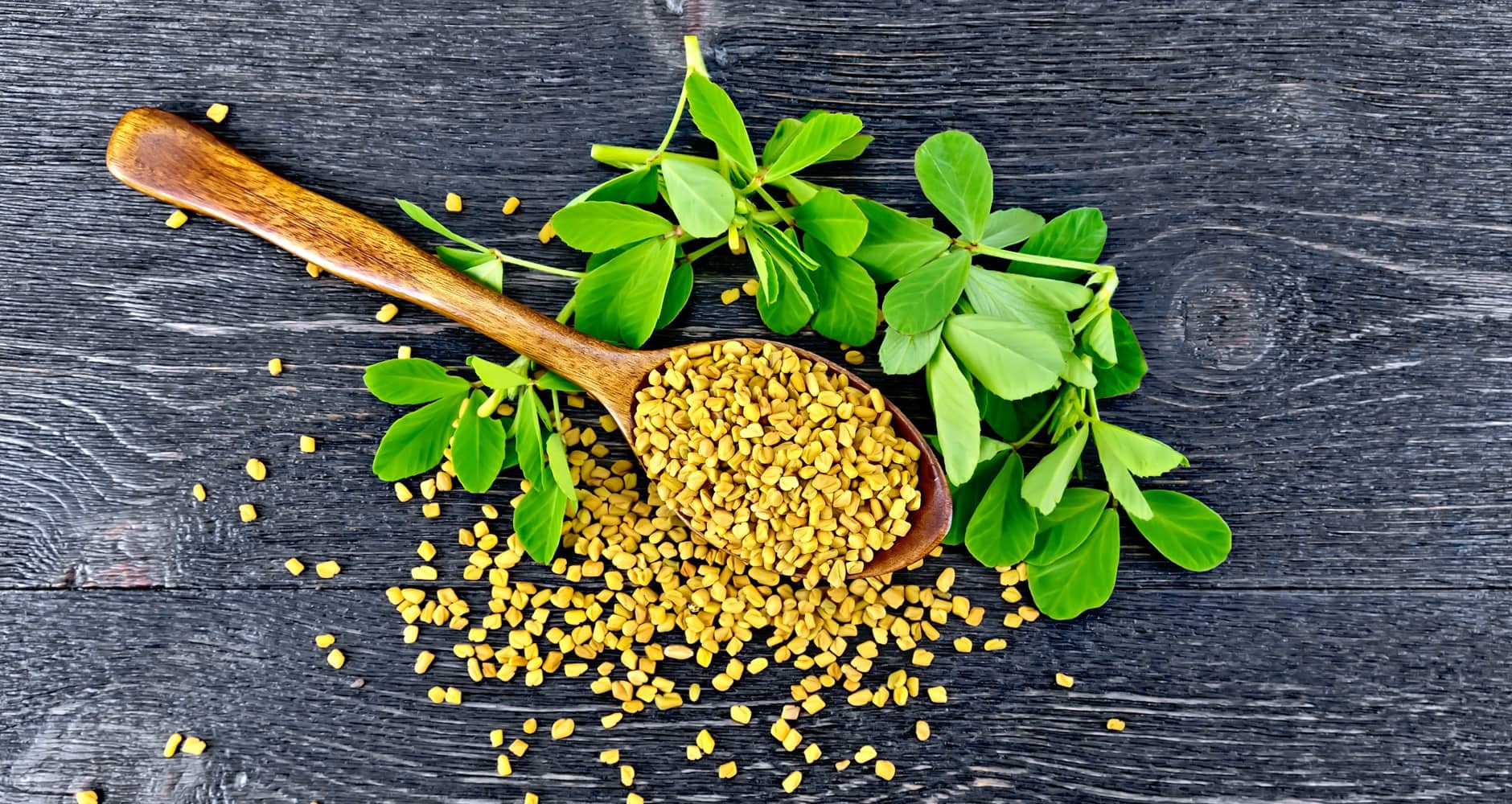
Another highly scented spice, fenugreek (Trigonella foenum-gracecum) is actually a legume, and it is easy to grow in containers or in-ground. A perennial in U.S. Hardiness zones 8 to 11, fenugreek requires compost-amended, well-drained soil. Direct-seed fenugreek once all danger of frost has passed, since young plants cannot tolerate being transplanted. Plants reach approximately two feet tall. The fragrant seedpods are harvested in early autumn and the seeds are removed by hand. The seeds taste a bit like maple and are commonly used in tea, or in curries and pickles.
4. Mustard
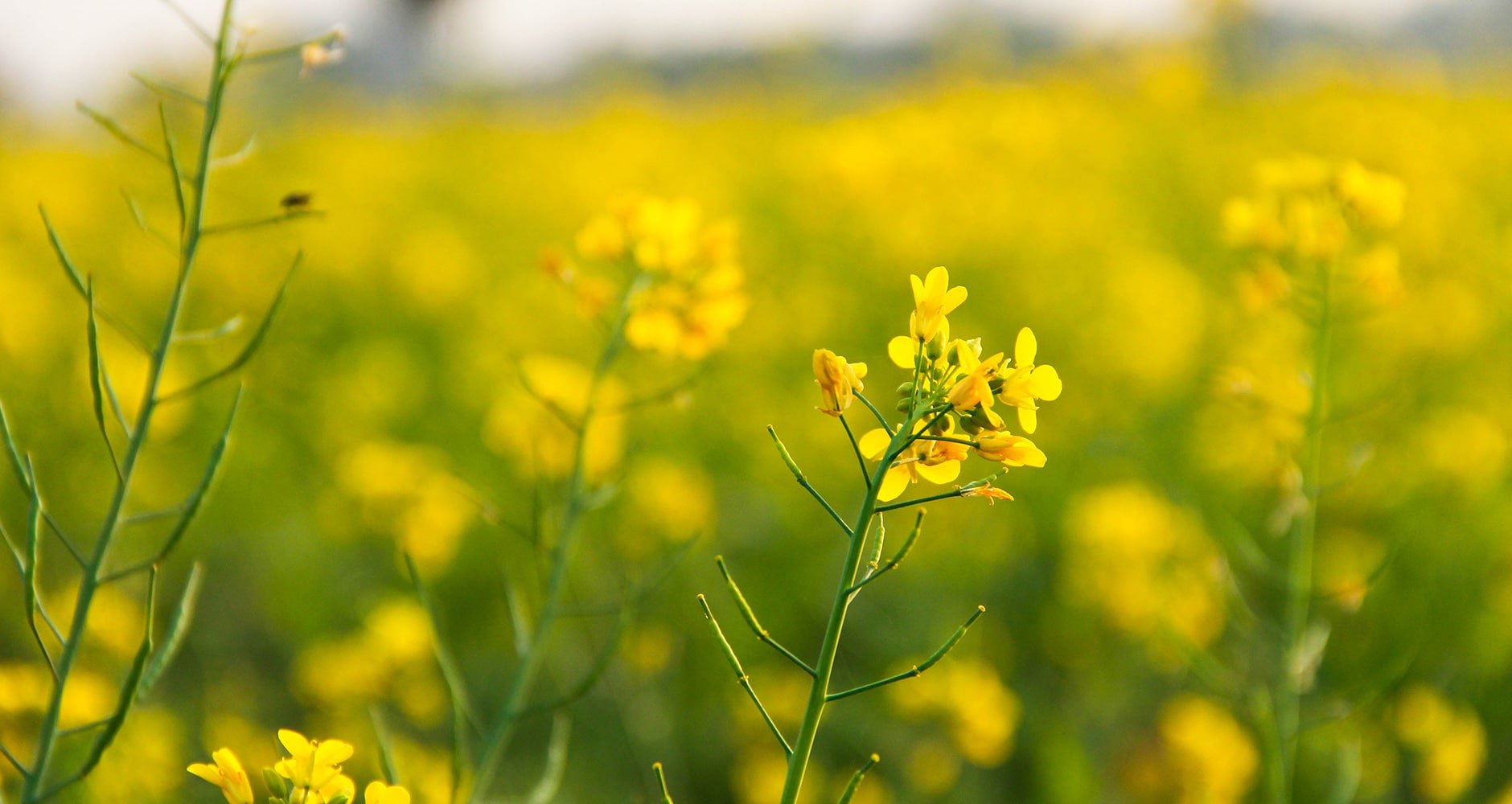
Mustard (Brassica spp.) is a staple condiment, and hotdogs and burgers would not be the same without it. But did you ever consider growing it in your garden? This is a plant that cannot take a lot of heat. It will rapidly bolt, which is not good for the quality of the seeds you want to harvest. Plant mustard early in the spring, as soon as the ground can be worked. Compost-amended soil is best, and stick to a regular watering schedule if you receive little rain. Small yellow or white flowers precede seed pods, which appear in late summer or early autumn. Allow the pods to brown on the plant before picking. Scoop the seeds out of the pods and air-dry them for at least two weeks before storing. Mustard seed can be used in pickling spice, or you can make your own mustard with the recipe below.
5. & 6. Ginger & Turmeric
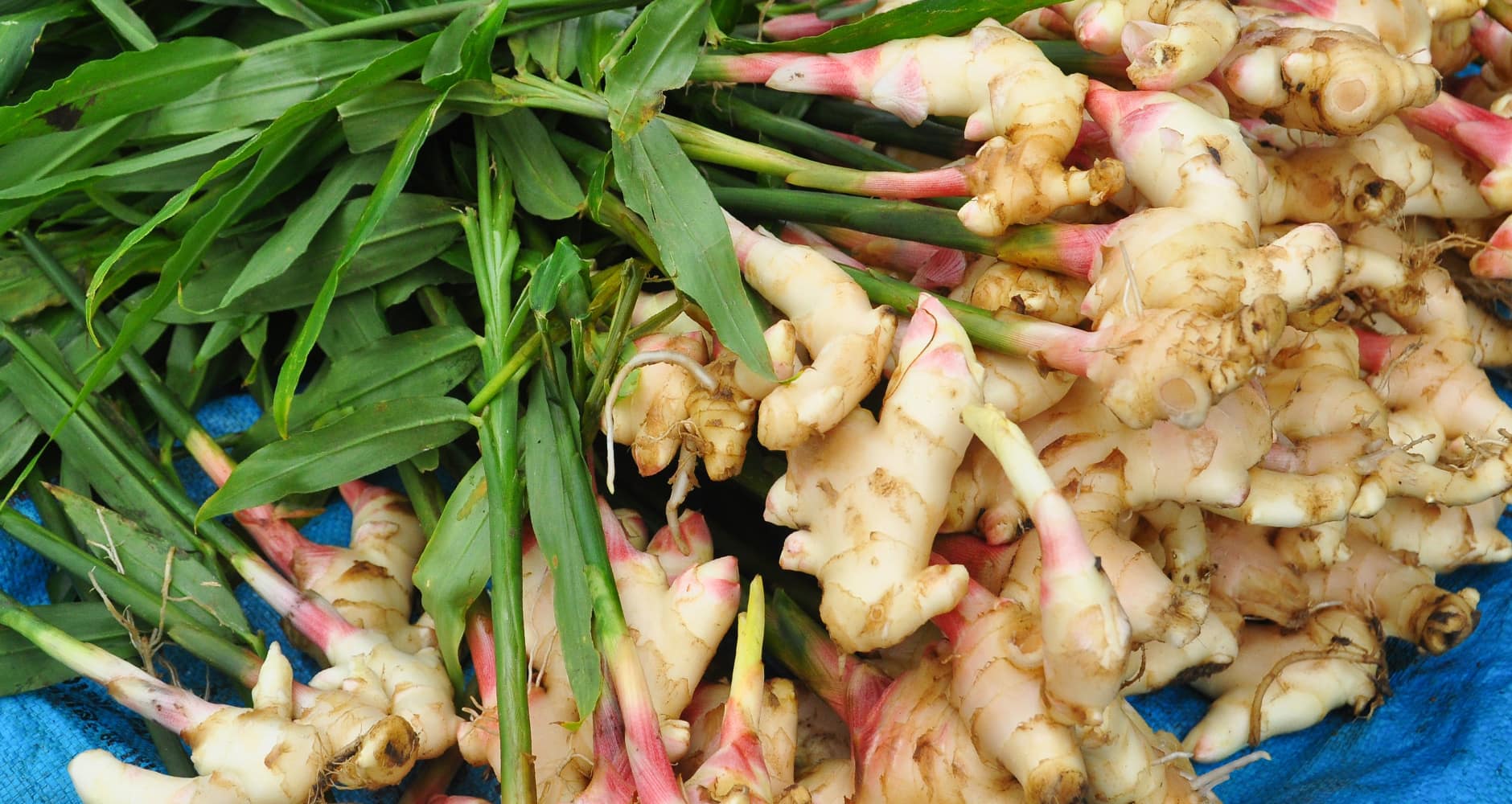
Ginger (Zingiber officinale) and turmeric (Curcuma longa) are related plants that grow from rhizomes. You can actually plant the rhizomes you find in the grocery store. Look for ones that are plump and have several bumpy nodes on them. If the rhizomes are large, cut them apart so that each chunk has a few nodes on it. Help the sprouting process along by soaking the rhizomes in water for a couple of hours before planting. Ginger and turmeric may be planted in containers or in-ground. Both plants need regular, consistent moisture to thrive. Do not situate them in direct sunlight, since part shade is best.
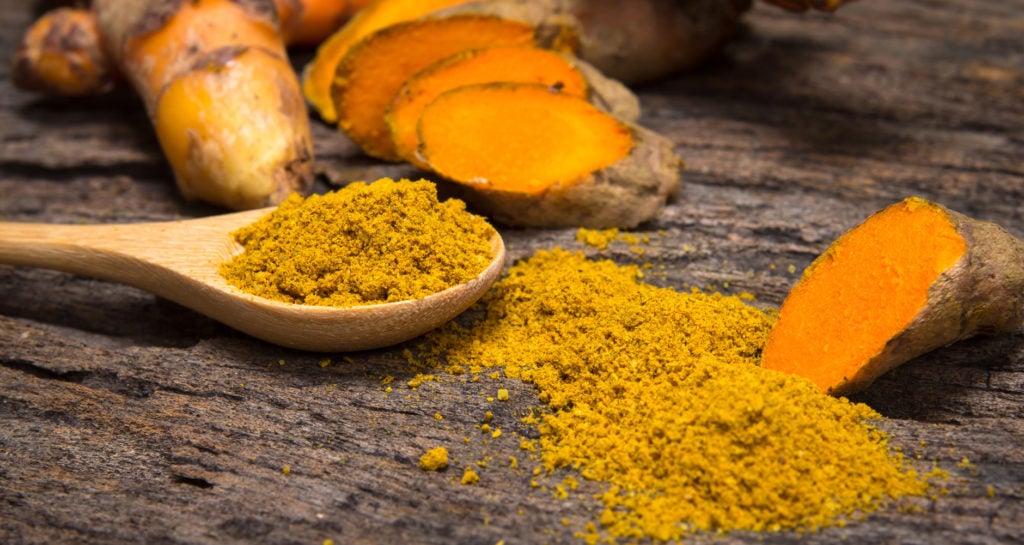
Ginger and turmeric are very slow growing. It can take 8 to 10 months before the plants may be dug out for harvest. In warm climates (U.S. Hardiness Zone 8 or higher), the plants overwinter in-ground. If you do not harvest all of the rhizomes in late autumn, the plants keep producing rhizomes for successive years. In cooler climates with short growing seasons, it is best to grow the plants indoors to ensure a successful harvest. For long-term storage, the rhizomes may be peeled, chopped, and frozen. Ginger and turmeric are delicious as teas or used in curries and many Asian dishes. Try this recipe for Golden Milk!
Although bringing plants to seed in order to use them as spices takes patience, you can save money by growing your own, and the delicious fresh flavor cannot be beat in the kitchen.
Spice Planting and Harvest at a Glance
Each spice has its own timing, its own soil preference, and its own part of the plant you actually harvest. Here is the quick comparison, side by side.
| Spice | How You Grow It | Time to Harvest | What You Harvest |
|---|---|---|---|
| Cumin | Sow direct, full sun, regular moisture | About 3 to 4 months | Brown seeds in autumn |
| Fennel | Sow direct, sunny, well-drained soil | Through summer into seed | Seeds (and edible bulb) |
| Fenugreek | Sow direct after frost, compost-amended soil | Seedpods in early autumn | Seeds by hand |
| Mustard | Sow early spring, cannot take heat | Seed pods late summer to early autumn | Seeds, air-dried 2 weeks |
| Ginger | Plant rhizomes, part shade, steady moisture | 8 to 10 months | Rhizomes (roots) |
| Turmeric | Plant rhizomes, part shade, steady moisture | 8 to 10 months | Rhizomes (roots) |
Gardening by the Moon for Spices
Traditional Gardening by the Moon wisdom splits the work in two. Crops you grow for the part that forms above ground, like the seeds of cumin, fennel, fenugreek, and mustard, go in during the light, or waxing, of the Moon. Root crops go in during the dark, or waning, of the Moon. Ginger and turmeric grow from rhizomes below the soil, so they count as root crops.
- Seed spices like cumin, fennel, fenugreek, and mustard favor the light of the Moon.
- Ginger and turmeric are root crops, so favor the dark of the Moon.
- The Gardening by the Moon Calendar lists this month’s Best Days to plant aboveground and root crops in your area.

Companion Plants for Your Spice Garden
Cumin, fennel, and fenugreek all belong to families that draw pollinators once they flower, so they earn their keep in a mixed bed. Fennel is the one to watch, since it can crowd or stunt nearby vegetables and tends to grow best off on its own. Mustard is in the cabbage family and works well as a quick cover crop between rows. For a fuller pairing chart before you lay out the beds, see our companion planting guide.
Easy Yellow Mustard Recipe
Ingredients:
1/2 cup dried mustard seeds
1/2 cup white wine
1/3 cup white wine vinegar
1 teaspoon ground turmeric (optional, but adds a nice yellow color)
1 tablespoon sugar
Directions:
Combine all ingredients in a stainless steel bowl. Cover and let stand for 2 to 3 days.
Pour the mixture in a blender and blend until smooth, but a little grainy. If the mustard is too thick, add water, a tablespoon at a time, until it reaches the thickness you want. It keeps up to 6 months in the refrigerator in an airtight container.

Be sure you check out our Gardening Calendar to find out which days are best for growing aboveground and root crops. The University of Minnesota Extension also keeps a plain-English guide to growing herbs at home that pairs well with a spice patch.
Growing Spices: Frequently Asked Questions
What spices are easiest to grow at home?
Cumin, fennel, fenugreek, and mustard are all easy to grow from seed sown directly in the garden, and ginger and turmeric grow from rhizomes you can buy at the grocery store. All 6 need sun or part shade, well-drained soil, and steady moisture while the plants develop.
How long does it take to grow your own spices?
It depends on the spice. Cumin goes to seed in about 3 to 4 months, while mustard, fennel, and fenugreek set seed by late summer or early autumn. Ginger and turmeric are the slow ones, taking 8 to 10 months before the rhizomes are ready to dig.
Can you grow ginger and turmeric from grocery store roots?
Yes. Choose rhizomes that are plump with several bumpy nodes, cut large ones so each chunk has a few nodes, and soak them in water for a couple of hours before planting. Give them part shade and steady moisture, and harvest in 8 to 10 months.
Should I start spice seeds indoors or sow them directly?
Sow them directly. Cumin, fennel, fenugreek, and mustard do not stand up well to transplanting, so seed them right in the garden. In cooler climates with short seasons, ginger and turmeric are the exception, since growing those rhizome plants indoors helps ensure a harvest.
When can I plant fenugreek and mustard?
Direct-seed fenugreek once all danger of frost has passed, since young plants cannot tolerate transplanting, and it is a perennial in U.S. Hardiness zones 8 to 11. Mustard goes in early in the spring, as soon as the ground can be worked, because it bolts in heat.
Does Gardening by the Moon apply to spices?
Traditionally, yes. Seed spices like cumin, fennel, fenugreek, and mustard are planted in the light of the Moon, while ginger and turmeric, which grow from underground rhizomes, are treated as root crops and planted in the dark of the Moon. It costs nothing to try alongside good soil and proper timing.

Sheryl Normandeau
Sheryl Normandeau, BA, is a Master Gardener and writer from Calgary, Alberta, Canada. Her articles and short stories have appeared in several international publications. She is the co-author (with Janet Melrose) of the Guides for the Prairie Gardener series.
- Sheryl Normandeau

- Sheryl Normandeau
- Sheryl Normandeau
- Sheryl Normandeau

I have grown cilantro but it flowered before I picked it. Can I still use the leaves in cilantro recipes or will the taste be different now? No coriander seeds yet just the white flowers. In the future should I pinch off ends before the flowers bloom?
Hi Deborah, unfortunately, when cilantro bolts, the leaves start to lose their flavor. Your best bet is to let the plant go to seed and use the seeds for another spice – coriander! Take a look: https://www.farmersalmanac.com/one-plant-two-flavors-how-to-grow-cilantro-and-coriander-21823