

Halloween Superstitions and Symbols: 8 Old Rules Still in Circulation
These Halloween legends and superstitions are frightfully fascinating!
Quick Reference
- Halloween 2026 falls on: Saturday, October 31.
- The blue-flame candle: a candle burning blue on Halloween night is said to signal a ghost is nearby.
- Silent supper: speaking during Halloween dinner is said to invite spirits to the table.
- Rosemary and a silver coin: tucked under the pillow, said to show a single woman her future husband in a dream.
- Jack O’Lantern origin: the Irish tale of a miser named Jack, refused entry to both heaven and hell, condemned to wander with a coal in a hollowed turnip.
- Reality check: Halloween is the second-biggest US retail holiday after Christmas. Americans spent $12.2 billion on it in 2023, per the National Retail Federation.
Halloween is full of legends and scary stories, and most of them started as farm-country folklore long before the candy aisle. The following are some of the older Halloween superstitions and symbols that show up again and again in almanac tradition. How many of these have you heard? Halloween 2026 falls on a Saturday (October 31), which means a full night of trick-or-treating and, if the old rules mean anything to you, a full night for these customs too.
Where Halloween Superstitions and Symbols Came From
Modern Halloween traces to Samhain, the Celtic festival that marked the end of harvest and the start of winter’s dark half. According to Britannica, Samhain was observed on the night of October 31, when the boundary between the living and the dead was believed to thin. That single idea, that the veil is at its thinnest tonight, is the seed of nearly every Halloween superstition on this list. The blue flame, the silent supper, the search for a future spouse, and the carved lantern all trace back to it in one way or another. When the customs crossed the Atlantic with Irish and Scottish immigrants in the 1800s, the turnip lantern became a pumpkin (they were easier to carve), and the practices bent to fit an American harvest calendar. The core rules stayed intact.
Have You Heard Of These 4 Halloween Superstitions and Symbols?
1. Blue Light
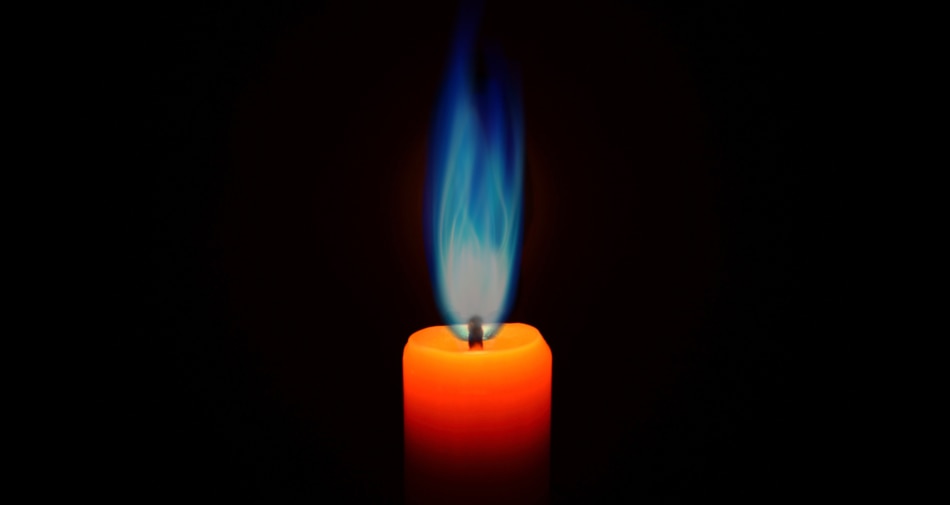
Watch out for ghosts. The belief is that if a candle’s flame turns blue on Halloween night, a ghost is near. The rule shows up in old New England accounts and in Irish and Scottish folk tales, both of which held that Samhain evening was the one night of the year when spirits could walk close enough to living rooms to disturb a wick. (The physics is simpler: a blue flame usually just means the wax is burning hot and clean. Do not let that stop the story.)
2. Shhh… No Talking
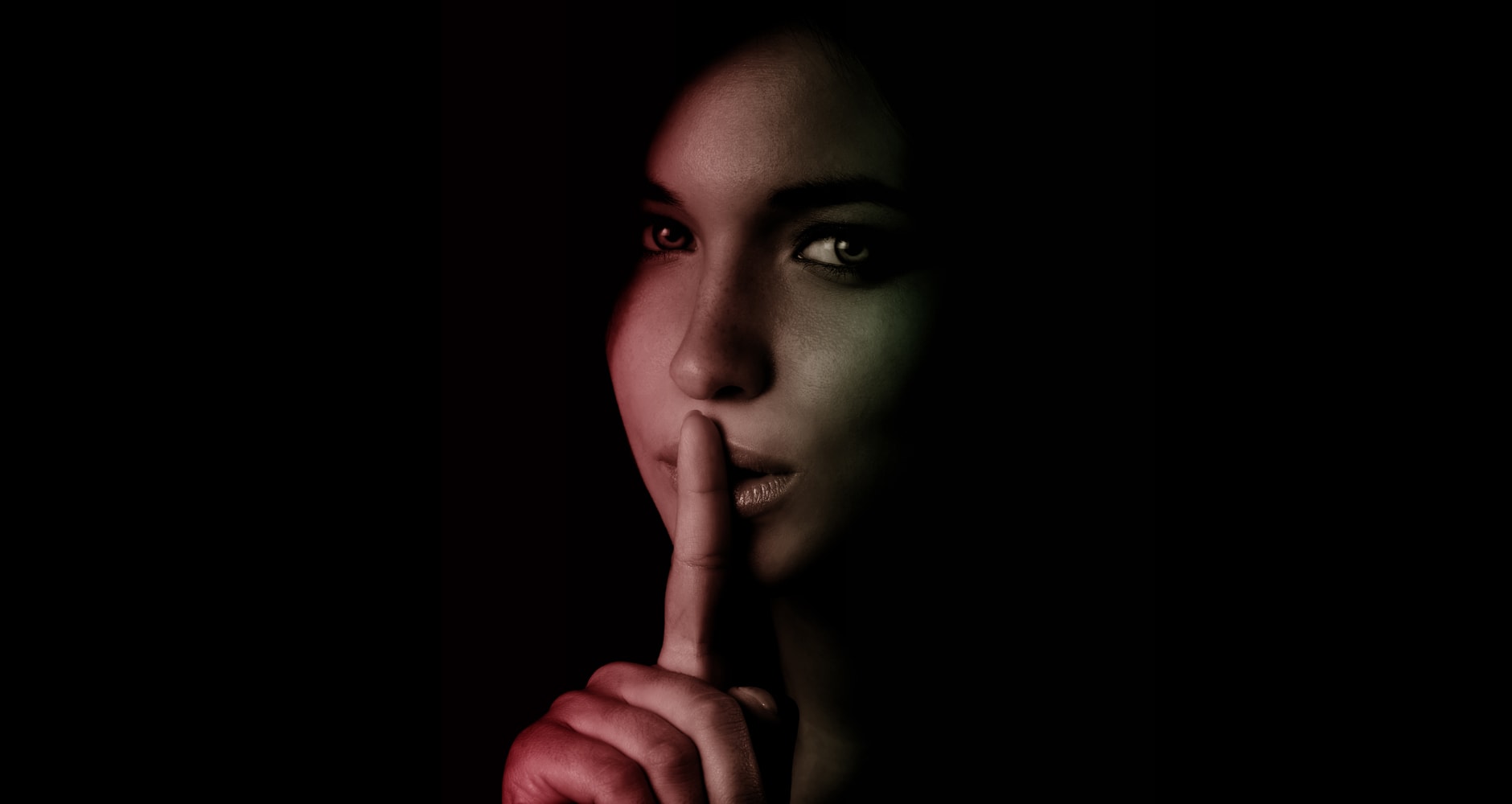
On Halloween night, nobody is supposed to speak during dinner. If someone does, it is believed to encourage the spirits to come to that table. This one has a name in Appalachian and Ozark tradition: the “dumb supper” (dumb here meaning silent, not stupid). A place is often set for the departed. Diners eat in reverse, dessert first, and every word is thought to hold the door open for anyone who wants to walk through it.
3. Husband Search
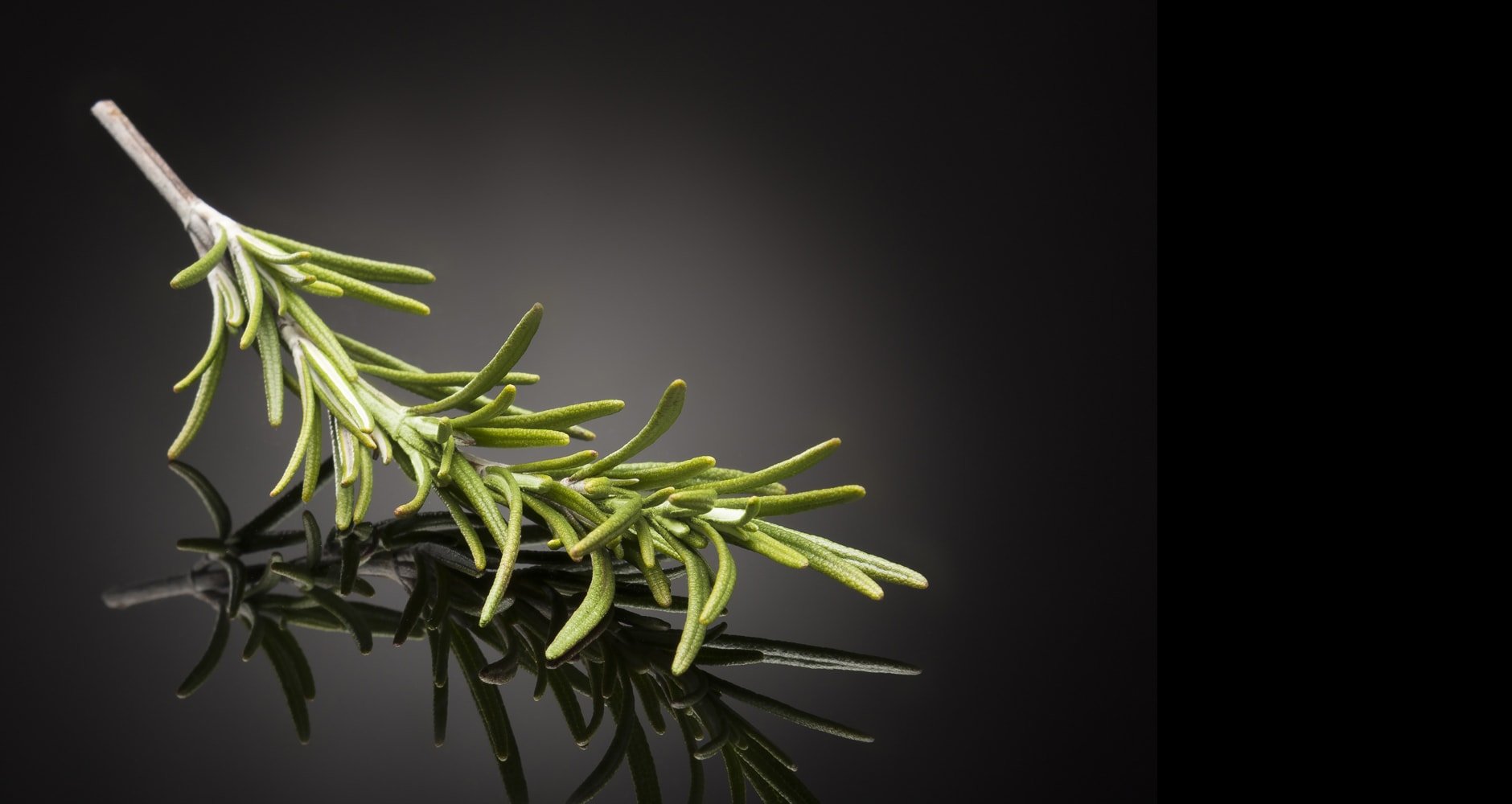
According to some tales, if, on Halloween night, a single woman puts a sprig of rosemary and a silver coin under her pillow, she will see her future husband in a dream. Rosemary carries a long folk association with memory and fidelity, and silver has always been the metal you trust when you cannot trust anything else, which is why so many old Halloween charms use both.
4. Jack O’Lanterns
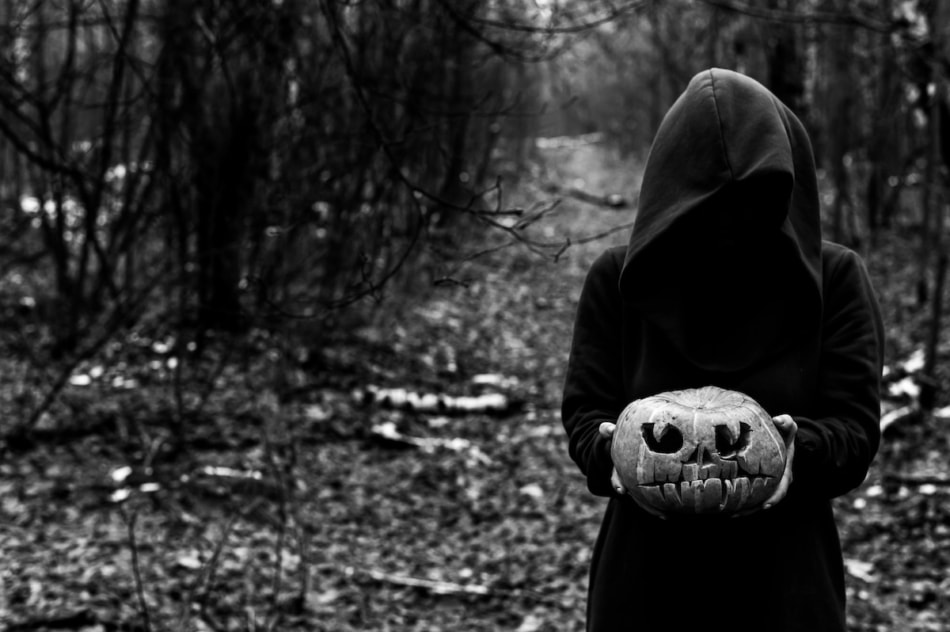
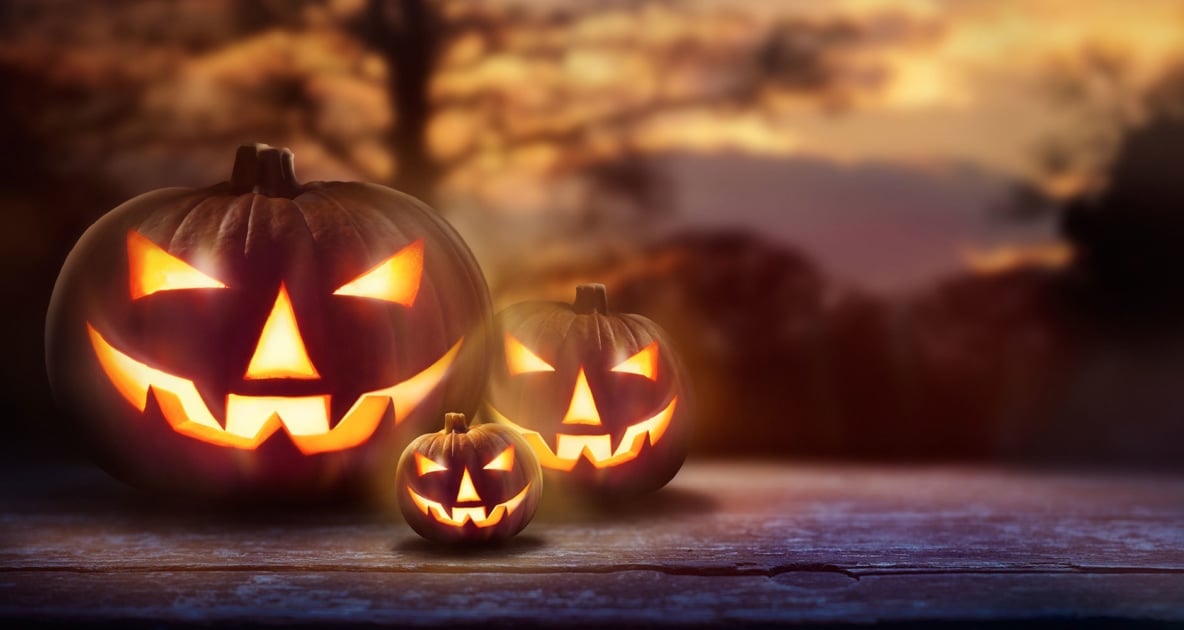
According to Irish legend, there was a miserly old drunkard named Jack who, accepted in neither heaven nor hell, was forced to wander the earth with a lump of coal from hell stuck in a turnip to light his way. That is the origin of “Jack O’Lantern.” When Irish immigrants arrived in the US in the 19th century, they swapped the turnip for the far bigger, softer American pumpkin, and the jack-o’-lantern as we know it was born.
4 More Halloween Superstitions and Symbols Still in Circulation
- Black cats crossing your path: feared in the American superstition tradition since colonial times, but considered good luck in the British Isles and in old Egyptian belief. Same animal, opposite verdicts.
- Bats around the house: a bat flying inside on Halloween is said to be bad luck. If it circles the house three times, older almanac lore warns of a death in the family. (Bats hunt insects near porch lights, which is likely the whole story.)
- Broomsticks and witches: the flying-broomstick image is traceable to medieval European folklore; the broom itself doubled as a household protection charm, hung bristles-up above the door to sweep away bad spirits.
- Apple bobbing: the Halloween game began as a Roman-Celtic divination rite. The first person to bite an apple was said to be the first to marry the next year.
A Quick Halloween Forecast for 2026
The Farmers’ Almanac long-range forecast for late October 2026 calls for a chilly, changeable close to the month across the eastern US, with the possibility of a wet trick-or-treat night in the Ohio Valley and Northeast. The moon on October 31, 2026 will be in a waxing gibbous phase (a few days past first quarter), which gives you enough moonlight to see silhouettes but plenty of shadow between them. In folk terms, that is a strong night for the customs above. Silver, rosemary, and a candle you can watch closely.

Halloween Superstitions and Symbols FAQ
What day does Halloween fall on in 2026?
Halloween 2026 falls on Saturday, October 31. The moon that night will be waxing gibbous, a few days past first quarter, which gives you moonlight without the glare of a full moon.
Why do we carve pumpkins instead of turnips?
In Ireland and Scotland, the original jack-o’-lantern was carved from a turnip or a large potato. When Irish immigrants arrived in the US in the 1800s, they discovered the American pumpkin was larger, softer, and much easier to carve. The switch was practical, not symbolic, but the pumpkin stuck.
Is a black cat really bad luck on Halloween?
Depends who is telling the story. American colonial folklore treated a black cat crossing your path as bad luck. British Isles tradition and older Egyptian belief treated the same animal as protective and lucky. The animal did not change. The listener did.
What is a dumb supper?
An Appalachian and Ozark tradition of eating Halloween dinner in silence, sometimes in reverse (dessert first), with a place set for the departed. It is the folk expression of the “no talking at dinner” rule and is thought to open a channel for family spirits to visit.
Where do Halloween superstitions actually come from?
Nearly all of them trace to Samhain, the ancient Celtic festival held October 31 that marked the end of harvest and the thinning of the veil between the living and the dead. The customs traveled with Irish and Scottish immigrants to the US in the 19th century and adapted to the American harvest year.
Do people still practice these Halloween superstitions?
A surprising number do, at least loosely. The dumb supper is still observed in parts of Appalachia and by modern pagan groups. Silver-and-rosemary charms show up in almanac letters every October. And the pumpkin lantern, of course, is on nearly every porch.
Is Halloween the biggest holiday for spending in the US?
Second biggest after Christmas. The National Retail Federation reported Americans spent about $12.2 billion on Halloween in 2023, covering costumes, decor, candy, and greeting cards.

This article was published by the Staff at FarmersAlmanac.com. Any questions? Contact us at [email protected].
- Farmers' Almanac Staff

- Farmers' Almanac Staff

- Farmers' Almanac Staff

- Farmers' Almanac Staff

Halloween is my favorite holiday and I also like fall. I love writing Halloween stories.
Not necessarily a Halloween superstition but one probably everyone has heard, if a black cat crosses in front of you make an X mark and turn around and go the other way. Halloween and Autumn are my favorite times of the year.
Hi Gary, That’s a good one! Thanks for sharing.
Bah, Humbug! We should concentrate on All Saints Day, November 1. Our Republic needs more All Saints Days.
Samhain as well.
Jack must have been a very bad man!?