How to Keep Your House Cool Naturally During a Heat Wave

As we head into the tail end of summer, it might be tempting to throw in the towel and run your home’s air conditioning at full blast after getting home from back-to-school shopping or returning from the farmers market. But those of us who run budget-minded and environmentally conscious households may be looking for other ways to beat the heat. Fortunately, there are plenty of simple tricks that can help keep your home comfortable without running up the electric meter.
When August heat settles in, it’s easy to reach for the air conditioner and leave it running around the clock. But before modern air conditioning became commonplace, people relied on shade, airflow and careful timing to keep their homes comfortable. Many of those techniques still work today.
Whether you’re trying to lower your energy bill, give your air conditioner a break or simply make the house more comfortable during a heat wave, a few small changes can make a noticeable difference.
Keep the Sun Out
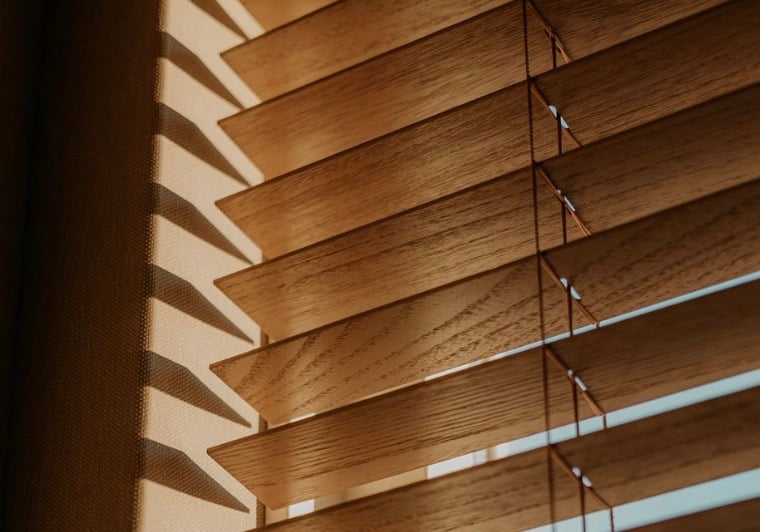
One of the easiest ways to prevent a house from overheating is to keep sunlight from coming inside in the first place. Close curtains, blinds or shades on windows that receive direct sunlight, particularly on the south- and west-facing sides of the house.
Exterior shade can be even more effective. Awnings and shutters can help block the sun while also adding some character to your home’s exterior. If you would rather employ nature’s solution, consider planting shade trees in strategic places to block the sun’s rays before they reach your windows. Obviously, this is more of a long-term project, but it can pay dividends in the years to come.
Deciduous trees are a great option because they block the sun during the summer while allowing sunlight through in the autumn and winter after their leaves fall.
Open Windows at the Right Time
Counterintuitively, opening every window during a heat wave isn’t always a good idea. Depending on the time of day, open windows can actually bring more heat into the house than they let out.
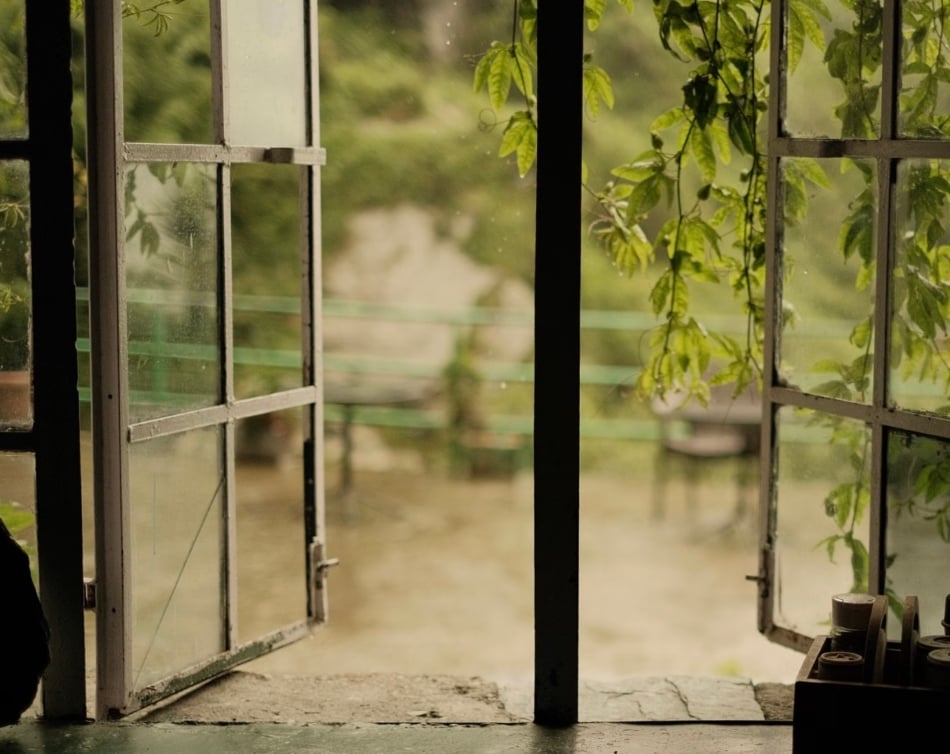
If temperatures drop after sunset, open windows on opposite sides of the house to create cross-ventilation. Cool nighttime air can help flush out the heat that accumulated indoors during the day. Close the windows and shades again in the morning before outdoor temperatures begin to climb.
While a bit more tedious than simply adjusting your thermostat, this routine was standard practice before modern air conditioning became ubiquitous. It remains an effective low-tech way to manage indoor temperatures when conditions are favorable.
Put Your Fans to Work
Fans don’t actually lower the temperature of a room, but they can make people feel considerably cooler by increasing air movement across the skin.
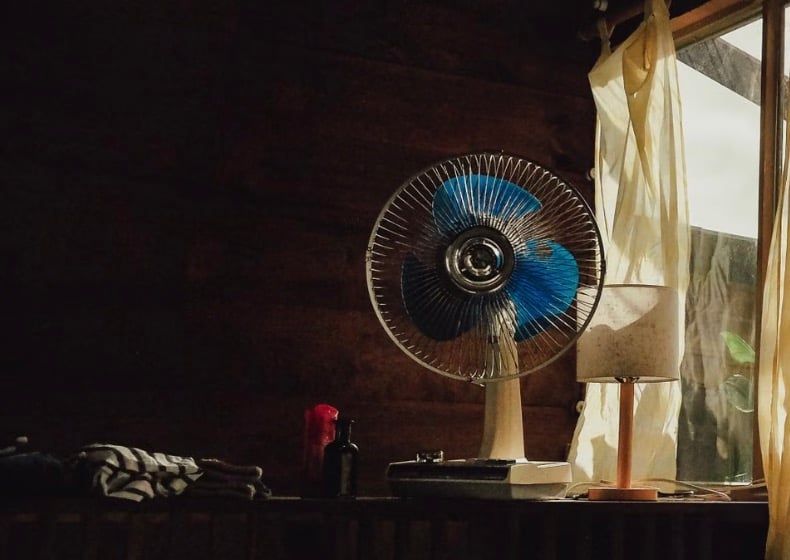
Ceiling fans are a great solution in warm weather, pushing air downward and creating a cooling breeze. Just remember to turn them off when you leave the room. Fans cool people, not the room itself.
Box fans and window fans can also be useful alternatives to air conditioning. If the outdoor air is cooler than the air inside, place one fan in a window facing outward to exhaust hot indoor air and another on the opposite side of the house to draw in cooler outdoor air. This works particularly well overnight when outdoor temperatures drop.
Close Off Hot Rooms
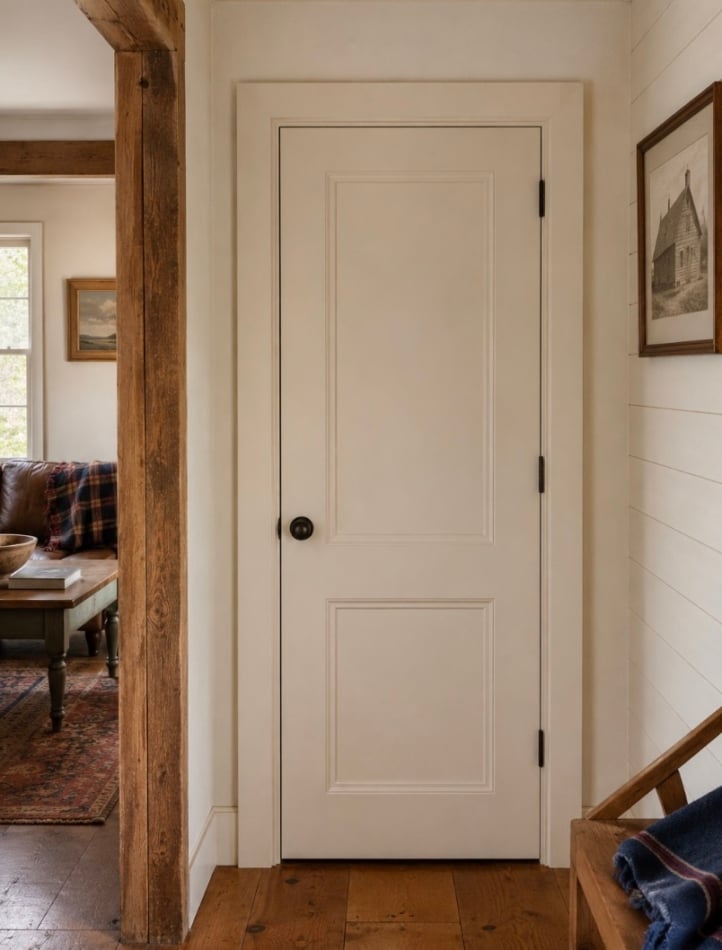
Some rooms naturally collect more heat than others. These rooms should be kept closed if possible. Kitchens have a habit of becoming warm after cooking, while upstairs bedrooms tend to heat up as warm air rises. If you have rooms that aren’t being used, keep their doors closed to limit the amount of warm air circulating through the rest of the house.
If your kitchen really puts off a ton of heat, consider firing up the outdoor grill or using a slow cooker to make meals during a heat wave. Depending on the size and layout of your home, avoiding the oven can help keep temperatures down in the rest of the house.
Don’t Add Unnecessary Heat
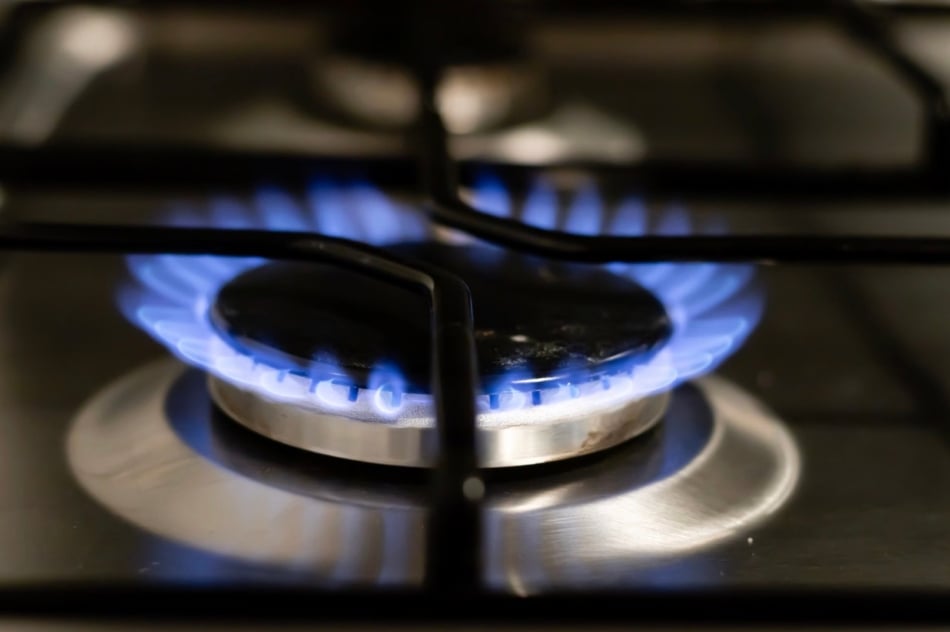
A variety of household appliances produce enough excess heat to affect your home’s overall temperature, so be mindful of how and when you use them when the mercury is pushing through the roof.
Ovens, dryers, incandescent bulbs and even a computer tower running all day can contribute small amounts of heat to your home. During a heat wave, consider running heat-producing appliances during the cooler morning or evening hours.
Switching to LED bulbs is another easy improvement. LEDs use less energy and produce considerably less waste heat than traditional incandescent bulbs.
Make the Most of Your Basement
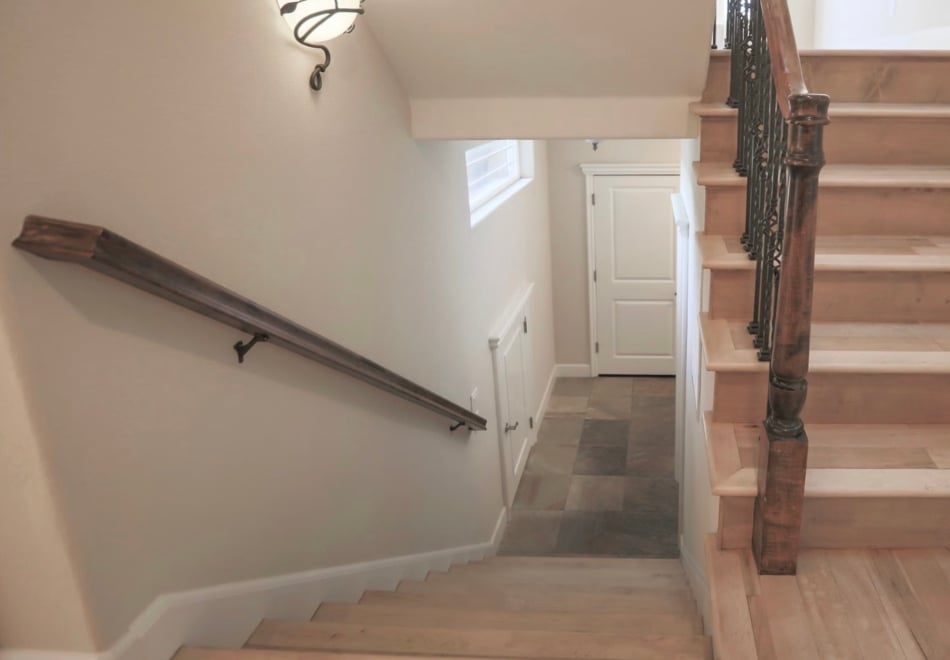
Basements tend to be cooler than the rest of the house because they are below ground and surrounded by soil, which tends to stay relatively cool. Many basements are also built primarily from concrete, which can absorb and retain heat.
Warm air rises, while cooler air settles toward the lowest levels of the house. Retreating to the basement rather than immediately turning on the air conditioner can therefore be a time-honored way to stay comfortable during a heat spell.
Keep the Attic From Becoming an Oven
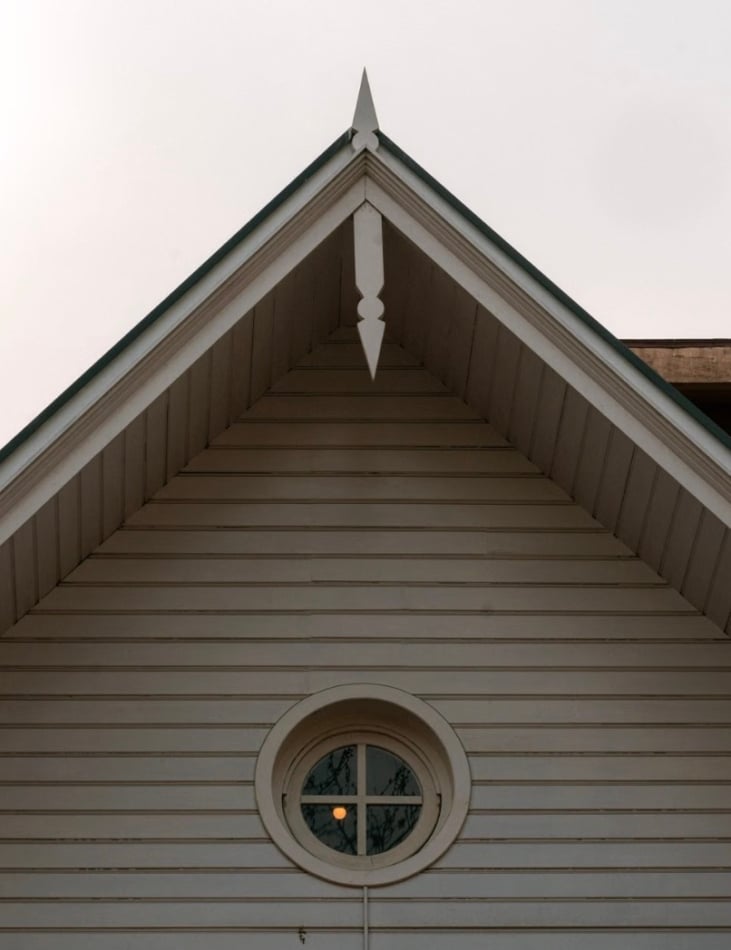
A hot attic can make the rooms below it considerably warmer, so proper attic insulation can help keep the livable spaces in your home cooler. Adequate ventilation also allows hot air trapped in the attic to escape.
Attic vents, soffit vents and ridge vents can work together to keep air moving through the roof space. If your attic routinely becomes extremely hot, improving insulation and ventilation can be well worth the investment.
Sometimes the Old Ways Still Work
Air conditioning is truly a modern wonder, but it hasn’t always been available. For generations, people found clever ways to keep their homes comfortable using shade, airflow and good timing.
You don’t have to give up air conditioning altogether to benefit from these old-fashioned methods. Even simple changes, such as closing the blinds during the hottest part of the day, opening the windows at night or using a fan strategically, can take some of the pressure off your air conditioner and your electric bill.


- Farmers' Almanac Staff

- Farmers' Almanac Staff
- Farmers' Almanac Staff
- Farmers' Almanac Staff