

What Are the Dog Days of Summer?

Quick Reference: The Dog Days of Summer
- The window: July 3 to August 11 every year. The 20 days before and 20 days after Sirius rises with the Sun.
- The name: Latin diēs caniculārēs, the “dog star days,” after Sirius, the brightest star in the sky and the eye of Canis Major.
- What the Romans thought: Sirius added extra heat to the Sun. They were wrong about the cause, right about the heat.
- What actually drives the heat: Earth’s axial tilt. The Northern Hemisphere is angled toward the Sun, so the rays hit more directly and stay longer.
- Why August is hottest, not the solstice: “thermal lag.” Oceans and ground take weeks to warm; peak temperatures arrive a month after peak daylight.
- Folk wisdom: dog days were once blamed for madness, fevers, and bad luck. Today, they are mostly a reason to nap in the shade.
The Dog Days of summer run July 3 to August 11 each year. They are usually the hottest and most unbearable days of the season. We often hear about the “Dog Days” of summer, but few know where the expression originated. Some think it is a reference to hot, sultry days “not fit for a dog.” Others suggest it is the time of year when the extreme heat drives dogs mad. But where does the term come from, and what does it have to do with dogs? You may be surprised to find it has more to do with the stars than with kennels. The Britannica entry on the Dog Days traces the phrase to the second-century writings of Hesiod and Homer.
The “Dog Days” Expression Explained
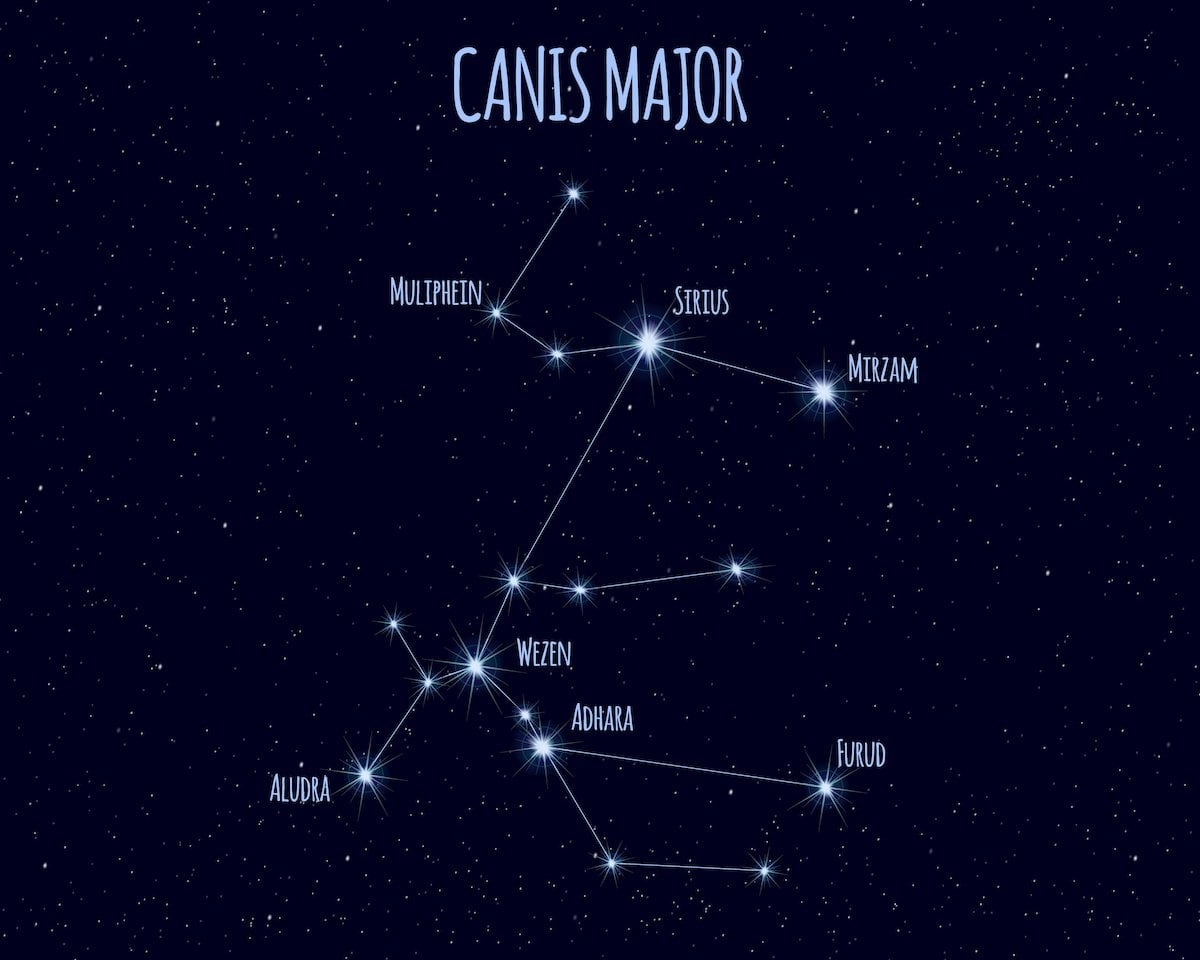
The phrase is a reference to Sirius, the Dog Star. During the “Dog Days” period, the Sun occupies the same region of the sky as Sirius, the brightest star visible from any part of Earth. Sirius is part of the constellation Canis Major, the Greater Dog.
In the summer, Sirius rises and sets with the Sun. On July 23 specifically, it is in conjunction with the Sun, and because the star is so bright, the ancient Romans believed it actually gave off heat and added to the Sun’s warmth, accounting for the long stretch of sultry weather. They referred to this time as diēs caniculārēs, or “dog days.”
The term Dog Days of Summer came to mean the 20 days before and 20 days after this alignment of Sirius with the Sun, July 3 to August 11 each year. The dates have drifted slightly over centuries because of axial precession (the slow wobble of Earth’s axis), so the literal Sirius conjunction now lands a few days later than it did in Roman times. The folk calendar held the original dates.
Summer Heat Is Due to the Earth’s Tilt
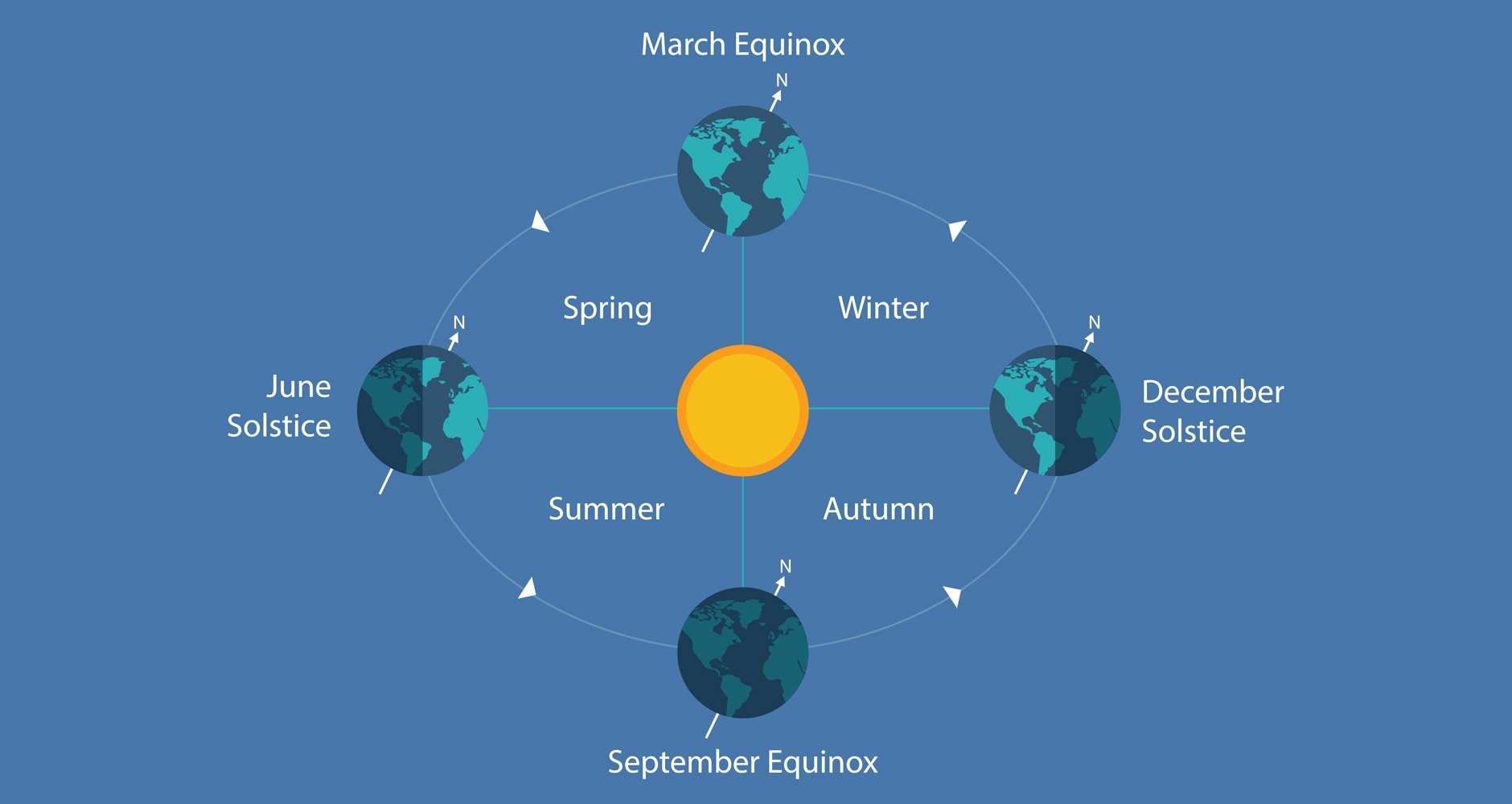
While this period usually is the hottest stretch of summer, the heat is not due to any added radiation from Sirius, regardless of its brightness. The heat of summer is simply a result of the Earth’s tilt.
During summer in the Northern Hemisphere, the tilt of the Earth causes the Sun’s rays to hit at a more direct angle, and for a longer period of time throughout the day. That means longer, hotter days. The kicker: it takes weeks for the oceans and the land surface to warm up, so peak temperatures arrive in late July or early August, not on the solstice itself. Meteorologists call that “thermal lag,” and the Dog Days happen to land right in its sweet spot.
Dog Days Around the World
| Language | Term | Literal sense |
|---|---|---|
| Latin | dies caniculares | Days of the little dog, the root of every term below |
| German | Hundstage | Dog days |
| Dutch | hondsdagen | Dog days |
| French | canicule | From canicula, little dog. Now the everyday word for a heatwave |
| Spanish | canícula / días de perros | Little dog / dog days |
| Italian | canicola / giorni da cani | Little dog / dog days |
| Swedish | rötmånaden | The rot month, named for what the heat did to food |
| Finnish | mätäkuu | The rot month, the same idea as the Swedish |
How to Survive the Dog Days
- Move outdoor work to dawn or dusk. Solar noon is the worst window; the hottest air temperature actually lags two hours after.
- Hydrate before you feel thirsty. Thirst is a late signal in heat. Water with a pinch of salt, electrolyte tabs, or coconut water all work.
- Keep pets indoors during the worst hours. Pavement that registers 125°F burns paw pads in under a minute.
- Watch evening storms. Heat and humidity feed afternoon thunderstorms. The first sign is towering cumulus on the western horizon by 3 p.m.
- Time the garden watering. Early morning is best. Mid-day water evaporates before it reaches the roots; evening water sits on leaves and invites fungal disease.

Dog Days FAQ
When are the Dog Days of Summer?
July 3 to August 11 each year. The 40-day window centered on July 23, when Sirius, the Dog Star, is in conjunction with the Sun.
Why are they called Dog Days?
From the Latin diēs caniculārēs, “dog star days,” after Sirius. Sirius is the brightest star in the night sky and sits in the constellation Canis Major, the Greater Dog. The Romans tied the hot stretch to the star’s apparent rise with the Sun.
Does Sirius actually add heat to Earth?
No. The summer heat comes entirely from the angle of the Sun on a tilted Earth. Sirius is roughly 8.6 light-years away. The Romans got the connection wrong, but their timing was good.
Why is August hotter than June, when the days are longer in June?
Thermal lag. The ground and oceans absorb energy slowly through June and July, so peak temperatures arrive a month or so after peak daylight. The Dog Days sit right in that lag window.
Are the Dog Days the same in the Southern Hemisphere?
No. South of the equator, July to August is winter. Sirius still rises with the Sun, but it does not signal heat. The phrase is a Northern Hemisphere folk calendar.
What did ancient cultures believe about the Dog Days?
Mostly bad luck: madness, fevers, soured wine, lethargy, even rabies in dogs. Ancient Egypt was the exception, where Sirius’s heliacal rising signaled the life-giving Nile flood.
Will the Dog Days always be in July and August?
Not forever. Because Earth’s axis wobbles slowly (precession), the conjunction of Sirius and the Sun is drifting later by about one day every 70 years. In several thousand years, the literal Dog Days will be in autumn.
What do the “Dog Days” of summer mean to you? If you plan to take a vacation during this time, read some of our great ideas to stay cool: can basil seeds keep you cool?, Sirius, the Dog Star, and why there are more stars in the winter sky.



This article was published by the Staff at FarmersAlmanac.com. Any questions? Contact us at [email protected].
- Farmers' Almanac Staff

- Farmers' Almanac Staff

- Farmers' Almanac Staff

- Farmers' Almanac Staff


The above chart displaying seasons should say Northern Hemisphere and also display the seasons of the Southern Hemisphere as diametric opposites the seasons of which never occur simultaneously. Thus, global warming is proven to be a fraud.
My dog has it messed up. She goes out and lays in the sun and the dog days of summer thinking that’s where she should lay. Being a Siberian husky the heat of the sun may never reach her skin because of her coat, maybe that’s why it doesn’t bother her.
My mom wouldn’t let me go to the pool during this time. The time of the year it’s the hottest and no pool!
No pool time
When we were children we were told “dog days” were when it was so hot in summer that a dog wouldn’t sleep on a porch but would sleep under it where it was cooler.
Animal with less work us is better
July 8
We were told snakes were blind during dog day and would strike at anything.
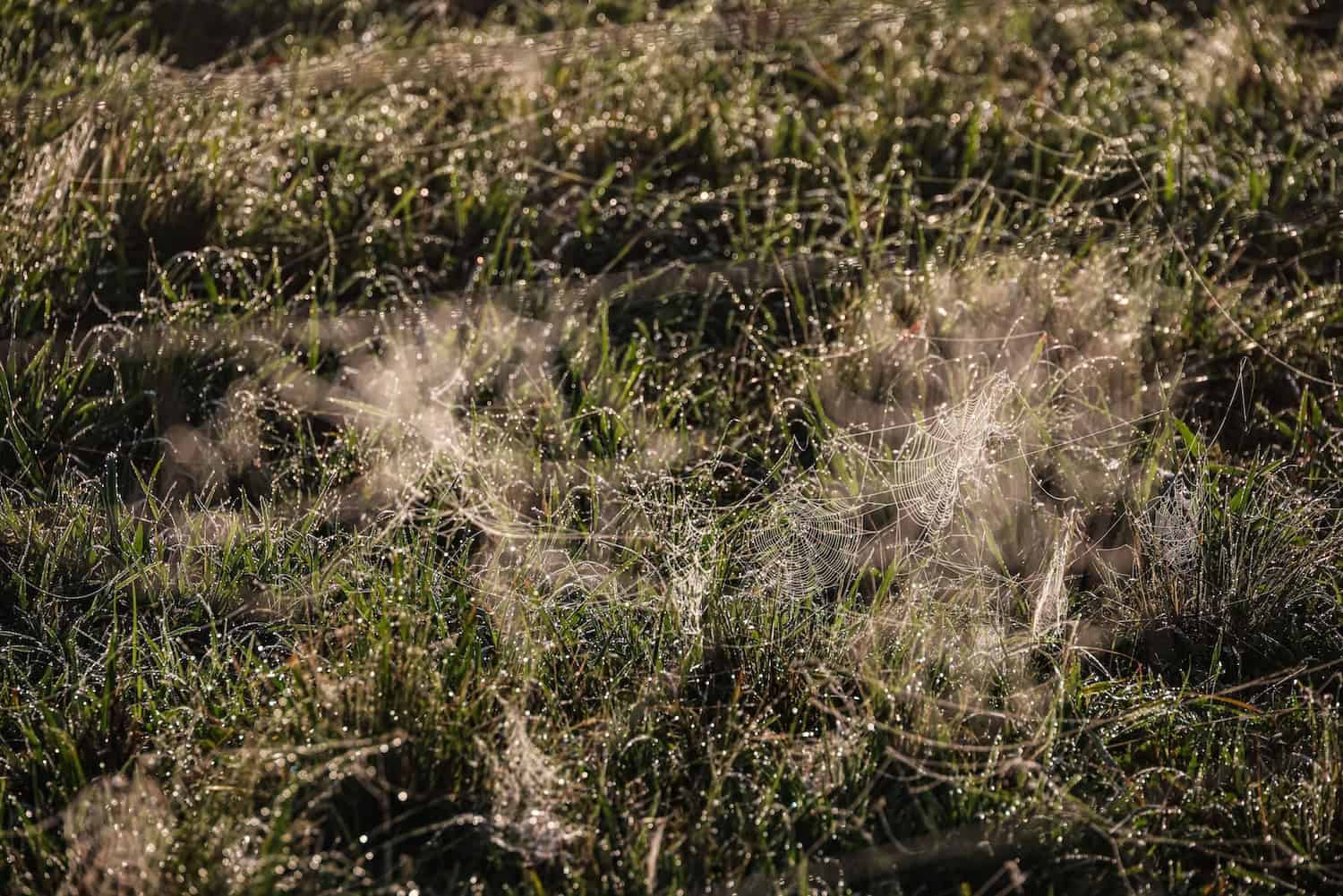
I was a barefoot little boy living on a farm with my grandparents in North Alabama. My grandma told me to never walk barefoot in wet grass during dog days. I, of course, didn’t listen and walked after a rain and morning dew in the grass. I got a few painful sores between my toes before I did as she said. This was in the early 50s.
I was raised to know the dog days were a time when sores would not heal fast. Old wives tales were ground into us.
Me too
That is true. Even a insect will fester into a sore and will take longer to heal. So things passed down from older generations were factual
I have a toe that is constantly draining and will not heal, I wonder if that is why it don’t heal.