

Light of the Moon vs Dark of the Moon: The Folklore Rule, Explained
Ever wonder what is meant by the "light of the moon," or the "dark of the moon?"
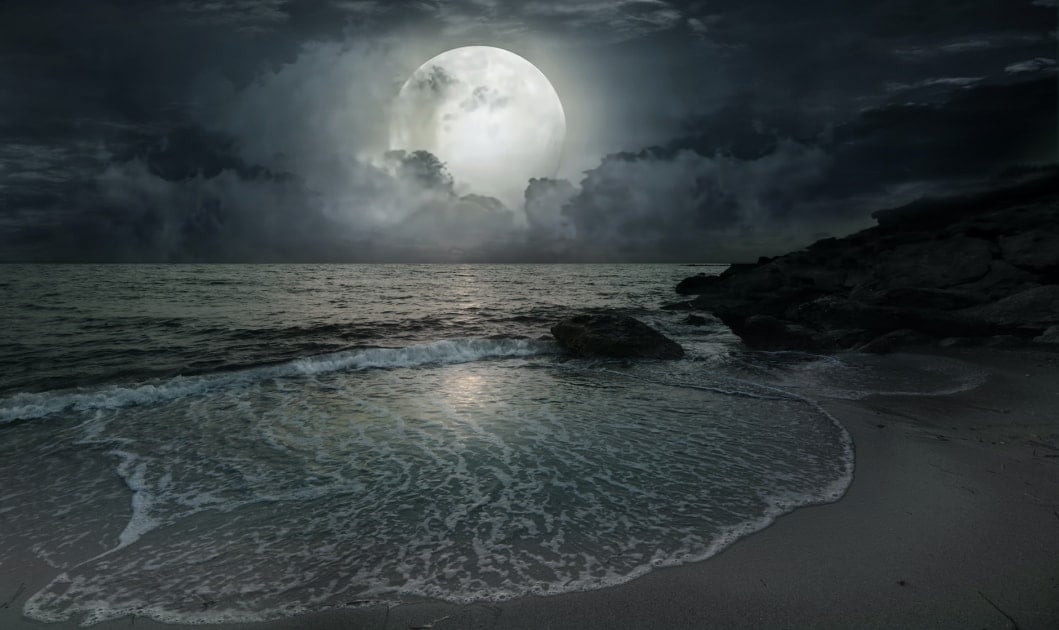
Quick Reference: Light and Dark of the Moon
- Light of the moon: new moon to full moon (waxing). Days getting more lit each night.
- Dark of the moon: full moon to new moon (waning). Days getting darker each night.
- Best for above-ground crops: light of the moon (the upward energy).
- Best for root crops: dark of the moon (the downward energy).
- Best for harvesting and storing: dark of the moon (lower sap activity, longer shelf life).
- Tool: the Almanac’s Best Days calendar calls each day.
Light of the moon and dark of the moon are the two halves of the lunar month, used by farmers and gardeners since well before scientific agriculture to time planting, harvesting, brewing, weaning, and house-building. The rule is simple, the practice is older than the Almanac itself, and the underlying observation about plant sap and moon cycles has held up well enough to remain in continuous use for two centuries.
What the Two Halves Mean
The light of the moon is the two weeks running from new moon to full moon. During these 14 days the visible lit portion of the moon grows night by night, going from a slim crescent to a full disc. Folklore associates this phase with rising energy, upward growth, and sap that runs toward the leaves and fruit.
The dark of the moon is the two weeks from full moon back to new moon. The visible lit portion shrinks night by night. Folklore associates this phase with downward energy, root growth, and sap that runs back into the roots and lower stem.
How Farmers Used the Rule
Above-ground crops (lettuce, beans, tomatoes, squash, corn, peppers) were traditionally planted on the light of the moon, when the rising lunar energy was thought to favor leaf and fruit. Root crops (potatoes, carrots, beets, onions, turnips) were planted on the dark of the moon, when the downward energy favored what grew under the soil.
Harvesting followed the opposite rule: pull root crops on the dark of the moon for longer storage, and pick fruit and grain on the light of the moon for fuller flavor. Brewing, wood-cutting, and weaning followed the dark of the moon, where lower sap and quieter biological activity meant cleaner work.

Frequently Asked Questions
Is there scientific evidence behind moon-phase planting?
Limited, but not zero. Studies on tides, root water uptake, and seed germination in altered light cycles have found small but measurable effects. The folklore predates the science by centuries, but the underlying observation (that moon cycles correlate with biological rhythms) is not dismissed.
How do I know which day is light and which is dark?
Light of the moon = the 14 days starting with new moon and ending at full moon. Dark of the moon = the 14 days starting with full moon and ending at the next new moon. The Almanac’s Best Days calendar marks each day for you.
Does the rule apply to indoor seedlings?
Traditionally yes, but the effect is weaker for indoor work where artificial light dominates.
Are there days inside the light/dark halves that are better than others?
Yes. The Almanac uses zodiac sign overlays to narrow each day further: ‘Fruitful signs’ (Cancer, Scorpio, Pisces) are best for planting; ‘Barren signs’ (Leo, Virgo, Sagittarius, Aquarius, Gemini) are best for weeding.



This article was published by the Staff at FarmersAlmanac.com. Any questions? Contact us at [email protected].
- Farmers' Almanac Staff

- Farmers' Almanac Staff

- Farmers' Almanac Staff

- Farmers' Almanac Staff



I agree with Glenna.
I always put gravel down in light moon. It stays on top of ground better instead of sinking into ground. It really works.
l love what l see and read