Money-Saving Hacks: 10 Everyday Household Item Uses
Want to know how to make things last longer? Check out these money-saving tips that use products you have around the home.
Quick Reference: Money-Saving Household Hacks
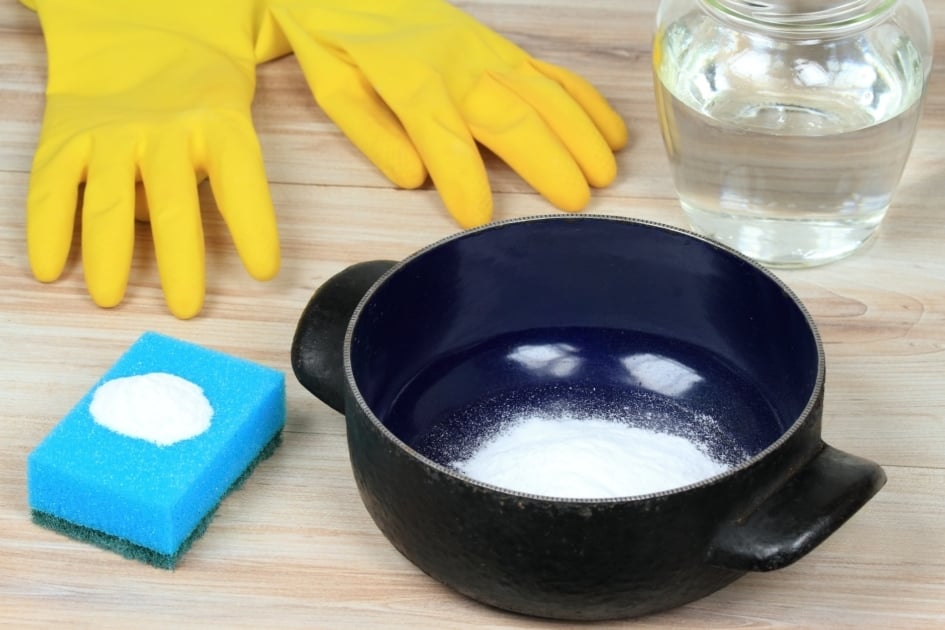
- Out of dish soap: mix baking soda with a little water into a paste and scrub with a damp sponge.
- No drain cleaner: 1 cup baking soda, then 1 cup white vinegar, then a hot-water flush.
- Burned pots: soak overnight in half water and half vinegar, then scour lightly.
- Mildew stains: lemon juice and salt, set in the sun to bleach, then launder.
- Reuse before you buy: chipped mugs become planters, cookie cutters become napkin rings, a spare glove becomes a tool carrier.
At Farmers’ Almanac, we like to share our best money-saving tips, whether it is repurposing an item, recycling one, or finding a second and third use for the everyday household products already under your sink. Now more than ever we need to stretch our dollars. Here are 10 money-saving hacks that help you cut costs and “make do” using what you have around the home, plus a few extra tricks and the simple kitchen chemistry that makes them work.
10 Money-Saving Hacks for Everyday Household Items
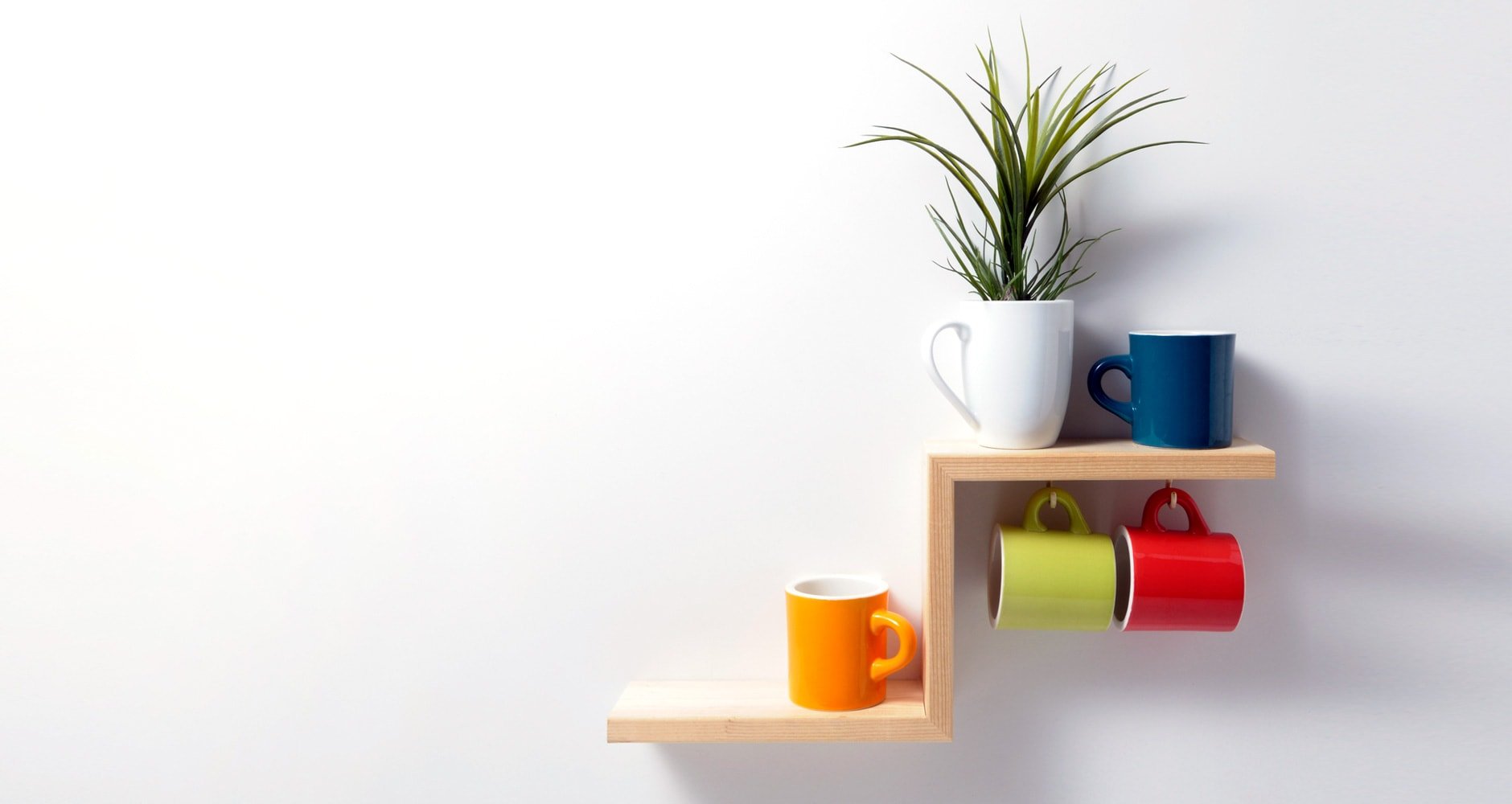
1. Make colorful garden planters out of gently chipped mugs or cups. A mug too rough on the rim for morning coffee still makes a cheerful home for a windowsill herb or a start of succulents. Add a few pebbles in the bottom for drainage, and time your potting to the Gardening by the Moon Calendar if you want to give the roots every advantage.
2. Don’t fret over a lost leather glove. Turn the remaining one into a small tool carrier. Cut off the fingers at mid-length. Make two vertical slits in the back and run a belt through them. Then load up the fingers with lightweight tools so your pruners and plant markers ride along on your hip.
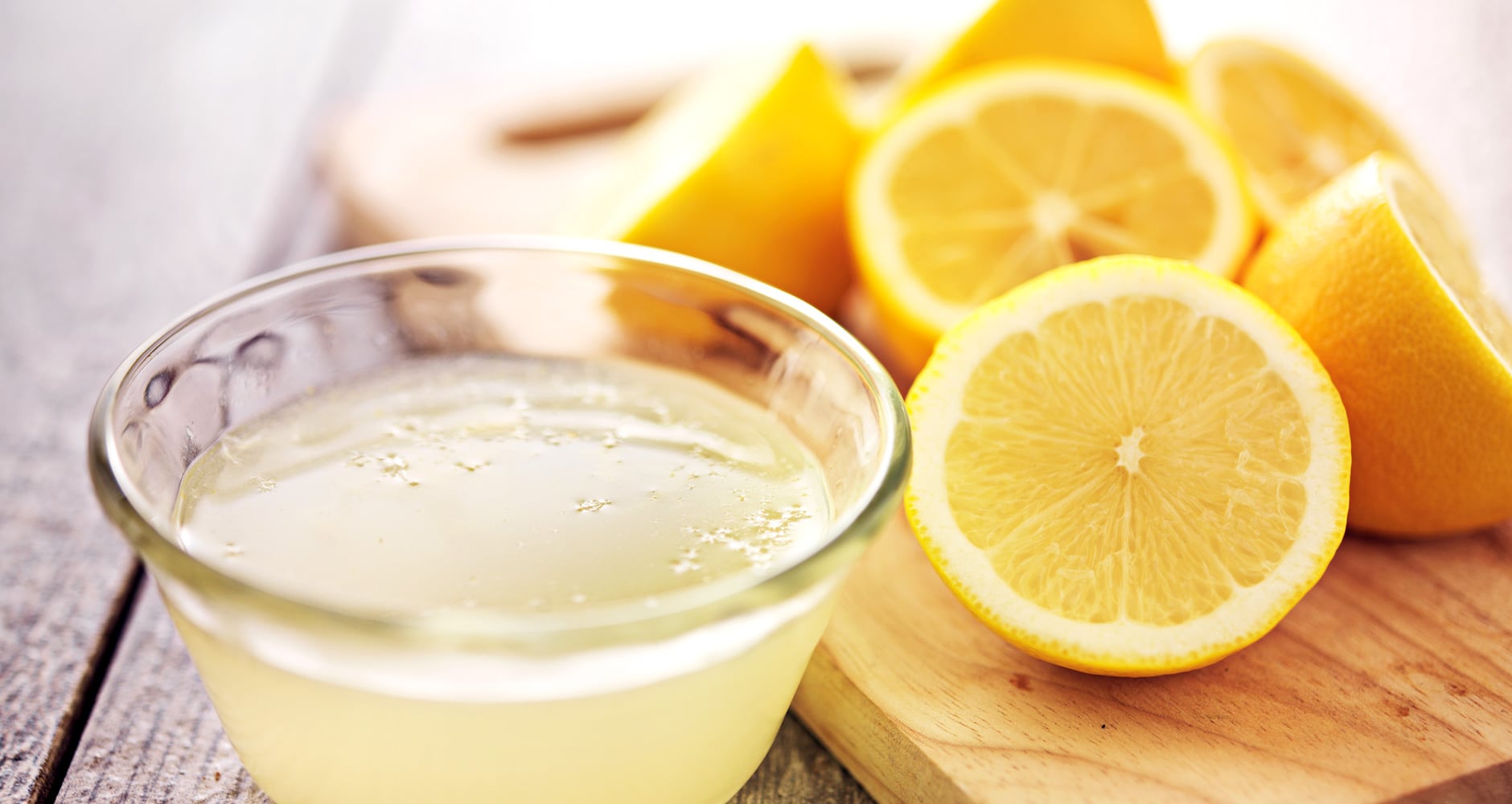
3. Remove mildew stains with a mixture of lemon juice and salt. Moisten the stained spots with the mixture. Spread the item in the sun for bleaching. Rinse and dry, then launder as usual. The acid in the lemon and the grit of the salt do the work that a pricey stain treatment would, for pennies.
4. Don’t spend money on paint remover, rug deodorizer, or stain remover. Take off old paint from metal screws and nails with nail polish remover. Sprinkle dried chamomile or lavender blossoms onto carpets before vacuuming for a fresh, clean scent. Use a damp rag dipped in baking soda to scrub unwelcome crayon marks off the wall.
5. No drain cleaner? Pour 1 cup baking soda down the drain. Add 1 cup of white vinegar. Flush the drain with hot water when the bubbling stops. It is gentler on old pipes than a bottle of caustic cleaner, and vinegar earns its keep in a dozen other chores too, as our guide to the powers of vinegar lays out.

6. No napkin rings? Use metal cookie cutters as unique napkin holders for family dinners. If you want, spray paint them to match your décor or decorating theme. A star for the Fourth of July or a leaf for a harvest supper dresses the table for nothing.
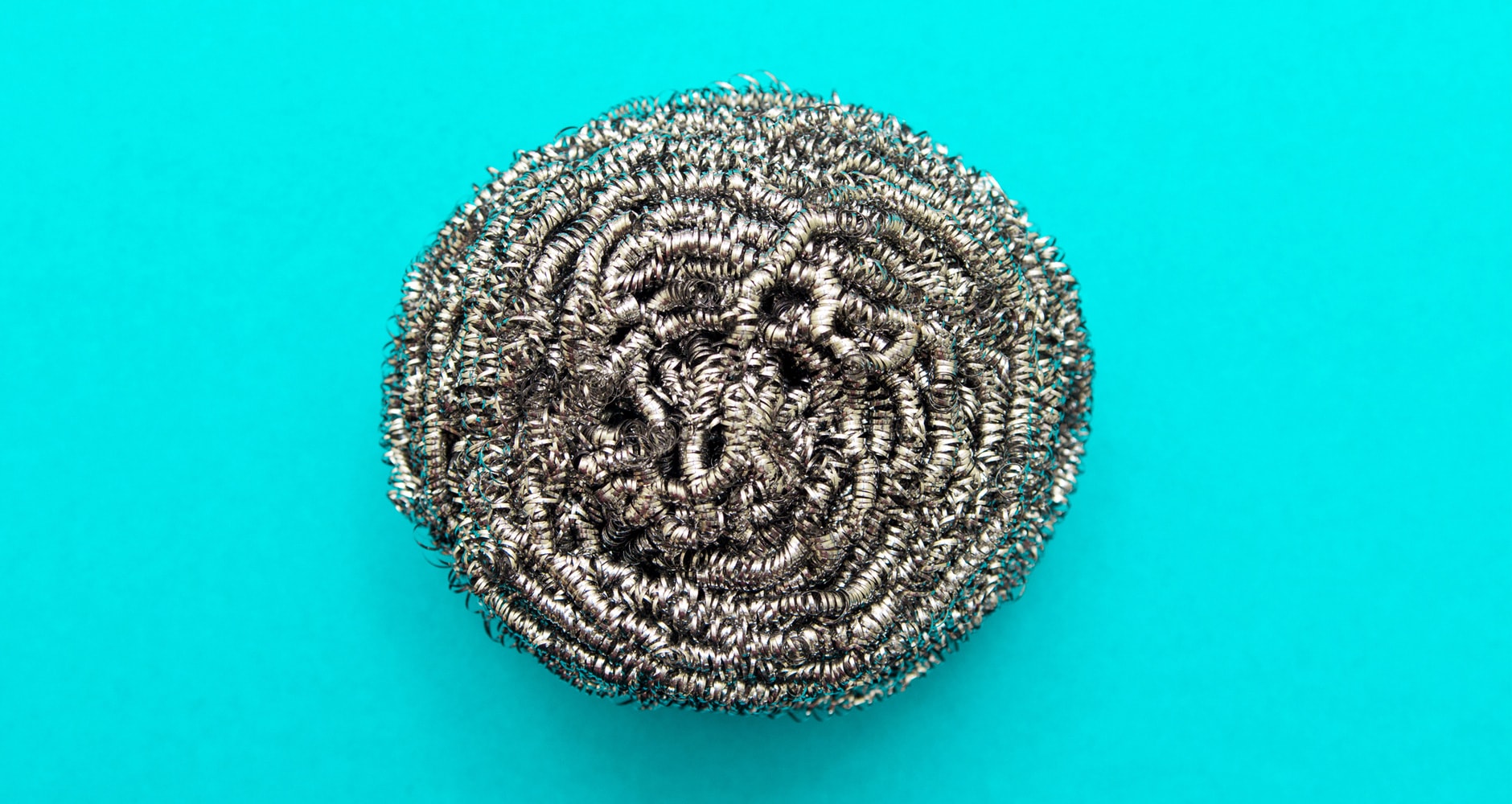
7. To prevent rust on steel wool scrubbing pads, place them in a plastic bag and store them in the freezer. A pad that would normally rust into an orange mess after one use will keep for weeks, so a single box goes a long way.
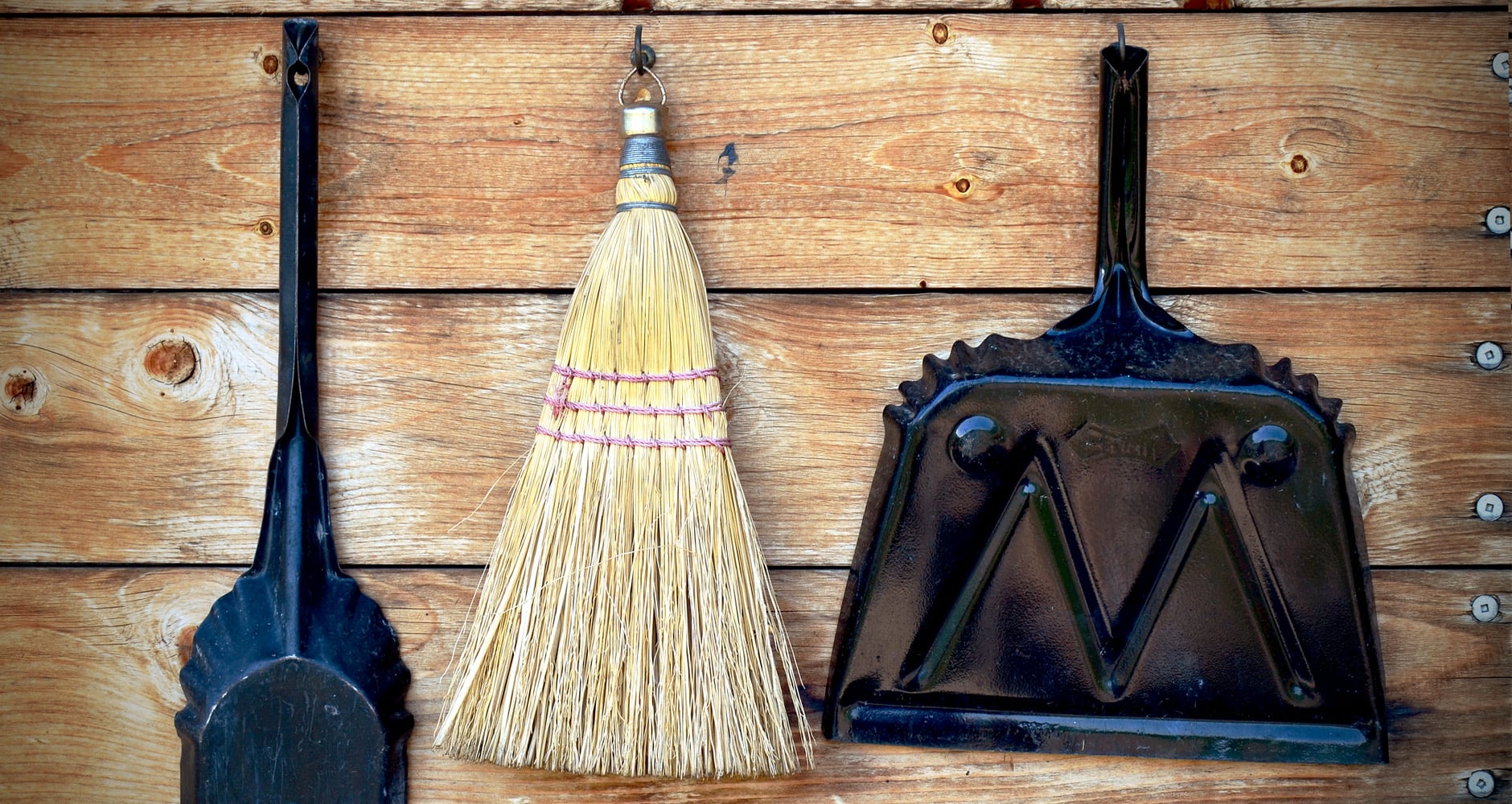
8. Hang brooms and brushes to make them last longer. Once the fibers and bristles are bent out of shape, these tools no longer function well. A nail or a simple wall rack keeps the bristles off the floor and the broom sweeping true for years instead of months.
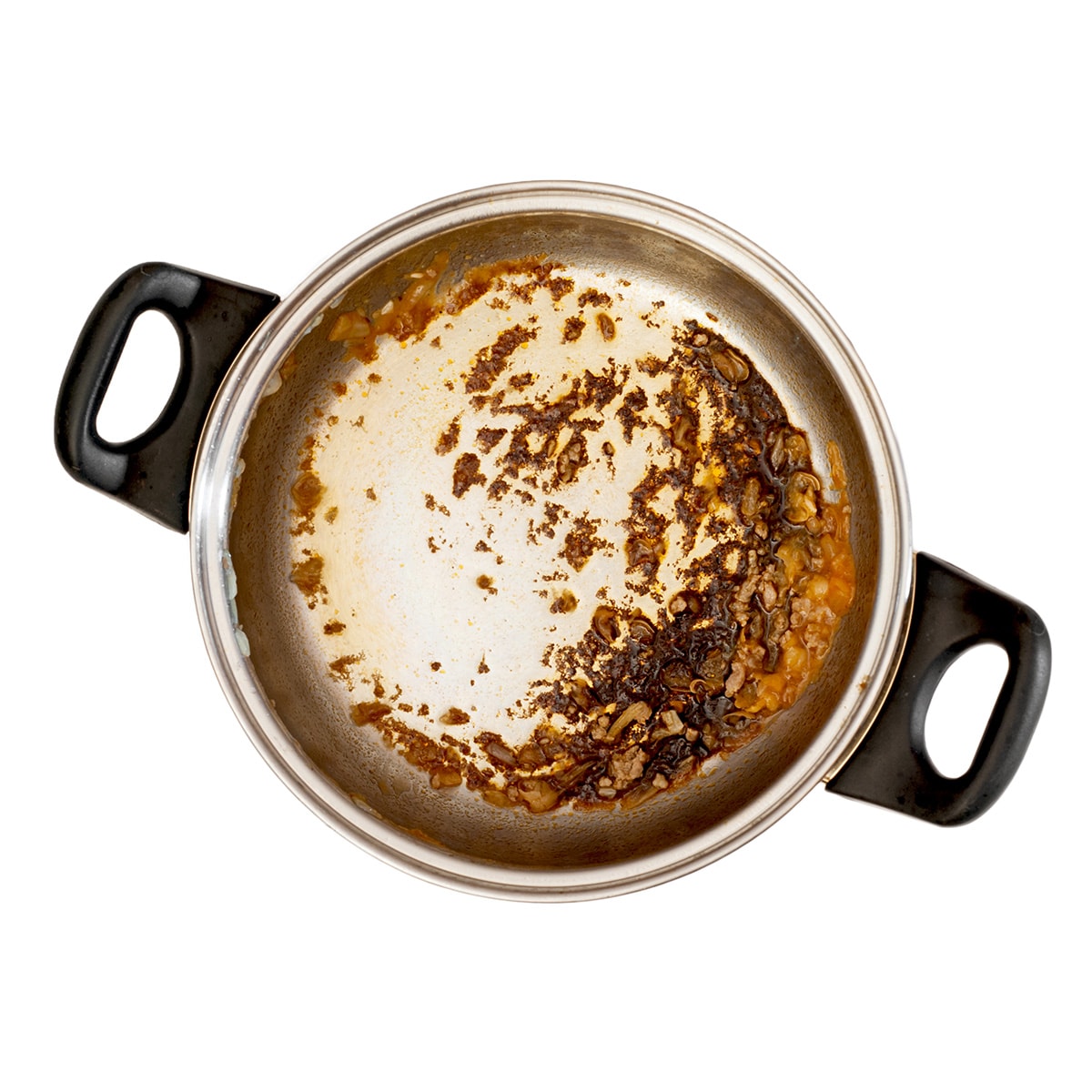
9. Remove burned food on pots and pans with a mixture of half water and half vinegar. Soak overnight. Burned food comes off easily with a light scouring the next morning, no elbow grease or scratched nonstick surface required.
10. Out of dishwashing liquid? Use baking soda! Baking soda does a multitude of tasks, so of course it will clean dishes. Simply mix baking soda with a little bit of water in a bowl to form a paste. Dip your sponge in the paste and use it as “soap” to clean dishes, pots, and pans. It cuts grease and leaves no perfumed residue behind.
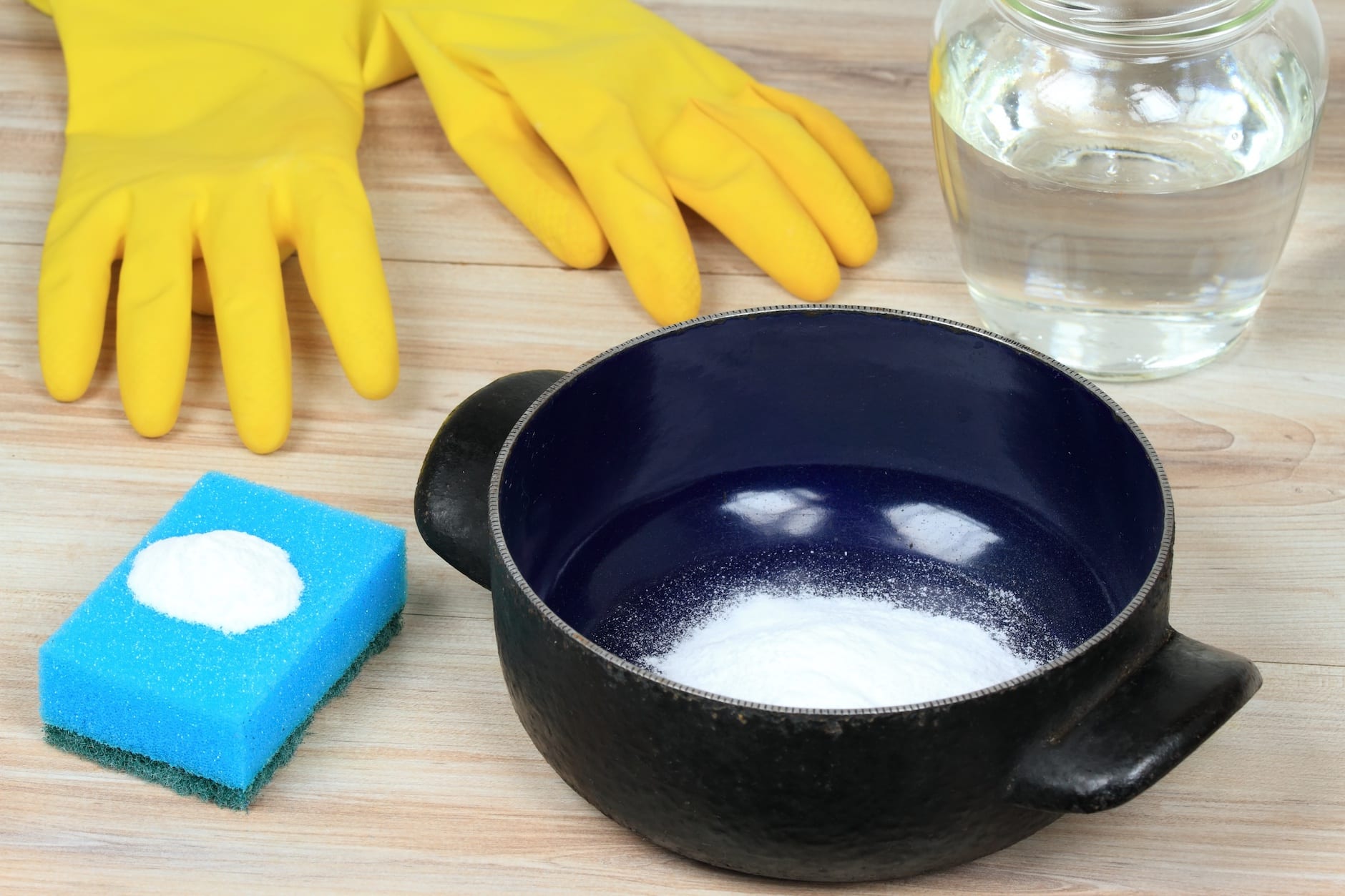
The Kitchen Chemistry Behind Baking Soda and Vinegar
Two of these hacks lean on the same reaction, and it helps to know why it fizzes. Baking soda is a mild base and vinegar is a mild acid. Put them together and they trade places, giving off carbon dioxide gas, which is the foam you see climbing out of the drain. That gentle bubbling helps lift grease and loosen gunk without the harsh fumes of a store-bought drain opener.
A word to the wise: use the two in sequence for scrubbing and drains, not mixed up ahead of time in a sealed container, since the gas needs somewhere to go. And never combine homemade cleaners with bleach or commercial drain products. The U.S. Environmental Protection Agency’s Safer Choice program keeps a running list of cleaning ingredients that are easier on your household and your pipes, worth a look before you buy the heavy-duty stuff.
A Few More Ways to Make Do
Once you start looking, nearly every room holds a second use for something you already own. A handful of favorites from the mailbag and our own kitchens:
- Coffee grounds dry out and go into the compost or the garden bed, and a small open jar of them pulls odors out of the fridge the way an expensive box would.
- Glass jars from pasta sauce and pickles become storage for screws, dry beans, or leftovers once the label soaks off in warm water.
- Old newspaper leaves window glass streak-free and doubles as a fire starter or a liner for muddy boots by the door.
- Worn cotton T-shirts and towels cut down into rags outlast any roll of paper towels for dusting and spills.
- Wood ash from the fireplace sprinkled thinly around the garden adds potassium, an old-timer’s trick worth timing to the Best Days Calendar.
None of these ask you to buy a thing. That is the whole point of making do: the cheapest tool is almost always the one already in the drawer.

Money-Saving Household Hacks: Frequently Asked Questions
What can I use if I run out of dish soap?
Mix baking soda with a little water in a bowl to form a paste, dip in a damp sponge, and use it as soap to scrub dishes, pots, and pans. It cuts grease, rinses clean, and leaves no perfumed residue. For heavily burned pans, soak them overnight in half water and half vinegar first.
How do you unclog a drain with baking soda and vinegar?
Pour 1 cup of baking soda down the drain, add 1 cup of white vinegar, and let it foam. When the bubbling stops, flush with hot water. The fizzing is carbon dioxide gas helping loosen grease and gunk. It is gentler on older pipes than caustic commercial cleaners, and you can repeat it as needed.
Does baking soda and vinegar actually work for cleaning?
They work best for jobs that benefit from mild foaming and mild acid, such as loosening grease in a drain, scouring a burned pot, or scrubbing with a paste. Use them in sequence rather than premixed, and never combine homemade cleaners with bleach or commercial drain products.
How do you remove mildew stains naturally?
Make a mixture of lemon juice and salt, moisten the stained spots with it, and spread the item in the sun to bleach. Rinse, dry, and then launder as usual. The acid in the lemon and the grit of the salt lift the stain without a pricey commercial treatment.
How can I make cleaning supplies and tools last longer?
Store steel wool pads in a plastic bag in the freezer so they do not rust between uses, and hang brooms and brushes so the bristles keep their shape. Bent fibers stop working well, so keeping them off the floor stretches the life of every tool you own.
What household items can I reuse instead of throwing away?
Plenty. Chipped mugs become planters, metal cookie cutters become napkin rings, a spare leather glove becomes a tool carrier, and glass jars become storage. Coffee grounds deodorize the fridge, old newspaper cleans windows, and worn T-shirts become rags. Share your own favorite money-saving hack in the comments.


This article was published by the Staff at FarmersAlmanac.com. Any questions? Contact us at [email protected].
- Farmers' Almanac Staff

- Farmers' Almanac Staff

- Farmers' Almanac Staff

- Farmers' Almanac Staff