7 Natural Ways to Keep Mosquitoes Out of Your Yard (2026)

Quick Reference
- Fastest natural win: Dump every container holding standing water within a 24-hour cycle. Mosquito eggs hatch in as little as 48 hours.
- Most-effective plant: Citronella grass, backed up by lavender, basil, marigolds, and lemon balm.
- Best predators to invite in: Bats, dragonflies, swallows, purple martins, and frogs.
- Cheapest fix on the porch: A box fan. Mosquitoes are weak fliers and cannot handle steady airflow above 2 mph (source: American Mosquito Control Association).
- Yard depth for lawn cuts: Keep grass under 3 inches so daytime resting spots dry out between rains.
Summer evenings are meant for backyard barbecues, gardening, and relaxing on the porch, not swatting mosquitoes. Sprays and chemical repellents may offer temporary relief, but there are several natural ways to reduce mosquito populations and make your yard a more enjoyable place to spend time. If you want a safer, more environmentally friendly approach, these seven proven methods can help.
Related Post: 22 Ways to Combat Garden Pests Naturally (2026 Guide)
The research angle in this update: the American Mosquito Control Association reports that adult mosquitoes struggle to fly in wind above 1 mph and are effectively grounded above 2 mph. That is why the porch fan below is not a gimmick, it is an airflow rule, and it changes how we sequence the seven methods here.

1. Eliminate Standing Water
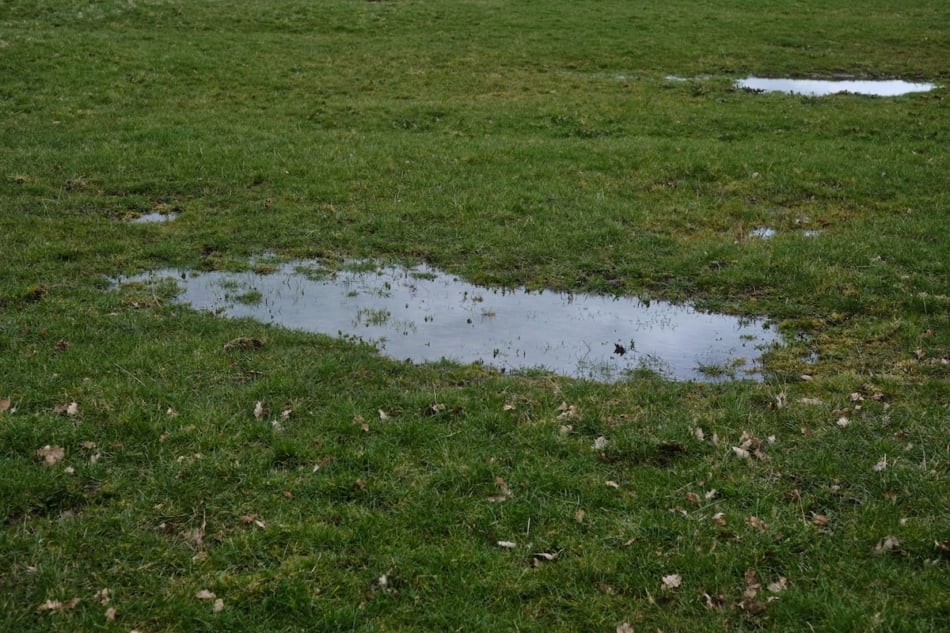
The most effective way to control mosquitoes is to remove their breeding grounds. Females lay their eggs in still water, and it does not take much: birdbaths, flowerpot saucers, clogged gutters, buckets, and children’s toys can all become mosquito nurseries after a rainstorm. The CDC notes that even a bottle cap of water can host larvae, and eggs can hatch in as little as 48 hours once temperatures top 70 degrees Fahrenheit.
What to Do:
- Empty containers that collect water.
- Change birdbath water every few days.
- Clean gutters regularly, especially after storms.
- Check for puddles after heavy rain and drain low spots.
- Store buckets and wheelbarrows upside down between uses.
A few minutes of maintenance can prevent hundreds of mosquitoes from hatching. If a birdbath or rain barrel cannot be emptied, dose it with a mosquito dunk containing Bti (Bacillus thuringiensis israelensis), a naturally occurring soil bacterium approved by the EPA that targets mosquito larvae without harming pets, birds, or bees.
2. Plant Mosquito-Repelling Herbs and Flowers
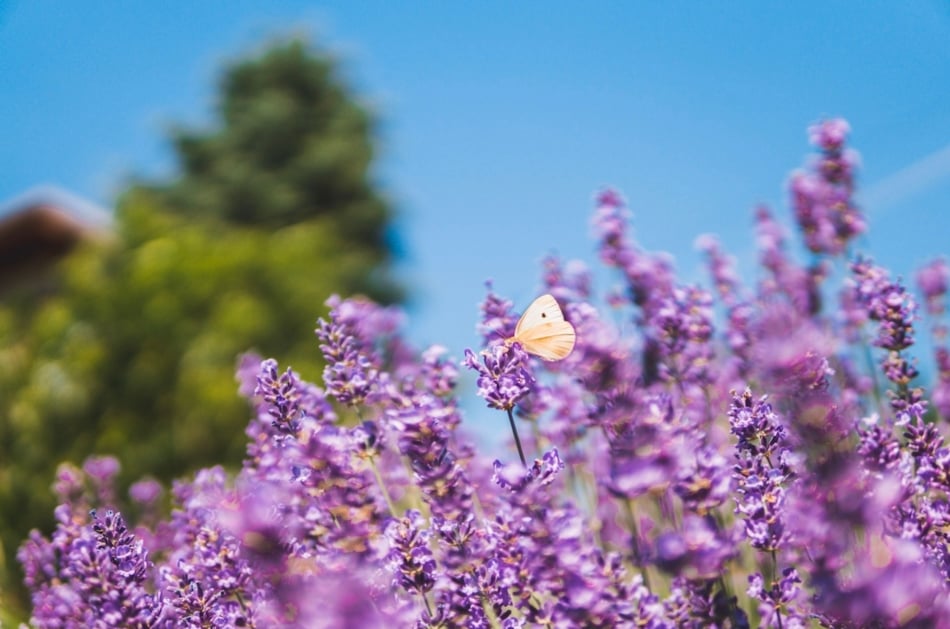
Some plants produce fragrances that mosquitoes dislike. They will not eliminate mosquitoes entirely, but they can reduce activity around patios, decks, and outdoor seating areas, especially when the leaves are brushed or crushed to release their oils.
Best Mosquito-Repelling Plants:
- Citronella Grass
- Lavender
- Basil
- Marigolds
- Lemon Balm
Plant these around gathering spaces for the best results while adding beauty and fragrance to your landscape. Match the plant to your climate first: citronella grass wants full sun and hates a hard freeze, lavender prefers dry sandy soil, and lemon balm spreads fast in shade. Check the zone map before you buy.
Related: USDA Plant Hardiness Zone Map
3. Keep Grass and Shrubs Trimmed
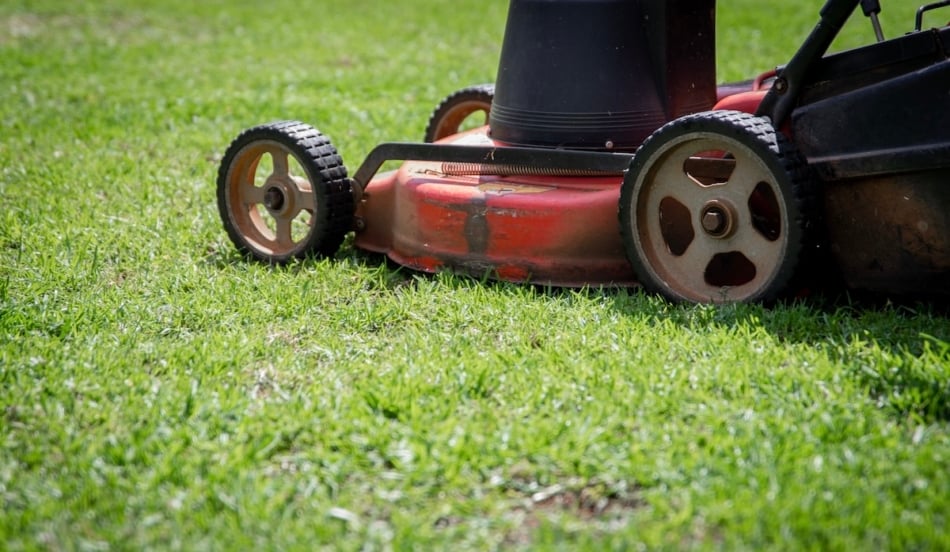
Mosquitoes seek out cool damp places to rest during the heat of the day. Overgrown lawns and dense shrubs provide the perfect hiding spots. Keeping your lawn mowed and pruning back thick vegetation lets sunlight and airflow reach the ground, making your yard less attractive to mosquitoes.
Landscaping Tip:
Pay special attention to shaded areas near fences, decks, and foundations where moisture lingers. A grass height of 2 to 3 inches is the sweet spot for most cool-season lawns: short enough to dry out between waterings, tall enough that the root system stays healthy through summer stress.

4. Use Outdoor Fans
One of the simplest mosquito-control tricks is also one of the most effective. Mosquitoes are weak fliers. A box fan, ceiling fan, or oscillating fan creates enough airflow to make it difficult for them to fly, land, and bite. The airflow also disperses the carbon dioxide plume mosquitoes use to home in on human skin.
Place fans near:
- Patios
- Porches
- Outdoor dining areas
- Fire pits
Many homeowners are surprised by how well this low-cost solution works. A 20-inch box fan aimed at ankle height covers a typical patio for the price of an evening’s electricity.
5. Encourage Natural Predators
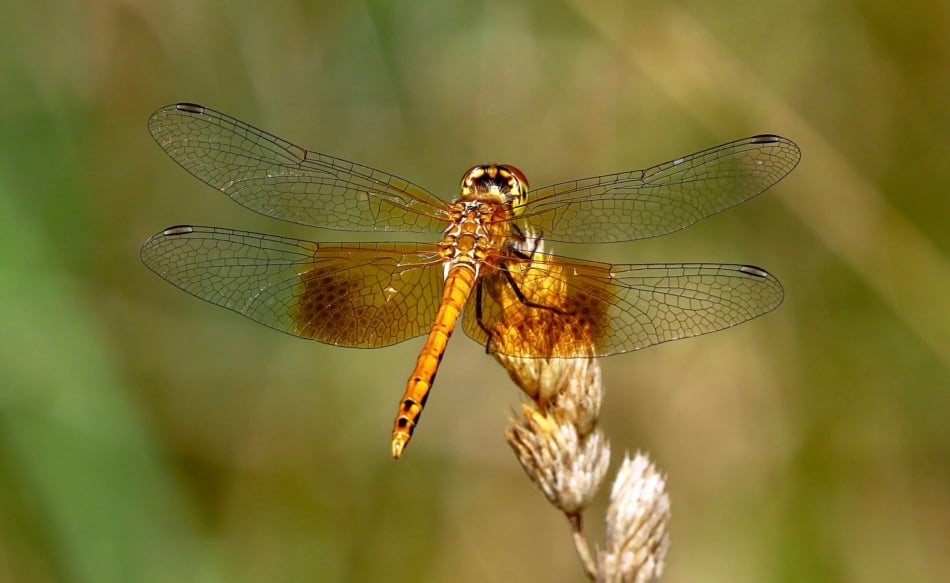
Nature provides its own mosquito-control system. Several animals feed on mosquitoes and mosquito larvae, helping keep populations under control without any spray or scent.
Natural Mosquito Predators:
- Bats (a single little brown bat can eat over 1,000 mosquito-sized insects an hour, per the National Wildlife Federation).
- Dragonflies (adults and their aquatic nymphs both feed on mosquito larvae).
- Swallows
- Purple Martins
- Frogs and tadpoles in a small pond
Installing a bat house or a purple martin condo, or creating a pollinator-friendly garden with native flowers, can encourage beneficial wildlife to visit your property season after season.
6. Burn Sage or Rosemary Outdoors
Long before modern bug sprays existed, people relied on aromatic herbs to discourage insects. Tossing dried sage or rosemary onto a campfire or fire pit produces fragrant smoke that can help repel mosquitoes naturally. A 2013 study in the journal Malaria Journal found that burning dried plant materials cut mosquito landings on human bait by up to 74 percent, depending on the plant. This old-fashioned remedy is especially popular during outdoor gatherings and summer evenings around the fire.
7. Improve Yard Drainage
Water that lingers for days after a rainstorm creates ideal mosquito habitat. Low spots in the yard, compacted soil, and poor drainage can all contribute to mosquito problems, especially through the wetter stretches of a long-range summer forecast.
Ways to Improve Drainage:
- Fill low areas that collect water.
- Aerate compacted soil, ideally in spring or fall.
- Install French drains or dry wells where needed.
- Direct downspouts away from problem areas, ideally 5 feet or more from the foundation.
The drier your yard stays, the fewer mosquitoes you will have.
The Bottom Line
The best natural mosquito control strategy stacks several approaches. Start by eliminating standing water, keeping the lawn mowed under 3 inches, adding mosquito-repelling plants near seating, running a fan on the patio, and inviting in bats, dragonflies, and purple martins. Layer four or five of these methods and most yards drop below the biting threshold without a single chemical spray. By making your yard less welcoming to mosquitoes, you will enjoy more comfortable evenings outdoors all summer long.

Frequently Asked Questions
What plant repels mosquitoes the most?
Citronella grass is widely considered the most effective mosquito-repelling plant because of its strong citrus scent, which masks the human carbon dioxide plume mosquitoes track. Lavender, basil, marigolds, and lemon balm are strong runners-up. None of them clear a yard on their own; treat them as one layer of a four or five layer plan.
Do mosquito-repelling plants really work?
They help, but only within a few feet of the leaves and only when the oils are actually released, so brushing past them or crushing a leaf between fingers matters. Standing water removal and a running fan will out-perform any planter on their own. Use plants near seating areas as backup, not as the whole plan.
Why are there so many mosquitoes in my yard?
Standing water is the near-universal answer. A bottle cap of rainwater can host up to 300 larvae, per the Centers for Disease Control and Prevention. Add dense shrubs, shaded ground, poor drainage, or a neighbor with an ignored kiddie pool, and populations climb fast during warm humid stretches.
What is the easiest natural way to keep mosquitoes away?
Removing standing water is the single most effective natural mosquito-control method because it eliminates breeding sites before mosquitoes reach the biting adult stage. A weekly walk of the property with a bucket beats every spray on the shelf.
Are bats or dragonflies better mosquito predators?
Dragonflies eat more mosquitoes per feeding hour, adults and larvae, and they hunt during daylight when many nuisance mosquito species bite. Bats work the dusk shift and take other flying insects too. A yard that welcomes both, plus swallows and purple martins, layers coverage across the whole day.
When during the summer are mosquitoes worst?
In most of the US, activity peaks two to three weeks after a heavy rain, which lines up with mid-June through late August in the North and April through October across the Gulf and Southeast. Track your long-range forecast: whenever a stretch of warm humid weather follows a soaking rain, expect a hatch.
Can I skip sprays entirely?
Yes, most yards can. Stack four or five natural layers, standing-water removal, a mowed lawn under 3 inches, a fan on the patio, mosquito-repelling plants near seating, and predator habitat, and the population usually drops far enough that sprays become an occasional backup rather than a weekly routine.

- Tim Konrad

- Tim Konrad

- Tim Konrad

- Tim Konrad