2026 Astronomy Calendar: The Biggest Sky Events From June Through December

Quick Reference: 2026 Sky Events, June to December
- Summer Solstice: June 21, 2026.
- Strawberry Full Moon: June 29, 2026.
- Buck Full Moon: July 29, 2026.
- Perseid Meteor Shower peak: August 12 to 13.
- Total Lunar Eclipse (Blood Moon): September 7, 2026.
- Harvest Moon: September 27, 2026.
- Draconid Meteor Shower peak: October 8 to 9.
- Orionid Meteor Shower peak: October 21 to 22.
- Hunter’s Moon: October 26, 2026.
- Leonid Meteor Shower peak: November 17 to 18.
- Geminid Meteor Shower peak: December 13 to 14.
- Winter Solstice: December 21, 2026.
- Ursid Meteor Shower peak: December 22 to 23.
- Top three not to miss: Perseids, Total Lunar Eclipse, Geminids.
Summer and fall are some of the best times of year to enjoy the night sky. Warm evenings, comfortable temperatures, and several major celestial events make the second half of 2026 a fantastic season for stargazing. Whether you are hoping to catch a meteor shower, a supermoon, a planetary conjunction, or a lunar eclipse, here is what to watch for, and where to look.
This is the calendar we use at the Farmers’ Almanac to plan our own family viewing sessions. Every date below is anchored to NASA and US Naval Observatory ephemerides and cross-checked against the International Meteor Organization’s 2026 shower calendar. Bring a folding chair, a red flashlight, and a friend, that is really all the gear you need.
June 2026
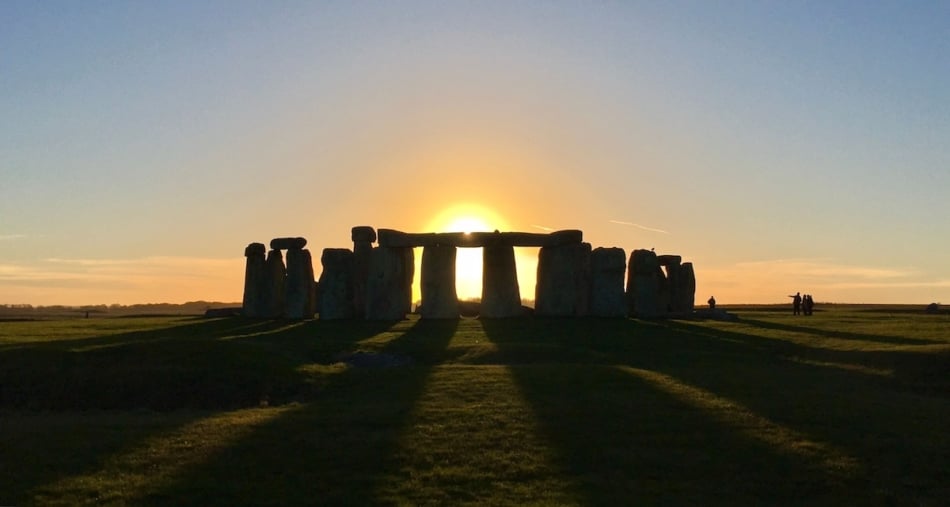
Summer Solstice
June 21, 2026
Summer officially begins in the Northern Hemisphere on June 21. It is the longest day of the year and the start of the summer stargazing season. NASA notes the sun reaches its northernmost point in our sky at solstice, giving the far north 24 hours of daylight and everyone else the year’s shortest true night.
As darkness falls later in the evening, look toward the southern sky for the familiar Summer Triangle, formed by the bright stars Vega, Deneb, and Altair.
Where to Look: High overhead in the eastern and southern sky after sunset.
Strawberry Moon
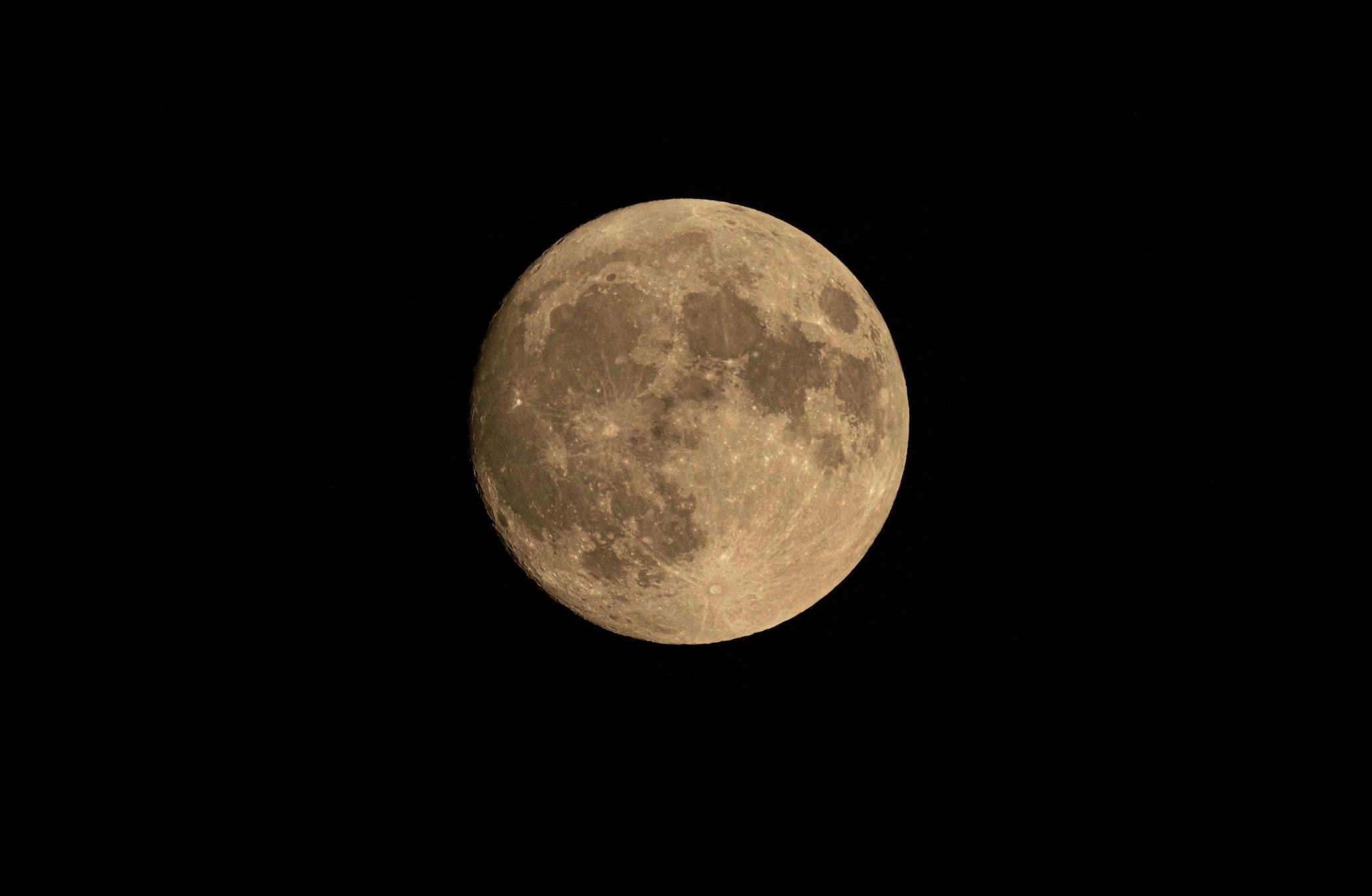
Full Moon: June 29
The Strawberry Moon gets its name from the short strawberry harvest season observed by Native American tribes, a folklore name the Almanac has published since our 1818 debut.
This Full Moon will rise dramatically in the southeast shortly after sunset, appearing larger than normal due to the famous “Moon Illusion” (an optical trick your brain plays near the horizon, not a real size change).
Best Viewing Tip: Find an open field or unobstructed eastern horizon for the most impressive moonrise views.
July 2026
Buck Moon
Full Moon: July 29
July’s Buck Moon is named for the time when male deer begin growing new antlers, one of the most literal folklore names on the Almanac Full Moon list.
The Moon will appear bright all night long, rising in the southeast and moving across the southern sky.
Where to Look: Southeast after sunset.
Milky Way Viewing Season
All Month
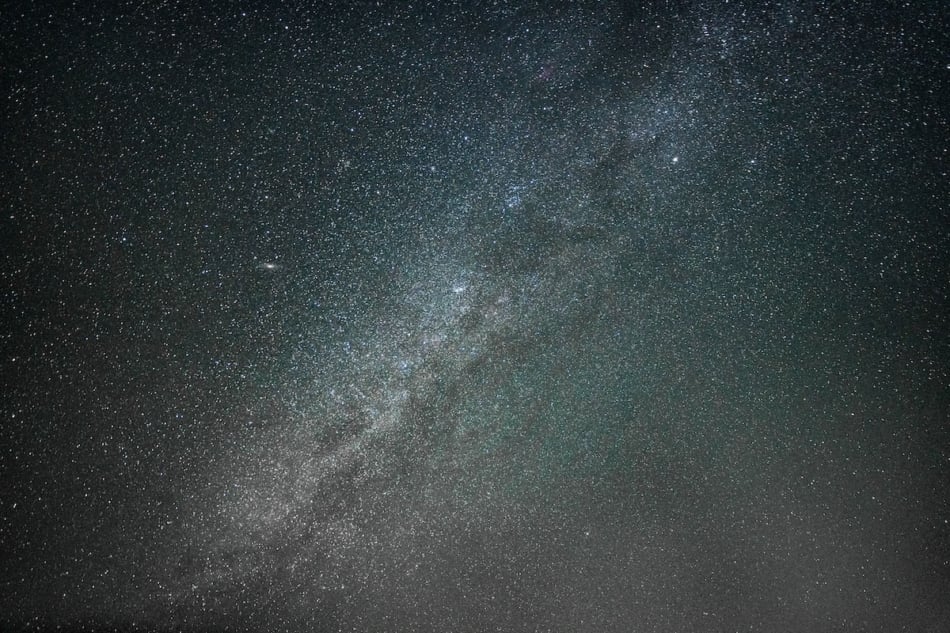
July offers some of the best Milky Way viewing opportunities of the year. The galactic core (the bright bulge at the center of our home galaxy) sits due south at midnight for most of the continental US.
On moonless nights, the bright core of our galaxy becomes visible stretching across the sky. According to DarkSky International, roughly 80 percent of Americans now live under skies too bright to see the Milky Way from home, so a drive to a designated Dark Sky Park is worth planning.
Best Viewing Locations:
- National Parks
- Dark Sky Parks
- Rural areas far from city lights
Where to Look: Toward the south between 10 p.m. and 2 a.m.
August 2026
Perseid Meteor Shower
Peak: August 12 to 13
The Perseids are often considered the year’s best meteor shower.
Under dark skies, observers may see 50 to 100 meteors per hour, including bright fireballs that leave glowing trails. Perseid meteors come from debris trailing Comet 109P/Swift-Tuttle, the largest object known to make repeat close approaches to Earth (roughly every 133 years).
The meteors appear to radiate from the constellation Perseus, but they can streak across any part of the sky.
Best Time: Midnight until dawn.
Where to Look: Northeast after midnight, though meteors may appear overhead and in all directions.
Viewing Tip: Lie flat on a blanket or lawn chair and look roughly halfway between the horizon and directly overhead.
Planet Watching: Saturn and Jupiter
Late August
Two of the brightest planets of the year become prominent in the evening sky.
Saturn rises first, followed by Jupiter later in the night.
Where to Look: Eastern sky after dark.
Even a small telescope can reveal Saturn’s rings and Jupiter’s cloud bands. A 60 mm refractor is enough; a 4-inch reflector is plenty for both.
September 2026
Total Lunar Eclipse
September 7
One of the year’s biggest astronomical events.
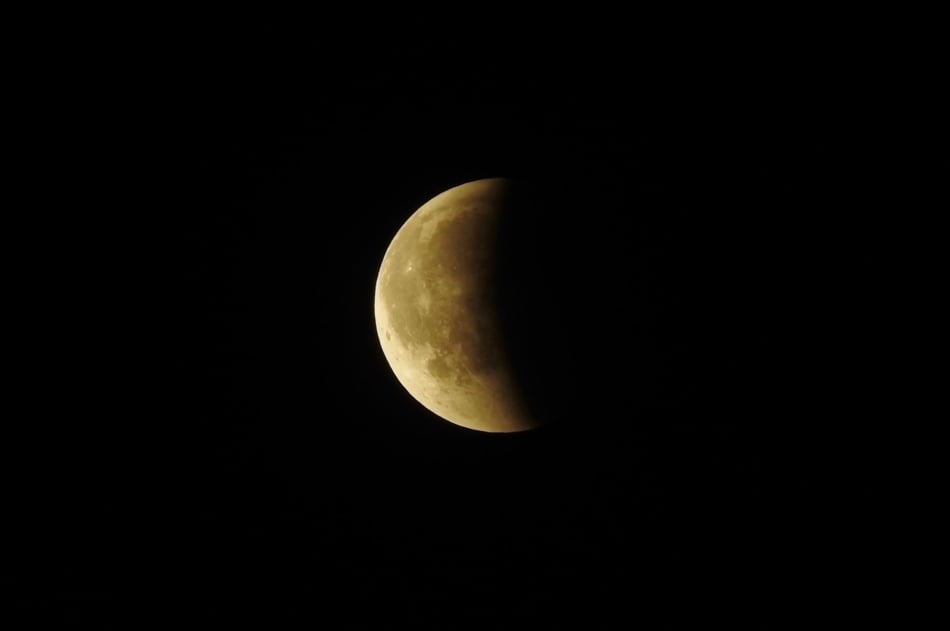
During a total lunar eclipse, Earth’s shadow completely covers the Moon, turning it a deep copper-red color often called a “Blood Moon.” NASA’s eclipse database lists the September 7, 2026 event as best viewed from Asia, Australia, and the western Pacific, with partial phases visible from parts of the Americas.
Unlike solar eclipses, lunar eclipses are completely safe to watch with the naked eye.
Where to Look: Anywhere the Moon is visible.
The Moon will be high in the southern sky for much of North America during the eclipse.
Best Viewing Tip: Binoculars can dramatically enhance the view of the Moon’s changing colors.
Harvest Moon
September 27
The Harvest Moon is the Full Moon closest to the autumnal equinox, and its folklore name goes back to the pre-electric era when farmers used its extended twilight to work fields after sunset.
For several evenings in a row, the Moon rises shortly after sunset, providing additional natural light after dusk.
Where to Look: Eastern horizon shortly after sunset.
October 2026
Draconid Meteor Shower
Peak: October 8 to 9
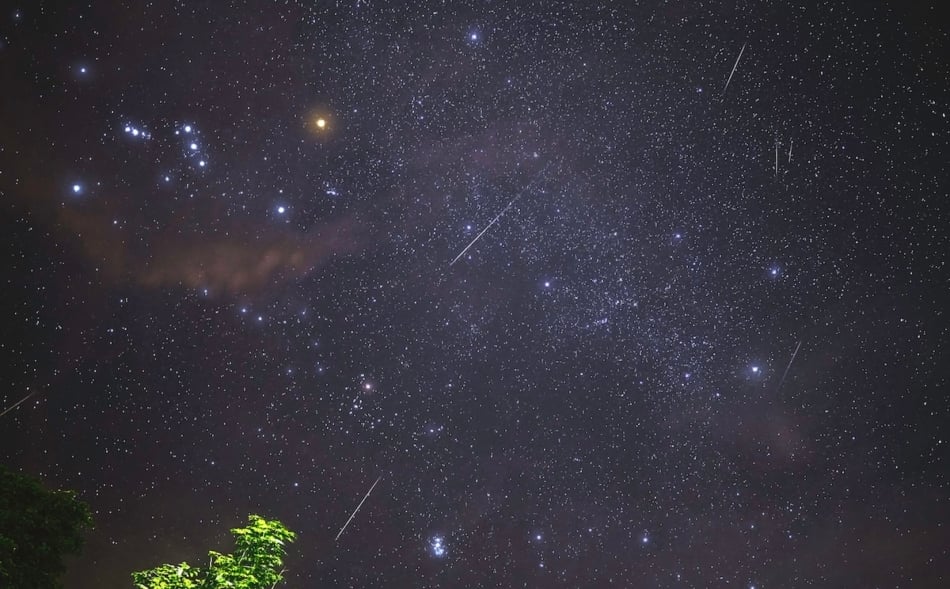
Unlike most meteor showers, the Draconids are best viewed shortly after dark.
The shower originates from debris left behind by Comet Giacobini-Zinner.
Where to Look: Northern sky.
Best Time: Evening hours, shortly after sunset.
Orionid Meteor Shower
Peak: October 21 to 22
The Orionids are produced by debris from Halley’s Comet, the most famous comet in Western history and the one Mark Twain claimed to have arrived and departed with.
Fast-moving meteors frequently leave glowing trails.
Best Time: After midnight until dawn.
Where to Look: Southeast toward the constellation Orion.
Hunter’s Moon
October 26
Following the Harvest Moon, the Hunter’s Moon traditionally helped hunters track game before winter.
Expect a brilliant moonrise shortly after sunset.
November 2026
Supermoon Season
November features one of the largest Full Moons of the year.
Because the Moon is near its closest approach to Earth (perigee), it will appear slightly larger and brighter than an average Full Moon. Perigee moons appear roughly 7 percent larger and 15 percent brighter than an average Full Moon, according to NASA.
While the difference is not dramatic to casual observers, photographers often capture stunning images.
Where to Look: Eastern horizon at moonrise.
Leonid Meteor Shower
Peak: November 17 to 18
The Leonids are famous for producing occasional meteor storms (the 1833 Leonid storm produced an estimated 100,000 meteors per hour and helped launch the modern study of meteor astronomy).
Most years bring around 15 meteors per hour, but bright fireballs are common.
Best Time: After midnight.
Where to Look: East and southeast.
December 2026
Geminid Meteor Shower
Peak: December 13 to 14
The Geminids are often considered the strongest meteor shower of the year.
Unlike most meteor showers, which originate from comets, the Geminids come from a mysterious rocky object known as 3200 Phaethon, which NASA classifies as either an “extinct comet” or a rock comet.
Observers under dark skies may see more than 100 meteors per hour.
Best Time: 10 p.m. until dawn.
Where to Look: East during the evening, overhead after midnight.
Viewing Tip: Bundle up and allow at least 20 minutes for your eyes to fully adapt to darkness.

Winter Solstice
December 21
The longest night of the year provides some of the darkest skies of the season.
This is an excellent opportunity to view winter constellations such as Orion, Taurus, Gemini, and Auriga.
Where to Look: Southeast after sunset.
Ursid Meteor Shower
Peak: December 22 to 23
The Ursids serve as the year’s final meteor shower.
Though smaller than the Geminids, they often produce unexpected bursts of activity.
Where to Look: Northern sky near the Little Dipper.
Best Time: Midnight to dawn.
Meteor Shower Cheatsheet: 2026 Second-Half Peaks
| Shower | Peak | Meteors per hour (dark sky) | Source |
|---|---|---|---|
| Perseids | August 12 to 13 | 50 to 100 | Comet 109P/Swift-Tuttle |
| Draconids | October 8 to 9 | 10 (post-sunset) | Comet 21P/Giacobini-Zinner |
| Orionids | October 21 to 22 | 15 to 20 | Halley’s Comet |
| Leonids | November 17 to 18 | 15 (storm years, thousands) | Comet 55P/Tempel-Tuttle |
| Geminids | December 13 to 14 | 100+ | 3200 Phaethon (rock comet) |
| Ursids | December 22 to 23 | 5 to 10 | Comet 8P/Tuttle |
Best Stargazing Tips for 2026
No matter which event you are planning to observe:
- Get away from city lights whenever possible.
- Allow your eyes 20 to 30 minutes to adjust to darkness.
- Check local weather forecasts before heading out.
- Use a red flashlight instead of a white one to preserve night vision.
- Bring a reclining chair or blanket for meteor showers.
- Download a sky map app to identify planets and constellations.
Mark Your Calendar
If you only pick three events to watch during the second half of 2026, make them the Perseid Meteor Shower in August, the Total Lunar Eclipse in September, and the Geminid Meteor Shower in December. Together, they offer some of the year’s most spectacular views, and all can be enjoyed without expensive equipment.
Sometimes the greatest show on Earth happens above it.

Frequently Asked Questions
What are the biggest astronomy events in the second half of 2026?
The Perseid Meteor Shower peaks August 12 to 13, the Total Lunar Eclipse falls on September 7, and the Geminid Meteor Shower peaks December 13 to 14. Those three are the reader picks every year, and all three can be watched with no gear beyond a blanket.
When is the next Full Moon in 2026?
The Strawberry Moon rises on June 29, followed by the Buck Moon on July 29 and the Harvest Moon on September 27. The Farmers’ Almanac Full Moon Dates page carries the to-the-minute times for every zip code.
Can I see the September 7, 2026 lunar eclipse from the US?
Only partial phases are visible from parts of the western US at moonrise or moonset; the full totality is best seen from Asia, Australia, and the western Pacific. NASA’s eclipse database has the exact local timing.
Do I really need to leave town to watch a meteor shower?
For the Perseids or the Geminids, a suburban backyard still shows a handful of bright meteors per hour. To see the peak count (50 to 100 per hour), drive at least 30 minutes into rural darkness. A DarkSky-certified park is best.
Is a telescope required for any of these 2026 sky events?
No. Every event listed here is naked-eye. Binoculars help for the lunar eclipse and Saturn/Jupiter viewing. A small telescope (60 mm refractor or 4-inch reflector) is enough for Saturn’s rings and Jupiter’s cloud bands.
What is a supermoon, and is the November 2026 one worth planning around?
A supermoon is a Full Moon that happens near perigee, its closest approach to Earth. NASA reports supermoons appear roughly 7 percent larger and 15 percent brighter than average. Worth photographing at moonrise; the horizon effect makes it look much bigger than a mid-sky Full Moon.
Which meteor shower should families with young kids target?
The Perseids in August. Warm weather, an early evening warm-up, and peak rates you can catch by 10 or 11 p.m. before the kids fade. The Draconids in October are the other kid-friendly pick because they peak shortly after dark.

- Tim Konrad

- Tim Konrad
- Tim Konrad

- Tim Konrad