Snow Moon Horoscope: February Full Moon Zodiac Guide
Quick Reference: Snow Moon by Year
- 2026 Snow Moon: Sunday, February 1, 2026, 5:09 p.m. EST (22:09 UTC)
- 2027 Snow Moon: Friday, January 22, 2027, 6:23 p.m. EST
- 2028 Snow Moon: Wednesday, February 9, 2028, 10:25 a.m. EST
- 2029 Snow Moon: Tuesday, January 30, 2029, 1:03 a.m. EST
- 2030 Snow Moon: Sunday, February 17, 2030, 5:20 p.m. EST
- Moon sign: usually Leo (the opposite sign of the Sun’s Aquarius placement in February)
- Why “Snow”: named by Native American and colonial traditions for the heaviest snowfall month across much of North America
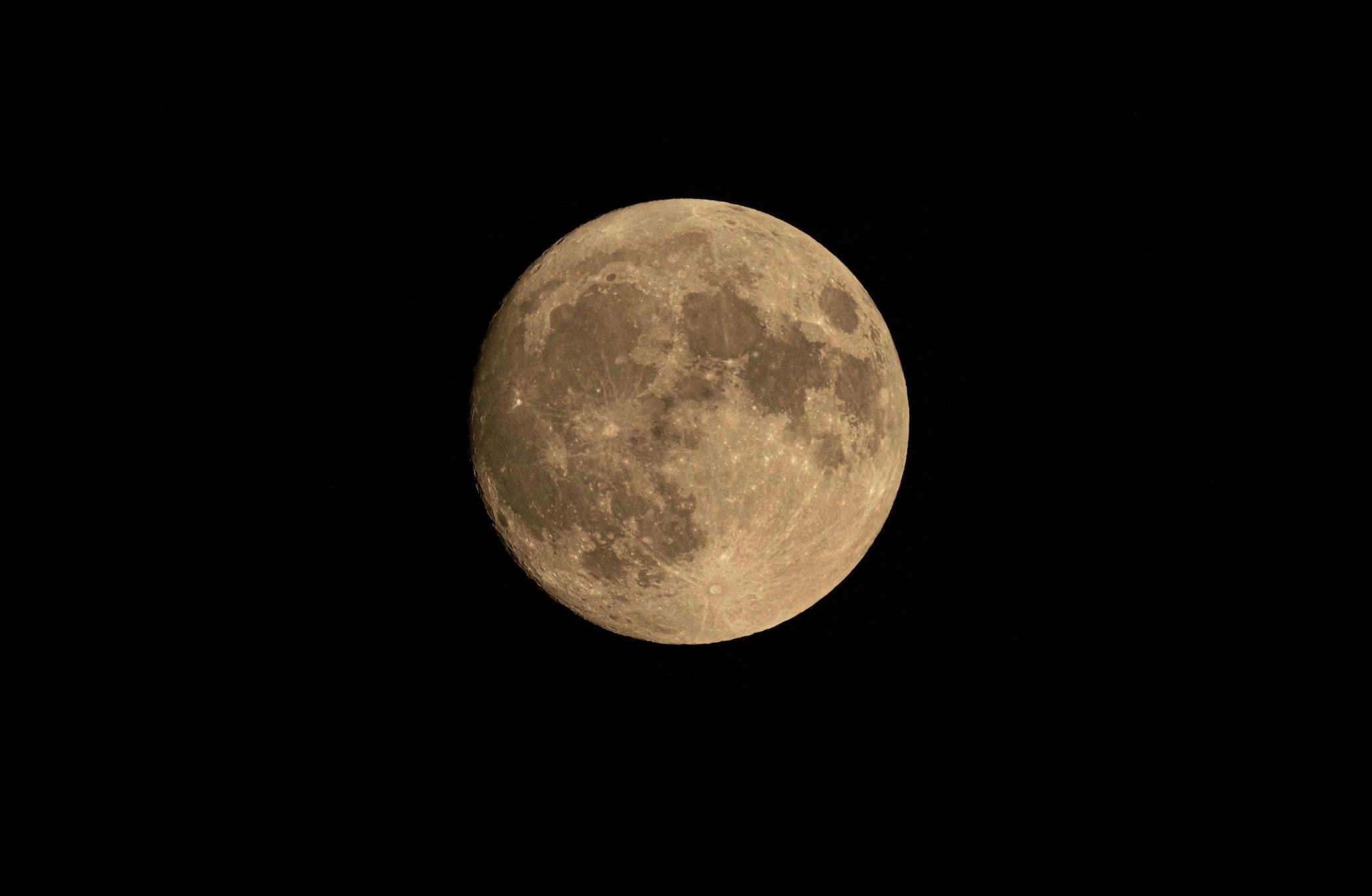
The Snow Moon is February’s full Moon, and for most of North America it lands on the same calendar pages as the deepest snow of the winter. In 2026 the Snow Moon peaks on Sunday, February 1, at 5:09 p.m. Eastern Standard Time, with the Moon in Leo opposite the Sun in Aquarius. This guide is built to last past one calendar year. You will find the date for the current Snow Moon, the folklore the name carries, and an evergreen zodiac sign read that you can return to every February. Treat the sign-by-sign notes as planning prompts the Farmers’ Almanac would print in any Best Days window, not as predictions about your week. Expert astrologer Kyle Thomas first wrote the sign-by-sign section for an earlier Snow Moon, and his notes are carried forward below in the same order, refreshed for an evergreen read.
BOOKMARK ME: Full Moon Horoscopes
When Is the Snow Moon Each Year?
The Snow Moon is the full Moon that falls in February. Its exact date shifts because the lunar month is about 29.5 days, shorter than every calendar month except February itself. In a leap year with an early new moon, February can pass without a full Moon at all (the rare “Black Moon” month), and the Snow Moon name slides to a March or late-January lunation. In most years, though, February gets one full Moon and the Almanac calls it the Snow Moon.
| Year | Snow Moon date | Peak (EST) | Moon sign |
|---|---|---|---|
| 2026 | Sunday, February 1 | 5:09 p.m. | Leo |
| 2027 | Friday, January 22 | 6:23 p.m. | Virgo |
| 2028 | Wednesday, February 9 | 10:25 a.m. | Leo |
| 2029 | Tuesday, January 30 | 1:03 a.m. | Leo |
| 2030 | Sunday, February 17 | 5:20 p.m. | Leo |
For the exact peak time in your time zone, see our Full Moon Calendar. For the Moon’s sign on any other day, the Zodiac Calendar tracks it through the year.
What Is the Snow Moon?
The Snow Moon name comes from the practical naming traditions of North America. Native American tribes across the northeastern woodlands, and the colonial settlers who followed, both named February’s full Moon for what they could see out the window. In most of the continental United States and southern Canada, February still posts the heaviest snowfall totals of the winter, so the name has held for centuries. The full set of regional names for every month’s Moon has been published in the Farmers’ Almanac since the 1800s.
In February the Sun travels through Aquarius from roughly January 20 to February 18. A full Moon always falls in the sign opposite the Sun, so the Snow Moon is usually a Leo full Moon. In years when February’s full Moon lands on February 19 or later (as it does in 2027 and 2029), the Sun has moved into Pisces and the Moon sits in Virgo instead. The exact sign for the current year is in the Quick Reference at the top.
RELATED: Full Moon Calendar: Dates, Times, and Names
Snow Moon Energy by Zodiac Sign
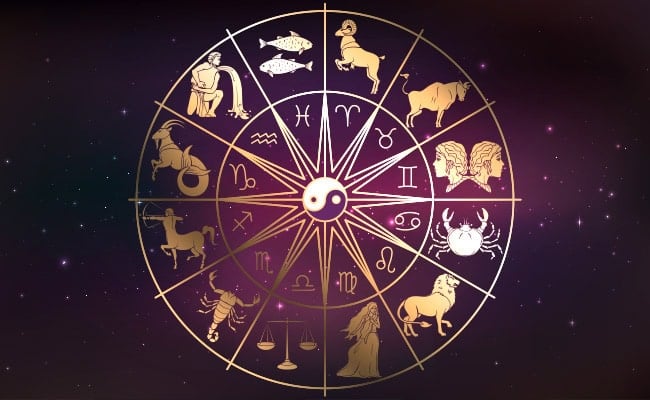
Below is an evergreen sign-by-sign read on the Snow Moon. The notes lean on the Leo to Aquarius axis the February full Moon most often sits on: passion, creativity, and personal expression (Leo) balanced against community, networks, and shared aspirations (Aquarius). Find your birthday in the date ranges and read your sign as a planning prompt for the week of the current Snow Moon. We treat zodiac signs as a calendar frame, the same way the Farmers’ Almanac has used the Sun and Moon to time tasks for over 200 years, not as fortune-telling. (See the honest caveat below.)
Note: Pull out your Day Planner and peek back at what was going on in your life around the previous Leo new Moon (roughly six months before the Snow Moon, in late July or early August). Themes from that earlier window often resurface around the February full Moon, and the Snow Moon week can be a useful chance to pivot or finish what you started. Leave a comment to share what you notice.
♈ ARIES March 21 to April 19
Magic fills your life and heart around the Snow Moon, Aries. The Leo placement lights up the part of your chart that holds romance, creativity, and play. You may be in the mood for laughter, creativity, and pleasure. This is one of the most flirty windows of the year for dating and for singles to meet someone who captivates them. Couples can use the warm Leo energy to bring fantasy back into the routine. On a separate note, hobbies, children, sports, or fertility could also surface, and a turning point on one of these themes is plausible this week.
RELATED: Zodiac Signs: Learn More about Each
♉ TAURUS April 20 to May 20
It is time to dig down into your roots, Taurus. The Snow Moon highlights home and domesticity. You may be in the middle of a move, a renovation, or a decision to refresh your living space. The lunation can also push you to connect with family or step up to help a parent. Consider hosting a lively gathering or dinner party at your place; people will have a good time. Pencil it in early in the week so the prep does not get crowded out by the rest of February.
RELATED: Best Days to Host a Party
♊ GEMINI May 21 to June 20
Spread your wings and head for the horizon, Gemini. The Snow Moon spotlights short-distance travel and quick trips. You may be packing the car for a weekend away, or returning from a trip within a few days of the lunation. A short trip near this time will enliven you and give you a sweet change of pace. On a separate note, you may instead be focused on the completion or release of a writing, speaking, or communications project. Submit the draft. Send the pitch.
♋ CANCER June 21 to July 22
Money is a key focus near this Snow Moon, Cancer. On a positive note, you may have an opening to assess your finances and income. A raise, a new job offer, a side-hustle, or a lucrative client may surface. If expenses have been heavy of late, this is a useful week to pay off a significant bill, consolidate a card, or set up an automatic transfer. Money decisions made under a Leo Moon tend to favor confidence over caution, so pair the optimism with a written budget.
♌ LEO July 23 to August 22
Step into the spotlight, Leo. The Snow Moon falls in your sign most years, which makes it one of the most personally important full Moons on your calendar. You are the main event, just how you like it. Assert yourself and move on the personal or professional goals that have been waiting for a green light. You could win big. Know what you want, be confident, and seize the day. Block the calendar; this is your week.
♍ VIRGO August 23 to September 22
You may need some rest and rejuvenation around the Snow Moon, Virgo. February can leave you feeling tired or burnt out, and the lunation may underline that need. A slower pace encourages you to rest and recharge. Refuel mind, body, and spirit, and embrace solitude where you can. Your intuition and dreams could be especially strong now, so jot down what you pick up; the notes are more useful than they feel in the moment. (Please note: the Farmers’ Almanac does not offer medical advice and information shared is for educational purposes only.)

♎ LIBRA September 23 to October 22
You are as popular as ever this week, Libra. The Snow Moon lands in your social sector and you will be eager to circulate, mingle, and connect with friends and acquaintances. You may attend more events than usual, or instead spend time with the closest two or three confidants. Networking is an excellent way to use this lunation’s energy. People are more open to you now, so ask for the favor, request the introduction, and watch which doors open.
♏ SCORPIO October 23 to November 21
A milestone victory could be here for you, Scorpio. The Snow Moon spotlights your career and professional life. Recognition and glory from previously completed work may now be up for review. A promotion, favorable press, an award, or a new job offer could land in the week of the full Moon. If a job conversation has been on your calendar, the Leo Moon’s emphasis on confidence is in your favor. Seize the day, but read the contract before signing.
♐ SAGITTARIUS November 22 to December 21
Feel the adrenaline, Sagittarius. The Snow Moon will ignite your desire for excitement and a change of pace. You may have an opportunity for long-distance travel, or be returning from one in early February. On a different note, you may find that academics, intellectual pursuits, media projects, or spiritual matters move up the priority list. Book the course. Buy the ticket. The week rewards a leap rather than a hesitation.
♑ CAPRICORN December 22 to January 19
It is time to put a microscope on your closest relationships and intimate desires, Capricorn. Your urge to merge is strong now. You may find yourself cuddling closer with someone of importance, or instead finalizing a major separation or settlement. Either way, the week is emotional. On a separate note, you may see a shift around investments, stocks, assets, or an inheritance. Schedule the bank or estate conversation that has been delayed; the Leo Moon favors a direct ask.
♒ AQUARIUS January 20 to February 18
A major window for your relationships is here, Aquarius. With the Snow Moon falling opposite your Sun sign, union and commitment are major focuses for you this week. You will know whether you and a key partner are coming together or moving apart. You may decide to move in, make long-term promises, become engaged, or be wed near this time. If you separate, you are being redirected. The Leo Moon does not soften the conversation; it clarifies it.
♓ PISCES February 19 to March 20
You are in the fast lane on productivity, Pisces. The Snow Moon demands you pick up the pace and you will be juggling several projects at once. With so many routines and responsibilities to handle, it is crucial to assess your work and life balance. On a separate note, you could see a change around health, diet, or fitness. Book the appointment. Restart the routine. Pick one habit to lock in by the next full Moon in March.
Other February Full Moon Names
“Snow Moon” is the most common North American name for February’s full Moon, but it is not the only one. Different tribes and traditions watched February through different windows.
- Hunger Moon (Cherokee, others) for the late-winter scarcity when stored food runs low
- Bone Moon (Cherokee) for the season of bone-broth meals when meat was thin
- Storm Moon (Celtic, English) for February’s gales
- Bear Moon (Ojibwe) for bear cubs born in dens this month
- Eagle Moon (Cree) for the return of bald eagles to nesting territory
- Wolf Moon in some traditions, though most Almanacs put the Wolf Moon in January
Snow Moon Folklore (and an Honest Caveat)
The zodiac sign of a full Moon is a real astronomical fact: at peak, the Moon sits in a specific constellation, opposite the Sun. Whether that placement shapes your week is a different question, and the Farmers’ Almanac is honest about it. Our Best Days Calendar and Gardening by the Moon Calendar use the Moon’s position as a timing tool that has worked for generations of growers and homemakers. Our zodiac notes are written in the same spirit: a planning frame, not a prediction. If reading them helps you remember to book the dental appointment or call your sister, the week ahead has earned its keep. If they do not resonate, no harm done.
Gardening and Best Days Around the Snow Moon
The Farmers’ Almanac has tracked Moon-sign planting for over two centuries. The week of the Snow Moon falls in the waning portion of the lunar cycle once peak passes, which the Almanac’s Gardening by the Moon Calendar traditionally marks as the better window for root crops (carrots, beets, radishes, potatoes) and bulb plantings. Above-ground crops like leafy greens and peas align better with the waxing window before the full Moon. February is still winter for most of the United States and Canada, so most of this work happens indoors, in greenhouses, in cold frames, or on a south-facing windowsill. The Best Days Calendar applies the same lunar logic to household tasks, from weaning livestock to cutting hair to mowing the lawn in warmer regions. Use the Snow Moon as the pivot point for the month.
| Region | What to plant indoors around the Snow Moon |
|---|---|
| Northeast and Great Lakes | Start onions, leeks, peppers indoors; hardy greens in a cold frame. |
| Southeast and Gulf | Direct-sow peas, lettuce, spinach, and carrots outside late February. |
| Mountain West and Plains | Indoor seed starting for peppers, eggplant, and early brassicas. |
| Pacific Northwest | Start brassicas and onions indoors; sow peas and fava beans outside if soil is workable. |
| Canadian Prairies and Maritimes | Indoor seed starting only; greenhouse greens can begin under lights. |

Snow Moon Horoscope FAQ
When is the next Snow Moon?
The next Snow Moon peaks on Sunday, February 1, 2026, at 5:09 p.m. Eastern Standard Time (22:09 UTC). Peak falls in the late afternoon on the East Coast, so the brightest viewing window opens at moonrise on Sunday evening, February 1, into the night of Monday, February 2. See the U.S. Naval Observatory full-Moon table for the official time.
What zodiac sign is the Snow Moon in?
The Snow Moon usually falls in Leo, with the Sun in Aquarius. A full Moon always sits in the sign opposite the Sun, and in February the Sun spends most of the month in Aquarius. When February’s full Moon lands on February 19 or later, the Sun has moved into Pisces and the Moon sits in Virgo instead. The current year’s sign is in the Quick Reference at the top of this page.
Why is February’s full Moon called the Snow Moon?
Native American tribes across the northeastern woodlands and colonial settlers both named February’s full Moon for the heaviest snowfall month of the year across much of North America. Other traditional names include the Hunger Moon, the Bone Moon, the Storm Moon, the Bear Moon, and the Eagle Moon, each pointing to a different late-winter rhythm. The Farmers’ Almanac has published the full regional name list since the 1800s.
Is the Snow Moon a good time to plant?
February is winter for most of the United States and Canada, so outdoor planting is off the table in most regions. The Almanac’s Gardening by the Moon Calendar still applies indoors: the waxing window before the Snow Moon favors above-ground crops on a windowsill or in a greenhouse (lettuce, peas, herbs); the waning window after the Snow Moon favors root crops and bulbs. Check the regional frost dates first and the Best Days Calendar for the specific day inside that window.
How does the Snow Moon horoscope affect each zodiac sign?
The Snow Moon’s Leo placement emphasizes passion, creativity, and self-expression for every sign. The opposite sign, Aquarius, brings a counterweight of community, networks, and shared aspirations. The full sign-by-sign planning notes are in the section above; treat them as calendar prompts, not predictions about your week.
Do I need a telescope to see the Snow Moon?
No. The full Moon is easily visible to the naked eye. Step outside near moonrise on the night of the Snow Moon, look east, and you will see a bright disc climbing above bare trees and snow cover. A clear sky and a low horizon are all you need.
Is “Snow Moon horoscope” the same as the Farmers’ Almanac Zodiac Calendar?
The Farmers’ Almanac uses the Moon’s zodiac sign as a planning calendar, not as fortune-telling. The Zodiac Calendar tracks the Moon’s sign every day of the year and is published alongside Best Days and Gardening by the Moon. Same source data, same 200-plus-year tradition, just a planning frame instead of a prediction frame.
FA Astrology
The Farmers’ Almanac is renowned for Best Days and Gardening by the Moon, calendars that draw insights from the positions of the Sun and Moon. Our Snow Moon planning notes use the same source data: the Moon’s sign, the Sun’s sign, and the way the two play off each other. Treat them as calendar prompts, not predictions.
We hope these Snow Moon notes spark useful conversations with your household and partners this February.
Join The Discussion
What do you think of our Snow Moon horoscope notes?
What is your zodiac sign?
Share with your community here in the comments below …


Kyle Thomas
Kyle Thomas is an expert astrologer who writes for The New York Post, Cosmopolitan Magazine, Marie Claire, Elite Daily, Bustle,and more. He has been featured on Access Hollywood, E! Entertainment, NBC and ABC television. Kyle is globally recognized as a "celebrity astrologer" for his guidance of well known actors in Hollywood and prominent business executives, but he also loves sharing his comic insights with everyday people. His work explains how astrology influences lifestyle and trends worldwide. Learn more about him at KyleThomasAstrology.com.
- Kyle Thomas

- Kyle Thomas
- Kyle Thomas
- Kyle Thomas