Why Fall Color Always Starts Up North Then Moves South
Quick Reference: The Daylight Gap
- Fastest daylight loss: Anchorage, about 40 minutes a week
- Slowest: Miami, about 10 minutes a week
- Why it matters: shortening days, not the first frost, start the color change
- What frost does: it ends the show rather than starting it
- Where to look next: our peak color guide for your region
Fall color moves down the map from north to south every year, and the usual explanation is temperature. That is only half of it. The trigger is daylight, and daylight is disappearing at very different speeds depending on where you live.
We computed the numbers for this week from the same solar tables the Almanac uses for its sunrise and sunset times. Anchorage is losing about 40 minutes of daylight every week. Miami is losing about 10. Four times the rate, on the same calendar day.
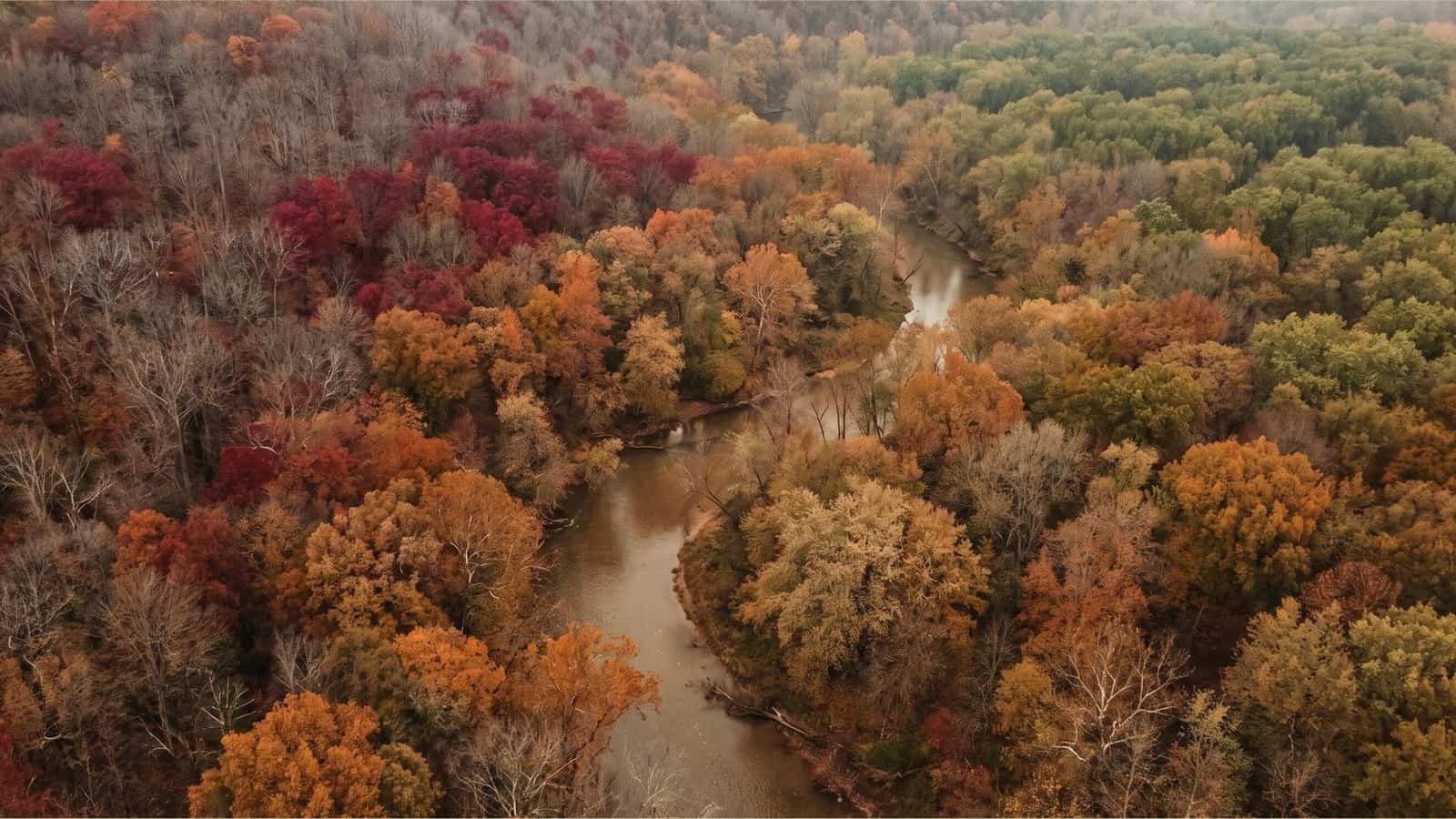
Daylight Loss This Week, by City
| City | Latitude | Daylight lost per week | True equal day and night |
|---|---|---|---|
| Anchorage, AK | 61.2 | 40 min | 24 September |
| Seattle, WA | 47.6 | 24 min | 25 September |
| Minneapolis, MN | 45.0 | 22 min | 25 September |
| Toronto, ON | 43.6 | 21 min | 25 September |
| New York, NY | 40.7 | 19 min | 26 September |
| Denver, CO | 39.7 | 18 min | 25 September |
| Nashville, TN | 36.2 | 16 min | 26 September |
| Atlanta, GA | 33.8 | 15 min | 26 September |
| Dallas, TX | 32.8 | 14 min | 26 September |
| Miami, FL | 25.8 | 10 min | 27 September |
Read the far right column alongside the rest. The date when day and night are genuinely equal is not the equinox, and it arrives later the further south you go. We explain that oddity in our equinox piece.
What the Shortening Days Actually Do to a Leaf
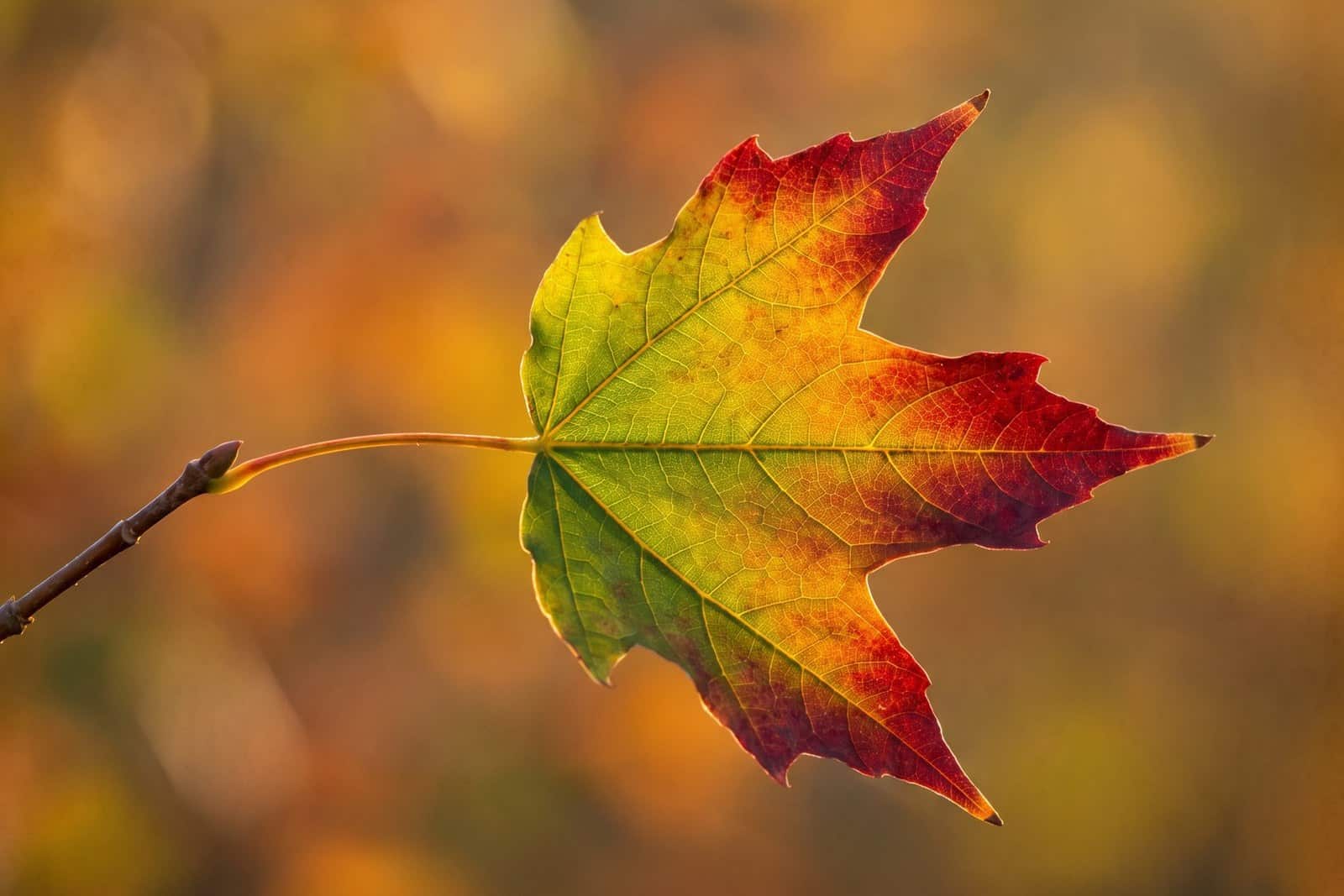
A green leaf is green because it is full of chlorophyll, and chlorophyll is expensive for a tree to maintain. As nights lengthen, the tree reads the change and begins closing the leaf down. A corky layer forms where the leaf stalk meets the twig, sugar traffic slows, and chlorophyll production stops.
What is left behind was there all along. The yellows and oranges of birch, hickory and aspen are carotenoids that sat underneath the green all summer. The reds of maple and sumac are different: anthocyanins, which the tree makes fresh in autumn, and which come on strongest after warm sunny days followed by cool nights.
Frost is not the trigger. A hard freeze early in the turn will brown the leaves and cut the display short. What a good color year wants is a steady drop in night temperature without a killing frost, on top of a summer that was not badly dry.
So When Does It Peak Where You Live?
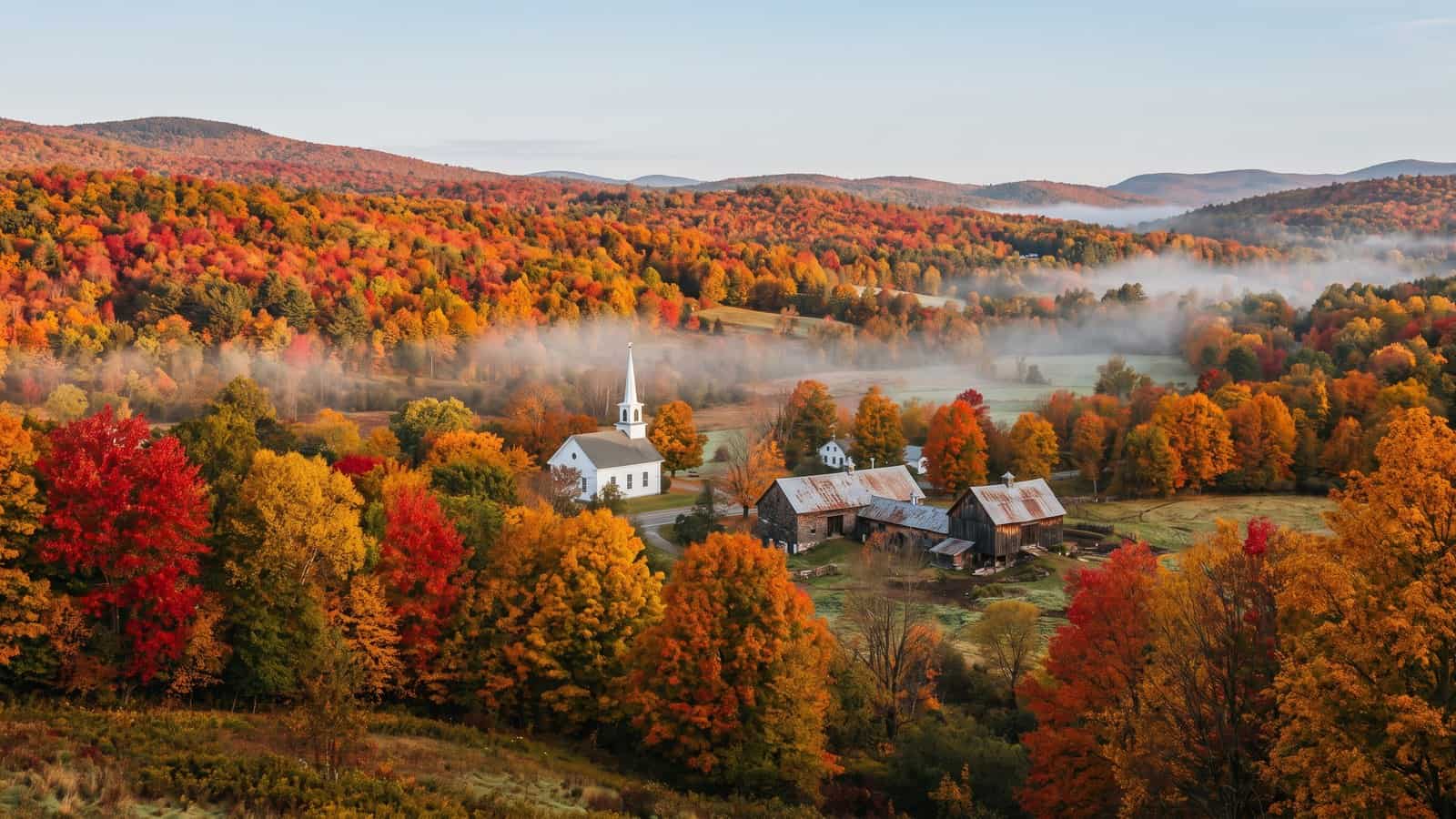
- Far north and high elevation first. Alaska, northern Maine, the Rockies above 8,000 feet and northern Ontario turn from late September.
- The northern tier through early October. Upper Michigan, Vermont, New Hampshire and the Adirondacks usually peak in the first two weeks.
- The middle band mid to late October. Pennsylvania, the Ohio Valley, Missouri and the southern Appalachians.
- The South last. Georgia, Alabama and east Texas often run into early November.
- Elevation beats latitude. A mountain in North Carolina can turn before a valley in Ohio, because temperature falls with height.
Our fall leaves guide lists the destinations region by region, and the peak color guide narrows the timing.

An Honest Note on Predicting a Good Year
Nobody can tell you in September exactly how brilliant your October will be. Daylight is fixed and predictable. The weather layered on top of it is not. A dry August, an early freeze or a windy week can each change the outcome, and they arrive on their own schedule.
What the daylight numbers do give you is the shape of the season: where the change starts, which direction it travels, and roughly how fast.
Frequently Asked Questions
Why does fall color start in the north?
Because daylight shortens fastest at high latitudes. Around the September equinox Anchorage loses about 40 minutes of daylight a week while Miami loses about 10. Trees read lengthening nights as the signal to shut leaves down, so the change begins in the north and works south.
Does frost cause the leaves to change color?
No. Shortening days start the process. A gentle cooling helps the reds along, but a hard freeze part way through the turn browns the leaves and cuts the display short. Frost tends to end the show rather than begin it.
Why are some years better than others?
The brightest reds follow warm sunny days paired with cool nights that stay above freezing, on top of a summer without serious drought. Those conditions let the tree build anthocyanins, the pigments it makes fresh in autumn.
Where do the yellows come from?
They were in the leaf the whole time. Carotenoids sit beneath the chlorophyll all summer and simply become visible once the green is gone. The reds are the ones the tree makes new in the fall.
Does elevation matter as much as latitude?
Often more. Temperature falls as you climb, so a high ridge in the southern Appalachians can peak before a low valley several hundred miles north.
Read Next
- Fall Leaves: Dates and Destinations
- When Do Fall Colors Peak?
- The 2026 to 2027 Extended Winter Forecast
- 20 Signs of a Hard Winter Ahead

Josh Morley grew up in Liverpool, where checking the sky before you leave the house is less a habit than a survival skill. He has spent his working life with data, and he came to the Farmers' Almanac by way of the thing the two have in common: the weather is the largest dataset any of us live inside, and most of us read it every day without noticing.
- Josh Morley

- Josh Morley
- Josh Morley
- Josh Morley