Watching the Sunrise: A Simple Healthy Morning Habit

Quick Reference: Watching the Sunrise
- What it is: stepping outside as the sky brightens, phone left indoors, for a few quiet minutes before the day begins.
- Why it helps: early morning light helps set your body’s internal clock, which guides sleep, mood, and energy.
- How to start: get up 15 minutes earlier, face east, and notice one sight, one sound, and the cool air.
- Weather bonus: a red dawn is an old storm signal, as in “Red sky at morning, sailors take warning.”
- Good to know: sunrise shifts by season and region, arriving before 5:30 a.m. near the summer solstice in the North and well after 7 a.m. in deep winter.
Long before alarm clocks buzzed on the nightstand, people started the day the same way the farm did: with the sun. As the 2026 growing season rolls through summer, one of the oldest and cheapest habits around is worth another look. Watching the sunrise costs nothing, asks for no special gear, and gives back a steadier, calmer start to the day. Here is why the ritual has lasted, what the morning light actually does for you, and how to begin without becoming a 4 a.m. person.
A Morning Ritual Older Than the Alarm Clock
For as long as people have kept time, waking with the sun was not a productivity trick or a lifestyle choice. It was simply how life worked. Before screens lit up bedrooms, mornings arrived slowly and quietly, with no sense of hurry.
People noticed the dew on the grass and the leaves. Neighbors waved or said a quiet good morning as the sky brightened. The day started gently and moved in step with the sun.
Mornings look different for many of us now. We reach for the phone first thing instead of stepping into the fresh morning light. We scroll through notifications instead of listening to the birds begin their songs. The fix is an old one, and it is refreshingly simple: watch the sunrise. It may sound old-fashioned, but it truly feels like a reset.
There is a real sense of peace in those early hours. The wind is usually calm. The streets are quiet, with no traffic yet. Animals are foraging or just waking. Standing outside as the sky shifts from dark blue to soft gold feels like a moment of quiet before the day begins, and it leaves you with an easy energy that lasts.
Why Morning Light Is Good for You
The good feeling is not only in your head. Your body runs on a roughly 24-hour cycle called a circadian rhythm, an internal clock that tells you when to feel sleepy and when to feel awake. Bright light in the morning is the main signal that keeps that clock on time. The National Institute of General Medical Sciences, part of the National Institutes of Health, explains in its plain-English circadian rhythms fact sheet that light is the strongest cue for setting these daily rhythms.
The practical payoff is easy to feel. Catching daylight early tends to help you feel alert during the day and sleepy at a reasonable hour that night. Even a cloudy dawn carries far more light than a lamp indoors, so you do not need a postcard sunrise for it to count. Step outside, let your eyes take in the sky, and your body clock does the rest.

Reading the Dawn Sky
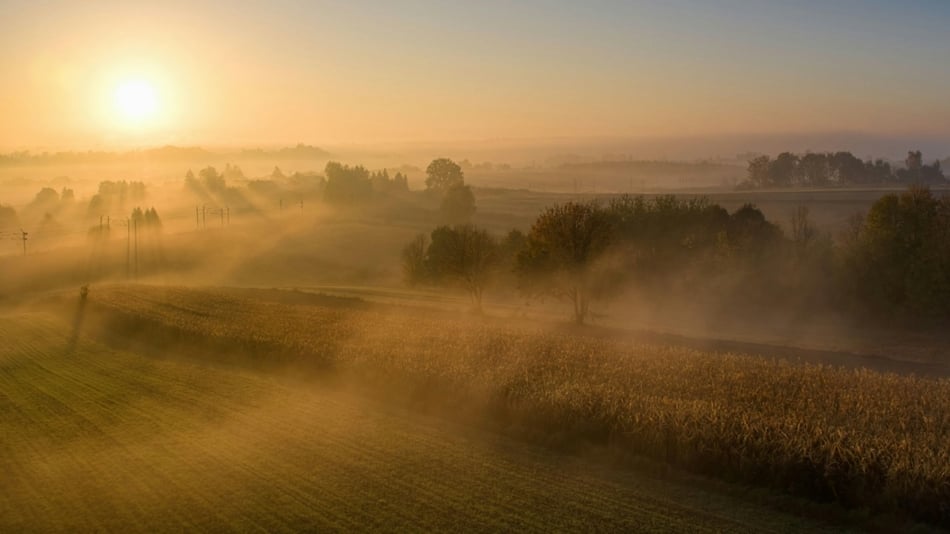
For most people in history, especially those living in rural areas, sunrise was more than beautiful. It brought quiet joy, and it served as a useful signal for the day ahead.
Folks read the sky for weather clues and passed down sayings like “Red sky at morning, sailors take warning.” A red dawn often meant a day best spent indoors, while a clear eastern sky hinted at fair weather and time for adventure. There is real weather behind the rhyme, which is why the proverb has stuck around for centuries. You can read the fuller story in our look at red sky at night and red sky in the morning.
Early risers noticed the small wonders too. Spring frogs calling, birds moving in new patterns, and heavy dew hinting that autumn had arrived with its crisp air. These are the same sky-and-nature signs the Almanac has tracked for generations. Treat them as a fun starting point rather than a forecast, then check the science and our long-range forecast when the day really matters.
The Gift of Perspective
The real gift, though, is the perspective the sunrise offers. Every morning shows that the Earth keeps turning, no matter how busy or worried we are. Seasons change on their own schedule. The light always returns, like a loyal friend. The day begins whether we rush through it or pause to notice.
The sun itself keeps a calendar older than any of ours. It climbs highest and rises earliest around the summer solstice in June, then trades a minute or two of daylight each day until winter. Watching the horizon over a season is a quiet way to feel that turning, the same way the Almanac has helped readers plan by the sky since 1818. In our busy, overstimulated days, a sunrise is a gentle reminder that life can be enjoyed, not just hurried.
How to Start Watching the Sunrise
You do not need to wake at 4 a.m. or become a cheerful morning person to try this. Just step out to the balcony or backyard about 15 minutes earlier than usual. Leave the phone inside. Notice the cool air, watch the horizon brighten, and listen for a single sound on the breeze.
Even cloudy mornings have their own magic, with soft light, whirling clouds, and the fresh smell of wet earth. If you want a rhythm to it, pair the habit with something else you already love about the season. Line-drying the laundry, growing your own herbs and vegetables, and jarring up the summer bounty are all small acts of continuation, honed from living close to the land. Greeting the dawn fits right in among them. If you like to time fresh starts, the Almanac’s Best Days calendar marks good days to begin something new.
So the next time the morning is clear, head outside and greet the day. You might pick up a bit of old wisdom, find a little peace, and carry a warm sense of contentment with you until dark. Start small, keep it simple, and let the sunrise do the rest.

Watching the Sunrise: Frequently Asked Questions
Is watching the sunrise actually good for your health?
Early morning light is the main signal that keeps your circadian rhythm, your roughly 24-hour body clock, on time. Catching daylight soon after you wake tends to help you feel alert during the day and sleepy at a reasonable hour that night. It is a simple, free habit, though it is a supplement to good sleep and sunlight over the whole day, not a cure-all.
Do I have to wake up at 4 a.m. to watch the sunrise?
No. You only need to be outside as the sky brightens, which changes with the season and where you live. Near the summer solstice the sun can rise before 5:30 a.m. in northern areas, while in deep winter it may not clear the horizon until well after 7 a.m. Getting up about 15 minutes earlier than usual is often all it takes.
Does watching the sunrise work on cloudy mornings?
Yes. Even an overcast dawn carries far more light than an indoor lamp, so your body still gets the signal. Cloudy mornings bring their own soft light, moving clouds, and the smell of wet earth. Step outside and let your eyes take in the sky, no clear horizon required.
What does “Red sky at morning, sailors take warning” mean?
A red dawn was an old warning that unsettled weather could be on the way, so it was often a day to stay close to home. A clear eastern sky hinted at fair weather instead. There is real weather behind the rhyme, which is why it has lasted for centuries, but treat any single sky sign as a starting point rather than a forecast.
How do I make watching the sunrise a lasting habit?
Keep it small and pair it with something you already enjoy. Set your alarm 15 minutes earlier, leave the phone inside, and step onto the balcony or into the backyard. Tie it to a seasonal chore you like, such as line-drying laundry, tending herbs, or putting up the summer harvest, so the dawn becomes part of a morning you look forward to.
What should I look and listen for at sunrise?
Start with one sight, one sound, and the feel of the air. Watch the sky shift from dark blue to soft gold, listen for the first birds or spring frogs, and notice heavy dew, which can hint that cooler autumn air has moved in. These are the same small signs early risers have read for generations.

- Tim Konrad

- Tim Konrad
- Tim Konrad
- Tim Konrad