

10 Smart and Unusual Uses For Used Coffee Grounds
More reasons to love your morning brew! Before you discard those used coffee grounds or send them straight to the compost, consider these clever household uses for them. Some are very eye-opening!
Quick Reference: Used Coffee Grounds
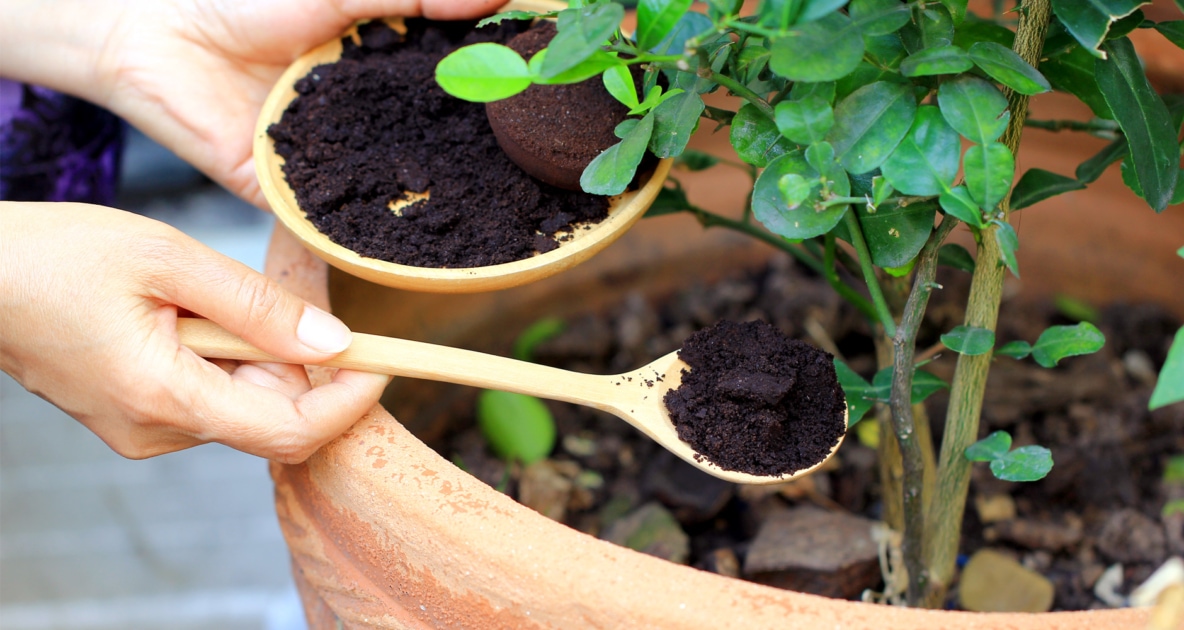
- Best garden uses: acid-loving beds (roses, blueberries, hydrangeas), worm bins, and slug barriers. Mix into compost or steep into a “coffee tea,” do not pile directly on plant crowns.
- Best house uses: sink-side scrub, refrigerator deodorizer, sepia paper dye, ice traction on the walkway.
- Skin scrub recipe: 1/2 cup grounds + 1/2 cup sugar + 1/4 cup coconut oil in a jar with a tight lid.
- Watch the pH: used grounds are roughly neutral once brewed, fresh (unbrewed) grounds are more acidic. The acid claim is overstated; treat them as a slow-release nitrogen amendment.
- Mold risk: wet grounds in a fridge dish go fuzzy in a week. Swap them out or dry the grounds in a low oven first.
- Compost ratio: count them as a “green” (nitrogen) layer. Balance with browns (cardboard, leaves) at about 1:3 by volume.
Before you discard those used coffee grounds or send them straight to the compost, consider these clever household uses. Coffee is the second most-traded commodity on earth after oil (see the Britannica entry on coffee), so the average household generates more spent grounds than it realizes, somewhere between two and ten pounds a month for a daily-drip habit. The grounds are roughly 2 percent nitrogen by weight, mildly abrasive, oil-absorbent, and free. That is a useful combination.
10 Smart and Unusual Uses For Used Coffee Grounds
1. As an Exfoliant
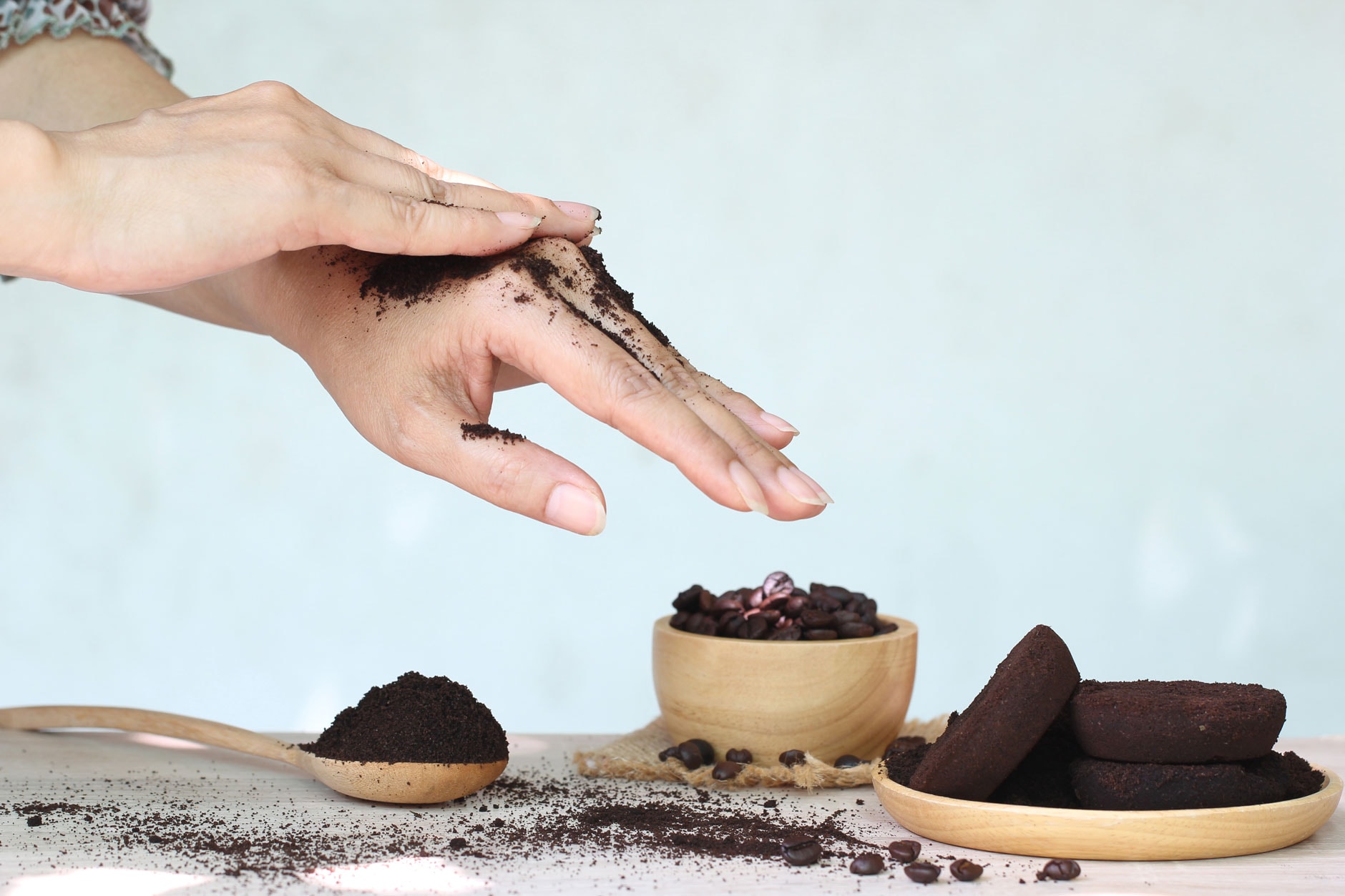
The rough texture of the coffee grounds can be used on your skin as a scrub. Coffee scrubs are popular at every spa counter. Mix 1/2 cup coffee grounds and 1/2 cup sugar (any kind) with 1/4 cup coconut oil in a small jar with a lid. Work into wet skin in circles, then rinse. Many commercial scrubs use coffee to reportedly combat cellulite, and the caffeine does cause a brief skin tightening, though the long-term cellulite claim is more marketing than science.
2. Soil Aeration and Nitrogen Boost for Houseplants
Adding coffee grounds to your houseplants helps the pH balance (toward acidity), increases nitrogen, and aerates the soil. Tomatoes also love acidic soil. Sprinkle a thin layer on top, then water in. The trick is “thin.” A thick mat of wet grounds turns into a crust that sheds water, the opposite of what you want.
3. Neutralize Refrigerator Odors

Place the grounds in a shallow dish in the refrigerator to act as a natural deodorizer. The porous carbon in roasted coffee grabs sulfur compounds the same way activated charcoal does. The only thing to watch for is mold if you use damp grounds. Replace immediately with fresher grounds if it turns into a science experiment. Drying the grounds in a 200°F oven for 20 minutes before you set the dish on the shelf buys you another two or three weeks.
4. Natural De-Icer
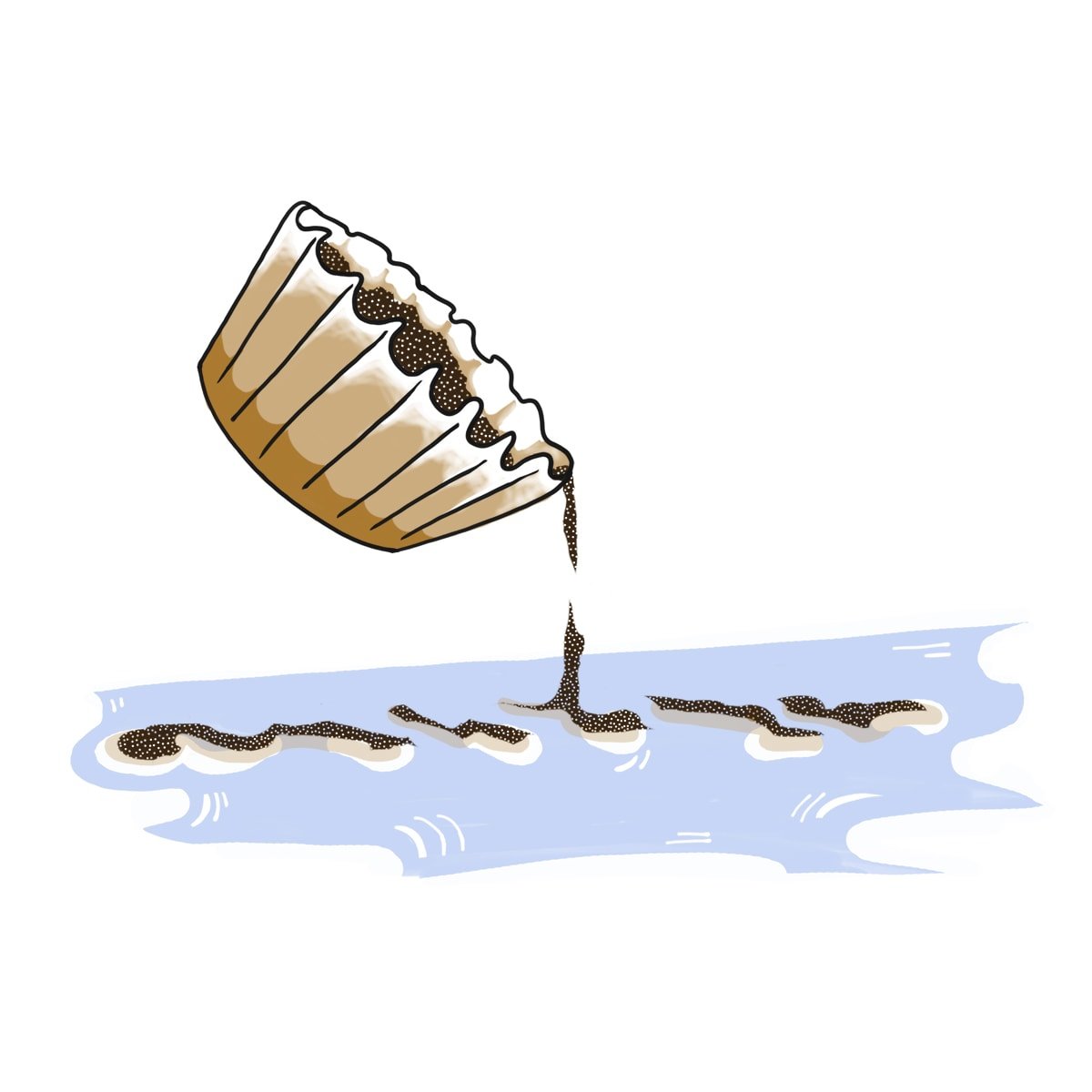
Sprinkle used grounds on your freshly shoveled walk or driveway to help melt the ice. It is a natural way to add more traction underfoot, and unlike rock salt, the grounds will not chew up concrete or kill the strip of grass at the edge of the walk. Just wipe your feet well before coming indoors so you do not track brown footprints into the kitchen.
5. Dye Easter Eggs or Paper Crafts

Soaking in a solution of water and used coffee grounds gives an antique sepia appearance to watercolor paper or Easter eggs. For paper: brew about 1 cup of grounds in 2 cups of hot water for 10 minutes, strain, and brush or dip. Let the paper air-dry on a wire rack. For eggs: simmer hard-boiled white eggs in the same brew for 5 to 10 minutes for a tan blush, longer for deeper bronze.
6. Water Your Roses
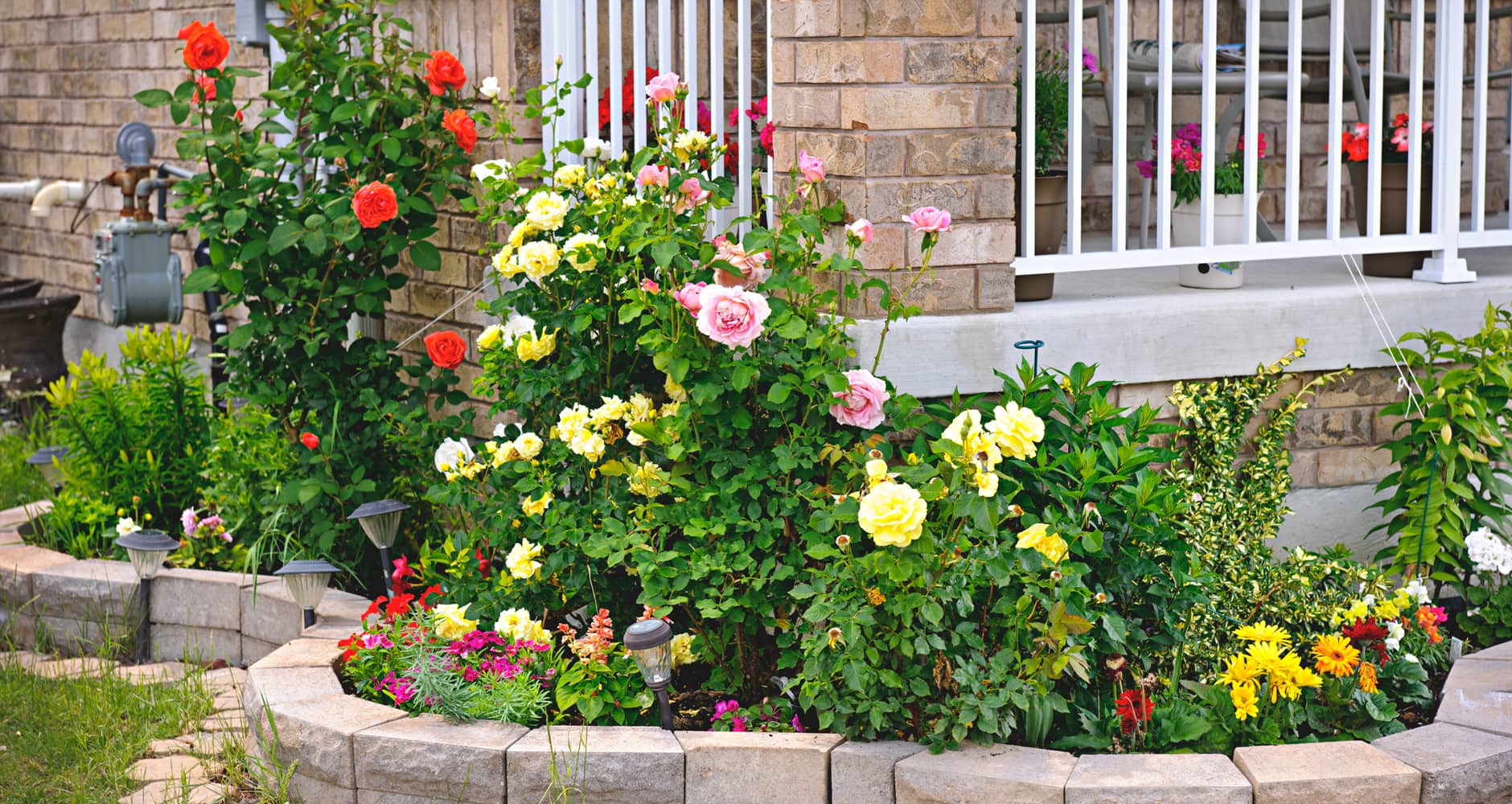
Coffee grounds can help lower the pH in your soil, which your roses love. Mix 1 cup of grounds in 1 gallon of water and water the roses with the slurry. This method helps distribute the grounds evenly and gets the nutrients to the roots. Never add grounds right next to the plant stem; piled on a crown they can scorch and cause “burn.”
7. Scour Pots and Pans
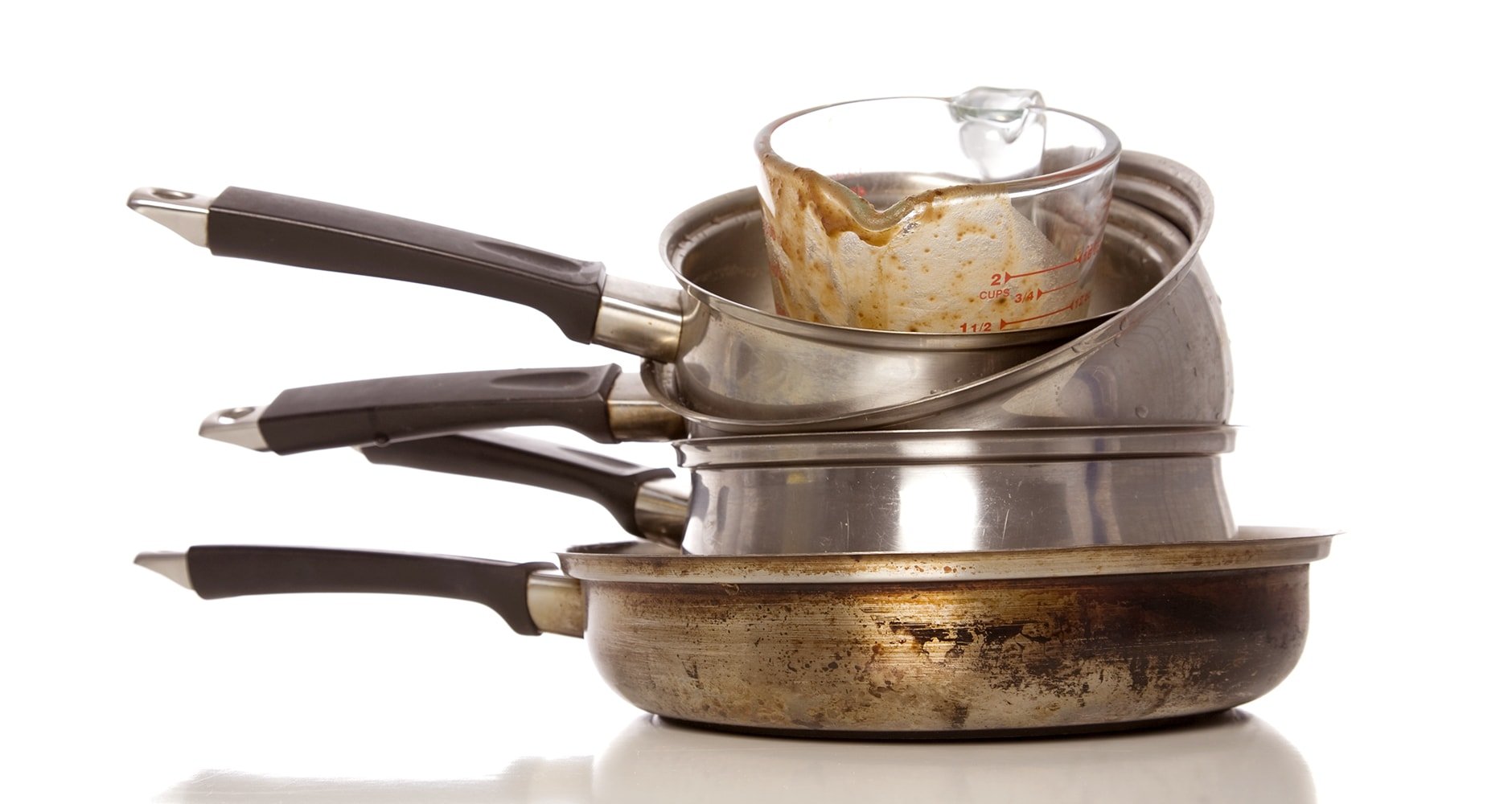
No scrub pad on hand? The gentle abrasiveness of coffee grounds can help in the kitchen to remove stubborn caked-on food from your pots and pans. Just scrub first, then wash and rinse. Cast iron is the exception: skip the grounds and stick to coarse salt so you do not lift the seasoning. Coffee grounds will also brown a porcelain sink if you leave them sitting, so rinse straight through.
8. Snail, Slug, and Cat Repellent
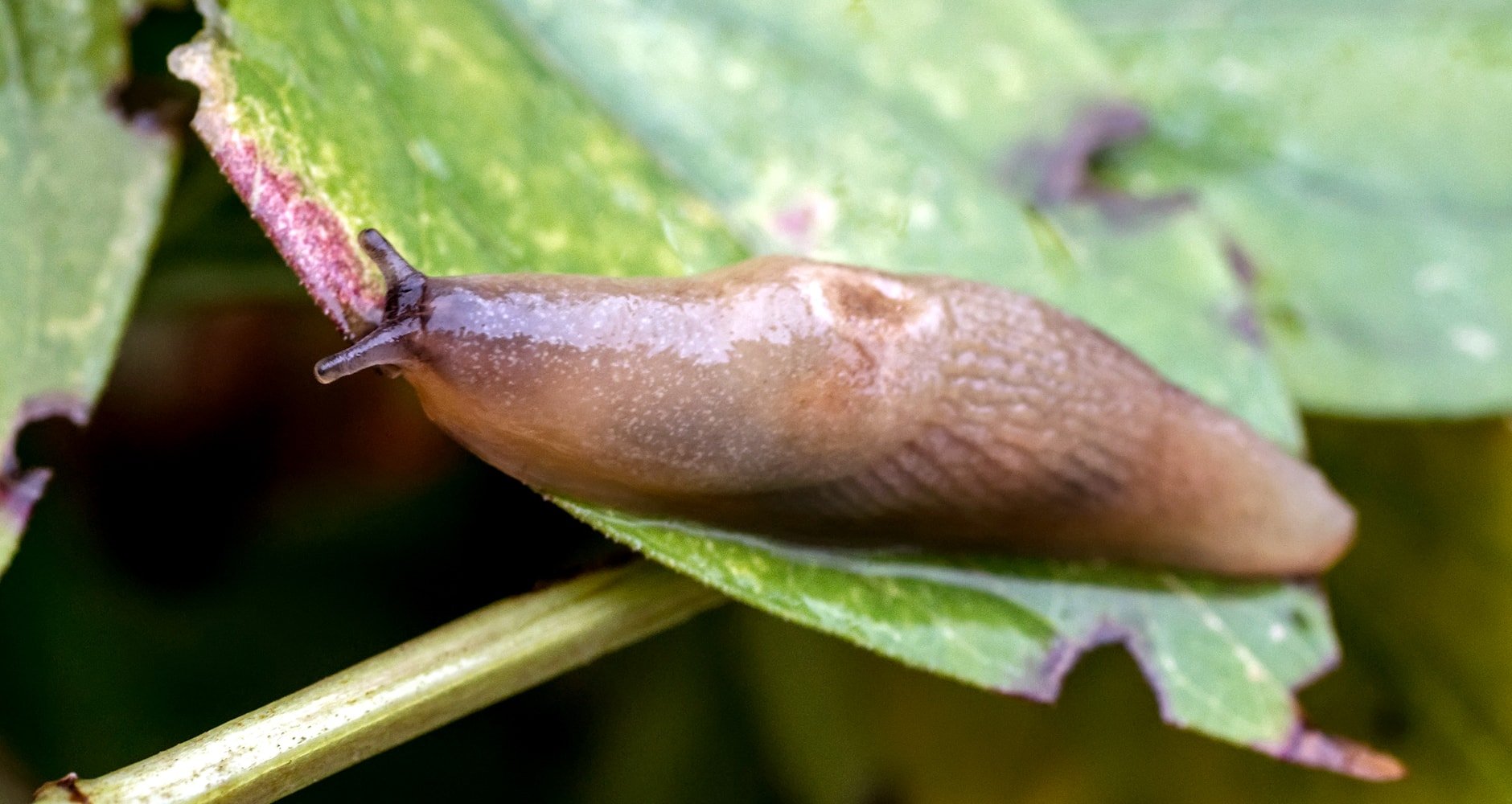
In the garden, use coffee grounds as a barrier around bed edges and the base of vulnerable seedlings. The gritty texture and the residual caffeine deter slugs and snails (they will not cross dry grounds if there is a moist alternative within reach), and the smell discourages neighborhood cats from treating the lettuce bed as a litter box.
9. A Boost for Your Carrot Crop
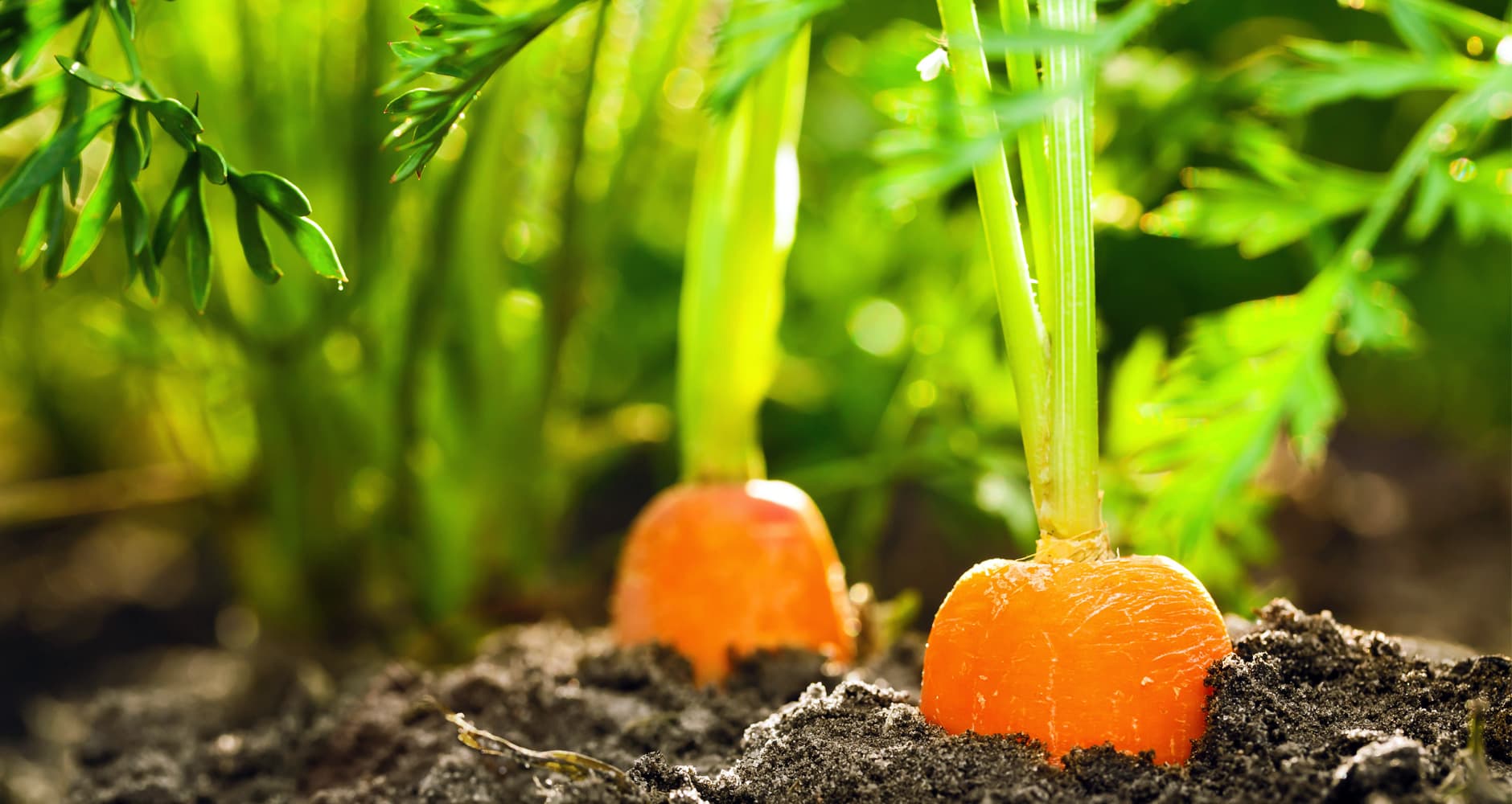
Carrots love coffee grounds. They will grow larger and sweeter, and the plants tend to have a greater yield. Trowel a thin layer of grounds into the row when planting and mix it into the top inch of soil. Radishes respond the same way. The thinking: the loose, gritty grounds open up the soil so the taproot has an easier time pushing straight down, which gives you fewer forked carrots at harvest.
10. Fishing Secret

Mix a cup of used coffee grounds in with your bait worms to keep them alive and wiggling longer. Fish, especially trout and bass, are attracted to coffee-scented worms. Old-timers swear the smell carries through cold water. Even if you do not buy the scent story, the grounds keep the bedding cool and damp through a hot fishing afternoon, which is half the battle.
How To Use Coffee Grounds By Job

Coffee Grounds FAQ
Are coffee grounds actually acidic?
Brewed (used) grounds are roughly neutral, pH 6.5 to 6.8, because most of the acid leaves with the cup. Fresh, unbrewed grounds are more acidic. Plan around the grounds as a nitrogen amendment and a soil opener, not as a pH lever.
Can I put used coffee grounds straight on my garden?
A thin layer mixed into the top inch of soil, yes. A thick wet cake on top of the soil, no. Thick layers form a water-resistant crust. Either mix the grounds in or compost them first.
Which plants like used coffee grounds the most?
Acid-tolerant or acid-loving plants take grounds the best: blueberries, hydrangeas, azaleas, rhododendrons, camellias, roses, carrots, radishes, tomatoes. Avoid heavy use around plants that prefer alkaline soil, like lavender and lilacs.
Are coffee grounds safe for compost?
Yes. Treat them as a “green” (nitrogen-rich) layer and balance with browns like cardboard, dry leaves, or straw at roughly 1:3 by volume. Coffee filters compost too.
Will coffee grounds hurt my dog or cat?
Caffeine is toxic to dogs and cats in quantity. Used grounds retain some caffeine, so keep compost bins covered and do not let a curious dog dig into a fresh pile. A few licks of a deodorizer dish is not a crisis, but call your vet if a pet eats more than a tablespoon or two.
Can I use them as a body scrub on sensitive skin?
Patch test first. Coffee grounds are mildly abrasive and the sugar in a typical scrub recipe magnifies that. Sensitive or broken skin reacts better to a finer ground (espresso grind) and a longer rest in coconut oil before scrubbing.
How long do used coffee grounds keep?
Damp, a few days before mold appears. Dried in a low oven and stored in a sealed jar, several months. Frozen in zip-top bags, indefinitely.
Do you have a special way you use those used coffee grounds? Tell us in the comments below. For more low-waste kitchen tips, read our companion guides: 8 zero-waste tips for the kitchen, 10 surprising uses for eggshells, and don’t toss those vegetable peelings.



Edward Higgins
Edward Higgins is a freelance writer, artist, home chef, and avid fly fisherman who lives outside of Portland, Maine. He studied at Skidmore College and Harvard University. His article 10 Best Edible Insects appears in the 2020 Farmers' Almanac.
- Edward Higgins

- Edward Higgins
- Edward Higgins
- Edward Higgins





I mix 50/50 (dried coffee grounds) with baking soda and sprinkle on any fabric or upholstery that needs deodorizing or freshening. Vacuum off after a few hours. Odors gone, smells fresh.
I use it to keep ants under control. Here in sentral Alabama it is a big problem. Especially last summer. My yard was the only one with just couple of hills. When neighbor’s yards had about 10 times more. I just mix used grains with good bit of water and dump it on the center of ant hill. Often just one application is enough. And in winter I keep throwing the grains all over the yard.
Do you use used or fresh ground? How much per mound?
Add old meds to used coffee grounds in a zip lock bag, let set for awhile, this dissolves the drugs and makes them useless, place the bag in your trash can. Do not pour down your drain.
When my mom died, the nurse told me to do this and I have used this over and over.
I have done this for years on recommendation of my pharmacy. Then wrap in foil before you toss in trash.
R
Coffee grounds are sludge, best thrown in the garbage. People claiming use for them must be telling the truth, but my research, and experience, indicates a waste product with no uses.
I throw the coffin grounds in my flower bed and when ground are dry I till them into the soil
dry used coffee grounds and burn them keeps mosquitoes away
Hi Pillyester, we hadn’t heard that one, but we’ll have to give it a try!
That is FANTASTIC!!! I will definitely try this one!!! Thank you. Have a blessed week.
If you have places that have stagnant water pour coffee grounds or fresh coffee (of the cheap kind that you would never drink) into the water to deter mosquitoes
Occasionally I put my coffee grounds in a blender with my energy drink mix, I know it sounds gross, but try it.
It gives that energy drink a kick in the ass
Gross both in safety, and in language for the Farmers’ Almanac.
I use my used coffee grounds for fire ants beds.. I skim the top of fire ant hills then I put my grounds on the top of them and they take them to there queen and the bed is empty and moved away from my home. I used just one filter that I made a 10 cup pot of coffee. I save a lot of grounds to spread all around my mobile home and it seems to help keep ants and other crawling bugs from entering my home. I do have to put extra on my ledge of my windows because they come from tree limbs that hang over my home.
I will try this on my windowsills this spring. I have a terrible problem with ants in the house.
I make a wood stain using used coffee grounds. Put 1/4 to 1/2 cup used coffee grounds in a 1 qt. mason jar, add 1 steel wool pad, and then fill the jar with white vinegar. Shake well and let stand overnight. The next day stir the contents and using plastic gloves so as not to stain your fingers and hands take out the steel wool pad and use it to apply the stain to your project. You can also keep the pad in the jar and use a brush to apply the stain. I then let it dry and if I want a darker color I apply a 2nd coat of stain. When that is dry I wipe the project with a dry cloth and then finally with a damp cloth. The wiping takes away the chance of the stain from rubbing off on clothing. If I am going to use the project outside I have then applied a coating of a clear water sealing product. I have made several large tables using this formula and actually make my stain in gallon glass containers.
I just did that a few weeks ago Al and yes it works great and looks good. You can also use ketchup, mustard, barbecue sauce etc. Wipe it off after dry and reapply till it gets to the shade that you want. It smells great and no bad fumes from stain.