5 Easy Things to Plant This Summer for a Quick and Rewarding Harvest
The spring planting rush is over. It is early July 2026, the soil is warm, and, if the beds look bare, there is still a full season of eating and cutting flowers ahead. Bush beans planted the first week of July hit the plate by early September in most of the Lower 48. Cucumbers and zucchini go even faster. The trick is to pick crops that finish before the first fall frost, and to sow them the way seasoned gardeners have for two centuries: warm soil, deep water, mulch on top.
Quick Reference
- Best window: Late June through mid-July for northern gardens; through early August for southern gardens
- Fastest to harvest: Zucchini in 45 to 60 days, bush beans in 50 to 60 days
- Watering rule: 1 to 2 inches per week, delivered deeply at soil level
- Frost check: Confirm your average first fall frost date via the NOAA NCEI freeze/frost dataset before sowing
- Moon planting: Sow above-ground crops (beans, cucumbers, zucchini) in the waxing moon; below-ground crops in the waning moon
1. Bush Beans
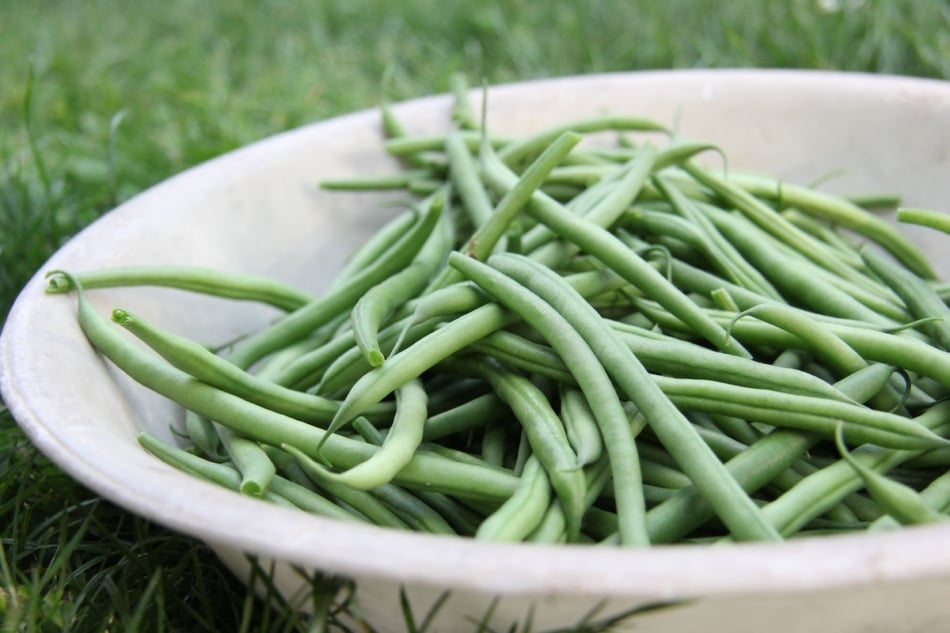
Bush beans are the classic beginner crop for a reason. They germinate in warm soil in five to eight days and pod up in 50 to 60 days from sowing. One 10-foot row usually feeds a family of four all summer if you pick every second or third day.
Why they earn a spot in a July planting:
- They love warm temperatures, soil at 70 to 85 F is ideal
- They grow fast and shade out weeds
- They need little care once established
- They keep producing for three to four weeks per sowing, so a second sowing three weeks after the first stretches the harvest into fall
Sow seeds one inch deep, two to three inches apart, in rows 18 to 24 inches apart. Water the row well, then keep the top inch of soil damp until seedlings break the surface. From that point on, deep water once a week beats a daily sprinkle every time.
2. Cucumbers
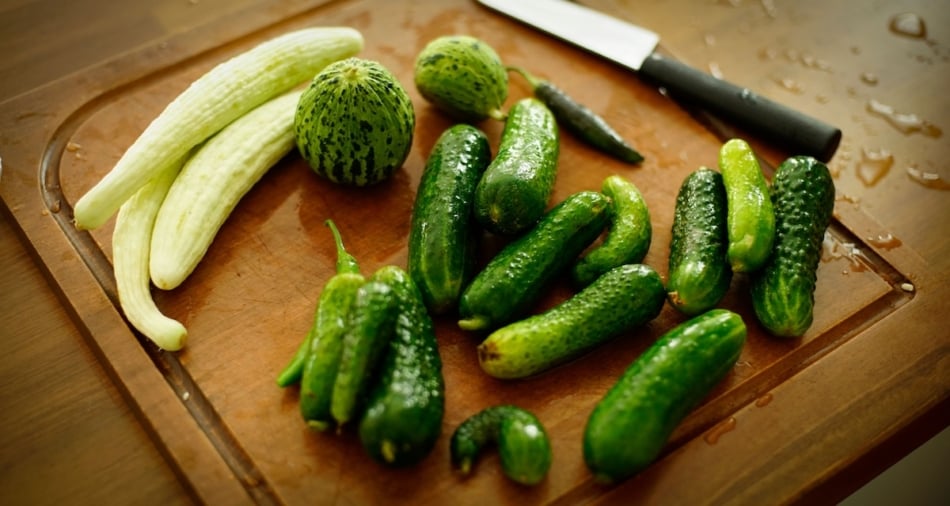
Few crops taste like summer the way a fresh-picked cucumber does. Vines thrive in the heat and, once they start, they do not stop.
Growing tips:
- Plant in full sun, six or more hours a day
- Train vines up a trellis or panel of hog wire to save floor space and boost airflow, this keeps fruit straight and cuts down on powdery mildew
- Water evenly and steadily, dry weeks followed by heavy rain make the fruit bitter
Most slicing varieties begin producing in 50 to 70 days, making them a strong mid-season addition. Bush types (compact plants) fit containers on a patio. For pickling, choose a variety labeled “pickling” and harvest at three to five inches.
3. Basil
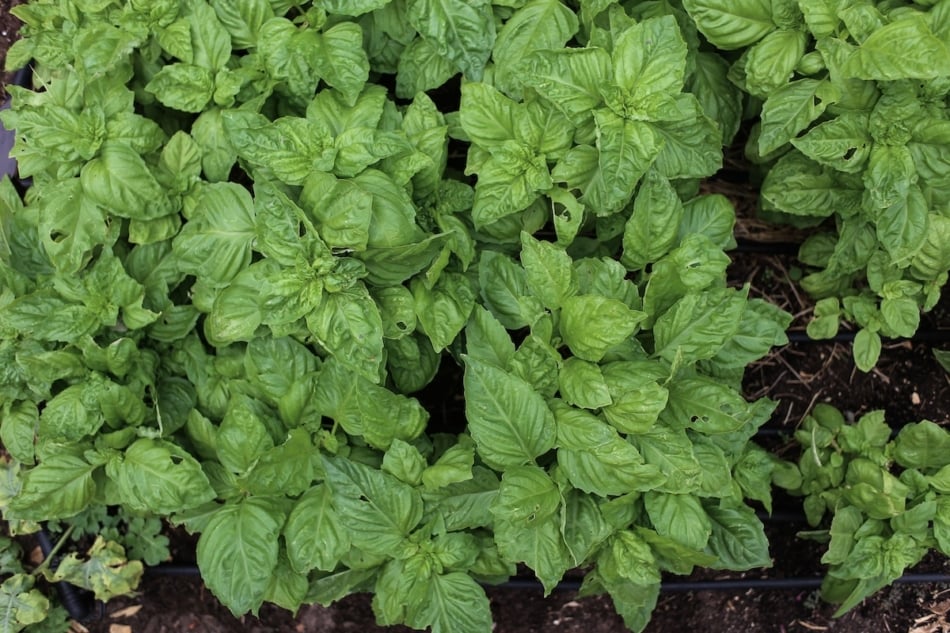
Basil is the warm-weather herb that practically explodes with growth through July and August. It works in containers, raised beds, or tucked between tomatoes as a companion plant.
Why gardeners love basil:
- Fast-growing, ready to pick 30 days after transplant
- Ideal for beginners and children learning to garden
- Perfect for pesto, caprese, and homemade sauces
- Attracts pollinators when a few plants are allowed to flower late in the season
Pinch the top pair of leaves and any flower buds as soon as they appear. Pinching sends energy back into leaves and keeps a plant productive right up to the first frost. According to the USDA Agricultural Research Service, basil grows best in soil at 70 F or warmer, which is exactly why a July sowing outperforms a stressed May planting in most of the country.
4. Zucchini
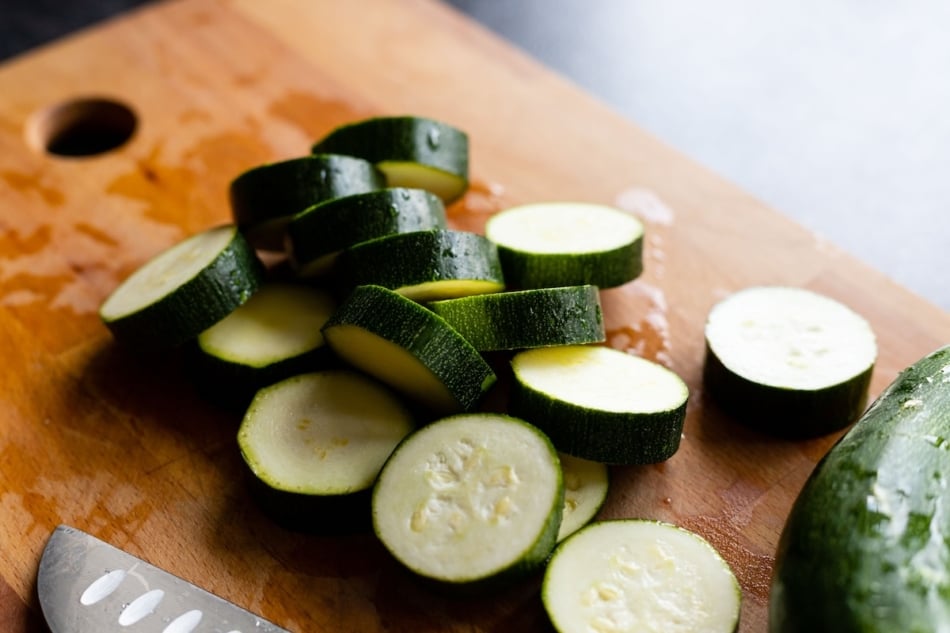
If you want the biggest return on the smallest effort, plant zucchini. One or two plants will feed a household and still leave enough for the neighbors (the old joke about locking your car doors in August exists for a reason).
Success secrets:
- Plant in rich, well-draining soil enriched with compost
- Give each plant a three-foot circle to itself, crowding cuts yield and invites mildew
- Harvest fruits when they are young and tender, six to eight inches long, once they hit baseball-bat size the flavor drops and the plant slows down
Most zucchini varieties begin producing 45 to 60 days after sowing. Squash vine borer is the one pest worth checking for weekly, wrap the base of the stem in foil or floating row cover through late July in areas where borer pressure is high.
5. Sunflowers
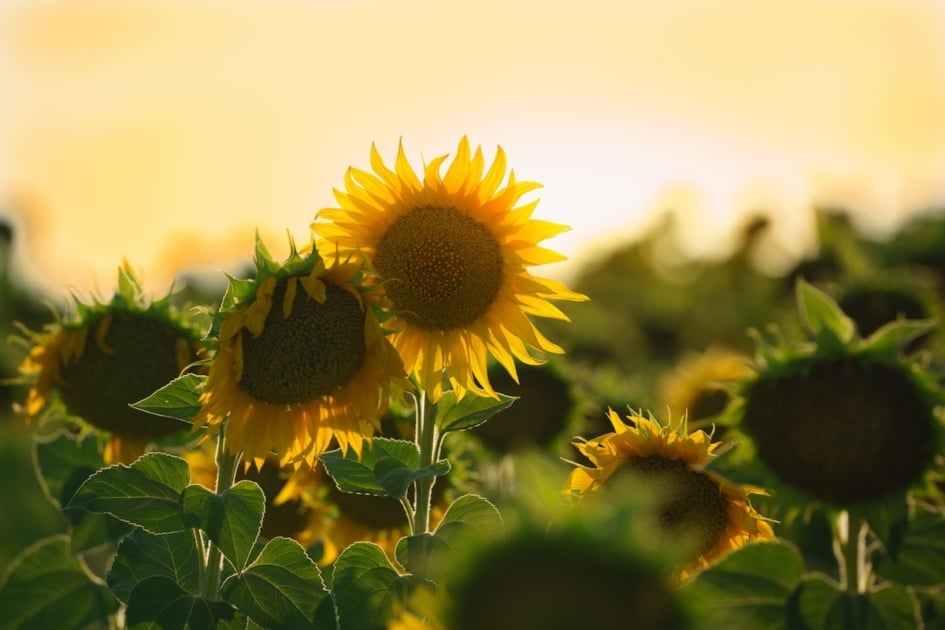
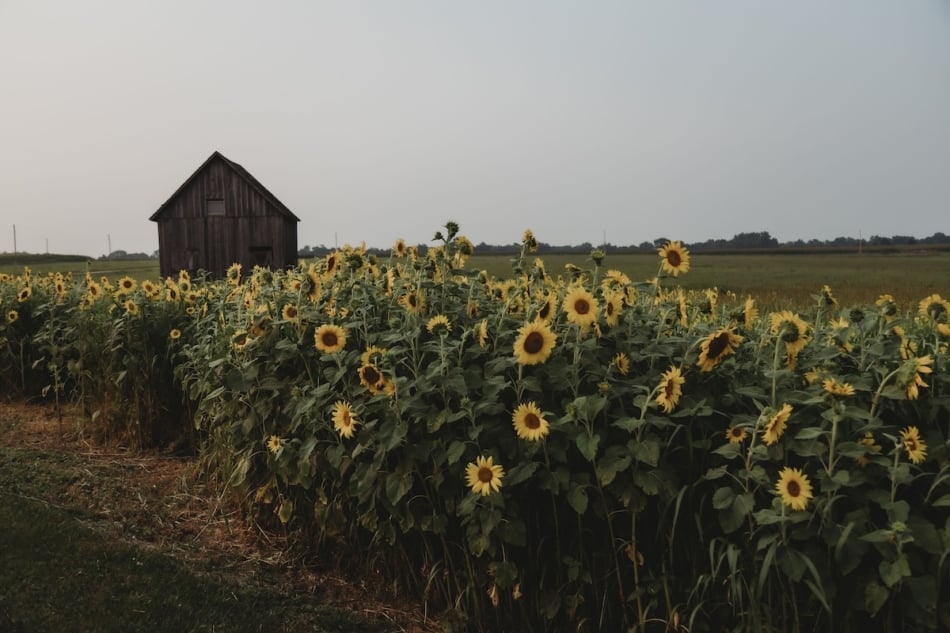
Not every summer planting has to end on the dinner plate. Sunflowers are among the easiest cutting flowers to grow and they draw pollinators to every neighboring crop.
Benefits of planting sunflowers:
- Attract bees, butterflies, and small songbirds
- Tolerate heat and short dry stretches once established
- Create striking cut flowers, dwarf varieties fit patio pots and produce blooms in 55 to 65 days
- Produce seed heads that feed goldfinches and chickadees into November
Sow seeds one inch deep directly into the soil, water in, and watch them shoot skyward. Most branching varieties will bloom in 60 to 75 days; giant single-stem types take 80 to 100 days, so those are best sown by mid-July north of the Mason-Dixon line.
Summer Planting Success Tips
To help your summer garden thrive:
- Water deeply during hot, dry stretches, one long soaking beats three light waterings
- Add a two to four inch layer of straw, shredded leaf, or grass-clipping mulch to hold moisture and cool the root zone
- Plant, transplant, and pick in the cooler morning or evening hours, midday sun stresses seedlings
- Choose varieties with the shortest “days to maturity” if you are sowing after July 4, look at the seed packet and count forward to your average first fall frost date
Days to Maturity at a Glance
Don’t Let Summer Pass You By
Even if the spring planting window has closed, there is still plenty of time to bring in a productive garden. These five easy-to-grow plants can provide fresh vegetables, fragrant herbs, and colorful blooms right through Labor Day and, in warmer regions, well past the equinox. Grab a packet of seeds, head outside in the cool of the morning, and make the most of the warm weeks ahead.

Frequently Asked Questions
What are the easiest things to plant in July for a quick summer harvest?
How late can you plant vegetables in summer and still get a harvest?
Do I need to prepare the soil differently for a summer sowing?
What is the fastest vegetable to grow from seed in summer?
Are sunflowers hard to grow?
Can I plant these in containers on a patio?

- Tim Konrad

- Tim Konrad

- Tim Konrad

- Tim Konrad